What’s Better Headphones or Earbuds? A Detailed Comparison
Choosing between headphones and earbuds can feel like navigating a maze. Both offer a pathway to your favorite audio, but they carve out different experiences. Are you a music aficionado seeking the purest sound, or a commuter craving convenience? The decision hinges on your lifestyle, preferences, and what you value most in your listening experience.
This isn’t just a simple ‘headphones versus earbuds’ debate. It’s about understanding the nuances of each, from sound quality and comfort to portability and price. We’ll delve into the strengths and weaknesses of both, helping you make an informed choice that resonates with your needs. Get ready to explore the pros and cons, and find the perfect audio companion for you!
Headphones: The Immersive Experience
Headphones, in their various forms, have long been the go-to choice for serious listeners. They offer a more enveloping experience, often with superior sound quality and a greater sense of immersion. Let’s break down the different types and their respective advantages.
Over-Ear Headphones: The Champions of Sound
Over-ear headphones, also known as circumaural headphones, completely enclose your ears. This design provides several key benefits:
- Superior Noise Isolation: The earcups create a seal around your ears, physically blocking out a significant amount of external noise. This allows you to focus on your audio, even in noisy environments.
- Enhanced Sound Quality: Over-ear headphones typically house larger drivers, which can produce a wider frequency range and more detailed sound. This results in richer bass, clearer highs, and a more balanced overall sound profile.
- Comfort (Generally): While some find them bulky, many over-ear headphones are designed for long listening sessions, with comfortable earcups and headbands. The weight is often distributed more evenly than with on-ear models.
However, over-ear headphones aren’t without their drawbacks:
- Bulkiness: Their size makes them less portable than other options.
- Heat: The enclosed design can trap heat, leading to discomfort during warmer weather or extended use.
- Price: High-quality over-ear headphones can be expensive.
On-Ear Headphones: A Balance of Portability and Performance
On-ear headphones, or supra-aural headphones, rest on your ears rather than enclosing them. They offer a middle ground between over-ear and earbuds, striking a balance between portability and sound quality.
Here’s what you should know:
- More Portable than Over-Ear: Their smaller size makes them easier to carry around.
- Less Heat: They tend to be cooler than over-ear headphones, as they don’t completely enclose your ears.
- Less Noise Isolation: They don’t block out as much external noise as over-ear models, which can be a disadvantage in noisy environments.
- Comfort Concerns: Some people find that on-ear headphones can cause discomfort after extended use, as they put pressure on the ears.
Open-Back vs. Closed-Back Headphones: Understanding the Differences
Within both over-ear and on-ear categories, you’ll find open-back and closed-back designs. The difference lies in the construction of the earcups:
- Closed-Back Headphones: These headphones have a sealed earcup design, which provides excellent noise isolation and prevents sound leakage. This makes them ideal for use in public spaces or environments where you don’t want to disturb others. They generally offer a more powerful bass response, but the soundstage might feel less expansive.
- Open-Back Headphones: These headphones have an open design, allowing air to pass through the earcups. This results in a more natural and spacious soundstage, making the audio feel more open and airy. However, they offer little to no noise isolation and leak sound, making them unsuitable for noisy environments or situations where you need privacy.
Earbuds: The Pocket-Sized Convenience
Earbuds have exploded in popularity in recent years, largely due to their portability and convenience. They come in various forms, each with its own set of features and trade-offs.
In-Ear Earbuds (earphones): The Classic Choice
In-ear earbuds, also known as earphones, insert directly into your ear canal. They offer several advantages:
- Portability: Their small size makes them incredibly easy to carry around.
- Decent Noise Isolation: The snug fit in the ear canal provides a degree of noise isolation.
- Affordability: In-ear earbuds are often more affordable than over-ear headphones.
However, they also have some drawbacks:
- Comfort: Finding a comfortable fit can be challenging, and some people find them uncomfortable for extended use.
- Sound Quality: While sound quality has improved significantly, in-ear earbuds often can’t match the sound quality of high-end headphones.
- Earwax Buildup: They can contribute to earwax buildup.
True Wireless Earbuds: Cutting the Cord
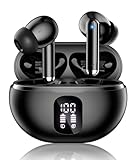
True wireless earbuds (TWS) have eliminated the cable altogether, offering maximum freedom of movement. They connect to your device via Bluetooth and have become incredibly popular. They offer:
- Complete Wireless Freedom: No wires to get tangled or restrict your movement.
- Compact Design: They’re small and easy to carry, often coming with a charging case.
- Features: Many models include features like active noise cancellation (ANC), touch controls, and voice assistant integration.
However, keep in mind:
- Battery Life: Battery life can be a limiting factor, although charging cases help extend it.
- Price: High-end true wireless earbuds can be expensive.
- Potential for Loss: Their small size makes them easier to lose.
Earbuds with Ear Hooks: Secure Fit for Active Lifestyles
These earbuds are designed for active users and feature ear hooks or fins to provide a more secure fit during workouts or other activities. This design helps to prevent the earbuds from falling out.
Key considerations:
- Secure Fit: Designed to stay in place during physical activity.
- Water Resistance: Often feature water resistance or sweatproof designs.
- Sport-Focused Features: May include features like heart rate monitoring or ambient sound modes.
However, they may not be as comfortable for everyday use as other types of earbuds.
Sound Quality: A Deep Dive
Sound quality is a primary concern for many audio enthusiasts. Let’s compare headphones and earbuds in this crucial area.
Drivers and Frequency Response
The drivers are the components that produce sound. Larger drivers, typically found in headphones, can often reproduce a wider range of frequencies, resulting in a more detailed and accurate sound. Earbuds, with their smaller drivers, may struggle to match the same level of detail, especially in the low-frequency range (bass).
Noise Isolation vs. Noise Cancellation
Noise isolation refers to the physical blocking of external sound, while noise cancellation actively cancels out noise using microphones and sophisticated algorithms. Over-ear headphones excel at noise isolation due to their design. True wireless earbuds are increasingly incorporating active noise cancellation (ANC), but the effectiveness can vary.
Soundstage and Imaging
Soundstage refers to the perceived width and depth of the sound. Open-back headphones often provide a more expansive soundstage, making the audio feel more open and airy. Earbuds, particularly in-ear models, can sometimes feel more ‘in your head’ due to their proximity to the eardrum.
Comfort and Fit: Finding Your Sweet Spot
Comfort is a critical factor, especially for long listening sessions. Let’s explore the comfort considerations of each type.
Headphone Comfort: Factors to Consider
The comfort of headphones depends on several factors:
- Earcup Material: Plush materials like velour or memory foam can enhance comfort, especially for over-ear headphones.
- Headband Design: A well-padded headband can distribute weight evenly, reducing pressure points.
- Weight: Lighter headphones are generally more comfortable for extended use.
- Clamping Force: The pressure the headphones exert on your head can affect comfort; a balance is needed.
Earbud Comfort: Finding the Right Fit
Earbud comfort is heavily influenced by the fit. Finding the right ear tips (usually included in various sizes) is essential for a comfortable and secure fit. Consider these points:
- Tip Material: Silicone and foam ear tips are common, each offering different levels of comfort and noise isolation.
- Size: Experiment with different sizes to find the best fit for your ear canal.
- Ergonomics: Some earbuds are designed with ergonomic shapes to improve comfort and fit.
Portability and Convenience: On the Go
For those who are always on the move, portability and convenience are paramount. Let’s compare the two:
Headphone Portability
Over-ear headphones are the least portable option. However, many models fold or swivel for easier storage. On-ear headphones are generally more portable. Consider these factors:
- Folding Design: Reduces the overall size for storage.
- Carry Case: Protects headphones and makes them easier to transport.
- Weight: Lighter headphones are easier to carry around.
Earbud Portability
Earbuds excel in portability. Their small size makes them easy to slip into a pocket or bag. The charging case for true wireless earbuds adds further convenience.
- Compact Size: Extremely easy to carry.
- Charging Case: Provides protection and extends battery life for true wireless models.
Price: Budget Considerations
The price range for headphones and earbuds varies widely. Consider your budget and the features you need.
Headphone Price Range
Headphones can range from budget-friendly models to high-end audiophile options. Consider:
- Entry-Level: Affordable headphones offer good value for basic listening.
- Mid-Range: Provides a balance of sound quality and features.
- Premium: High-end headphones offer superior sound quality, build materials, and features, often at a higher price.
Earbud Price Range
Earbuds also have a wide price range. Consider:
- Budget-Friendly: Affordable options for basic listening.
- Mid-Range: Offers a balance of features and sound quality.
- Premium: High-end true wireless earbuds with advanced features like ANC.
Features and Extras: Beyond the Basics
Modern headphones and earbuds often come with a variety of features that enhance the listening experience. These include:
Active Noise Cancellation (anc)
ANC uses microphones to detect external noise and then generates an opposing sound wave to cancel it out. This feature is particularly useful in noisy environments.
Bluetooth Connectivity
Bluetooth allows for wireless connectivity to your devices. Consider:
- Bluetooth Version: Newer versions offer improved stability and battery efficiency.
- Codec Support: Codecs like aptX and LDAC can improve sound quality over Bluetooth.
Water Resistance and Sweatproof Design
Essential for workouts and outdoor use, these features protect against moisture.
Touch Controls and Voice Assistant Integration
Convenient for controlling music playback and accessing voice assistants.
Battery Life
Consider the battery life of both the headphones or earbuds and the charging case (if applicable).
Comparison Table: Headphones vs. Earbuds
Here’s a table summarizing the key differences between headphones and earbuds:
| Feature | Headphones | Earbuds |
|---|---|---|
| Sound Quality | Generally superior, especially over-ear models | Can be good, but often not as detailed as high-end headphones |
| Noise Isolation | Excellent, especially with over-ear closed-back models | Can be good, especially with in-ear models and ANC |
| Comfort | Can be very comfortable, but depends on the design and materials | Comfort can vary greatly depending on fit and ear tip selection |
| Portability | Less portable, especially over-ear models | Highly portable |
| Price | Wide range, from budget-friendly to high-end | Wide range, from budget-friendly to premium |
| Battery Life (TWS) | Often longer for headphones | Varies, but charging cases help extend battery life |
| Features | ANC, Bluetooth, etc. | ANC, Bluetooth, touch controls, voice assistant integration |
Making the Right Choice: Your Personal Checklist
To choose the best option for you, consider these questions:
- What is your primary use case? (e.g., commuting, working out, listening at home)
- What is your budget?
- How important is sound quality to you?
- How important is portability?
- Do you need noise cancellation?
- What is your preferred listening style? (e.g., casual listening, critical listening)
By answering these questions, you can narrow down your options and find the perfect audio companion.
Specific Scenarios: Which to Choose?
Let’s consider specific scenarios to help you decide.
For Commuting and Travel
Earbuds often win here due to their portability and convenience. True wireless earbuds with ANC are ideal for blocking out the noise of trains, buses, and airplanes.
For Working Out
Earbuds with ear hooks or other secure-fit designs are recommended. Look for water-resistant or sweatproof models.
For Home Listening
Over-ear headphones are a great choice for immersive listening. Open-back headphones can provide a spacious soundstage for a more relaxed listening experience. Closed-back are good for situations where you don’t want to disturb others.
For Office Use
On-ear or over-ear headphones with good noise isolation can help you focus on your work. Consider closed-back designs to minimize sound leakage.
Maintenance and Care: Keeping Your Audio Gear in Top Shape
Proper care can extend the lifespan of your headphones and earbuds.
Cleaning Headphones
Wipe down earcups and headbands regularly. Use a soft, damp cloth to clean the exterior. Avoid getting moisture inside the drivers.
Cleaning Earbuds
Clean ear tips regularly. Use a soft brush or cotton swab to remove debris from the earbud housing. Replace ear tips periodically.
Storage
Store your headphones and earbuds in a dry, safe place when not in use. Use a carry case to protect them from damage.
Battery Care
Avoid overcharging your headphones or earbuds. Store them at moderate temperatures.
The Future of Audio: Trends to Watch
The audio industry is constantly evolving. Here are some trends to keep an eye on:
- Improved ANC: Expect even more effective noise cancellation technologies.
- Spatial Audio: Immersive audio experiences that create a sense of three-dimensional sound.
- Personalized Audio: Technologies that tailor the sound profile to your individual hearing.
- Sustainable Designs: More eco-friendly materials and manufacturing processes.
Conclusion
Choosing between headphones and earbuds is a personal decision, not a one-size-fits-all answer. Both have their strengths and weaknesses, and the best choice depends on your individual needs and preferences. Consider your listening habits, lifestyle, and budget. Do you prioritize sound quality and noise isolation above all else? Then over-ear headphones may be the better choice. Are you seeking maximum portability and convenience? Then earbuds are likely the winner. Weigh the pros and cons of each, consider the specific scenarios that you will use them in, and make a decision that aligns with your audio goals.
Ultimately, the perfect audio experience is the one that brings you the most enjoyment. Take your time, do your research, and listen to the options. Happy listening!
Recommended Products