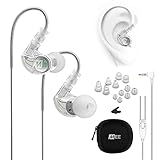
What Is Sound Isolation in Earbuds?
Ever found yourself struggling to hear your music clearly on a crowded train, or constantly turning up the volume just to block out the world? If so, you’re not alone. The ability to effectively block out external noise is a crucial feature in modern earbuds, and it’s a feature that can dramatically impact your listening experience. This is where sound isolation comes in.
Sound isolation is more than just a buzzword; it’s a technology designed to create a personal audio sanctuary, shutting out distractions and allowing you to fully immerse yourself in your audio. Whether you’re a music enthusiast, a podcast aficionado, or someone who simply needs peace and quiet, understanding sound isolation is key to choosing the right earbuds. This article will break down exactly what sound isolation is, how it works, and why it matters, helping you make an informed decision for your next earbud purchase.
Understanding Sound Isolation in Earbuds
Sound isolation in earbuds is the ability of the earbud design to physically block external noise from entering your ear canal. It’s a passive technology, meaning it doesn’t require any active components or electrical power to function. Instead, it relies on the physical properties of the earbud itself and how it interacts with your ear.
The primary goal of sound isolation is to create a seal that prevents sound waves from the outside world from reaching your eardrums. This is achieved through a combination of design elements, materials, and fit. Unlike noise cancellation, which actively uses electronics to counteract noise, sound isolation is a more straightforward approach. It’s about creating a barrier.
Key Components of Sound Isolation
Several factors contribute to the effectiveness of sound isolation in earbuds. Understanding these components will help you appreciate how different earbud designs achieve varying levels of noise reduction.
- Earbud Design and Fit: The shape and design of the earbud itself play a crucial role. In-ear earbuds (those that go into your ear canal) are generally better at sound isolation than on-ear or over-ear headphones because they create a more direct seal. The fit is also paramount. A snug and secure fit is essential for effective sound isolation.
- Eartip Materials: The material of the eartips (the part that goes into your ear) is critical. Common materials include silicone, foam, and sometimes a hybrid of both. Silicone eartips are often favored for their durability and ease of cleaning, while memory foam eartips are known for their ability to conform to the shape of your ear canal, creating a tighter seal.
- Ear Canal Seal: The most important aspect is the seal formed between the eartip and your ear canal. A good seal prevents sound waves from bypassing the earbud and reaching your eardrum directly. The better the seal, the more effective the sound isolation.
How Sound Isolation Works
The principle behind sound isolation is relatively simple: it blocks the path of external sound waves. Here’s a breakdown of the process:
- Physical Barrier: The eartip, when properly inserted, creates a physical barrier that obstructs the entry of sound waves into your ear canal.
- Airspace Reduction: The seal also minimizes the airspace within your ear canal. This helps to reduce the resonance of external sounds, making them less noticeable.
- Material Absorption: Some eartip materials, particularly memory foam, can absorb some sound energy, further reducing the amount of noise that reaches your eardrum.
The effectiveness of sound isolation is often measured in decibels (dB). A higher dB rating indicates a greater reduction in external noise. For example, earbuds with a sound isolation rating of 20dB will block out significantly more noise than those rated at 10dB.
Sound Isolation vs. Noise Cancellation
It’s important to distinguish between sound isolation and noise cancellation, as they are often confused. While both technologies aim to improve your listening experience by reducing external noise, they operate using different methods.
| Feature | Sound Isolation | Noise Cancellation |
|---|---|---|
| Mechanism | Physical barrier and seal | Active electronics that generate opposing sound waves |
| Power | Passive (no power required) | Active (requires power) |
| Effectiveness | Effective against a wide range of frequencies | More effective against constant, low-frequency noises (e.g., airplane engines, air conditioners) |
| Complexity | Simpler design | More complex design, includes microphones and processing chips |
| Cost | Generally less expensive | Generally more expensive |
| Best for | General use, blocking a wide range of ambient noises | Travel, office environments, situations with constant, low-frequency sounds |
Noise cancellation uses microphones to detect external sounds and then generates opposing sound waves to cancel them out. This technology is particularly effective at reducing low-frequency noises, such as the hum of an airplane engine or the drone of an air conditioner. However, it requires power and can sometimes introduce its own subtle artifacts into the audio. Noise cancellation is an active technology, meaning it requires power to function.
Sound isolation, on the other hand, is a passive technology. It relies on the physical design of the earbuds to block external noise. It’s generally more effective at blocking a wider range of frequencies, including higher-pitched sounds. It doesn’t require power, making it a simpler and often more affordable option.
Why Sound Isolation Matters
Sound isolation significantly enhances your listening experience in several ways:
- Improved Audio Quality: By blocking out external noise, sound isolation allows you to hear your music, podcasts, or audiobooks more clearly. You don’t have to crank up the volume to overcome the ambient noise, which can damage your hearing over time.
- Reduced Distractions: Sound isolation creates a more immersive listening experience by minimizing distractions from the outside world. This is particularly beneficial in noisy environments, such as on public transport, in busy offices, or during travel.
- Enhanced Focus: For students or those who work in environments with distractions, sound isolation can improve focus and concentration. By minimizing background noise, you can create a more conducive environment for learning or working.
- Hearing Protection: By reducing the need to increase the volume to hear your audio, sound isolation helps protect your hearing from potential damage caused by loud noises.
Factors to Consider When Choosing Earbuds with Sound Isolation
When selecting earbuds with sound isolation, several factors warrant consideration to ensure you find the best fit for your needs.
- Earbud Type: Consider whether you prefer in-ear, on-ear, or over-ear headphones. In-ear earbuds generally provide the best sound isolation due to their direct insertion into the ear canal.
- Eartip Material and Size: Experiment with different eartip materials (silicone, foam) and sizes to find the best fit for your ears. A good seal is crucial for effective sound isolation. Most earbuds come with multiple sizes of eartips.
- Fit and Comfort: Ensure the earbuds fit comfortably in your ears, even during extended use. A poor fit will not only compromise sound isolation but also cause discomfort. Try different ear tip sizes to ensure a secure and comfortable fit.
- Sound Quality: While sound isolation is essential, don’t overlook the audio quality. Look for earbuds with balanced sound profiles that deliver clear highs, mids, and lows. Read reviews to get an idea of the sound quality.
- Durability: Choose earbuds made from durable materials that can withstand regular use. Consider the build quality, especially if you plan to use them during exercise or in outdoor environments.
- Price: Determine your budget and compare the features and performance of different models within your price range. Sound isolation is a feature that can be found in a range of price points.
- Reviews and Ratings: Read reviews from other users to get insights into the real-world performance of the earbuds, including their sound isolation capabilities and overall user experience.
Tips for Maximizing Sound Isolation
Even with the best earbuds, there are steps you can take to maximize sound isolation:
- Proper Fit: Ensure the earbuds fit snugly in your ears. Experiment with different eartip sizes to find the best fit.
- Eartip Maintenance: Clean your eartips regularly to maintain a good seal. Dirt and debris can compromise sound isolation.
- Insertion Technique: Insert the earbuds correctly. Some in-ear earbuds require a slight twist or adjustment to achieve a secure seal. Memory foam eartips often benefit from being compressed before insertion to allow them to expand and conform to your ear canal.
- Volume Control: Adjust the volume to a comfortable listening level. You shouldn’t need to crank up the volume to hear your audio clearly if the sound isolation is effective.
- Consider Ambient Sound Settings: Some earbuds offer ambient sound modes that allow you to hear the outside world when needed. These settings can be useful in situations where you need to be aware of your surroundings, such as crossing the street or waiting for an announcement.
Troubleshooting Sound Isolation Issues
If you’re not getting the level of sound isolation you expect, consider these troubleshooting steps:
- Check the Fit: Make sure the earbuds are properly inserted and that you’re using the correct size eartips. Experiment with different sizes.
- Inspect the Eartips: Ensure the eartips are clean and in good condition. Replace them if they are worn or damaged.
- Test Different Environments: Evaluate the sound isolation performance in different environments. Some environments are naturally noisier than others, so the effectiveness of sound isolation may vary.
- Consider the Source Audio: Ensure the source audio is clear and free from distortion. Poor audio quality can make it harder to appreciate the benefits of sound isolation.
- Check for Earwax Buildup: Earwax buildup can affect the seal of the eartips. Clean your ears and the earbuds regularly.
- Consult Reviews: If you’re still not satisfied, refer to online reviews to see if other users have reported similar issues with your earbud model.
The Future of Sound Isolation
The technology behind sound isolation continues to evolve. We can expect to see further advancements in eartip materials, earbud designs, and the integration of both sound isolation and noise cancellation technologies.
- Hybrid Technologies: The future may see more hybrid earbuds that combine sound isolation with noise cancellation, providing the best of both worlds.
- Advanced Materials: Research into new eartip materials could lead to improved sound isolation and comfort.
- Personalized Sound: Earbud designs may adapt to individual ear shapes, optimizing sound isolation and audio performance for each user.
- Integration with AI: Artificial intelligence could play a role in optimizing sound isolation based on the user’s environment and listening preferences.
Conclusion
Sound isolation in earbuds is a valuable feature that significantly enhances your listening experience. It provides numerous benefits, including improved audio quality, reduced distractions, and enhanced focus. By understanding how sound isolation works, the factors that influence its effectiveness, and how it differs from noise cancellation, you can make informed decisions when choosing earbuds.
Proper fit, the right eartip materials, and a secure seal are all crucial for achieving optimal sound isolation. Remember to consider your specific needs and listening environments when selecting earbuds with sound isolation. With the right pair of earbuds, you can create a personal audio sanctuary, blocking out the noise of the outside world and fully immersing yourself in your audio.
Recommended Products