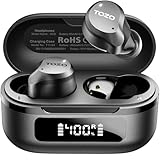
What Does Anc Do in Earbuds? A Complete Guide
Ever wondered how your earbuds manage to silence the noisy world around you, allowing you to focus on your music or podcast? The secret lies in a technology called Active Noise Cancellation, or ANC. It’s a feature that’s become increasingly popular in earbuds, promising a more immersive listening experience. But what exactly does ANC do, and how does it work its magic?
In this guide, we’ll break down everything you need to know about ANC in earbuds. We’ll explore the science behind it, the different types of ANC, its benefits, and potential drawbacks. I’ll also help you understand how to choose the best ANC earbuds for your needs. Whether you’re a seasoned audiophile or simply curious about the technology, you’ll gain a comprehensive understanding of ANC and its role in modern audio devices.
Understanding Active Noise Cancellation (anc)
Active Noise Cancellation (ANC) is a sophisticated technology designed to reduce unwanted background noise. It’s a game-changer for anyone who listens to audio in noisy environments, such as on a busy commute, in an open-plan office, or during a flight. Unlike passive noise isolation, which relies on physical barriers to block sound, ANC actively works to cancel out noise using electronic circuitry.
The Science Behind Anc: How It Works
The core principle of ANC is based on the concept of destructive interference. Sound travels in waves, and ANC uses microphones to capture these sound waves and then generates an opposite sound wave, designed to cancel out the original noise. This cancellation happens because the two waves – the original noise and the generated ‘anti-noise’ – are out of phase with each other. When they meet, they effectively neutralize each other, resulting in a quieter listening environment.
Here’s a step-by-step breakdown of the process:
- Microphones Capture Noise: External microphones on the earbuds pick up ambient noise.
- Signal Processing: A chip inside the earbuds analyzes the noise and generates an anti-noise signal.
- Anti-Noise Generation: The earbuds’ speakers emit the anti-noise signal.
- Noise Cancellation: The anti-noise signal cancels out the ambient noise, creating a quieter listening experience.
This entire process happens incredibly quickly, often within milliseconds, allowing for effective noise cancellation in real-time. The effectiveness of ANC depends on several factors, including the quality of the microphones, the processing power of the chip, and the design of the earbuds themselves.
Types of Anc
There are generally two main types of ANC used in earbuds:
- Feedforward ANC: In feedforward ANC, the microphones are placed on the outside of the earbud. They capture the ambient noise before it reaches your ear. This allows the earbuds to analyze and generate the anti-noise signal with greater accuracy, especially for higher-frequency sounds. However, it can be more susceptible to wind noise.
- Feedback ANC: With feedback ANC, the microphones are positioned inside the earbud, near the speaker. They monitor the sound that reaches your ear, including both the original noise and the anti-noise signal. This allows for more precise cancellation of lower-frequency sounds. Feedback ANC is less sensitive to wind noise but may struggle with higher frequencies.
- Hybrid ANC: Hybrid ANC combines both feedforward and feedback microphones. This approach offers the most comprehensive noise cancellation, as it can effectively handle a wider range of frequencies. Hybrid ANC earbuds tend to be more expensive but provide superior performance.
The Difference Between Anc and Passive Noise Isolation
It’s important to distinguish between ANC and passive noise isolation. Passive noise isolation, which is achieved through the physical design of the earbuds, such as the use of silicone or foam ear tips, creates a seal in your ear canal to block out external sound. This is similar to wearing earplugs. ANC, on the other hand, actively cancels out noise using electronic processing.
Here’s a table summarizing the key differences:
| Feature | Active Noise Cancellation (ANC) | Passive Noise Isolation |
|---|---|---|
| Mechanism | Uses microphones and electronic processing to generate anti-noise | Uses physical barriers (e.g., ear tips) to block sound |
| Effectiveness | More effective at canceling low-frequency sounds and consistent noises. | Effective at blocking higher-frequency sounds. |
| Power Requirement | Requires power (battery) | Doesn’t require power |
| Complexity | More complex, involves electronics | Simpler, relies on physical design |
| Cost | Generally more expensive | Generally less expensive |
Both ANC and passive noise isolation can contribute to a better listening experience. Many high-quality earbuds combine both technologies for optimal noise reduction.
Benefits of Anc in Earbuds
ANC offers a range of benefits that enhance the listening experience and provide practical advantages for everyday use.
Improved Audio Quality
By reducing background noise, ANC allows you to hear your music, podcasts, or audiobooks more clearly. You don’t have to crank up the volume to overcome external distractions, which can damage your hearing over time. This leads to a more enjoyable and safer listening experience.
Enhanced Focus and Concentration
ANC is a valuable tool for anyone who needs to focus, whether you’re working, studying, or simply trying to relax. By minimizing distractions, ANC helps you concentrate on the task at hand. This can be particularly helpful in noisy environments like offices, coffee shops, or public transportation.
Better Travel Experience
ANC is a lifesaver for frequent travelers. It can significantly reduce the droning noise of airplane engines, the rumble of trains, and other travel-related disturbances. This makes long journeys more comfortable and allows you to relax or work more effectively.
Reduced Listening Fatigue
When you’re constantly fighting against background noise, your ears work harder to process sound. This can lead to listening fatigue, making you feel tired and less attentive. ANC reduces the strain on your ears, allowing you to listen for longer periods without feeling fatigued.
Increased Situational Awareness (transparency Mode)
Many ANC earbuds feature a transparency mode, which allows you to hear the outside world without removing your earbuds. This is useful when you need to have a conversation, cross a street, or be aware of your surroundings. Transparency mode uses the external microphones to amplify ambient sounds, giving you a natural hearing experience.
Choosing the Right Anc Earbuds
Selecting the right ANC earbuds can be a daunting task, given the wide variety of options available. Here’s a guide to help you choose the best pair for your needs:
Consider Your Needs
Think about where you’ll be using your earbuds most often. If you travel frequently, excellent ANC performance is a priority. If you work in a noisy office, you’ll need earbuds that effectively block out a wide range of sounds. If you primarily listen at home, you may not need the most advanced ANC features.
Research Anc Performance
Read reviews from reputable sources to assess the ANC performance of different earbuds. Look for reviews that specifically mention how well the earbuds handle different types of noise, such as airplane engines, traffic, or office chatter. Pay attention to how well the earbuds perform in wind, as some ANC systems can be affected by wind noise.
Assess Sound Quality
While ANC is a key feature, don’t overlook sound quality. The best ANC earbuds should also provide excellent audio reproduction. Look for reviews that comment on the clarity, balance, and overall sound quality of the earbuds. Consider your preferred music genres and whether the earbuds are well-suited for them.
Check for Comfort and Fit
Comfort is crucial, especially if you plan to wear your earbuds for extended periods. Look for earbuds with different-sized ear tips to ensure a secure and comfortable fit. Consider the design of the earbuds – some people prefer in-ear models, while others prefer over-ear or on-ear headphones.
Evaluate Battery Life
ANC consumes battery power, so consider the battery life of the earbuds. Check how long the earbuds can last with ANC enabled and whether the charging case provides additional battery life. If you use your earbuds for long commutes or travel, long battery life is essential.
Consider Other Features
In addition to ANC, consider other features that may be important to you, such as:
- Transparency Mode: This allows you to hear your surroundings.
- Water Resistance: Important if you plan to use your earbuds during workouts or in wet conditions.
- Voice Assistant Integration: Allows you to control your earbuds and access information using voice commands.
- Call Quality: If you plan to use your earbuds for phone calls, check the call quality.
Set a Budget
ANC earbuds range in price, so set a budget before you start shopping. While higher-end models often offer superior ANC performance and features, there are also excellent options available at more affordable price points. Balance your needs and preferences with your budget to find the best value.
Potential Drawbacks of Anc
While ANC offers many benefits, there are also some potential drawbacks to consider:
Cost
ANC earbuds tend to be more expensive than earbuds without ANC. The technology adds to the cost of the device, so you’ll need to factor this into your budget.
Battery Consumption
ANC consumes battery power, which can reduce the battery life of your earbuds. You’ll need to consider how long the earbuds can last with ANC enabled and whether this meets your needs.
Pressure Sensation
Some people experience a pressure sensation in their ears when using ANC, especially at first. This is often due to the change in air pressure caused by the noise cancellation process. This sensation usually subsides over time, but it can be uncomfortable for some users.
Sound Quality Degradation
In some cases, the ANC processing can slightly alter the sound quality of the audio. This is more common in less-expensive models, where the processing may not be as refined. However, with high-quality ANC earbuds, this effect is usually minimal.
Wind Noise
Feedforward ANC systems can be susceptible to wind noise, which can interfere with the noise cancellation. This is less of an issue with feedback or hybrid ANC systems.
Not a Perfect Solution
ANC is not a perfect solution for all types of noise. It’s most effective at canceling out consistent, low-frequency sounds, such as the hum of an airplane engine or the drone of an air conditioner. It may be less effective at canceling out sudden or unpredictable noises, such as speech or sharp sounds.
Optimizing Your Anc Experience
Here are some tips to get the most out of your ANC earbuds:
Ensure a Proper Fit
A proper fit is crucial for optimal ANC performance. Choose the ear tips that provide the best seal in your ear canal. A good seal not only improves noise isolation but also enhances the effectiveness of the ANC.
Experiment with Anc Settings
Some ANC earbuds offer different ANC modes or levels. Experiment with these settings to find the best balance between noise cancellation and sound quality for your environment. Some earbuds also have an adaptive ANC feature that adjusts the level of noise cancellation automatically.
Clean Your Earbuds
Regularly clean your earbuds to maintain their performance and hygiene. Remove any earwax or debris that may be blocking the microphones or speakers. Use a soft, dry cloth to clean the exterior of the earbuds.
Consider the Environment
ANC is most effective in environments with consistent, low-frequency noise. In environments with unpredictable or high-frequency sounds, ANC may be less effective. Adjust your expectations accordingly.
Take Breaks
If you experience any discomfort or fatigue, take breaks from using your ANC earbuds. Give your ears a rest to prevent listening fatigue and potential ear strain.
The Future of Anc in Earbuds
ANC technology is constantly evolving, with ongoing advancements in several areas:
Improved Algorithm
Manufacturers are continuously refining the algorithms used for noise cancellation, leading to more effective and accurate noise reduction. This includes improvements in processing power and the ability to handle a wider range of frequencies.
Adaptive Anc
Adaptive ANC systems automatically adjust the level of noise cancellation based on the surrounding environment. This feature provides a more personalized and optimized listening experience.
Miniaturization
As technology advances, ANC components are becoming smaller and more efficient, allowing for more compact and lightweight earbud designs. This makes ANC earbuds more comfortable and portable.
Integration with Ai
AI is being integrated into ANC systems to enhance performance and provide more intelligent features. This includes personalized noise cancellation profiles, voice assistant integration, and the ability to learn and adapt to your listening habits.
Focus on Transparency Mode
Transparency mode is becoming an increasingly important feature, with manufacturers focusing on improving its naturalness and clarity. This allows users to seamlessly switch between immersive listening and awareness of their surroundings.
These advancements promise to make ANC earbuds even more effective, versatile, and user-friendly in the future.
Verdict
Active Noise Cancellation has revolutionized the way we listen to audio, offering a more immersive and focused experience in noisy environments. By understanding the science behind ANC, the different types available, and their respective benefits and drawbacks, you can make an informed decision when choosing the right earbuds for your needs.
From improving audio quality and enhancing focus to making travel more comfortable, ANC earbuds offer a wealth of advantages. Remember to consider factors such as your listening environment, sound quality, comfort, and battery life when making your selection. With the constant evolution of ANC technology, we can expect even more sophisticated and effective noise cancellation solutions in the years to come, making your listening experience even better.
Recommended Products