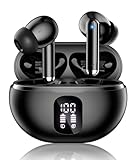
How to Connect Earbuds with Android: A Simple Guide
Hey there! If you’re anything like me, you love the freedom and convenience of wireless earbuds. Whether you’re listening to music, podcasts, or taking calls, they’ve become an essential part of our daily lives. But, let’s be honest, sometimes connecting them can feel a bit like a tech puzzle. Don’t worry, though! I’m here to walk you through the process, step by step, so you can get those earbuds paired with your Android device in no time.
This guide is designed for everyone, from tech novices to seasoned pros. We’ll cover everything from the initial pairing to troubleshooting common issues. We’ll also explore some helpful tips and tricks to maximize your listening experience. So, grab your earbuds and your phone, and let’s get started. By the end of this guide, you’ll be a connecting pro!
Understanding Bluetooth and Your Android Device
Before we jump into the connection process, it’s helpful to understand a few basics about Bluetooth. Bluetooth is a wireless technology that allows devices to communicate with each other over short distances. Think of it as a digital radio signal that lets your earbuds and phone ‘talk’ to each other. Your Android phone has a built-in Bluetooth receiver, and your earbuds have a transmitter. When you pair them, they establish a secure connection, allowing audio to flow wirelessly.
Android devices have made Bluetooth connectivity incredibly user-friendly over the years. The operating system handles most of the complex processes behind the scenes, making it easy to pair and manage your devices. However, understanding the basic principles will help you troubleshoot any problems that might arise.
Bluetooth Versions and Compatibility
Bluetooth has evolved through various versions, each offering improvements in speed, range, and power efficiency. Newer versions are generally backward compatible, meaning they can work with older devices. However, you might not get all the features and performance benefits if your devices use different Bluetooth versions. For example, Bluetooth 5.0 and later versions offer better range and faster data transfer compared to older versions like Bluetooth 4.2.
Most modern Android phones and earbuds support the latest Bluetooth versions, ensuring optimal performance. Always check the specifications of both your phone and earbuds to understand their Bluetooth capabilities. This information is usually found in the product documentation or on the manufacturer’s website.
Bluetooth Profiles: What They Are and Why They Matter
Bluetooth profiles define how different devices communicate with each other. They specify the types of data that can be exchanged and the features supported. For audio devices like earbuds, the most important profiles are:
- A2DP (Advanced Audio Distribution Profile): This profile enables the streaming of high-quality audio from your phone to your earbuds. It’s essential for listening to music, podcasts, and other audio content.
- HFP (Hands-Free Profile) and HSP (Headset Profile): These profiles support voice calls. HFP is generally more advanced and supports features like call waiting and redialing.
Make sure your earbuds and phone support these profiles for a seamless audio and calling experience. Without these profiles, your earbuds might not function correctly.
Step-by-Step Guide to Connecting Your Earbuds
Connecting your earbuds to your Android phone is usually a straightforward process. Here’s a step-by-step guide to help you:
- Enable Bluetooth on Your Android Device:
First, you need to turn on Bluetooth on your phone. There are a couple of ways to do this:
- Quick Settings: Swipe down from the top of your screen to access the Quick Settings panel. Look for the Bluetooth icon (it looks like a ‘B’ with a small wave). Tap it to turn Bluetooth on. The icon will usually change color to indicate that Bluetooth is enabled.
- Settings App: Open the Settings app on your phone. Scroll down and tap on ‘Connections’ or ‘Bluetooth & Device Connection’. Then, tap on ‘Bluetooth’. Toggle the switch to turn Bluetooth on.
- Put Your Earbuds into Pairing Mode:
Most earbuds have a specific way to enter pairing mode. This is the mode that allows them to be discovered by other devices. The method varies depending on the earbud model, so consult your user manual if you’re unsure. Here are some common methods:
- Button Press: Many earbuds have a button on the charging case or the earbuds themselves. Press and hold this button until the LED indicator starts flashing, usually blue or white. This indicates that the earbuds are in pairing mode.
- Automatic Pairing Mode: Some earbuds automatically enter pairing mode when you open the charging case for the first time or when they are turned on.
Make sure your earbuds are close to your phone during the pairing process.
- Scan for Available Devices:
With Bluetooth enabled on your phone and your earbuds in pairing mode, your phone will start scanning for available devices. On the Bluetooth settings screen, you should see a list of available devices. If your earbuds are in pairing mode, they should appear in this list.
- Select Your Earbuds:
Tap on the name of your earbuds in the list of available devices. Your phone will then attempt to connect to the earbuds. You might see a pairing request pop up on your screen. If you do, tap ‘Pair’ or ‘Accept’ to confirm the connection. Some earbuds may require a PIN code (usually ‘0000’ or ‘1234’), though this is rare nowadays.
- Connection Confirmation:
Once the connection is successful, you should see the status of your earbuds change to ‘Connected’ or something similar in the Bluetooth settings. You might also see a battery indicator showing the remaining battery life of your earbuds.
- Test the Connection:
To ensure everything is working correctly, play some audio on your phone (e.g., music, a podcast, or a YouTube video). You should hear the audio through your earbuds. If you can’t hear anything, check the volume levels on your phone and earbuds, and make sure the earbuds are selected as the audio output device.
Troubleshooting Common Connection Issues
Sometimes, the pairing process doesn’t go as smoothly as planned. Here are some common issues and how to resolve them:
Earbuds Not Appearing in the List
- Ensure Pairing Mode: Double-check that your earbuds are in pairing mode. Make sure the LED indicator is flashing.
- Proximity: Ensure your earbuds are close to your phone. Bluetooth has a limited range, usually around 30 feet (10 meters).
- Restart Devices: Try restarting both your phone and your earbuds. This can often resolve temporary glitches.
- Check for Interference: Bluetooth signals can be affected by interference from other devices, such as Wi-Fi routers or other Bluetooth devices. Try moving to a different location.
- Charging Case Issues: Make sure the charging case has enough charge. Some earbuds won’t pair if the case is dead.
Unable to Pair
- Forget Previous Connection: If you’ve previously paired your earbuds with another device, they might be trying to connect to that device instead. On the other device, turn off Bluetooth or forget the earbuds in the Bluetooth settings. On your Android phone, go to the Bluetooth settings, find your earbuds in the list of paired devices, and tap ‘Forget’ or ‘Unpair’. Then, try pairing them again.
- Update Firmware: Check if there are any firmware updates available for your earbuds. These updates often include bug fixes and performance improvements. You can usually update the firmware through a companion app provided by the earbud manufacturer.
- Factory Reset Earbuds: If all else fails, try resetting your earbuds to their factory settings. The reset procedure varies depending on the earbud model; consult your user manual for instructions.
- Compatibility Issues: Although rare, there might be compatibility issues between your earbuds and your phone. Ensure both devices support the necessary Bluetooth profiles.
Audio Issues
- Check Volume Levels: Make sure the volume is turned up on both your phone and your earbuds. Also, check the media volume in your phone’s settings.
- Select Correct Output: Ensure your earbuds are selected as the audio output device. In the Bluetooth settings, tap on the gear icon next to your earbuds to see connection settings and verify the audio device settings.
- Bluetooth Interference: As mentioned earlier, interference can sometimes affect audio quality. Try moving to a different location.
- Codec Support: Some earbuds support different audio codecs (e.g., SBC, AAC, aptX). Your phone might not support the same codec, which can affect audio quality. Check the specifications of both devices.
- Earbud Malfunction: Try using your earbuds with another device to determine if the issue is with the earbuds themselves. If they still don’t work, they might need to be repaired or replaced.
Connectivity Drops
- Distance: Ensure you are within the Bluetooth range of your phone.
- Interference: Minimize interference from other devices.
- Battery: Low battery on either the earbuds or the phone can cause connection issues.
- Firmware: Ensure the earbuds have the latest firmware.
- Reset: Try forgetting and re-pairing the earbuds.
Advanced Tips and Tricks
Once you’ve successfully connected your earbuds, here are some advanced tips to enhance your listening experience:
Using the Companion App
Many earbud manufacturers provide a companion app for your smartphone. This app often offers various features, such as:
- Customization: Adjusting equalizer settings, touch controls, and other preferences.
- Firmware Updates: Downloading and installing the latest firmware updates for your earbuds.
- Battery Status: Monitoring the battery life of your earbuds and charging case.
- Noise Cancellation: Controlling active noise cancellation (ANC) features (if your earbuds have them).
- Find My Earbuds: Locating lost earbuds (if supported by your model).
Download and install the companion app for your earbud model to take advantage of these features. Check the app store (Google Play Store) and search for the name of your earbud brand.
Managing Multiple Bluetooth Devices
Most Android phones can connect to multiple Bluetooth devices simultaneously, but only for certain profiles. For example, you can connect to your earbuds and a smartwatch at the same time. However, you can typically only stream audio to one device at a time. If you have multiple Bluetooth audio devices, you can easily switch between them in the Bluetooth settings.
To switch between audio devices, go to your Bluetooth settings and tap on the name of the device you want to use. Your phone will then connect to that device and disconnect from the previous one.
Optimizing Battery Life
Bluetooth earbuds run on battery power, so it’s important to optimize their battery life. Here are some tips:
- Turn Off Bluetooth When Not in Use: This prevents your phone from constantly searching for devices and conserves battery power.
- Use the Charging Case: Store your earbuds in the charging case when not in use. This not only protects them but also charges them.
- Disable Unnecessary Features: If your earbuds have features like active noise cancellation (ANC), turn them off when you don’t need them. ANC can drain the battery more quickly.
- Adjust Volume Levels: Listening at very high volumes can drain the battery faster.
- Update Firmware: Ensure your earbuds have the latest firmware, as updates often include battery optimization improvements.
Understanding Codecs and Audio Quality
As mentioned earlier, different audio codecs affect audio quality. The codec used for Bluetooth audio transmission determines how the audio data is compressed and transmitted. Here’s a breakdown of some common codecs:
- SBC (Subband Codec): The standard codec for Bluetooth audio. It offers decent audio quality but can be less efficient than other codecs.
- AAC (Advanced Audio Coding): A codec commonly used by Apple devices. It generally offers better audio quality than SBC.
- aptX: A codec developed by Qualcomm. It provides higher audio quality than SBC and AAC, especially for Android devices.
- aptX HD: An enhanced version of aptX that supports even higher audio quality.
- LDAC: A high-quality audio codec developed by Sony. It offers excellent audio quality but requires support from both your phone and earbuds.
To get the best audio quality, ensure your phone and earbuds support the same high-quality codec. You might be able to select the preferred codec in your phone’s developer options. However, this feature is not available on all Android devices.
Using Google Assistant or Other Voice Assistants
Many earbuds have built-in support for voice assistants like Google Assistant. This allows you to control your phone using voice commands. To use this feature:
- Enable Voice Assistant: In your earbuds’ companion app or phone settings, enable the voice assistant feature.
- Assign a Trigger: Set up a trigger, such as a double-tap, long press, or voice command, to activate the voice assistant.
- Use Voice Commands: Once activated, you can use voice commands to play music, make calls, check the weather, and more.
Consult your earbud’s user manual for specific instructions on how to set up and use the voice assistant feature.
Resetting Your Bluetooth Settings
If you’re still experiencing problems, you can try resetting your Bluetooth settings. This will clear all paired devices and reset your Bluetooth configuration to its default settings. Be aware that you will need to re-pair all your Bluetooth devices after resetting. Here’s how to do it:
- Go to Settings: Open the Settings app on your Android device.
- System Options: Tap on ‘System’ or ‘General Management’. The exact wording may vary depending on your phone model.
- Reset Options: Select ‘Reset options’.
- Reset Wi-Fi, mobile & Bluetooth: Choose ‘Reset Wi-Fi, mobile & Bluetooth’. This option will reset your Bluetooth settings without affecting other data on your phone.
- Confirm Reset: Follow the on-screen instructions to confirm the reset.
- Re-pair Devices: After the reset, you’ll need to re-pair all your Bluetooth devices, including your earbuds.
Keeping Your Earbuds in Top Condition
To ensure your earbuds last and continue to provide the best possible listening experience, consider these maintenance tips:
- Cleaning: Regularly clean your earbuds to remove earwax and debris. Use a soft, dry cloth or a cotton swab. Avoid using liquids, as they can damage the internal components.
- Charging Case: Keep the charging case clean and free of debris.
- Storage: Store your earbuds in their charging case when not in use to protect them from dust, moisture, and impact.
- Temperature: Avoid exposing your earbuds to extreme temperatures.
- Water Resistance: If your earbuds are water-resistant, be aware of their limitations. They might be splash-proof but not fully waterproof.
- Firmware Updates: Keep your earbuds updated with the latest firmware.
Maximizing Sound Quality
Beyond the connection process, here are some tips to enhance your listening experience:
- Proper Fit: Ensure your earbuds fit snugly in your ears. A good fit provides better sound isolation and improves bass response.
- Ear Tips: Experiment with different ear tips (if your earbuds have them) to find the best fit and seal.
- Equalizer Settings: Adjust the equalizer settings in your phone’s music app or the earbud’s companion app to customize the sound to your liking.
- High-Quality Audio Sources: Listen to high-quality audio files (e.g., FLAC, ALAC) or stream from music services that offer high-fidelity audio.
- Volume Levels: Avoid listening at excessively high volumes, as this can damage your hearing.
Earbud Styles and Their Features
Earbuds come in various styles, each with its own set of features. Understanding these styles can help you choose the best earbuds for your needs.
True Wireless Earbuds
These are the most popular type of earbuds, with no wires connecting the earbuds to each other or to your phone. They come with a charging case for portability and extended battery life. They are great for portability and convenience. They often include features such as noise cancellation, touch controls, and voice assistant integration.
Wireless Earbuds with a Neckband
These earbuds have a cable connecting the two earbuds, which rests around your neck. They are often more affordable than true wireless earbuds and offer longer battery life. They are a good choice if you prefer a more secure fit or if you’re concerned about losing one of the earbuds.
Wired Earbuds
While less common now, wired earbuds still offer excellent audio quality and do not require charging. They connect to your phone via a 3.5mm audio jack or a USB-C adapter. These are a great option if you prioritize sound quality and reliability.
Features to Consider
When choosing earbuds, consider these features:
- Noise Cancellation (ANC): Reduces background noise for a more immersive listening experience.
- Transparency Mode: Allows you to hear your surroundings without removing your earbuds.
- Water Resistance: Protects your earbuds from sweat and rain.
- Battery Life: Determines how long the earbuds can play audio on a single charge.
- Comfort: Find a comfortable fit for extended listening sessions.
- Touch Controls: Allow you to control music playback, answer calls, and activate voice assistants with taps and swipes.
- Voice Assistant Integration: Supports voice commands for hands-free control.
Choosing the Right Earbuds for You
The best earbuds for you depend on your individual needs and preferences. Consider these factors when making your decision:
- Budget: Earbuds range in price from budget-friendly to premium.
- Usage: Determine how you’ll primarily use your earbuds (e.g., listening to music, making calls, working out).
- Features: Prioritize the features that are most important to you (e.g., noise cancellation, water resistance, battery life).
- Fit: Ensure the earbuds fit comfortably in your ears.
- Reviews: Read reviews from other users to get an idea of the earbuds’ performance and reliability.
By considering these factors, you can find the perfect earbuds to enhance your listening experience.
Final Verdict
Connecting your earbuds to your Android device is a straightforward process, as we’ve covered in this guide. We’ve gone through the steps to help you get your earbuds paired and ready for use. Remember to enable Bluetooth, put your earbuds in pairing mode, and select them from your phone’s list of available devices. If you encounter any issues, don’t worry! We’ve also explored troubleshooting tips to resolve common problems, such as earbuds not appearing in the list, pairing failures, and audio issues.
Beyond the basic connection, we looked at how to optimize your listening experience. From managing multiple Bluetooth devices to adjusting audio codecs, companion apps, and maximizing battery life, there are numerous ways to fine-tune your setup. Make sure you regularly clean your earbuds, store them properly, and keep their firmware up to date. This will extend their lifespan and ensure they continue to deliver top-notch audio quality. Enjoy your music!
Recommended Products