How Many Types of Earbuds Are There? A Complete Guide
Ever wondered about the tiny tech marvels that let us enjoy music, podcasts, and calls on the go? I’m talking about earbuds! They’ve become an essential part of modern life, whether you’re commuting, working out, or just relaxing at home. But with so many options available, it can be a bit overwhelming to figure out which ones are right for you.
This guide will break down the different types of earbuds, exploring their features, pros, and cons. We’ll delve into the various designs, technologies, and functionalities that make each type unique. Whether you’re a seasoned audiophile or a casual listener, understanding these differences will help you make an informed decision and find the perfect pair to suit your needs and preferences. Let’s get started!
The Diverse World of Earbuds: A Comprehensive Overview
Earbuds have come a long way, evolving from simple wired contraptions to sophisticated wireless devices packed with features. The variety available can be attributed to design, technology, and intended use. Let’s explore the main categories.
1. In-Ear Earbuds (canalphones)
In-ear earbuds, also known as canalphones, are designed to fit directly into your ear canal. They create a seal that helps block out external noise, enhancing the audio experience. They are probably the most common type of earbuds.
- Design: These earbuds typically have a silicone or foam tip that inserts into the ear canal. The tips come in various sizes to ensure a comfortable and secure fit.
- Noise Isolation: The seal created by the ear tips provides excellent noise isolation, which means you can enjoy your music without distractions. This is great for crowded environments.
- Sound Quality: In-ear earbuds often deliver a more immersive sound experience, with a focus on bass and clarity, due to the close proximity of the drivers to your eardrums.
- Portability: They are incredibly compact and easy to carry around, making them ideal for travel and everyday use.
- Pros:
- Excellent noise isolation
- Compact and portable
- Good sound quality, especially bass
- Secure fit
- Cons:
- Can feel uncomfortable for some people, especially during prolonged use
- Can create a feeling of pressure in the ear
- May require frequent cleaning
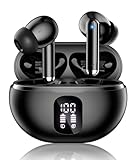
2. True Wireless Earbuds (tws)
True wireless earbuds (TWS) represent the cutting edge of earbud technology. They are entirely wireless, with no cables connecting the earbuds to each other or to your device. This offers unparalleled freedom of movement.
- Design: TWS earbuds typically come with a charging case that also serves as a storage unit. The earbuds themselves are small and lightweight, often featuring a stem or a more streamlined design.
- Connectivity: They connect to your device via Bluetooth. Pairing is usually very simple, and most models offer a stable connection.
- Features: TWS earbuds often include features like touch controls, voice assistant integration (e.g., Siri, Google Assistant), and active noise cancellation (ANC).
- Battery Life: Battery life varies depending on the model and usage, but most TWS earbuds offer several hours of playback on a single charge, with the charging case providing additional charges.
- Pros:
- Completely wireless freedom
- Compact and portable
- Often include advanced features like ANC and touch controls
- Convenient charging case
- Cons:
- Can be expensive
- Battery life can be limited
- Easy to lose one earbud
3. Wireless Earbuds (neckband)
Wireless earbuds with a neckband offer a middle ground between traditional wired earbuds and true wireless earbuds. They have a cable that connects the two earbuds, but the cable rests around your neck, eliminating the need to plug into your device.
- Design: The neckband houses the battery and other components, while the earbuds themselves are connected to the band via a wire.
- Comfort: Neckband earbuds are often more comfortable than TWS earbuds, as the weight is distributed around your neck.
- Battery Life: Neckband earbuds typically have longer battery life than TWS earbuds, as the neckband can accommodate a larger battery.
- Features: They often include features like magnetic earbuds that stick together when not in use, and in-line controls for volume and playback.
- Pros:
- Longer battery life than TWS earbuds
- More comfortable than TWS earbuds for some people
- Less likely to be lost compared to TWS earbuds
- Often more affordable than TWS earbuds
- Cons:
- The neckband can be bulky and uncomfortable for some
- Not truly wireless
- Can be less portable than TWS earbuds
4. On-Ear Earbuds
On-ear earbuds, or supra-aural headphones, sit on top of your ears rather than inside them. They are a popular choice for those who find in-ear earbuds uncomfortable or prefer a more open listening experience. However, it’s not very common to find this design in the earbud form factor.
- Design: These earbuds have a small speaker that rests on the outer ear, held in place by a hook or a more traditional earbud design.
- Comfort: They are generally more comfortable than in-ear earbuds, especially for extended use, as they don’t put pressure on the ear canal.
- Sound Quality: On-ear earbuds often provide a more open and natural sound, as they don’t create a seal. However, they may not offer as much bass as in-ear earbuds.
- Noise Leakage: They tend to leak sound, meaning others nearby can hear your music.
- Pros:
- Comfortable for extended use
- More open and natural sound
- Less pressure on the ear canal
- Cons:
- May not provide a secure fit
- Can leak sound
- May lack bass
5. Bone Conduction Earbuds
Bone conduction earbuds transmit sound through the bones of your skull, bypassing your eardrums altogether. This technology is particularly popular among athletes and people who want to remain aware of their surroundings.
- Design: These earbuds typically rest on the cheekbones, just in front of the ears. They use transducers to vibrate the bones, sending sound directly to the inner ear.
- Awareness: Bone conduction allows you to hear both your music and the ambient sounds around you, making it safer for activities like running or cycling outdoors.
- Comfort: They are often very comfortable, as they don’t go inside your ears.
- Sound Quality: While bone conduction technology has improved significantly, the sound quality is generally not as rich or detailed as that of traditional earbuds.
- Pros:
- Allows for situational awareness
- Comfortable for extended use
- Good for sports and outdoor activities
- Cons:
- Sound quality may not be as good as traditional earbuds
- Can leak sound
- May not be suitable for noisy environments
6. Open-Ear Earbuds
Open-ear earbuds are designed to sit outside the ear canal, allowing for a more natural listening experience. They are similar to on-ear earbuds, but the speaker is smaller and more compact.
- Design: These earbuds often have a hook or a clip that secures them to the outer ear.
- Comfort: They are generally very comfortable, as they don’t put pressure on the ear canal.
- Sound Quality: Open-ear earbuds provide a more open and natural sound, similar to on-ear headphones, but the sound quality often lacks the bass of in-ear models.
- Noise Leakage: They can leak sound, meaning that others nearby can hear your music.
- Pros:
- Comfortable for extended use
- Allows for situational awareness
- Lightweight and portable
- Cons:
- May not provide a secure fit
- Can leak sound
- May lack bass
7. Sports Earbuds
Sports earbuds are designed specifically for physical activity and offer features like sweat resistance, secure fit, and often, enhanced durability. There is an overlap between the designs, for example, many in-ear earbuds are marketed for sports. However, there are some unique aspects.
- Design: Sports earbuds often have a more robust design, with features like ear hooks, fins, or wings to ensure a secure fit during workouts. They are usually more water-resistant or waterproof.
- Durability: They are built to withstand sweat, moisture, and impact, making them ideal for intense workouts.
- Fit: The secure fit prevents them from falling out during movement.
- Features: May include features like heart rate monitoring, and ambient sound modes.
- Pros:
- Secure and stable fit
- Sweat and water-resistant
- Durable
- Often include advanced features
- Cons:
- Can be more expensive
- Design may not be as aesthetically pleasing
- May not be as comfortable for everyday use
8. Noise-Cancelling Earbuds
Noise-cancelling earbuds use active noise cancellation (ANC) technology to reduce background noise, creating a more immersive listening experience. This technology is particularly useful in noisy environments like airplanes, trains, or busy streets.
- Technology: ANC uses microphones to capture ambient noise, which is then analyzed and used to generate an opposing sound wave that cancels out the noise.
- Effectiveness: ANC can significantly reduce background noise, allowing you to focus on your music, podcasts, or calls.
- Features: Noise-cancelling earbuds often include a transparency mode that allows you to hear ambient sounds when needed.
- Price: Noise-cancelling earbuds tend to be more expensive than standard earbuds.
- Pros:
- Effective noise reduction
- Immersive listening experience
- Great for travel and noisy environments
- Cons:
- Can be expensive
- May not completely eliminate all noise
- Can create a slight pressure sensation in the ears
9. Wired vs. Wireless Earbuds: A Comparison
Choosing between wired and wireless earbuds involves weighing several factors. Each type has its own advantages and disadvantages.
| Feature | Wired Earbuds | Wireless Earbuds |
|---|---|---|
| Connectivity | Wired connection to a device | Bluetooth connection |
| Sound Quality | Generally good, may be slightly better at the same price point | Can be excellent, but depends on codec and quality |
| Portability | Generally less portable due to the wire | Highly portable due to the absence of wires |
| Battery Life | No battery required | Limited by battery life (TWS) or neckband battery |
| Convenience | Can be cumbersome with wires | Highly convenient, especially TWS |
| Features | Limited features | Often include advanced features like ANC, touch controls, and voice assistant integration |
| Price | Generally less expensive | Can be more expensive, especially TWS with ANC |
| Pros | Reliable connection, no charging needed, generally cheaper | Freedom of movement, advanced features, compact |
| Cons | Wires can tangle, limited features | Battery life limitations, potential for connection issues, can be expensive |
10. Earbud Features and Technologies
Beyond the basic types, earbuds incorporate various features and technologies that enhance the listening experience.
- Active Noise Cancellation (ANC): Uses microphones to detect and cancel out ambient noise.
- Transparency Mode: Allows you to hear ambient sounds without removing your earbuds.
- Bluetooth Version: Newer Bluetooth versions offer improved connectivity, range, and audio quality.
- Codec Support: Codecs like aptX and AAC affect audio quality over Bluetooth.
- Water Resistance: Measured by IPX ratings, indicating protection against water and dust.
- Touch Controls: Allow you to control playback, volume, and calls with taps or swipes.
- Voice Assistant Integration: Integration with Siri, Google Assistant, or other voice assistants.
- Multipoint Pairing: Allows you to connect to multiple devices simultaneously.
11. Factors to Consider When Choosing Earbuds
Selecting the right earbuds involves considering your individual needs and preferences.
- Intended Use: Consider how you will primarily use the earbuds (e.g., commuting, working out, casual listening).
- Sound Quality: Evaluate the importance of sound quality features like bass, clarity, and overall balance.
- Comfort: Choose a design and fit that is comfortable for extended use.
- Noise Isolation/Cancellation: Determine whether you need noise isolation or active noise cancellation.
- Battery Life: Consider how long you need the earbuds to last on a single charge.
- Features: Consider any desirable features, such as touch controls, voice assistant integration, or water resistance.
- Budget: Set a budget to narrow down your options.
- Fit: Try different ear tips to find a comfortable and secure fit.
- Reviews: Read reviews to get insights into other people’s experiences with the earbuds.
Conclusion
So, how many types of earbuds are there? As we’ve explored, the earbud landscape is diverse, offering a wide array of options to suit every need and preference. From the snug fit of in-ear canalphones to the freedom of true wireless earbuds, and from the awareness of bone conduction models to the noise-cancelling capabilities, there’s a type of earbud for everyone. The best choice for you will depend on your lifestyle, listening habits, and priorities.
By understanding the different types of earbuds and their features, you can make an informed decision and enjoy your favorite audio content with comfort and convenience. Whether you’re a music enthusiast, a podcast aficionado, or a call-taker on the go, the perfect pair of earbuds is out there waiting for you. Happy listening!
Recommended Products