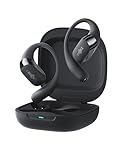
How Do Shokz Earbuds Work: A Deep Dive Into Bone Conduction
Ever wondered how those Shokz earbuds let you listen to music while still hearing the world around you? It’s pretty cool, right? Unlike traditional earbuds that sit in your ear canal, these use a technology called bone conduction. This means sound travels in a different way, bypassing your eardrums and going straight to your inner ear. I’m going to break down exactly how this works, what makes it so special, and why they’re becoming so popular.
We’ll explore the science behind bone conduction, comparing it to how regular headphones work. You’ll learn about the different components that make Shokz earbuds tick, from the transducers that convert electrical signals to vibrations, to the materials that ensure a comfortable fit. I’ll also touch on the benefits, potential drawbacks, and how to get the most out of your Shokz experience. So, let’s get started!
The Science of Sound: How We Normally Hear
Before we jump into bone conduction, let’s quickly recap how we usually hear. Sound, as you know, is vibration. When you speak, sing, or play an instrument, you create sound waves that travel through the air. These waves then hit your eardrum, causing it to vibrate.
These vibrations are then passed on to tiny bones in your middle ear – the malleus, incus, and stapes, often referred to as the hammer, anvil, and stirrup. These bones amplify the vibrations and transmit them to the cochlea, a fluid-filled, snail-shaped structure in your inner ear. Inside the cochlea are tiny hair cells that move in response to the vibrations. These hair cells convert the vibrations into electrical signals that are sent to your brain via the auditory nerve, and your brain interprets them as sound.
Traditional headphones work by sending sound waves directly into your ear canal, essentially mimicking the natural process. This can sometimes feel isolating, as you’re blocking out external sounds.
Bone Conduction: A Different Path to Your Brain
Bone conduction offers a different route for sound to reach your inner ear. Instead of relying on air vibrations and your eardrum, bone conduction headphones transmit sound through the bones of your skull, specifically the cheekbones.
Here’s a breakdown of the process:
- Transducers: Shokz earbuds contain transducers. These are tiny devices that convert electrical signals into mechanical vibrations.
- Vibration Transmission: The transducers are placed on your cheekbones, in front of your ears. When the device is turned on, these transducers vibrate.
- Bone Conduction: The vibrations travel through your cheekbones, bypassing your eardrum and the middle ear bones.
- Inner Ear Stimulation: The vibrations directly stimulate the cochlea in your inner ear, just like sound waves would.
- Brain Interpretation: The cochlea converts the vibrations into electrical signals, which are sent to your brain via the auditory nerve. Your brain then interprets these signals as sound, just as it would with sound waves entering through your ear canal.
The key takeaway is that bone conduction headphones allow you to hear sound without blocking your ear canals. This is why you can still hear ambient sounds like traffic, conversations, or your surroundings while listening to music.
Key Components of Shokz Earbuds
Let’s take a closer look at the key components that make Shokz earbuds work their magic:
- Transducers: As mentioned earlier, these are the heart of the bone conduction technology. They are carefully designed to efficiently convert electrical signals into vibrations. The quality of the transducers directly impacts the sound quality and clarity.
- Frame and Design: The frame is crucial for comfort and effective sound transmission. Shokz earbuds are designed to sit securely on your cheekbones, with a wrap-around design that ensures a stable fit, even during exercise. The materials used are lightweight and often made of titanium or similar durable materials.
- Battery: Modern Shokz earbuds have rechargeable batteries that provide a decent amount of listening time on a single charge. Battery life varies depending on the model and volume levels, but many offer several hours of playback.
- Bluetooth Connectivity: Most Shokz models connect to your devices (smartphone, tablet, etc.) via Bluetooth. This allows for wireless listening, making them ideal for activities where wires could get in the way.
- Buttons and Controls: Shokz earbuds usually have buttons for controlling volume, playing/pausing music, answering calls, and sometimes for activating voice assistants.
- Microphones: Many Shokz models include built-in microphones for taking calls. The microphone quality can vary, but they’re generally designed to pick up your voice clearly, even in noisy environments.
- Water Resistance: Many Shokz earbuds are water-resistant or even waterproof, making them suitable for workouts and outdoor activities in various weather conditions.
Advantages of Bone Conduction Technology
Bone conduction technology offers several advantages over traditional headphones:
- Situational Awareness: This is arguably the biggest benefit. Because your ears remain open, you can hear your surroundings. This is especially important for runners, cyclists, and anyone who needs to be aware of traffic or other potential hazards.
- Comfort: Shokz earbuds don’t go in your ear canal, which can be more comfortable for extended listening sessions. This eliminates the pressure and potential discomfort that some people experience with traditional earbuds.
- Hygiene: Since the earbuds don’t go into your ear canal, they are generally considered more hygienic. There’s less risk of trapping earwax and bacteria.
- Safety: The ability to hear ambient sounds makes bone conduction headphones safer in many situations. You can hear approaching cars, sirens, or other important noises.
- Hearing Aids Compatibility: Bone conduction headphones can be a good option for people who use hearing aids, as they don’t interfere with the hearing aid’s function.
Potential Drawbacks of Bone Conduction
While bone conduction has many advantages, there are some potential drawbacks to consider:
- Sound Quality: Bone conduction technology is still developing, and the sound quality may not be quite as good as high-end traditional headphones. You might notice less bass and a slightly different sound profile.
- Sound Leakage: At higher volumes, sound can leak out, which might bother people around you.
- Vibration Sensation: Some users experience a slight vibration sensation on their cheekbones, which can take some getting used to.
- Environmental Noise: In very noisy environments, it can be more challenging to hear your music clearly with bone conduction headphones.
- Fit Issues: While Shokz earbuds are designed to fit most people, some users might find that the fit isn’t perfect, especially if they have unusual head shapes or wear glasses.
Comparing Shokz Earbuds to Traditional Headphones
To better understand the differences, let’s compare Shokz earbuds to traditional in-ear and over-ear headphones:
| Feature | Shokz Bone Conduction | In-Ear Headphones | Over-Ear Headphones |
|---|---|---|---|
| Sound Transmission | Through cheekbones | Into ear canal | Over ears, creating a seal |
| Situational Awareness | Excellent | Poor to Moderate | Poor to Moderate |
| Comfort (Long-Term) | Generally good | Can vary, potential for ear fatigue | Can vary, potential for ear fatigue, heat |
| Sound Quality | Good, but can lack bass compared to others | Generally good to excellent | Generally good to excellent |
| Sound Leakage | More noticeable at high volumes | Minimal | Minimal |
| Price | Moderate | Varies widely | Varies widely |
| Best Use Cases | Running, cycling, outdoor activities, situations where situational awareness is crucial | General listening, commuting, noise isolation | Home listening, studio use, noise cancellation |
How to Choose the Right Shokz Earbuds
Choosing the right Shokz earbuds depends on your individual needs and preferences. Here are some factors to consider:
- Usage: What activities will you be using them for? If you’re a runner or cyclist, you’ll want a model designed for sports, with a secure fit and water resistance.
- Sound Quality: If sound quality is a top priority, consider reading reviews to get an idea of the bass response and overall sound profile of different models. Keep in mind that bone conduction has limitations compared to traditional headphones.
- Battery Life: How long do you need the battery to last? Consider your typical listening sessions and choose a model that meets your needs.
- Features: Do you need a built-in microphone for calls? Do you want on-ear controls for volume and music playback? Consider what features are important to you.
- Budget: Shokz earbuds are available at different price points. Determine your budget and choose a model that offers the best value for your needs.
- Fit: Ensure the model you choose fits comfortably. Some users find the fit of the wraparound design varies between different models and individual head shapes. Reading reviews regarding fit is important.
Tips for Optimizing Your Shokz Experience
Here are some tips to help you get the most out of your Shokz earbuds:
- Proper Fit: Make sure the earbuds are positioned correctly on your cheekbones, in front of your ears. Adjust the fit to ensure a secure and comfortable feel.
- Volume Levels: Experiment with different volume levels to find the sweet spot. You may need to increase the volume to overcome ambient noise. However, be mindful of sound leakage, especially in public spaces.
- Equalizer Settings: Some devices offer equalizer settings that allow you to adjust the sound profile. Experiment with these settings to find the sound that you prefer. You can often boost the bass or adjust the treble.
- Cleaning: Clean your Shokz earbuds regularly to remove sweat, dirt, and debris. Use a soft, damp cloth to wipe them down. Avoid using harsh chemicals or abrasive cleaners.
- Charging: Follow the manufacturer’s instructions for charging your earbuds. Avoid overcharging or undercharging the battery.
- Placement: For optimal sound, ensure the transducers are making good contact with your cheekbones.
Troubleshooting Common Issues
Here are some common issues you might encounter and how to troubleshoot them:
- Sound is too quiet: Increase the volume on both your device and the earbuds. Ensure the earbuds are properly positioned on your cheekbones. If you are in a noisy environment, you may need to increase the volume.
- Sound leakage: Reduce the volume. Sound leakage is more noticeable at higher volumes.
- Poor Bluetooth connection: Make sure Bluetooth is enabled on your device. Ensure the earbuds are within range of your device. Try restarting both your device and the earbuds.
- Earbuds won’t charge: Make sure the charging cable is properly connected. Check the charging port for any debris. Try a different charging cable or power source.
- Microphone issues: Ensure the microphone is not blocked. Speak clearly and directly into the microphone. Try moving to a quieter environment.
The Future of Bone Conduction
Bone conduction technology continues to evolve. We can expect to see advancements in sound quality, battery life, and design. Future iterations may also incorporate features like active noise cancellation, improved water resistance, and even more advanced health tracking capabilities. As the technology matures, bone conduction headphones are likely to become even more popular for a wider range of uses.
Final Verdict
So, there you have it – a comprehensive look at how Shokz earbuds work. They use bone conduction to deliver sound through your cheekbones, allowing you to enjoy music while staying connected to your surroundings. This makes them a great choice for activities where safety and awareness are important. While they may not be perfect for everyone, the benefits of bone conduction technology are clear, and they offer a unique listening experience. Whether you’re a runner, cyclist, or simply someone who wants to hear the world around them while listening to tunes, Shokz earbuds offer a compelling option.
Ultimately, the best way to determine if Shokz earbuds are right for you is to try them out. Consider your individual needs and preferences, and weigh the pros and cons. I encourage you to research different models, read reviews, and see how they fit. You might just find that bone conduction is the perfect way to enjoy your music and stay connected to your environment. Enjoy your listening!
Recommended Products