How Do I Connect My Earbuds to My Android Phone? Easy Guide
So, you’ve got a shiny new pair of earbuds, or maybe you’re just looking to get your old ones working again with your Android phone. You’re probably eager to enjoy your favorite tunes, podcasts, or audiobooks without the hassle of wires. The good news is, connecting your earbuds is usually a straightforward process. In this comprehensive guide, I’ll walk you through every step, from the initial pairing to troubleshooting common issues. We’ll cover both Bluetooth and wired connections, ensuring you can get your audio flowing in no time.
Whether you’re a tech novice or a seasoned user, I’ll break down the process in easy-to-understand terms. We’ll explore the different types of earbuds, how to prepare them for connection, and how to navigate your Android phone’s settings. I’ll also provide tips and tricks to maximize your audio experience and keep your earbuds connected seamlessly. Let’s get started and get those earbuds connected!
Understanding Earbud Types and Compatibility
Before we jump into the connection process, it’s important to understand the different types of earbuds and their compatibility with Android phones. This knowledge will help you troubleshoot any potential issues and ensure you get the best possible audio experience.
Bluetooth Earbuds
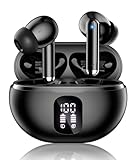
Bluetooth earbuds are by far the most popular type due to their wireless convenience. They connect to your phone via Bluetooth, eliminating the need for cables. They come in various styles, including true wireless earbuds (TWS), which have no wires at all, and neckband earbuds, which have a wire connecting the two earpieces.
Compatibility: Bluetooth earbuds are universally compatible with Android phones that support Bluetooth. Most modern Android phones have Bluetooth 4.0 or higher, ensuring a stable and efficient connection. You’ll primarily be using Bluetooth settings on your Android phone to connect and manage these earbuds.
Wired Earbuds
Wired earbuds connect to your phone via a physical cable, typically using a 3.5mm headphone jack or a USB-C port. These are often a more cost-effective option and don’t require charging. However, they lack the wireless freedom of Bluetooth earbuds.
Compatibility: The compatibility of wired earbuds depends on your Android phone’s ports. If your phone has a 3.5mm headphone jack, you can use any standard wired earbuds. If your phone only has a USB-C port, you’ll need earbuds with a USB-C connector or use a USB-C to 3.5mm adapter.
Hybrid Earbuds
Some earbuds offer both wired and wireless capabilities. These usually connect via Bluetooth but can also be used with a cable for a wired connection.
Compatibility: Hybrid earbuds offer maximum flexibility, working with both Bluetooth and wired connections. Ensure your phone supports the required ports or Bluetooth standards.
Preparing Your Earbuds for Connection
Before you attempt to connect your earbuds, there are a few preparatory steps you need to take to ensure a smooth and successful pairing process. These steps will vary slightly depending on whether you have Bluetooth or wired earbuds.
Bluetooth Earbuds: Pairing Mode
Entering Pairing Mode: Bluetooth earbuds need to be in pairing mode before your Android phone can detect them. The process for entering pairing mode varies depending on the earbud model. Typically, this involves pressing and holding a button on the earbuds or their charging case.
- True Wireless Earbuds (TWS): Open the charging case. Some models automatically enter pairing mode when the case is opened, while others require you to press a button on the case. Consult your earbud’s manual for specific instructions.
- Neckband Earbuds: Press and hold the power button or a designated pairing button on the neckband.
Indicator Lights: Look for an indicator light on your earbuds or charging case. This light will often flash blue or white when the earbuds are in pairing mode. Once paired, the light usually changes to a solid color.
Charging: Ensure your Bluetooth earbuds are sufficiently charged before attempting to pair them. Low battery levels can sometimes interfere with the pairing process. Place them in the charging case or connect them to a power source if needed.
Wired Earbuds: Plug and Play
Wired earbuds are much simpler to prepare. The process is usually: just plug and play.
- 3.5mm Headphone Jack: Simply plug the 3.5mm connector into your phone’s headphone jack.
- USB-C: Plug the USB-C connector into your phone’s USB-C port.
Adapter Check: If you’re using a USB-C to 3.5mm adapter, make sure it’s compatible with your phone. Some adapters are passive and may not work with all phones. Ensure the adapter is properly connected.
Connecting Bluetooth Earbuds to Your Android Phone
Now, let’s dive into the step-by-step process of connecting your Bluetooth earbuds to your Android phone. This process is generally the same across most Android devices, but minor variations might exist depending on your phone’s manufacturer and Android version.
Step 1: Enable Bluetooth on Your Android Phone
The first step is to enable Bluetooth on your Android phone. There are a couple of ways to do this:
- Quick Settings: Swipe down from the top of your screen to access the Quick Settings panel. Look for the Bluetooth icon (it usually looks like a ‘B’ with a small wave) and tap it to turn Bluetooth on. The icon will typically change color to indicate that Bluetooth is enabled.
- Settings App: Open the Settings app on your phone. Scroll down and tap on “Connections” or “Bluetooth & device connection”. Then, tap on “Bluetooth” to enable it.
Step 2: Access Bluetooth Settings
Once Bluetooth is enabled, you need to access the Bluetooth settings to pair your earbuds. Again, there are two primary approaches:
- Quick Settings: Long-press the Bluetooth icon in the Quick Settings panel. This will usually take you directly to the Bluetooth settings.
- Settings App: Open the Settings app and navigate to the Bluetooth settings as described above.
Step 3: Scan for Available Devices
In the Bluetooth settings, you’ll see a list of available devices. Your Android phone will automatically start scanning for nearby Bluetooth devices. If your earbuds are in pairing mode (as we discussed earlier), they should appear in the list. The list might show devices like “Earbuds Pro,” “Galaxy Buds,” or a similar name based on your earbud model.
Troubleshooting Tip: If your earbuds don’t appear in the list, ensure they are in pairing mode and close to your phone. Sometimes, moving your phone closer to the earbuds can help.
Step 4: Select Your Earbuds
Tap on the name of your earbuds in the list of available devices. Your phone will then attempt to pair with the earbuds. You might see a pairing request pop-up on your screen.
Step 5: Confirm Pairing (if Required)
Some earbuds require you to confirm the pairing request. This is usually a simple process. A pop-up will appear asking if you want to pair with the earbuds. Tap “Pair” or “OK” to confirm. You might also be asked to allow access to your contacts or media files; this is often optional, but it might be required for some features.
Step 6: Connection Confirmed
Once the pairing is successful, your earbuds will be connected to your Android phone. You’ll usually see the earbuds’ name listed under “Connected devices” or a similar heading in the Bluetooth settings. An icon next to the earbud name might also indicate the battery level.
Testing the Connection: Play some audio, such as music or a video, to verify that the connection is working. You should hear the audio through your earbuds.
Connecting Wired Earbuds to Your Android Phone
Connecting wired earbuds is a simpler process compared to Bluetooth earbuds. Here’s what you need to do:
Step 1: Locate the Appropriate Port
Identify the port on your Android phone that your wired earbuds use. This will either be a 3.5mm headphone jack or a USB-C port. Check the earbud’s connector to confirm the type.
Step 2: Plug in the Earbuds
Carefully insert the earbud’s connector into the corresponding port on your phone. Make sure the connector is fully inserted to ensure a secure connection.
Step 3: Test the Connection
Play some audio on your phone, such as music or a video. The audio should now be routed through your wired earbuds. Adjust the volume using the volume buttons on your phone or the in-line controls on the earbud cable (if applicable).
Troubleshooting Common Earbud Connection Issues
Sometimes, you might encounter issues while connecting your earbuds. Here are some common problems and their solutions:
Bluetooth Earbuds:
- Earbuds Not Appearing in the List:
- Solution: Ensure your earbuds are in pairing mode, close to your phone, and fully charged. Restart both your phone and your earbuds. Check the earbud’s manual for specific pairing instructions.
- Pairing Failed:
- Solution: Forget the earbuds in your phone’s Bluetooth settings and try pairing them again. Make sure there aren’t too many Bluetooth devices connected simultaneously, as this can sometimes cause interference. Clear the Bluetooth cache and data in your phone’s app settings.
- Sound Issues (No Sound, Distorted Sound):
- Solution: Check the volume on both your phone and the earbuds. Make sure the earbuds are properly connected. Try disconnecting and reconnecting the earbuds. Restart your phone and earbuds. Test with different audio sources to rule out source-specific problems. Update your phone’s software.
- Bluetooth Connection Drops:
- Solution: Move closer to your phone to reduce interference. Minimize obstacles between your phone and earbuds. Restart both devices. Ensure your phone’s Bluetooth is up to date.
Wired Earbuds:
- No Sound:
- Solution: Ensure the earbud connector is fully inserted. Check the volume on your phone. Test the earbuds with another device to rule out earbud issues. Clean the headphone jack or USB-C port to remove debris.
- One Earbud Not Working:
- Solution: Check the earbud cable and connector for damage. Test the earbuds with another device. Ensure the audio balance is not skewed in your phone’s settings. Clean the headphone jack or USB-C port to remove debris.
- Adapter Issues (USB-C to 3.5mm):
- Solution: Ensure the adapter is compatible with your phone. Try a different adapter. Check that the adapter is securely connected to both the phone and the earbuds.
General Tips:
- Restart Your Devices: A simple restart of your phone and earbuds can often resolve connection issues.
- Update Software: Keep your phone’s operating system and earbud firmware up to date.
- Factory Reset: As a last resort, you can factory reset your earbuds. Consult your earbud’s manual for instructions.
- Check for Interference: Avoid using your earbuds near sources of interference, such as microwave ovens or other Bluetooth devices.
Optimizing Your Earbud Audio Experience
Once you’ve successfully connected your earbuds, there are several ways to optimize your audio experience and get the most out of your listening sessions.
Volume and Equalizer Settings
Volume Adjustment: Adjust the volume using the volume buttons on your phone or the in-line controls on your earbud cable (for wired earbuds). Find a comfortable listening level that doesn’t damage your hearing.
Equalizer Settings: Most Android phones have built-in equalizer settings that allow you to customize the sound. You can usually find these settings in your phone’s sound settings or within the music app you’re using. Experiment with different presets or create custom settings to enhance the audio quality to your liking. Look for options like “Bass Boost,” “Treble Boost,” or “Vocal Enhancer.”
Codec and Bluetooth Settings (for Bluetooth Earbuds)
Codec Selection: Bluetooth audio quality depends on the codec used. Some Android phones allow you to select the Bluetooth audio codec. Higher-quality codecs like aptX or LDAC can deliver better audio. You can find these settings in the Developer Options of your phone’s settings (you might need to enable Developer Options first). Be aware that your earbuds need to support the codec you choose.
Bluetooth Connection Stability: If you experience connection drops, try changing the Bluetooth connection quality in the Developer Options. You can experiment with different settings to find the best balance between audio quality and stability.
Earbud Tips and Fit
Proper Fit: The fit of your earbuds significantly impacts audio quality. Make sure you have the right size ear tips for your ear canals. Most earbuds come with different sizes of ear tips. Experiment with different sizes to find the best fit. A good fit provides better sound isolation and improves bass response.
Cleaning: Regularly clean your earbuds to remove earwax and debris, which can affect sound quality and hygiene. Use a soft, dry cloth to clean the earbuds. Avoid using excessive moisture.
App-Specific Settings
Music Apps: Many music apps have their own audio settings that can further enhance your listening experience. Check the settings within your favorite music apps, such as Spotify, Apple Music, or YouTube Music. You might find options for adjusting the equalizer, enabling crossfade, or optimizing audio quality.
Podcast Apps: Podcast apps often have settings to improve the listening experience for spoken word content. Look for options like “Podcast speed,” “Silence trimming,” or “Volume boost” to customize your listening experience.
Advanced Tips and Tricks
Here are some advanced tips and tricks to further enhance your earbud experience:
- Use a Bluetooth Audio Receiver (for older devices): If you have an older Android phone that doesn’t have Bluetooth, or if the Bluetooth functionality is unreliable, you can use a Bluetooth audio receiver. These small devices plug into the 3.5mm headphone jack and receive audio wirelessly from your phone.
- Manage Multiple Bluetooth Connections: Some Android phones allow you to connect to multiple Bluetooth devices simultaneously. You can then switch between your earbuds and other devices, such as a Bluetooth speaker, easily.
- Use Earbud Controls: Learn the controls on your earbuds, such as how to answer calls, skip tracks, adjust volume, and activate voice assistants. This will enhance your convenience and control. Consult your earbud’s manual for specific controls.
- Customize Your Voice Assistant: If your earbuds have voice assistant support, customize the settings for your preferred voice assistant (Google Assistant, Siri, etc.) to get the most out of it.
Conclusion
Connecting your earbuds to your Android phone is a straightforward process, whether you’re using Bluetooth or wired connections. By following the steps outlined in this guide, you can quickly get your earbuds connected and start enjoying your favorite audio content. Remember to prepare your earbuds, enable Bluetooth, and scan for available devices. Troubleshooting common issues like pairing failures or sound problems is also easy with the right knowledge.
By understanding the different types of earbuds, optimizing your audio settings, and utilizing advanced tips, you can elevate your listening experience. Whether you’re commuting, working out, or simply relaxing at home, your earbuds can provide a convenient and immersive way to enjoy music, podcasts, and more. With a little bit of setup and troubleshooting, you can get those earbuds working perfectly. Now go enjoy your audio!
Recommended Products