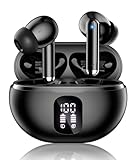
How Do I Add Earbuds to My Phone? A Simple Guide
Ever feel like you’re missing out on the full audio experience your phone offers? Whether you’re a music enthusiast, a podcast aficionado, or someone who just needs to take calls hands-free, earbuds are an essential accessory. But figuring out how to connect them to your phone can sometimes feel a bit confusing, especially with the variety of earbuds and phone models available. Don’t worry, though; it’s usually a straightforward process.
This guide will walk you through everything you need to know about adding earbuds to your phone, covering both wired and wireless options. We’ll explore the different connection methods, troubleshoot common problems, and offer some tips to make the most of your listening experience. So, let’s get started and get those earbuds connected!
Understanding the Basics: Wired vs. Wireless Earbuds
Before diving into the connection process, it’s essential to understand the two main types of earbuds: wired and wireless. Each has its own connection method and considerations.
Wired Earbuds
Wired earbuds connect to your phone via a physical cable that plugs into the headphone jack or, increasingly, the charging port (typically USB-C or Lightning, depending on your phone). They’re generally simpler to use, as you don’t need to worry about pairing or battery life. However, they can be less convenient due to the cable.
- Pros:
- Simple to use – just plug and play.
- No need to charge.
- Generally more affordable.
- Cons:
- Cable can get tangled.
- Limited mobility.
- Headphone jack is increasingly rare on newer phones, which means you may need an adapter.
Wireless Earbuds
Wireless earbuds connect to your phone via Bluetooth. They offer greater freedom of movement and often come with additional features like noise cancellation and touch controls. However, they require charging and pairing.
- Pros:
- Freedom of movement – no wires to get in the way.
- Often feature advanced functionalities like noise cancellation.
- Convenient for calls and workouts.
- Cons:
- Require charging.
- Need to be paired with your phone.
- Can be more expensive.
- Potential for Bluetooth connection dropouts.
Connecting Wired Earbuds to Your Phone
Connecting wired earbuds is usually the easiest process. Here’s a step-by-step guide:
1. Identify the Port
First, locate the headphone jack or charging port on your phone. Most older phones have a 3.5mm headphone jack. Newer phones may lack a headphone jack and instead use the charging port (USB-C for Android phones and Lightning for iPhones).
2. Plug in the Earbuds
Carefully insert the earbud’s 3.5mm jack or the appropriate connector (USB-C or Lightning) into the corresponding port on your phone. Make sure the connection is secure.
3. Test the Connection
Play some music, a podcast, or make a test call to confirm that the audio is coming through the earbuds. If you hear sound, you’re all set! If not, check the troubleshooting section below.
Adapters (if Needed)
If your phone doesn’t have a 3.5mm headphone jack, you’ll need an adapter. These adapters typically convert the charging port (USB-C or Lightning) to a 3.5mm jack. Make sure to purchase an adapter that’s compatible with your phone’s charging port. Simply plug the adapter into your phone and then plug your earbuds into the adapter.
Connecting Wireless Earbuds to Your Phone
Connecting wireless earbuds involves a few more steps, but it’s still a pretty simple process. Here’s how:
1. Charge Your Earbuds
Before you begin, make sure your wireless earbuds are charged. Most earbuds come with a charging case that you can use to charge the earbuds. Place the earbuds in the case and charge the case using the provided cable.
2. Enable Bluetooth on Your Phone
On your phone, go to the settings menu. Look for the Bluetooth option, and tap on it to turn Bluetooth on. This will enable your phone to search for nearby Bluetooth devices.
3. Put Your Earbuds in Pairing Mode
Most wireless earbuds have a pairing mode. This mode allows the earbuds to be discovered by your phone. The method for entering pairing mode varies depending on the earbud model. Common methods include:
- Pressing and holding a button on the earbuds or the charging case.
- Opening the charging case (some earbuds automatically enter pairing mode when the case is opened).
- Consulting the earbud’s manual for specific instructions.
Look for a flashing light on the earbuds, which usually indicates that they are in pairing mode.
4. Select Your Earbuds on Your Phone
Once your phone has scanned for Bluetooth devices, your earbuds should appear in the list of available devices. Tap on the name of your earbuds to connect them. Your phone may ask you to confirm the connection or enter a pairing code (usually 0000 or 1234, but check the earbud’s manual). After successful pairing, the earbuds will be connected to your phone.
5. Test the Connection
Play some music, a podcast, or make a test call to confirm that the audio is coming through the earbuds. If you hear sound, you’re all set! If not, check the troubleshooting section below.
Troubleshooting Common Problems
Sometimes, things don’t go as planned. Here are some common problems and how to solve them:
No Sound From Wired Earbuds
- Check the connection: Ensure the earbud jack is fully inserted into the port. Try wiggling the jack to see if you get a connection.
- Test with another device: Try the earbuds on another device (like a computer or another phone) to see if they work. This helps determine if the issue is with the earbuds or your phone.
- Check the volume: Make sure the volume on both your phone and the earbuds (if they have volume controls) is turned up.
- Clean the port: Debris in the headphone jack or charging port can interfere with the connection. Use a toothpick or compressed air to carefully clean the port. Be gentle!
- Restart your phone: Sometimes, a simple restart can resolve minor software glitches that might be causing the problem.
No Sound From Wireless Earbuds
- Check the battery: Make sure your earbuds are charged.
- Check Bluetooth connection: Ensure Bluetooth is turned on and that your earbuds are connected to your phone. Go to your Bluetooth settings to verify the connection.
- Forget and re-pair: Sometimes, resetting the Bluetooth connection can fix issues. Go to your Bluetooth settings, find your earbuds in the list of paired devices, and tap “Forget” or “Unpair.” Then, put your earbuds back into pairing mode and reconnect them to your phone.
- Check the earbud volume: Make sure the volume on your earbuds is turned up. Some earbuds have independent volume controls.
- Check phone volume: Make sure the volume on your phone is turned up and that the output is set to your earbuds.
- Restart your phone and earbuds: Try restarting both your phone and your earbuds.
- Check for interference: Bluetooth signals can be affected by interference from other devices. Move away from other Bluetooth devices or Wi-Fi routers to see if that improves the connection.
- Update firmware: Some earbuds have firmware updates. Check the manufacturer’s website or app to see if there are any available updates for your earbuds.
One Earbud Not Working
- Check the physical connection: If wired, make sure the jack is fully inserted. For wireless earbuds, try putting both earbuds back in the charging case and then removing them again. Sometimes, this can reset the connection.
- Balance settings: Check your phone’s audio balance settings. It’s possible that the balance is skewed to one side. Go to your phone’s sound settings and adjust the balance.
- Clean the earbuds: Debris in the earbud itself might be blocking the sound. Gently clean the earbud with a soft, dry cloth.
- Test with another device: See if the issue persists when you connect the earbuds to another device. If only one earbud works on multiple devices, the earbud itself might be faulty.
- Reset the earbuds: Some earbuds have a reset function. Consult the earbud’s manual for instructions on how to reset your specific model.
Poor Sound Quality
- Check the connection: Ensure the connection is secure for both wired and wireless earbuds.
- Adjust the volume: Try adjusting the volume on both your phone and the earbuds.
- Check for interference: Move away from potential sources of interference, such as other Bluetooth devices or Wi-Fi routers.
- Update firmware: Ensure your earbuds have the latest firmware updates.
- Try different audio sources: Play music from different apps or sources to see if the sound quality improves. The issue might be with the audio file itself.
Tips for Optimizing Your Earbud Experience
Here are some tips to help you get the most out of your earbuds:
1. Choose the Right Earbuds
Consider your needs and preferences when choosing earbuds. Think about:
- Wired vs. Wireless: Decide whether you prefer the convenience of wired earbuds or the freedom of wireless.
- Fit: Ensure the earbuds fit comfortably in your ears. Consider different ear tip sizes for a secure fit.
- Features: Consider features like noise cancellation, water resistance, and touch controls.
- Sound quality: Read reviews to understand the sound quality of different models.
2. Proper Fit for Comfort and Sound
A good fit is essential for both comfort and sound quality. Experiment with different ear tip sizes (usually included with wireless earbuds) to find the best fit. The earbuds should fit snugly in your ears without causing discomfort.
3. Clean Your Earbuds Regularly
Keep your earbuds clean to maintain sound quality and hygiene. Use a soft, dry cloth to wipe the earbuds after each use. Avoid using water or cleaning solutions, as they can damage the earbuds. You can use a cotton swab to clean the ear tips and remove any earwax.
4. Manage Battery Life (wireless Earbuds)
To extend the battery life of your wireless earbuds:
- Charge them regularly: Keep your earbuds charged by placing them back in the charging case when not in use.
- Turn off features when not needed: If your earbuds have features like noise cancellation or transparency mode, turn them off when you don’t need them.
- Adjust the volume: Higher volumes drain the battery faster.
5. Use Equalizer Settings
Most phones have equalizer settings that allow you to customize the sound. Experiment with different equalizer presets or create your own custom settings to enhance the audio experience. You can often find these settings in your phone’s sound settings or in the music app you’re using.
6. Protect Your Hearing
Be mindful of the volume level. Listening to loud audio for extended periods can damage your hearing. Keep the volume at a moderate level and take breaks from listening to give your ears a rest.
7. Update Your Earbuds’ Firmware
Keep your earbuds updated with the latest firmware. Firmware updates often include bug fixes and performance improvements. Check the manufacturer’s website or app for updates.
8. Store Your Earbuds Properly
When not in use, store your earbuds in their case or in a safe place to protect them from damage and dust. For wired earbuds, wrap the cable neatly to prevent tangling.
Earbud Features Explained
Modern earbuds come with a variety of features that can enhance your listening experience. Here’s a look at some of the most common:
Noise Cancellation
Noise cancellation uses microphones to detect and cancel out ambient noise, allowing you to focus on your audio. There are two main types: active noise cancellation (ANC), which uses electronic circuitry, and passive noise isolation, which relies on the physical design of the earbuds to block out noise. ANC is generally more effective at blocking out low-frequency sounds like airplane engines or air conditioning units.
Transparency Mode
Transparency mode allows you to hear the outside world while wearing your earbuds. It uses microphones to pass external sounds through the earbuds, making it easier to have conversations or be aware of your surroundings. This is especially useful for activities like running or cycling.
Touch Controls
Touch controls allow you to control playback, volume, and calls with taps or swipes on the earbuds. This eliminates the need to reach for your phone to control your music or answer calls.
Water Resistance
Water resistance protects earbuds from moisture, sweat, and rain. Look for an IPX rating (e.g., IPX4, IPX7) to understand the level of water resistance. The higher the number, the more resistant the earbuds are to water.
Voice Assistant Integration
Many earbuds integrate with voice assistants like Siri or Google Assistant. You can activate the voice assistant by tapping or speaking a command to control music playback, make calls, or get information.
Multipoint Pairing
Multipoint pairing allows you to connect your earbuds to multiple devices simultaneously. This means you can seamlessly switch between listening to music on your laptop and taking calls on your phone without having to disconnect and reconnect.
Choosing the Right Earbuds for Your Needs
With a wide variety of earbuds available, selecting the right pair can be overwhelming. Here’s how to narrow down your choices:
1. Consider Your Primary Use
For everyday listening: Look for earbuds that are comfortable, have good sound quality, and offer decent battery life. Wireless earbuds with touch controls and water resistance can be great for general use.
For workouts: Choose earbuds that are sweat-resistant or waterproof, have a secure fit, and offer noise isolation or noise cancellation to block out distractions. Consider earbuds with wingtips or ear hooks for added stability during exercise.
For calls: Prioritize earbuds with a good microphone quality and noise cancellation to ensure clear calls. Look for earbuds with a comfortable fit for extended use.
For travel: Noise-canceling earbuds are ideal for blocking out background noise on airplanes or trains. Consider battery life and portability when choosing travel earbuds.
2. Set a Budget
Earbud prices vary widely. Determine how much you’re willing to spend. This will help you narrow down your options and avoid overspending. Remember that higher prices don’t always mean better sound quality; read reviews to make an informed decision.
3. Read Reviews
Before purchasing earbuds, read reviews from both professional reviewers and other users. This will give you insights into the sound quality, comfort, features, and durability of different models. Pay attention to reviews that mention your specific needs, such as noise cancellation or water resistance.
4. Try Before You Buy (if Possible)
If possible, try out earbuds before you buy them. This allows you to assess the fit, comfort, and sound quality. Many retailers have demo units available for testing. If you can’t try them in person, read detailed reviews and check return policies.
The Future of Earbuds
The earbud market is constantly evolving, with new technologies and features emerging regularly. Here are some trends to watch:
1. Improved Noise Cancellation
Expect to see further advancements in noise cancellation technology, with more effective and adaptive algorithms that can block out a wider range of sounds. Adaptive noise cancellation will likely become more common, automatically adjusting to the environment.
2. Enhanced Sound Quality
Manufacturers are focusing on improved sound quality, with higher-resolution audio support, more balanced sound profiles, and better drivers. This includes the use of advanced codecs and technologies like spatial audio to create a more immersive listening experience.
3. Health and Fitness Integration
Earbuds are increasingly incorporating health and fitness features, such as heart rate monitoring, activity tracking, and even hearing health analysis. We can anticipate further integration of health sensors and data analytics in future earbud models.
4. More Sustainable Designs
Sustainability is becoming a key focus for manufacturers. Expect to see more earbuds made with recycled materials and more environmentally friendly packaging. Longer battery life and more durable designs will also contribute to sustainability.
5. Ai-Powered Features
Artificial intelligence (AI) is playing a growing role in earbud functionality. Expect to see more AI-powered features, such as personalized sound profiles, voice assistant integration, and real-time language translation.
By staying informed about these trends, you can make informed decisions when choosing new earbuds.
Verdict
Adding earbuds to your phone is a simple process, whether you’re using wired or wireless models. Understanding the connection methods, troubleshooting common issues, and following our tips will ensure you enjoy a seamless audio experience. From choosing the right earbuds to maximizing their features, you’re now equipped to enhance your listening pleasure. With the information provided, you should be able to connect your earbuds quickly and easily. Now, go ahead and immerse yourself in your favorite music, podcasts, or calls!
Recommended Products