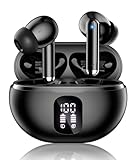
How Do Earbuds Work with Android Phone? A Comprehensive Guide
Ever wondered how those tiny earbuds manage to pump music directly into your ears, seemingly out of thin air? It’s a fascinating blend of technology, and the connection between your earbuds and your Android phone is a marvel of modern convenience. Whether you’re a music enthusiast, a podcast aficionado, or just someone who enjoys hands-free calls, understanding how this technology works can enhance your listening experience.
We’ll explore the inner workings of earbuds, focusing on their connection to Android devices. We’ll delve into the different types of earbuds, the wireless technologies they use, and the steps involved in pairing and troubleshooting. I’ll also share tips to optimize your audio quality and maintain your earbuds for long-lasting performance. Let’s get started!
The Core Components of Earbuds
Before diving into how earbuds connect to Android phones, let’s break down the essential components that make them work. Understanding these parts provides a foundation for appreciating the technology.
The Driver (speaker)
At the heart of every earbud is the driver, also known as the speaker. This tiny component converts electrical signals into sound waves. The driver typically consists of a diaphragm, a magnet, and a voice coil. When an electrical current passes through the voice coil, it interacts with the magnet, causing the diaphragm to vibrate. These vibrations create sound waves that you hear.
Different types of drivers exist, including:
- Dynamic Drivers: These are the most common type, known for their versatility and ability to produce a wide range of frequencies. They are generally affordable and found in most earbuds.
- Balanced Armature Drivers: These drivers are smaller and more efficient, often used in higher-end earbuds. They offer excellent clarity and detail, making them ideal for audiophiles.
- Planar Magnetic Drivers: These drivers use a thin diaphragm with an array of magnets to produce sound. They are known for their exceptional sound quality and are often found in over-ear headphones, but are also becoming more common in premium earbuds.
The Microphone
Most earbuds, especially those designed for phone calls and voice assistants, include a microphone. This tiny device captures your voice and converts it into electrical signals. The microphone’s sensitivity and quality determine how well others can hear you during calls or when using voice commands.
The Battery
Wireless earbuds rely on a battery to power their operation. The size and type of battery determine how long the earbuds can play music or take calls before needing a recharge. Charging cases often have built-in batteries to provide extra power on the go.
The Bluetooth Chip
The Bluetooth chip is the brain of the wireless earbud. It handles the wireless communication between the earbuds and your Android phone. This chip manages the connection, data transmission, and power management to ensure a stable and efficient connection.
The Antenna
The antenna is a small component that transmits and receives radio waves for Bluetooth communication. Its design influences the range and stability of the wireless connection.
The Eartips
Eartips are the part of the earbud that goes into your ear canal. They come in various sizes and materials (silicone, foam) to provide a comfortable fit and create a seal that enhances sound quality by blocking external noise.
How Bluetooth Works: The Wireless Connection
Bluetooth is the primary technology that enables wireless communication between your earbuds and your Android phone. Let’s understand the basics of how it works:
Radio Waves
Bluetooth uses radio waves in the 2.4 GHz ISM band (Industrial, Scientific, and Medical) to transmit data wirelessly. This frequency range is widely used and allows for a balance between range and power consumption.
Pairing
Before your earbuds can connect to your phone, you need to pair them. This process involves establishing a secure connection between the two devices. During pairing, your phone identifies the earbuds and exchanges information, allowing them to communicate securely.
Profiles
Bluetooth uses profiles to define how devices interact. For example, the A2DP (Advanced Audio Distribution Profile) profile is used for streaming high-quality audio, while the HFP (Hands-Free Profile) profile is used for phone calls.
Codecs
Codecs are algorithms used to compress and decompress audio data for transmission. Different codecs offer varying levels of audio quality and efficiency. Common Bluetooth codecs include SBC, AAC, aptX, and LDAC. The codec used depends on the capabilities of both the earbuds and the Android phone.
Connection Process
The connection process involves several steps:
- Discovery: Your Android phone scans for nearby Bluetooth devices.
- Pairing: When you select your earbuds from the list, you initiate the pairing process.
- Authentication: Your phone and earbuds exchange security keys to establish a secure connection.
- Connection Establishment: Once paired, the devices connect, and audio data can be transmitted.
Pairing Your Earbuds with Your Android Phone
Pairing your earbuds with your Android phone is a straightforward process. Here’s a step-by-step guide:
- Enable Bluetooth: On your Android phone, go to Settings and tap on “Bluetooth.” Toggle the switch to turn Bluetooth on.
- Put Earbuds in Pairing Mode: Most earbuds have a pairing mode that you activate by pressing a button on the earbuds or the charging case. Refer to your earbud’s manual for specific instructions. Usually, this involves holding a button until an LED indicator flashes.
- Scan for Devices: Your Android phone will start scanning for available Bluetooth devices.
- Select Your Earbuds: Once your earbuds appear in the list of available devices, tap on their name to select them.
- Confirm Pairing (If Needed): Some earbuds may require you to confirm the pairing process by entering a PIN or tapping a prompt on your phone.
- Connect: After successful pairing, your earbuds should connect automatically. You may see a notification on your phone indicating that the connection is established.
Tips for Successful Pairing:
- Ensure Earbuds are Charged: Make sure your earbuds have enough battery power before attempting to pair them.
- Keep Earbuds Close: Keep your earbuds close to your phone during the pairing process.
- Consult the Manual: Refer to your earbud’s manual for specific pairing instructions, as the process may vary slightly depending on the model.
Troubleshooting Common Connection Issues
Sometimes, you might encounter issues with the connection between your earbuds and your Android phone. Here are some common problems and how to resolve them:
Earbuds Won’t Pair
If your earbuds won’t pair, try the following:
- Restart Bluetooth: Turn off Bluetooth on your phone, wait a few seconds, and then turn it back on.
- Restart Earbuds: Turn off your earbuds and then turn them back on, making sure they are in pairing mode.
- Forget and Re-pair: In your Bluetooth settings, “forget” the earbuds and then try pairing them again.
- Check for Interference: Move away from potential sources of interference, such as other Bluetooth devices, Wi-Fi routers, or microwave ovens.
- Update Firmware: Check if your earbuds have any firmware updates available through their companion app.
Earbuds Disconnect Frequently
If your earbuds disconnect frequently, try these solutions:
- Check the Range: Make sure you are within the Bluetooth range of your earbuds (usually about 33 feet or 10 meters).
- Reduce Interference: Move away from potential sources of interference.
- Check the Battery: Ensure your earbuds and phone have sufficient battery power.
- Reset the Connection: Unpair and re-pair your earbuds.
- Update Bluetooth Drivers: Ensure your phone’s Bluetooth drivers are up to date.
Poor Sound Quality
If the sound quality is poor, try the following:
- Check the Codec: Ensure your earbuds and phone support a high-quality codec like aptX or LDAC. You may need to enable these codecs in your phone’s Bluetooth settings (check your phone’s manual).
- Adjust the Volume: Increase the volume on your phone and earbuds.
- Clean the Earbuds: Remove any debris or wax from the eartips and drivers.
- Equalizer Settings: Use your phone’s equalizer settings or the earbud’s companion app to adjust the sound profile.
- Check the Source: Ensure the audio source (e.g., music app, podcast) has high-quality audio files.
Optimizing Audio Quality: Codecs and Settings
To get the best audio quality from your earbuds, you need to understand the role of codecs and how to adjust your phone’s settings.
Understanding Bluetooth Codecs
Codecs are essential for transmitting audio over Bluetooth. They compress and decompress audio data, allowing for efficient wireless transmission. Different codecs offer varying levels of audio quality and efficiency. The codec used depends on the capabilities of both your earbuds and your Android phone. Here’s a quick overview:
- SBC (Subband Codec): This is the basic codec supported by all Bluetooth devices. It offers decent audio quality but is not the best.
- AAC (Advanced Audio Coding): Often used by Apple devices, AAC can provide better audio quality than SBC.
- aptX: Developed by Qualcomm, aptX offers improved audio quality compared to SBC, with lower latency. There are different versions of aptX, including aptX HD, which provides even higher-fidelity audio.
- LDAC: Developed by Sony, LDAC is a high-quality codec that supports bit rates up to 990 kbps, delivering near-lossless audio.
Choosing the Right Codec
To maximize audio quality, you want to use the best codec supported by both your earbuds and your phone. Here’s how to check and adjust your codec settings:
- Check Earbud Specifications: Consult your earbud’s manual or product page to see which codecs it supports.
- Check Android Phone Settings: Some Android phones allow you to manually select the Bluetooth codec. Go to Settings > Connections > Bluetooth, tap the gear icon next to your earbuds, and look for “Codec” or “HD Audio.” If you see options like aptX or LDAC, select the one that matches your earbuds and offers the best audio quality.
- Enable Developer Options: If you don’t see codec options in your Bluetooth settings, you may need to enable Developer options. To do this, go to Settings > About phone, and tap the “Build number” seven times. Then, go to Settings > System > Advanced > Developer options and look for “Bluetooth audio codec” or similar settings.
Equalizer Settings
Most Android phones and many music apps include equalizer settings. An equalizer allows you to adjust the frequencies of the audio to customize the sound to your preference. You can boost or cut specific frequencies to enhance certain aspects of the music, such as bass, treble, or vocals.
Experiment with different equalizer presets or create your own custom settings. You can also use the equalizer within your music app or the companion app for your earbuds.
Types of Earbuds and Their Features
Earbuds come in various types, each with its own set of features and benefits. Understanding these different types can help you choose the best earbuds for your needs.
True Wireless Earbuds
True wireless earbuds (TWS) are the most popular type. These earbuds have no wires connecting them to each other or to your phone. They connect wirelessly via Bluetooth and come with a charging case for portability and extra battery life. They are great for portability and convenience.
Wireless Earbuds (neckband)
Wireless earbuds with a neckband have a wire that connects the two earbuds and a band that rests around your neck. The neckband usually houses the battery and controls. These are often more affordable than true wireless earbuds and offer longer battery life. They are less prone to being lost.
Wired Earbuds
Wired earbuds connect to your phone via a cable. They are generally the most affordable option and don’t require charging. However, they lack the convenience of wireless earbuds and can be prone to tangling. They are a good choice if you prioritize affordability and don’t mind the wire.
Key Features to Consider
When choosing earbuds, consider the following features:
- Noise Cancellation: Active noise cancellation (ANC) uses microphones to detect and cancel out external noise, providing a more immersive listening experience.
- Transparency Mode: Transparency mode allows you to hear the outside world while wearing your earbuds, which is useful for staying aware of your surroundings.
- Water Resistance: Look for earbuds with an IPX rating to protect them from water and sweat. IPX4 is suitable for workouts, while IPX7 or higher is better for swimming.
- Battery Life: Consider the battery life of the earbuds and the charging case. Longer battery life is essential for extended use.
- Comfort: Choose earbuds with a comfortable fit and different eartip sizes to ensure a secure and comfortable listening experience.
- Microphone Quality: If you plan to use your earbuds for calls, make sure they have a good-quality microphone.
Maximizing Earbud Lifespan: Care and Maintenance
Proper care and maintenance can significantly extend the lifespan of your earbuds and ensure optimal performance. Here are some tips:
Cleaning Your Earbuds
Regularly clean your earbuds to remove dirt, earwax, and debris. Here’s how:
- Remove Eartips: Detach the eartips from the earbuds.
- Clean Eartips: Wash the eartips with mild soap and water. Rinse thoroughly and let them dry completely.
- Clean Earbud Body: Use a soft, dry cloth or a cotton swab to wipe down the earbud body. Avoid using excessive moisture.
- Clean Speaker Grills: Use a soft brush or a cotton swab to gently remove any debris from the speaker grills.
- Reassemble: Once everything is dry, reattach the eartips to the earbuds.
Charging and Storage
- Charge Regularly: Charge your earbuds regularly, even if you don’t use them often. This helps maintain the battery’s health.
- Store Properly: When not in use, store your earbuds in their charging case or a protective pouch to prevent damage.
- Avoid Extreme Temperatures: Do not expose your earbuds to extreme temperatures (too hot or too cold), as this can damage the battery and other components.
Avoiding Damage
- Protect from Water: While many earbuds are water-resistant, avoid submerging them in water unless they are specifically designed for it.
- Avoid Drops and Impacts: Handle your earbuds with care to prevent them from being dropped or subjected to impacts.
- Avoid Excessive Volume: Prolonged exposure to high volumes can damage your hearing. Listen at moderate volume levels.
Future Trends in Earbud Technology
Earbud technology continues to evolve, with exciting innovations on the horizon. Here are some trends to watch:
- Improved Noise Cancellation: Expect even more advanced noise cancellation technologies that can adapt to different environments and block out a wider range of noises.
- Enhanced Audio Quality: Manufacturers are constantly working to improve audio quality, with higher-resolution codecs, better drivers, and more sophisticated sound processing algorithms.
- Health and Fitness Features: Earbuds are increasingly incorporating health and fitness features, such as heart rate monitoring, activity tracking, and even biometric sensors.
- Spatial Audio: Spatial audio creates a more immersive listening experience by simulating the direction and distance of sounds.
- Integration with AI: Expect to see more integration with AI assistants, allowing you to control your phone and access information hands-free.
Conclusion
Understanding how earbuds work with your Android phone allows you to make informed choices, troubleshoot issues effectively, and enjoy your audio experience to the fullest. From the underlying Bluetooth technology to the various types of earbuds available, you’re now equipped with the knowledge to navigate the world of wireless audio with confidence. By following the tips for pairing, optimizing audio quality, and maintaining your earbuds, you can ensure a seamless and enjoyable listening experience for years to come. Remember to always prioritize your hearing health by listening at safe volume levels.
The connection between your earbuds and your Android phone is a testament to the power of wireless technology. The seamless pairing process, coupled with the ability to optimize audio quality and troubleshoot common issues, makes earbuds an essential accessory for many. By understanding the core components, the role of Bluetooth, and the various features available, you’re well-equipped to make the most of your listening experience.
As technology continues to advance, we can anticipate even more sophisticated and feature-rich earbuds in the future. Whether you’re a casual listener or an audiophile, the knowledge gained from this guide will help you select, use, and maintain your earbuds for a superior audio experience.
Recommended Products