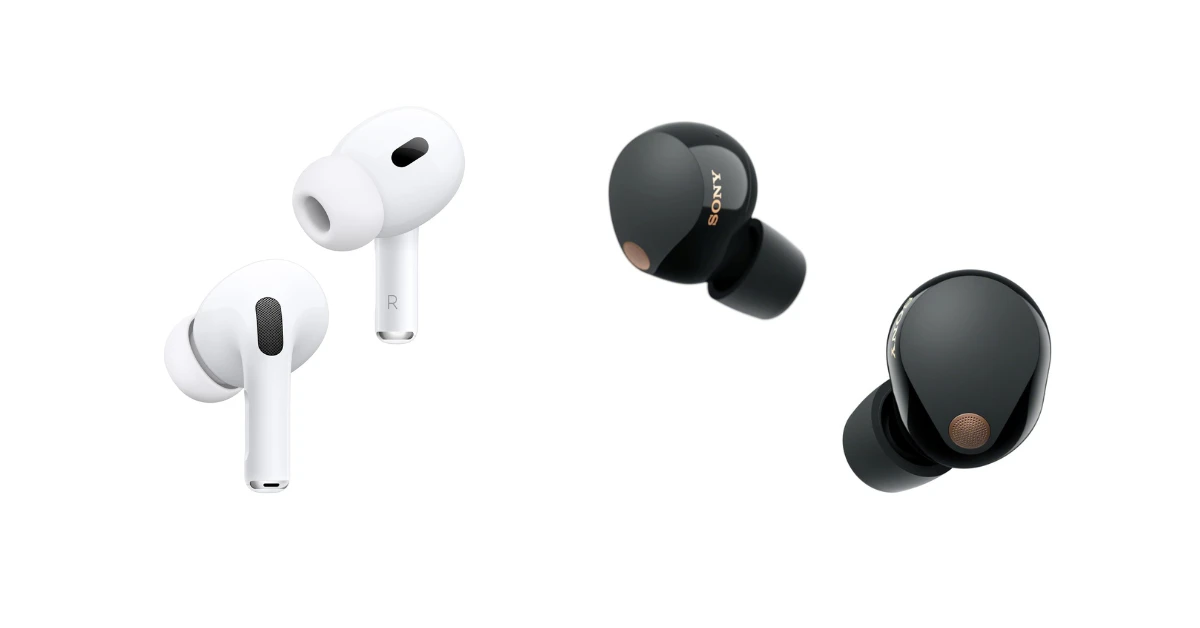
Does Wearing Earbuds Cause Headaches? Let’s Find Out
We’ve all been there: plugged in, grooving to our favorite tunes, podcasts, or audiobooks. Earbuds are incredibly convenient, a tiny portal to our sonic worlds. But have you ever felt a dull ache creeping in after a long listening session? You might be wondering, ‘Does wearing earbuds cause headaches?’ The answer, as with most things related to our health, is a bit nuanced.
Headaches, as you know, can be caused by a multitude of factors, from stress and dehydration to more serious underlying conditions. But could your trusty earbuds be contributing to the problem? In this comprehensive guide, we’ll explore the potential links between earbuds and headaches, examining the various causes, symptoms, and, most importantly, what you can do to find relief and prevent future discomfort. We’ll also unpack the science, debunk some myths, and provide practical tips to help you enjoy your audio without the pain.
So, let’s dive in and unravel the mystery behind those earbud-induced headaches and how to combat them. Get ready to learn, and get ready to listen comfortably!
The Earbud-Headache Connection: What’s the Deal?
The relationship between earbuds and headaches isn’t always straightforward. It’s often a combination of factors, rather than a single, isolated cause. Here’s a breakdown of the primary ways earbuds can trigger or exacerbate headaches:
1. Physical Pressure and Strain
One of the most common culprits is the physical pressure exerted by earbuds on your ears. Many earbuds, especially those with a rigid design or a poor fit, can press against the delicate cartilage and sensitive nerves in your ear canal. This constant pressure can lead to:
- Tension Headaches: The pressure can cause muscle tension in your jaw, neck, and head, leading to tension headaches, characterized by a dull, aching sensation.
- Trigeminal Nerve Irritation: The trigeminal nerve, responsible for sensation in your face and head, can be irritated by prolonged pressure, potentially triggering headaches.
- Temporomandibular Joint (TMJ) Issues: If you clench your jaw while wearing earbuds (often unconsciously), the pressure can affect your TMJ, contributing to headaches.
The severity of the pressure depends on the design of the earbuds, the fit, and the duration of use. Over-ear headphones often distribute pressure more evenly than in-ear earbuds, which can concentrate pressure in a smaller area.
2. Volume and Auditory Fatigue
Blasting your music at high volumes can seriously harm your hearing and contribute to headaches. Loud sounds can:
- Cause Auditory Fatigue: This is a temporary decrease in hearing sensitivity, often accompanied by tinnitus (ringing in the ears) and headaches.
- Increase Stress and Tension: Loud noises can be physically and mentally taxing, leading to increased stress and muscle tension, both of which can trigger headaches.
- Damage to the Inner Ear: Prolonged exposure to loud sounds can damage the delicate hair cells in your inner ear, leading to permanent hearing loss and potentially contributing to headaches.
The World Health Organization (WHO) recommends limiting exposure to sounds above 85 decibels for no more than eight hours a day. Many earbuds can easily exceed this level, especially at higher volumes.
3. Poor Posture and Muscle Strain
Wearing earbuds often encourages poor posture, particularly when you’re using them with a phone or computer. You might:
- Slouch: Leaning forward while looking at your phone or laptop puts strain on your neck and upper back muscles.
- Cradle Your Phone: Holding your phone between your shoulder and ear can strain your neck muscles.
- Maintain Static Positions: Remaining in one position for extended periods can lead to muscle stiffness and headaches.
This poor posture can lead to muscle tension headaches, which are characterized by a tight band-like sensation around your head.
4. Ear Infections and Inflammation
Earbuds, especially in-ear models, can trap moisture and bacteria in your ear canal, increasing the risk of ear infections. These infections can cause:
- Inflammation: Inflammation in the ear can radiate pain to the head, causing headaches.
- Ear Pain: Direct ear pain can trigger headaches, especially if the infection is severe.
- Sinus Pressure: Ear infections can sometimes lead to sinus infections, which can also cause headaches.
Proper ear hygiene and cleaning your earbuds regularly are crucial to minimizing the risk of infection.
5. Eyestrain
If you’re using earbuds while looking at a screen (phone, tablet, computer), you might be straining your eyes. This can lead to headaches.
- Focusing Fatigue: Staring at a screen for long periods forces your eye muscles to work harder, leading to eye strain.
- Dry Eyes: Prolonged screen time can reduce your blink rate, causing dry eyes, which can trigger headaches.
- Neck Strain: Often, we tilt our heads and strain our necks to see screens clearly, contributing to headaches.
6. Other Potential Causes
While less common, other factors can also contribute to earbud-related headaches:
- Allergies: Some people are allergic to the materials used in earbuds, which can trigger headaches.
- Temperature Changes: Sudden temperature changes, especially if you’re going from a warm environment to a cold one, can sometimes trigger headaches.
- Pre-existing Conditions: If you already experience headaches, wearing earbuds might exacerbate them.
Identifying the Symptoms: Is It Your Earbuds?
How do you know if your earbuds are the culprit? Here are some common symptoms to watch out for:
- Headache Location: Headaches related to earbuds often occur around the temples, forehead, or the back of the head. They can also feel like a generalized pressure or tightness.
- Headache Type: You might experience tension headaches (a dull ache), pressure headaches, or, less commonly, migraines.
- Ear Pain or Discomfort: Pain or a feeling of pressure in your ears is a strong indicator.
- Tinnitus: Ringing or buzzing in your ears can be a sign of auditory fatigue or potential hearing damage.
- Neck and Shoulder Pain: Muscle tension in your neck and shoulders, often accompanied by a headache, suggests poor posture.
- Dizziness or Lightheadedness: In some cases, headaches can be accompanied by these symptoms.
- Timing: The headaches typically start during or shortly after using your earbuds and subside when you remove them.
If you experience these symptoms consistently, it’s a good idea to consider your earbud habits and take steps to address the potential causes.
How to Prevent and Treat Earbud-Induced Headaches
Fortunately, there are several things you can do to prevent or alleviate headaches caused by your earbuds. Here’s a practical guide:
1. Choose the Right Earbuds
The type of earbuds you choose can significantly impact your comfort and the likelihood of headaches. Consider these factors:
- Fit: Ensure a snug but comfortable fit. Earbuds that are too large or too small can cause pressure and discomfort.
- Material: Look for earbuds made from hypoallergenic materials to minimize the risk of allergic reactions.
- Type:
- In-ear earbuds: Can be problematic for some due to the pressure they exert in the ear canal. Opt for smaller sizes, or consider alternatives.
- Over-ear headphones: Generally distribute pressure more evenly and are less likely to cause pressure-related headaches.
- On-ear headphones: A good middle ground, but ensure they don’t clamp too tightly.
- Adjustability: Look for earbuds or headphones with adjustable features to customize the fit.
2. Optimize Your Listening Habits
Your listening habits are crucial for preventing headaches. Follow these guidelines:
- Volume Control: Keep the volume at a moderate level. The “60/60 rule” is a good guideline: listen at no more than 60% of your device’s maximum volume for no more than 60 minutes at a time.
- Listening Time: Take breaks! Avoid prolonged listening sessions. Get up, move around, and give your ears and head a rest.
- Vary Your Audio: Switch between different types of audio content (music, podcasts, audiobooks) to avoid monotony and reduce the risk of auditory fatigue.
3. Practice Good Posture
Your posture plays a vital role in preventing muscle tension headaches. Implement these tips:
- Sit Upright: Maintain good posture while sitting. Keep your back straight, your shoulders relaxed, and your feet flat on the floor.
- Ergonomics: If you’re using earbuds while working at a computer, ensure your workstation is ergonomically set up. Position your monitor at eye level and use a comfortable chair.
- Take Breaks: Get up and move around every 30-60 minutes to stretch and relieve muscle tension.
- Stretch Your Neck and Shoulders: Regularly stretch your neck and shoulders to release tension.
4. Ear Hygiene and Earbud Maintenance
Proper ear hygiene is essential for preventing ear infections and related headaches. Follow these steps:
- Clean Your Earbuds Regularly: Use a soft, dry cloth to wipe down your earbuds after each use. Avoid using water or harsh chemicals.
- Clean Your Ears: Gently clean your ears with a soft cloth or cotton swab to remove excess wax. Avoid inserting objects deep into your ear canal.
- Avoid Sharing Earbuds: Sharing earbuds can spread bacteria and increase the risk of ear infections.
- Let Your Ears Breathe: Give your ears a break by not wearing earbuds all day.
5. Manage Stress and Hydration
Stress and dehydration can exacerbate headaches. Take care of your overall well-being:
- Manage Stress: Practice relaxation techniques like deep breathing, meditation, or yoga.
- Stay Hydrated: Drink plenty of water throughout the day. Dehydration can trigger headaches.
- Get Enough Sleep: Aim for 7-9 hours of sleep per night. Sleep deprivation can contribute to headaches.
- Eat a Balanced Diet: Maintain a healthy diet to support your overall health and reduce the likelihood of headaches.
6. Seek Professional Advice
If you experience persistent or severe headaches, it’s essential to seek medical advice. A doctor can:
- Diagnose the Cause: Determine if your headaches are related to your earbuds or another underlying condition.
- Recommend Treatment: Provide appropriate treatment options, such as pain relievers, muscle relaxants, or other therapies.
- Rule Out Serious Conditions: Ensure your headaches are not caused by a more serious medical issue.
Comparing Earbud Types: A Quick Guide
Choosing the right type of earbud can significantly impact your comfort and the likelihood of experiencing headaches. Here’s a comparison to help you choose:
| Earbud Type | Pros | Cons | Best For |
|---|---|---|---|
| In-Ear Earbuds |
|
|
|
| Over-Ear Headphones |
|
|
|
| On-Ear Headphones |
|
|
|
When to See a Doctor
While most earbud-related headaches are not serious, some situations warrant a visit to the doctor. Seek medical attention if you experience:
- Severe or sudden headaches.
- Headaches that worsen over time.
- Headaches accompanied by fever, stiff neck, or vision changes.
- Headaches that interfere with your daily activities.
- Headaches that are unresponsive to over-the-counter pain relievers.
- Any other concerning symptoms.
It’s always better to err on the side of caution when it comes to your health.
The Bottom Line
The good news? You can usually enjoy your earbuds without constant headaches. By understanding the potential causes, choosing the right earbuds, practicing good listening habits, maintaining good posture, and taking care of your overall health, you can significantly reduce your risk of earbud-related headaches. Listen smart, and listen comfortably!
Verdict
So, does wearing earbuds cause headaches? The answer is: it can. The causes are varied, ranging from physical pressure and volume levels to posture and ear hygiene. The good news is that by being mindful of your habits and taking preventative measures, you can often mitigate or even eliminate these headaches. Pay attention to your body, choose the right equipment, and listen responsibly. If you experience persistent or severe headaches, consult a healthcare professional to rule out any underlying issues.
Recommended Products