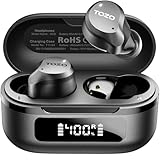
Do Noise Cancelling Earbuds Protect Hearing? The Expert Guide
We live in a world saturated with sound. From the constant hum of traffic to the chatter of coffee shops, our ears are constantly bombarded. This auditory overload can be detrimental to our hearing health. But, in this noisy world, do noise cancelling earbuds offer a shield? Are they a legitimate tool for hearing protection, or simply another gadget promising more than it delivers?
The answer, as with most things related to health, is nuanced. Noise cancelling technology has evolved significantly, but understanding how it works and its limitations is crucial. We’ll explore the science behind these earbuds, their benefits, potential drawbacks, and how to use them effectively to safeguard your hearing. This isn’t just about blocking out noise; it’s about making informed choices to preserve your auditory well-being for years to come.
The Science of Sound and Hearing Damage
Before diving into noise cancelling earbuds, let’s establish a foundation: understanding how sound affects our hearing. Sound, in its simplest form, is a vibration that travels through a medium, typically air, and reaches our ears. These vibrations are then converted into electrical signals that our brain interprets as sound. The intensity of sound is measured in decibels (dB), and prolonged exposure to high decibel levels can cause hearing damage.
The inner ear houses the cochlea, a snail-shaped structure containing thousands of tiny hair cells. These hair cells vibrate in response to sound waves, transmitting signals to the auditory nerve. Loud noises, especially those above 85 dB for extended periods, can damage these hair cells. This damage can be temporary or, in many cases, permanent, leading to noise-induced hearing loss (NIHL). NIHL is one of the most common types of hearing loss, and it’s entirely preventable.
Understanding Decibel Levels is key. Here’s a general guide:
- 0 dB: The threshold of hearing.
- 30 dB: A whisper.
- 60 dB: Normal conversation.
- 85 dB: Prolonged exposure can cause damage (e.g., heavy traffic).
- 100 dB: A chainsaw or a loud concert (brief exposure can cause damage).
- 120 dB: A jet engine (immediate damage).
The duration of exposure also plays a significant role. Even relatively loud sounds, like those from a lawnmower (around 90 dB), can damage your hearing if you’re exposed to them for hours without protection. This is why understanding the relationship between decibel levels, exposure time, and hearing damage is crucial for making informed decisions about hearing protection.
How Noise Cancelling Earbuds Work
Noise cancelling (NC) earbuds employ a fascinating combination of technology to reduce ambient noise. They don’t just passively block sound; they actively work to counteract it. Here’s the breakdown:
- Microphones: NC earbuds have tiny microphones on the outside, and sometimes inside, the earbud. These microphones constantly listen to the surrounding environment, picking up the ambient noise.
- Processing Chip: A sophisticated processing chip within the earbuds analyzes the incoming sound waves. It identifies the patterns and frequencies of the noise.
- Creating Anti-Noise: The chip then generates a sound wave that is exactly the opposite (180 degrees out of phase) of the incoming noise. This is called “anti-noise.”
- Cancellation: The anti-noise is played through the earbud’s speaker. When the anti-noise wave meets the original noise wave, they effectively cancel each other out, like two waves colliding and neutralizing. This is called destructive interference.
- Passive Noise Isolation: Beyond the active noise cancellation, NC earbuds often also feature a design that physically blocks some sound. This is passive noise isolation, achieved through the earbud’s fit and the materials used. This creates a seal in your ear canal, preventing some sound from entering in the first place.
The effectiveness of noise cancellation varies depending on the type of noise. NC earbuds are most effective at reducing low-frequency sounds, such as the rumble of an airplane engine, the hum of an air conditioner, or the drone of traffic. They’re less effective at canceling high-frequency sounds, like speech or sudden, sharp noises.
Important Note: While NC earbuds significantly reduce ambient noise, they don’t eliminate it entirely. There will always be some residual sound that filters through, especially at higher frequencies. Also, the effectiveness of NC depends on a good fit. A proper seal is crucial for the passive noise isolation component to function correctly.
Do Noise Cancelling Earbuds Protect Hearing? The Benefits
Yes, noise cancelling earbuds can contribute to hearing protection, particularly in certain environments. Here’s how:
- Reduced Exposure to Loud Sounds: The primary benefit is the reduction in overall sound levels. By cancelling out a significant portion of ambient noise, NC earbuds decrease the sound pressure reaching your eardrums. This reduces the risk of NIHL. This is especially helpful in environments with constant, moderate noise levels, such as commuting on public transport or working in a noisy office.
- Lower Volume Levels for Audio Playback: Because NC earbuds reduce external noise, you’re less likely to crank up the volume of your music or podcasts to hear them clearly. This is a critical factor in hearing protection. The louder the audio source, the greater the risk of hearing damage. NC earbuds allow you to enjoy your audio at a comfortable, safe listening level.
- Improved Focus and Concentration: By reducing distractions, NC earbuds can improve focus and concentration, which indirectly benefits your hearing health. When you’re less stressed and more relaxed, you’re less likely to experience heightened sensitivity to noise and less likely to engage in behaviors that could damage your hearing, like listening to music at excessively high volumes.
- Comfort and Convenience: NC earbuds are often more comfortable than traditional over-ear hearing protection, like earmuffs, especially for extended use. Their portability also makes them convenient for various situations, from travel to working in a coffee shop. This increased comfort and convenience can make you more likely to use them, providing consistent hearing protection.
Real-World Scenarios: Consider these examples:
- Commuting on a Train: The constant rumble of the train and the chatter of other passengers can easily exceed safe noise levels. NC earbuds can significantly reduce this noise, allowing you to listen to audio at a safe volume and protect your hearing.
- Working in an Open-Plan Office: The constant background noise of typing, conversations, and office equipment can be distracting and potentially damaging. NC earbuds create a quieter workspace, promoting focus and reducing noise exposure.
- Flying on an Airplane: Airplane engines produce significant low-frequency noise. NC earbuds are particularly effective at cancelling this type of noise, making air travel more comfortable and protecting your hearing.
Limitations and Considerations
While NC earbuds offer significant benefits, it’s essential to understand their limitations:
- Not a Replacement for Hearing Protection in Extreme Noise: NC earbuds are not designed for, nor should they be used as, a replacement for proper hearing protection in very loud environments, such as construction sites, factories, or shooting ranges. In these situations, you need dedicated hearing protection, like earmuffs or earplugs with a high Noise Reduction Rating (NRR).
- Effectiveness Varies with Noise Type: As mentioned, NC earbuds are most effective at cancelling low-frequency sounds. They may not be as effective against higher-frequency sounds, such as speech, sirens, or sudden impacts.
- Battery Life: NC earbuds require power to function. Battery life can vary depending on the model and the intensity of noise cancellation. You’ll need to remember to charge them regularly.
- Potential for Overuse: It’s possible to become overly reliant on NC earbuds, leading to a false sense of security. You might listen to audio at higher volumes than necessary, or you might not be aware of potentially dangerous noises in your environment.
- Cost: High-quality NC earbuds can be expensive. The price varies widely depending on features, brand, and sound quality.
- Safety Concerns: In some situations, it’s crucial to be aware of your surroundings. NC earbuds can reduce your awareness of ambient sounds, which could be dangerous in traffic, while walking, or when operating machinery. Some earbuds offer “transparency mode” or “ambient sound mode,” which allows you to hear external sounds.
Important Safety Tip: Never use NC earbuds at high volumes in situations where you need to be aware of your surroundings, such as while driving or cycling. Always prioritize your safety.
Choosing and Using Noise Cancelling Earbuds for Hearing Protection
To maximize the hearing protection benefits of NC earbuds, consider these factors:
- Noise Reduction Rating (NRR): While not the primary focus, the NRR can provide an indication of the passive noise reduction capabilities of the earbuds. A higher NRR means better passive noise isolation. However, remember that the primary benefit of NC earbuds comes from active noise cancellation, not passive isolation.
- Fit and Comfort: A proper fit is essential for both comfort and effective noise cancellation. Choose earbuds with various ear tip sizes to ensure a snug and secure fit. Comfort is also important, especially if you plan to wear them for extended periods.
- Sound Quality: While hearing protection is the primary goal, sound quality is still important. Choose earbuds that deliver clear and balanced audio for an enjoyable listening experience.
- Battery Life: Consider the battery life of the earbuds, especially if you plan to use them for long periods. Look for models with a long battery life or a charging case that provides multiple charges.
- Transparency Mode: If you need to be aware of your surroundings, choose earbuds with a transparency mode. This feature allows you to hear external sounds without removing the earbuds.
- Volume Limiting: Some earbuds offer volume limiting features, which can prevent you from exceeding a safe listening level. This is an excellent feature for hearing protection.
How to Use NC Earbuds Effectively for Hearing Protection:
- Choose the Right Ear Tips: Experiment with different ear tip sizes to find the best fit for your ears. A good seal is crucial for effective noise cancellation.
- Use Them in Noisy Environments: Wear your NC earbuds in environments with moderate to high noise levels, such as public transport, offices, or airplanes.
- Keep the Volume Low: Even with noise cancellation, avoid listening to audio at excessively high volumes. Aim for a comfortable listening level where you can still hear some of your surroundings.
- Take Breaks: Give your ears a break from the noise and the earbuds. Remove them periodically, especially if you’re using them for several hours.
- Be Aware of Your Surroundings: If you need to be aware of your surroundings, use transparency mode or remove the earbuds entirely.
- Consider Regular Hearing Tests: If you’re concerned about your hearing, consult an audiologist for regular hearing tests.
Comparing Noise Cancelling Earbuds to Other Hearing Protection
It’s helpful to compare noise cancelling earbuds to other forms of hearing protection to understand their place in your hearing health strategy. Here’s a table comparing different options:
| Hearing Protection Type | Pros | Cons | Best Use Cases |
|---|---|---|---|
| Noise Cancelling Earbuds |
|
|
|
| Foam Earplugs |
|
|
|
| Reusable Earplugs |
|
|
|
| Earmuffs |
|
|
|
Key Takeaway: Noise cancelling earbuds are an excellent tool for protecting your hearing in many everyday situations. However, they are not a substitute for proper hearing protection in very loud environments. Choose the right type of hearing protection based on the noise level and the specific activity. A multi-layered approach, combining NC earbuds with other forms of protection when needed, offers the best strategy for preserving your hearing health.
The Future of Noise Cancelling Technology and Hearing Protection
The technology behind noise cancelling earbuds is continually evolving. We can anticipate several advancements in the coming years:
- Improved Noise Cancellation: Expect even more sophisticated algorithms to cancel a wider range of frequencies, including higher-pitched sounds.
- Enhanced Transparency Modes: Transparency modes will likely become more refined, providing a more natural and seamless integration with the surrounding environment.
- Personalized Audio: Earbuds may adapt to your individual hearing profile, optimizing the sound for your specific needs and preferences.
- Integration with Health Tracking: Future earbuds could potentially monitor your noise exposure levels and provide feedback to help you manage your hearing health.
- Sustainable Design: Manufacturers are increasingly focusing on sustainable materials and designs, minimizing the environmental impact of their products.
These advancements will further enhance the hearing protection capabilities of NC earbuds, making them an even more valuable tool in the fight against noise-induced hearing loss. As technology progresses, it’s crucial to stay informed about the latest developments and how they can benefit your hearing health.
Final Verdict
Noise cancelling earbuds are a valuable addition to your hearing protection toolkit. They excel at reducing ambient noise and enabling safer listening levels, making them ideal for everyday use in moderately noisy environments. They’re particularly beneficial for commuting, working in offices, and air travel, offering a convenient way to protect your hearing. However, it’s essential to understand their limitations. They are not a replacement for specialized hearing protection in extremely loud settings. By combining NC earbuds with other forms of hearing protection when necessary, and by practicing safe listening habits, you can take proactive steps to safeguard your hearing and enjoy clear sound for years to come. Prioritize your hearing health by making informed choices about your sound environment and the tools you use to interact with it. Your ears will thank you.
Recommended Products