Do Earbuds Work as Ear Plugs? A Comprehensive Guide
Ever found yourself in a noisy environment, wishing for a quick and easy way to quiet the world? Maybe you’re on a crowded train, trying to focus at a loud coffee shop, or just need a good night’s sleep. You might have considered reaching for your earbuds, thinking, ‘Hey, do earbuds work as ear plugs?’ It’s a common thought, and the answer, as with many things, is a bit nuanced.
We’ll explore the effectiveness of using earbuds as earplugs, considering their design, materials, and how they stack up against dedicated hearing protection. We’ll look at the pros and cons, potential risks, and whether your favorite pair of earbuds can truly provide the peace and quiet you crave. This guide will provide you with all the information you need to make an informed decision about using earbuds for noise reduction.
So, let’s dive in and find out if your earbuds are up to the task of protecting your ears from unwanted noise.
The Basics: Earbuds vs. Earplugs
Before we delve into the specifics, let’s clarify the fundamental differences between earbuds and earplugs. Understanding these distinctions is crucial to assessing their effectiveness as noise-reducing devices.
Earbuds: Designed for Audio
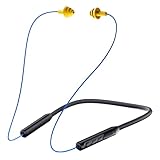
Earbuds, in their simplest form, are small audio devices designed to be inserted into the ear canal or sit just outside it. Their primary function is to deliver sound from a connected device, such as a smartphone, tablet, or music player. They come in various designs, including in-ear, on-ear, and over-ear styles, with in-ear being the most relevant for our discussion.
Key features of earbuds:
- Sound Delivery: Their main purpose is to transmit audio signals.
- Materials: Typically made from plastic, rubber, and metal. The ear tips, which make contact with the ear canal, are usually made from silicone, foam, or rubber.
- Fit: Designed to fit comfortably in the ear, but not necessarily to create a tight seal for noise isolation.
Earplugs: Designed for Noise Reduction
Earplugs, on the other hand, are specifically engineered to block or reduce the transmission of sound waves into the ear canal. They are a form of hearing protection, used to minimize the risk of noise-induced hearing loss (NIHL) in various environments.
Key features of earplugs:
- Noise Reduction Rating (NRR): Earplugs are rated for their ability to reduce noise levels, measured by their NRR value.
- Materials: Made from materials that effectively block sound, such as foam, silicone, or wax.
- Fit: Designed to create a tight seal within the ear canal, blocking sound waves from entering.
How Earbuds Function (or Don’t) as Earplugs
The effectiveness of earbuds as earplugs hinges on their design and the type of noise environment you’re in. While they can offer some level of noise reduction, they’re generally not as effective as dedicated earplugs.
Passive Noise Isolation
Most earbuds, especially those with a snug fit, offer some degree of passive noise isolation. This means they physically block some external sound waves from reaching your eardrum. The extent of this isolation depends on several factors:
- Ear Tip Material: Silicone ear tips often provide a better seal than hard plastic ones. Foam ear tips, which expand to fit the ear canal, generally offer the best passive noise isolation.
- Fit: A good fit is crucial. If the earbud doesn’t create a tight seal, sound can leak around it, reducing its effectiveness.
- Earbud Design: In-ear earbuds typically provide better passive noise isolation than on-ear or over-ear models, as they sit directly in the ear canal.
Active Noise Cancellation (anc)
Some earbuds feature active noise cancellation (ANC) technology. ANC works by using microphones to detect external noise and then generating opposing sound waves to cancel it out. This can significantly reduce ambient noise, making these earbuds more effective at noise reduction than those without ANC. However, it’s essential to note a few points:
- ANC Performance: ANC is most effective at reducing low-frequency sounds, such as the rumble of an airplane engine or the hum of an air conditioner. It may be less effective against high-frequency sounds, such as speech or sharp noises.
- Battery Life: ANC requires power, so using it will drain your earbud’s battery faster.
- Potential for Discomfort: Some users may experience a feeling of pressure or discomfort with ANC enabled.
Limitations of Earbuds as Earplugs
Despite their potential for noise reduction, earbuds have several limitations when used as earplugs:
- Lower NRR: Earbuds, even those with ANC, typically have a lower Noise Reduction Rating (NRR) than dedicated earplugs.
- Fit Variability: The fit of earbuds can vary depending on the individual’s ear shape and the earbud design, impacting noise isolation.
- Sound Quality Degradation: While some earbuds perform well, using them for noise reduction can negatively affect the sound quality of the audio you might want to listen to later.
- Potential for Misuse: Earbuds are primarily designed for audio playback. Over-reliance on them for noise reduction might lead to insufficient hearing protection in noisy environments.
Comparing Earbuds and Earplugs: A Detailed Look
To better understand the differences, let’s compare earbuds and earplugs side-by-side.
| Feature | Earbuds | Earplugs |
|---|---|---|
| Primary Function | Audio playback | Hearing protection |
| Noise Reduction | Passive isolation and/or Active Noise Cancellation (ANC) | High Noise Reduction Rating (NRR) |
| Materials | Plastic, rubber, silicone, foam | Foam, silicone, wax |
| Fit | Designed for comfort and audio delivery | Designed for a tight seal in the ear canal |
| NRR (Typical Range) | 5-25 dB (depending on ANC and fit) | 15-35+ dB |
| Cost | Varies widely, from inexpensive to premium | Generally inexpensive |
| Durability | Varies, can be susceptible to damage | Durable, reusable or disposable |
| Use Cases | Listening to music, podcasts, calls | Workplace, concerts, travel, sleep |
When Earbuds Might Suffice (and When They Won’t)
Deciding when to use earbuds as earplugs depends on the noise level and duration of exposure. Here’s a guide to help you decide:
Situations Where Earbuds Might Be Adequate
- Low-Level Noise: In a relatively quiet environment, such as a library or a moderately busy office, earbuds might provide enough noise reduction.
- Short-Term Exposure: For brief periods of exposure to moderate noise, such as on a train or in a coffee shop, earbuds can offer some relief.
- ANC for Specific Noises: If you need to reduce low-frequency sounds (e.g., airplane engine) and have ANC earbuds, they can be helpful.
Situations Where Dedicated Earplugs Are Necessary
- High-Noise Environments: In environments with loud machinery, construction sites, or concerts, dedicated earplugs are essential to protect your hearing.
- Prolonged Exposure: For extended periods in noisy environments, earplugs are crucial to prevent hearing damage.
- Workplace Safety: In workplaces with noise hazards, earplugs or other hearing protection are often required by safety regulations.
- Sleep: When trying to sleep in a noisy environment, earplugs are often more effective and comfortable than earbuds.
Potential Risks and Considerations
Using earbuds as earplugs, especially in noisy environments, comes with some potential risks:
- Hearing Damage: Insufficient noise reduction can lead to temporary or permanent hearing loss, especially with prolonged exposure to loud sounds.
- Ear Infections: Using earbuds for extended periods can trap moisture and bacteria in the ear canal, increasing the risk of ear infections.
- Earwax Buildup: Earbuds can push earwax further into the ear canal, potentially causing blockages and discomfort.
- Lack of Awareness: Reduced awareness of surrounding sounds can be a safety hazard, particularly in traffic or other situations where situational awareness is crucial.
- Volume Control: The temptation to increase the volume to overcome external noise can further damage your hearing.
Alternatives to Earbuds for Noise Reduction
If you need better noise reduction than earbuds can offer, consider these alternatives:
- Foam Earplugs: Inexpensive, disposable, and offer a high NRR. They are ideal for various noisy environments.
- Silicone Earplugs: Reusable, washable, and available in various styles. Good for moderate noise levels.
- Wax Earplugs: Moldable and comfortable, offering a good seal for noise reduction.
- Custom-Molded Earplugs: Designed to fit your ear canal perfectly, providing superior comfort and noise reduction.
- Earmuffs: Over-ear devices that completely enclose the ears, suitable for high-noise environments.
Tips for Using Earbuds Safely (if You Choose To)
If you decide to use earbuds for noise reduction, follow these tips to minimize risks:
- Choose the Right Fit: Ensure your earbuds fit snugly and create a good seal in your ear canal. Experiment with different ear tip sizes.
- Use ANC Wisely: If your earbuds have ANC, use it in appropriate situations, but be mindful of battery life and potential discomfort.
- Limit Exposure Time: Avoid prolonged exposure to loud noise, even with earbuds. Take breaks in quiet environments.
- Control the Volume: Keep the volume at a safe level, even when using ANC. Avoid turning it up to overcome external noise.
- Clean Your Earbuds Regularly: Clean your earbuds and ear tips to prevent the buildup of bacteria and wax.
- Be Aware of Your Surroundings: Stay aware of your surroundings, especially in traffic or other potentially hazardous situations.
- Consider Dedicated Hearing Protection: For noisy environments, use dedicated earplugs or earmuffs.
- Consult a Professional: If you have concerns about your hearing, consult an audiologist or other healthcare professional.
Final Verdict
So, do earbuds work as ear plugs? The answer is: it depends. While earbuds can offer some level of noise reduction, particularly those with active noise cancellation, they are generally not as effective as dedicated earplugs. They might be suitable for low-level noise environments or short-term exposure, but for anything more demanding, dedicated hearing protection is the safer and more effective choice. Protecting your hearing is essential, and understanding the limitations of earbuds in this context is the first step toward making informed decisions about your auditory health. Consider your environment, the noise levels, and the duration of exposure when deciding whether to use earbuds or dedicated earplugs. Your ears will thank you.
Recommended Products