Do Earbuds or Headphones Sound Better? A Comprehensive Guide
Choosing between earbuds and headphones can feel like navigating a sonic labyrinth. Both offer a pathway to audio bliss, but they take different routes. You’re probably wondering which one delivers the superior listening experience. The answer isn’t a simple ‘this is better,’ because it depends on your priorities, your lifestyle, and, of course, your ears.
We’re going to explore the strengths and weaknesses of each, looking at sound quality, comfort, portability, and price. Think of it as a deep dive into the world of personal audio, helping you make an informed decision and finally answer the question: do earbuds or headphones sound better for you?
Get ready to unravel the mysteries of frequency response, soundstage, and noise isolation. By the end, you’ll be equipped to choose the perfect audio companion for your everyday adventures.
Understanding the Core Differences: Earbuds vs. Headphones
Before we get into the nitty-gritty of sound quality, let’s establish the fundamental distinctions between earbuds and headphones. These differences influence everything from the way the audio sounds to how comfortable they are to wear.
Earbuds: The Compact Champions
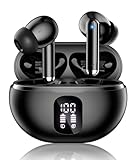
Earbuds, also known as earphones, are small, portable audio devices that sit inside your outer ear. They come in various styles, including:
- In-Ear Monitors (IEMs): These fit snugly into your ear canal, often with silicone or foam tips for a secure fit and enhanced noise isolation.
- True Wireless Earbuds: These are completely wireless, connecting to your device via Bluetooth and featuring a charging case.
- Earbuds (Standard): These are the classic, often inexpensive earbuds that rest in the outer ear without going into the ear canal.
Key Advantages of Earbuds:
- Portability: Their small size makes them incredibly easy to carry around.
- Discreetness: They are less noticeable than headphones, making them ideal for public transport or the office.
- Convenience: True wireless earbuds offer the ultimate freedom of movement, with no wires to tangle.
Key Disadvantages of Earbuds:
- Sound Quality Limitations: Smaller drivers and less effective noise isolation can impact sound quality.
- Fit and Comfort: Finding the right fit can be tricky, and some people find them uncomfortable for extended wear.
- Battery Life (True Wireless): Battery life can be a concern with true wireless earbuds, requiring frequent charging.
Headphones: The Immersive Experience
Headphones come in various forms, designed to cover or surround your ears. The most common types include:
- Over-Ear Headphones (Circumaural): These headphones fully enclose your ears, creating a seal that enhances sound quality and noise isolation.
- On-Ear Headphones (Supra-aural): These headphones rest on your ears, offering a balance between portability and sound quality.
- Open-Back Headphones: These headphones have an open design that allows air to pass through the earcups, resulting in a more natural soundstage but offering less noise isolation.
- Closed-Back Headphones: These headphones have a sealed design, providing better noise isolation and preventing sound leakage.
Key Advantages of Headphones:
- Superior Sound Quality: Larger drivers and better noise isolation often lead to a richer, more detailed sound.
- Comfort (Over-Ear): Over-ear headphones can be very comfortable for extended listening sessions.
- Noise Isolation: Closed-back headphones excel at blocking out external noise.
Key Disadvantages of Headphones:
- Portability: Headphones are generally larger and less portable than earbuds.
- Bulkiness: Over-ear headphones can be bulky and may not be ideal for all situations.
- Heat: Over-ear headphones can cause your ears to get warm, especially in warmer climates.
Sound Quality Showdown: Earbuds vs. Headphones
Sound quality is often the primary factor when choosing between earbuds and headphones. Let’s break down the key elements that contribute to the sonic experience.
Frequency Response: The Range of Sound
Frequency response refers to the range of frequencies a device can reproduce. A wider frequency response generally means the device can produce a more complete and accurate sound. The human hearing range is approximately 20 Hz to 20 kHz. Ideally, your audio device should cover this range.
Headphones typically offer a wider and more consistent frequency response due to their larger drivers. This allows them to reproduce a fuller range of frequencies, from deep bass to crisp highs. Earbuds, especially smaller ones, can sometimes struggle to reproduce the full bass range effectively.
Soundstage: The Illusion of Space
Soundstage is the perception of the width and depth of the sound. A good soundstage makes you feel like you’re listening to music in a room rather than having the sound directly in your ears.
Open-back headphones are known for their excellent soundstage. The open design allows sound to escape and interact with the environment, creating a more spacious and natural listening experience. Closed-back headphones and earbuds generally have a narrower soundstage, as the sound is more contained.
Bass: The Low-End Punch
Bass is the low-frequency component of sound. It gives music its depth and impact. The ability to reproduce accurate and powerful bass is crucial for genres like electronic music, hip-hop, and rock.
Headphones, particularly over-ear models, often excel at producing deep, impactful bass due to their larger drivers and better seal. Earbuds can sometimes struggle to deliver the same level of bass, although this varies greatly depending on the model and design. IEMs (In-Ear Monitors), with their snug fit, can provide surprisingly good bass response.
Clarity and Detail: Hearing the Nuances
Clarity and detail refer to the ability of a device to reproduce the subtleties and nuances of the music. This includes the ability to hear individual instruments, vocals, and other sonic elements clearly.
Headphones, with their larger drivers and often superior build quality, typically offer better clarity and detail. Earbuds can be good, but the smaller drivers and potential for sound leakage can sometimes result in a less detailed sound.
Noise Isolation and Leakage: Keeping the Sound in (and Out)
Noise isolation is the ability of a device to block out external noise. Sound leakage is the amount of sound that escapes from the device and can be heard by others.
Noise Isolation: Blocking Out the World
Headphones, especially closed-back over-ear models, generally offer excellent noise isolation. The earcups create a seal around your ears, effectively blocking out external sounds. IEMs (In-Ear Monitors) also provide good noise isolation due to their snug fit in the ear canal.
Earbuds, particularly standard earbuds that sit in the outer ear, offer minimal noise isolation. This can be a disadvantage in noisy environments. True wireless earbuds with silicone or foam tips offer better isolation than standard earbuds, but not usually as good as over-ear headphones.
Sound Leakage: Keeping Your Music Private
Sound leakage is a concern if you want to listen to music without disturbing others. Open-back headphones are notorious for sound leakage. The open design allows sound to escape, making them unsuitable for use in quiet environments like libraries or offices.
Closed-back headphones and earbuds generally have less sound leakage. The sealed design helps to contain the sound. However, even these can leak sound at high volumes, so it’s always best to be mindful of your surroundings.
Comfort and Fit: The Ergonomic Factor
Comfort and fit are crucial factors, especially if you plan to wear your audio device for extended periods.
Headphones: Comfort Considerations
Over-ear headphones can be very comfortable, but comfort can vary depending on the design and materials. Factors to consider include:
- Earcup Size and Shape: Make sure the earcups are large enough to fit comfortably around your ears.
- Cushion Material: Look for soft, breathable materials like velour or memory foam.
- Headband Adjustment: Ensure the headband is adjustable to fit your head size.
- Weight: Lighter headphones are generally more comfortable for extended wear.
On-ear headphones are generally lighter than over-ear models, but they can put pressure on your ears. This can lead to discomfort over time. Make sure the earcups have adequate cushioning and the headband is adjustable.
Earbuds: Fit and Stability
Earbud fit is highly personal. Finding the right fit is crucial for both comfort and sound quality. Consider these factors:
- Tip Size and Material (IEMs and True Wireless): Experiment with different sizes and materials (silicone, foam) to find the best fit for your ear canals.
- Ergonomics: Look for earbuds that are designed to fit comfortably in your ear.
- Wing Tips or Ear Fins (True Wireless): These can help secure the earbuds in your ears during physical activity.
Standard earbuds that rest in the outer ear often have a less secure fit, which can be problematic during exercise or other activities.
Portability and Convenience: On-the-Go Audio
If you prioritize portability and convenience, earbuds are the clear winner. However, some headphones offer a good balance of portability and sound quality.
Earbuds: The Ultimate Portable Solution
Earbuds are incredibly portable due to their small size and weight. True wireless earbuds offer the ultimate convenience, with no wires to tangle. They’re perfect for commuting, exercising, or traveling.
Headphones: Portability Considerations
Over-ear headphones can be bulky, but many models are foldable or come with carrying cases. On-ear headphones offer a good balance of portability and sound quality. Consider these factors:
- Foldability: Look for headphones that fold flat for easy storage.
- Carrying Case: A carrying case protects your headphones and makes them easier to transport.
- Weight: Lighter headphones are easier to carry around.
Price and Value: Budget Considerations
The price range for both earbuds and headphones is vast. Consider your budget and the features you need.
Earbuds: Budget-Friendly Options
Earbuds can be very affordable, with many models available for under $50. However, the price doesn’t always correlate to quality. You can find excellent options in the mid-range price points.
Headphones: Investment in Quality
Headphones can range from budget-friendly to high-end. Higher-priced headphones often offer superior sound quality, build quality, and features like noise cancellation. Consider these factors:
- Budget: Set a budget before you start shopping.
- Features: Prioritize the features that are most important to you (e.g., noise cancellation, wireless connectivity).
- Reviews: Read reviews from reputable sources to get an idea of the sound quality and value.
Specific Use Cases: Choosing the Right Audio Device
The best choice depends on how you plan to use your audio device.
For Commuting and Travel
Earbuds, especially true wireless models, are ideal for commuting and travel due to their portability and convenience. Look for models with good noise isolation to block out the sounds of the train or airplane.
For Exercise and Sports
Earbuds, particularly those with a secure fit and sweat resistance, are a good choice for exercise and sports. Make sure they are designed to stay in place during physical activity. Some headphones, like those with an around-the-ear fit, are also suitable.
For Home Listening and Gaming
Headphones, especially over-ear models, are excellent for home listening and gaming. They offer superior sound quality and comfort. Consider open-back headphones for a more immersive experience or closed-back headphones for better noise isolation.
For Office Use
Earbuds and on-ear headphones are good options for the office. They are less conspicuous than over-ear headphones. Choose models with good noise isolation to minimize distractions.
Technology and Features: Beyond the Basics
Beyond the core features, modern audio devices offer a range of technologies and features.
Noise Cancellation
Noise cancellation uses microphones to detect ambient noise and then produces opposing sound waves to cancel it out. This feature is particularly useful in noisy environments. Both headphones and earbuds offer noise cancellation, but the effectiveness can vary.
Bluetooth and Wireless Connectivity
Bluetooth allows you to connect your audio device to your phone, tablet, or other devices wirelessly. True wireless earbuds rely entirely on Bluetooth. Make sure your device supports the latest Bluetooth version for the best sound quality and connection stability. Consider codecs like aptX or AAC for better audio transmission.
Water Resistance and Sweat Resistance
Water resistance and sweat resistance are important features for earbuds and headphones that you plan to use during exercise or in wet conditions. Look for an IP rating that indicates the level of protection against water and dust.
Other Features
Other features to consider include:
- Built-in Microphones: For calls and voice assistants.
- Touch Controls: For controlling music playback and volume.
- Voice Assistant Integration: (e.g., Siri, Google Assistant).
- Multipoint Pairing: The ability to connect to multiple devices simultaneously.
A Comparison Table: Earbuds vs. Headphones
Here’s a quick comparison table to summarize the key differences:
| Feature | Earbuds | Headphones |
|---|---|---|
| Portability | Excellent | Varies (Generally less portable) |
| Sound Quality | Good (Varies greatly) | Excellent (Generally superior) |
| Comfort | Varies (Fit can be tricky) | Varies (Over-ear can be very comfortable) |
| Noise Isolation | Poor to Good (Varies greatly) | Good to Excellent |
| Sound Leakage | Generally Low | Varies (Open-back can leak) |
| Price | Wide range, often more affordable | Wide range, can be more expensive |
| Best For | Commuting, exercise, portability | Home listening, studio use, immersive experiences |
Making Your Decision: Factors to Consider
Ultimately, the best choice depends on your individual needs and preferences. Consider these factors:
- Your Listening Habits: How and where do you typically listen to music?
- Your Budget: How much are you willing to spend?
- Your Priorities: What’s most important to you: sound quality, portability, comfort, or noise isolation?
- Your Lifestyle: How active are you? Do you need water resistance or a secure fit?
- Try Before You Buy: If possible, try out different models before making a purchase.
Future Trends in Audio Technology
The audio landscape is constantly evolving. Here are some trends to watch:
- Improved Noise Cancellation: Expect even better noise cancellation technology in both headphones and earbuds.
- Enhanced Sound Quality: Manufacturers are continually improving driver technology and audio codecs to deliver better sound quality.
- Spatial Audio: This technology creates a more immersive listening experience by simulating a three-dimensional soundstage.
- Health and Wellness Integration: Audio devices are increasingly incorporating features that track health metrics or provide personalized sound profiles.
Final Verdict
So, do earbuds or headphones sound better? The answer is nuanced. Headphones generally offer superior sound quality, comfort, and noise isolation, making them ideal for critical listening and immersive experiences. Earbuds excel in portability and convenience, making them perfect for on-the-go use and active lifestyles.
Consider your priorities, try out different models if possible, and choose the option that best suits your needs and preferences. With the right pair of earbuds or headphones, you can elevate your listening experience and enjoy your favorite music, podcasts, and audiobooks wherever you go. The best choice is the one that brings you the most enjoyment!
Recommended Products