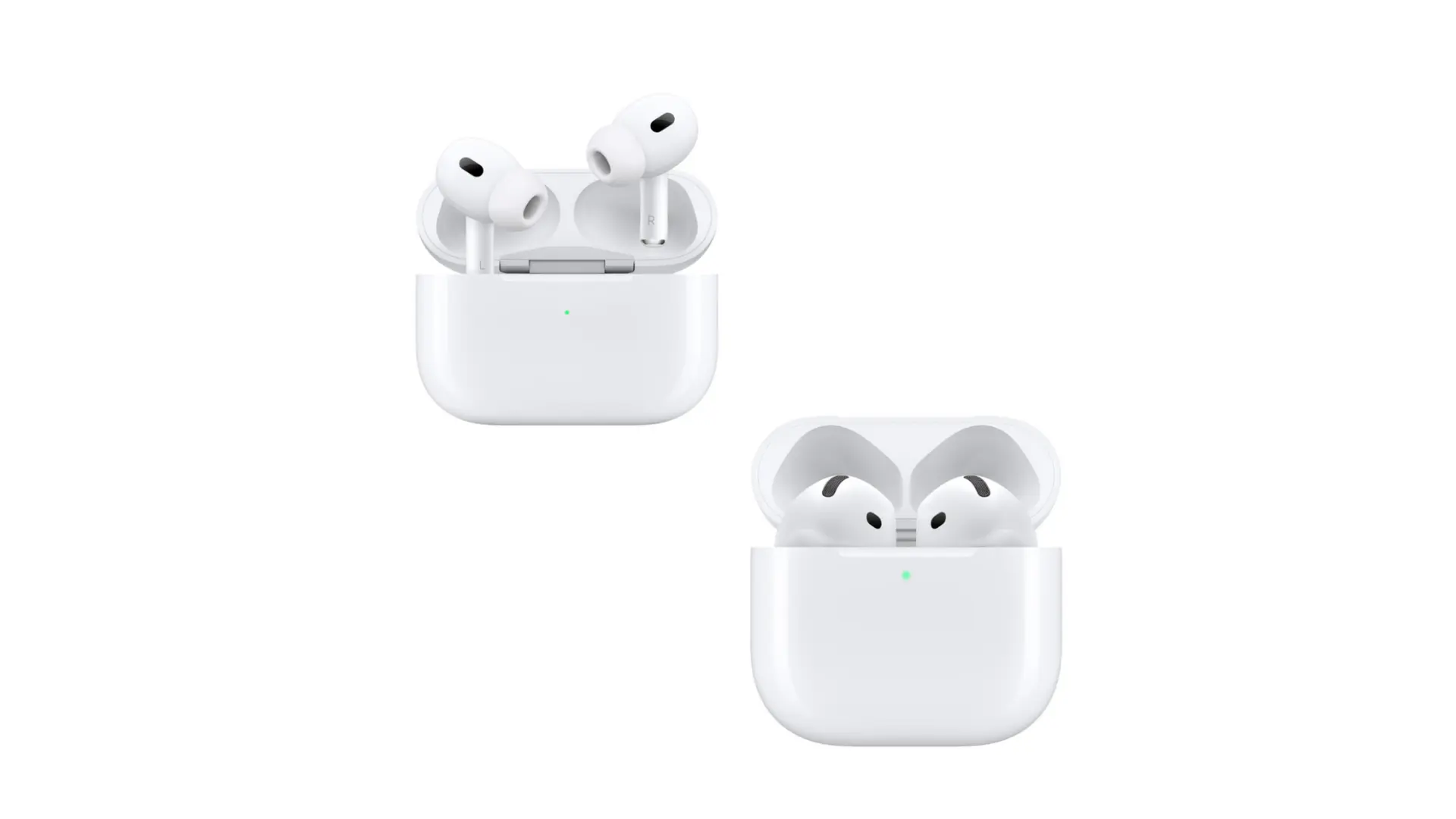
Do Earbuds Cause Tinnitus? The Truth About Your Hearing
We all love our earbuds, right? They’re convenient, portable, and let us enjoy our favorite tunes, podcasts, and audiobooks wherever we go. But have you ever wondered if these tiny devices could be doing more harm than good? Specifically, are you concerned about whether do earbuds cause tinnitus? It’s a valid question, considering how close they sit to our eardrums and how often we use them.
Tinnitus, that persistent ringing, buzzing, or hissing in your ears, can be incredibly frustrating. It can disrupt sleep, concentration, and overall quality of life. As an audiologist, I’ve seen firsthand how damaging loud noises can be to our hearing. So, let’s explore the link between earbuds and tinnitus, examining the risks, understanding the science, and most importantly, how to protect your hearing while still enjoying your audio.
This article will break down everything you need to know about earbuds, tinnitus, and the steps you can take to safeguard your hearing. We’ll examine the potential dangers, look at practical solutions, and provide you with actionable advice to keep your ears happy and healthy. Let’s get started!
Understanding Tinnitus: The Basics
Before we dive into earbuds, let’s get a handle on tinnitus itself. Tinnitus isn’t a disease; it’s a symptom. It’s the perception of sound when no external sound is present. Think of it as your brain interpreting signals from the auditory system.
The sounds people experience with tinnitus vary widely. Some describe a high-pitched ringing, while others hear buzzing, hissing, clicking, or even roaring. The sound can be constant or intermittent, and it can affect one or both ears.
What Causes Tinnitus?
The causes of tinnitus are diverse, but they often relate to damage or dysfunction within the auditory system. Here are some of the most common culprits:
- Noise-Induced Hearing Loss: This is a major cause. Exposure to loud noises, whether from a single event or chronic exposure, can damage the delicate hair cells in the inner ear. These hair cells are responsible for converting sound vibrations into electrical signals that the brain interprets. When damaged, they can send faulty signals, leading to tinnitus.
- Age-Related Hearing Loss (Presbycusis): As we age, our hearing naturally declines. This age-related hearing loss can also trigger tinnitus.
- Ear Infections: Infections can inflame the inner ear and disrupt normal hearing function, sometimes leading to tinnitus.
- Meniere’s Disease: This inner ear disorder can cause vertigo, hearing loss, and tinnitus.
- Ototoxic Medications: Certain medications, such as some antibiotics, chemotherapy drugs, and high doses of aspirin, can damage the inner ear and cause tinnitus.
- Head Injuries: Trauma to the head can damage the auditory system and result in tinnitus.
- Other Medical Conditions: Conditions like temporomandibular joint (TMJ) disorders, cardiovascular disease, and thyroid problems can sometimes be associated with tinnitus.
How Common is Tinnitus?
Tinnitus is surprisingly common. Estimates vary, but it’s believed that around 10-15% of adults experience some form of tinnitus. For some, it’s a mild annoyance that fades quickly. For others, it’s a chronic and debilitating condition.
How Earbuds Can Contribute to Tinnitus
Now, let’s connect the dots between earbuds and tinnitus. The primary concern is the potential for noise-induced hearing loss, which, as we’ve established, is a major cause of tinnitus.
Volume Levels: A Critical Factor
The volume level at which you listen to your earbuds is the most crucial factor. Earbuds sit directly inside your ear canal, delivering sound waves very close to your eardrum. This proximity means that even moderate volumes can be perceived as louder than they would be if you were listening through speakers further away.
The 60/60 Rule: A good rule of thumb is the 60/60 rule: listen at no more than 60% of your device’s maximum volume for no more than 60 minutes at a time. While this is a guideline, it’s a good starting point to prevent hearing damage.
Prolonged Exposure: Listening at high volumes for extended periods is especially risky. The longer your ears are exposed to loud sounds, the greater the chance of damage.
Types of Earbuds:
Different types of earbuds have different potential risks:
- In-Ear Earbuds (Earphones): These sit directly in the ear canal, making them the most likely to cause hearing damage due to the close proximity to the eardrum.
- On-Ear Headphones: These sit on the outside of the ear. While generally safer than in-ear earbuds, they can still pose a risk if listened to at high volumes for extended periods.
- Over-Ear Headphones: These completely enclose the ear. They often offer better sound quality and can reduce the need to crank up the volume to block out external noise, potentially making them safer than other options. However, volume control is still key.
Environmental Noise:
Another factor to consider is the environment in which you’re listening. If you’re in a noisy environment (like a busy street or a crowded gym), you might unconsciously turn up the volume on your earbuds to overcome the background noise. This can significantly increase your risk of hearing damage.
How Loud is Too Loud?
The Occupational Safety and Health Administration (OSHA) and the National Institute on Deafness and Other Communication Disorders (NIDCD) provide guidelines on safe noise exposure levels. Generally, sounds at or above 85 decibels (dB) for extended periods can cause hearing loss. Many smartphones and media players can reach volumes well above this level. Here is a rough guide:
- 0-20 dB: Barely audible
- 20-40 dB: Quiet (e.g., a whisper, library)
- 40-60 dB: Moderate (e.g., normal conversation, office)
- 60-85 dB: Potentially harmful with prolonged exposure (e.g., busy street traffic, vacuum cleaner)
- 85-100 dB: Harmful (e.g., motorcycle, power tools)
- 100-120 dB: Very harmful (e.g., rock concert, jet engine)
- 120+ dB: Immediate risk of hearing damage (e.g., fireworks, gunshot)
Symptoms of Noise-Induced Hearing Loss
Besides tinnitus, other signs of noise-induced hearing loss can include:
- Muffled hearing: Sounds may seem less clear or sharp.
- Difficulty understanding speech: Especially in noisy environments.
- A feeling of fullness in the ears: Like your ears are plugged.
- Temporary hearing loss after exposure to loud noise: This usually resolves within a few hours, but it’s a warning sign.
- Hyperacusis: Increased sensitivity to certain sounds.
If you experience any of these symptoms, it’s essential to consult an audiologist or healthcare professional.
Strategies to Protect Your Hearing While Using Earbuds
The good news is that you can still enjoy your earbuds while minimizing the risk of tinnitus and hearing loss. Here’s how:
1. Volume Control: The Golden Rule
Keep the volume low. This is the most crucial step. Use the volume control on your device to keep the sound at a safe level. Many devices have a volume limiter setting that can help you prevent accidental overexposure. If you can’t hear the person next to you talking, it’s probably too loud.
2. The 60/60 Rule (Revisited)
As mentioned earlier, try to stick to the 60/60 rule: listen at no more than 60% of your device’s maximum volume for no more than 60 minutes at a time. This provides your ears with a chance to recover.
3. Use Noise-Canceling Earbuds
Noise-canceling earbuds can be a great investment. They reduce background noise, so you don’t have to crank up the volume to hear your audio clearly. This can significantly decrease your risk of hearing damage.
4. Take Regular Breaks
Give your ears a rest. If you’re listening for an extended period, take breaks every hour or so. Remove your earbuds for a few minutes to allow your ears to recover.
5. Be Mindful of Your Environment
Avoid using earbuds in noisy environments where you’re tempted to increase the volume. If you must listen in a noisy place, consider using noise-canceling earbuds.
6. Choose the Right Earbuds
While all types of earbuds pose a risk, some may be safer than others. Over-ear headphones often provide better sound quality and can reduce the need to crank up the volume. In-ear earbuds can be more convenient, but be extra cautious with the volume.
7. Consider a Hearing Test
Regular hearing tests are a good idea, especially if you frequently use earbuds or work in a noisy environment. An audiologist can assess your hearing health and identify any early signs of damage.
8. Be Aware of Early Warning Signs
Pay attention to any changes in your hearing. If you experience tinnitus, muffled hearing, or difficulty understanding speech, consult a healthcare professional immediately.
9. Use Sound-Level Meter Apps
Download a sound-level meter app on your smartphone. These apps can help you monitor the sound levels you’re exposed to and ensure you stay within safe limits. While not perfect, they offer a useful gauge.
10. Don’t Share Your Earbuds
Sharing earbuds can spread bacteria and increase the risk of ear infections, which can sometimes contribute to tinnitus.
Treatment and Management of Tinnitus
If you already have tinnitus, there are several strategies that can help manage the condition and improve your quality of life. Unfortunately, there is no cure for tinnitus, but there are treatments that can help you manage your symptoms.
1. Hearing Aids
If hearing loss is a contributing factor to your tinnitus, hearing aids can be very effective. They amplify sounds, making it easier to hear, which can reduce the perceived loudness of the tinnitus.
2. Sound Therapy
Sound therapy involves using external sounds to mask or distract from the tinnitus. This can include:
- White Noise: Using a white noise machine or app to generate a constant, low-level sound.
- Nature Sounds: Listening to recordings of nature sounds, such as rain, ocean waves, or flowing streams.
- Music Therapy: Listening to music can sometimes help distract from the tinnitus and provide a sense of relaxation.
3. Tinnitus Retraining Therapy (TRT)
TRT is a therapy that aims to retrain the brain to perceive tinnitus as less bothersome. It combines sound therapy with counseling to help you habituate to the tinnitus.
4. Cognitive Behavioral Therapy (CBT)
CBT is a type of therapy that can help you manage the emotional distress associated with tinnitus. It teaches you coping mechanisms to reduce anxiety, stress, and negative thoughts related to tinnitus.
5. Medications
There are no medications specifically designed to cure tinnitus. However, some medications can help manage the symptoms associated with tinnitus. These can include antidepressants, anti-anxiety medications, and sedatives. It’s important to consult with your doctor before taking any medications.
6. Lifestyle Modifications
Making some lifestyle changes can sometimes help reduce tinnitus symptoms. These can include:
- Reducing Stress: Stress can worsen tinnitus. Practicing relaxation techniques, such as meditation or yoga, can help.
- Avoiding Caffeine and Alcohol: These substances can sometimes worsen tinnitus symptoms.
- Getting Enough Sleep: Lack of sleep can exacerbate tinnitus. Aim for 7-8 hours of sleep per night.
- Eating a Healthy Diet: A balanced diet can contribute to overall health and may help manage tinnitus symptoms.
7. Masking Devices
These devices generate a sound that masks the tinnitus. They can be worn in the ear or around the neck.
8. Tinnitus Maskers
Tinnitus maskers are devices that produce a sound that is designed to mask the tinnitus. They are often used in conjunction with hearing aids.
9. Counseling
Counseling can help you cope with the emotional distress associated with tinnitus. A therapist can help you develop coping mechanisms and strategies for managing your symptoms.
10. Alternative Therapies
Some people find relief from alternative therapies, such as acupuncture, herbal supplements, and chiropractic care. However, there is limited scientific evidence to support the effectiveness of these therapies.
11. Seeking Professional Help
The most important step is to seek professional help from an audiologist or healthcare professional. They can diagnose the cause of your tinnitus and recommend the most appropriate treatment options.
Comparing Earbuds, Headphones, and Hearing Health
Let’s break down the pros and cons of different listening devices in relation to hearing health:
| Device Type | Pros | Cons | Hearing Health Considerations |
|---|---|---|---|
| In-Ear Earbuds | Portable, discreet, good for workouts | High risk of hearing damage, close proximity to eardrum | Use low volumes, limit listening time, consider noise-canceling models |
| On-Ear Headphones | More comfortable than earbuds, less direct sound to eardrum | Can still cause hearing damage at high volumes, may leak sound | Monitor volume, take breaks, consider noise-canceling models |
| Over-Ear Headphones | Better sound quality, less sound leakage, can reduce need for high volumes | Can be bulky, can still cause hearing damage at high volumes | Monitor volume, take breaks, choose models with good sound isolation |
| Bone Conduction Headphones | Sound travels through the bones of the skull, leaving the ear canal open | Sound quality can be lower, can still be loud | Monitor volume, listen at safe levels |
Key Takeaway: Regardless of the device, volume control is the single most important factor in protecting your hearing.
Conclusion
So, do earbuds cause tinnitus? The answer, as with many things health-related, isn’t a simple yes or no. The potential for earbuds to contribute to tinnitus is real, primarily due to the risk of noise-induced hearing loss from excessive volume levels. However, by being mindful of your listening habits, taking preventative measures, and seeking professional help when needed, you can enjoy your earbuds while safeguarding your hearing health.
Prioritize your hearing! By understanding the risks, practicing safe listening habits, and being proactive about your ear health, you can continue to enjoy the benefits of earbuds without compromising your ability to hear the world around you for years to come. Remember to keep the volume down, take breaks, and listen to your ears. If you suspect you have tinnitus or are experiencing hearing issues, consult an audiologist for a comprehensive evaluation and personalized recommendations.
Recommended Products