Are Wireless Earbuds Safe? A Comprehensive Guide
Wireless earbuds have become incredibly popular, haven’t they? From commuting to working out, they’re everywhere. They offer amazing convenience – no more tangled wires! But with any new technology, questions arise. One of the biggest concerns surrounding these tiny devices is, are wireless earbuds safe?
We’ll explore this question in detail. We’ll look at the potential risks, from radiation exposure to hearing damage, and examine the science behind these concerns. We’ll also discuss how to use your wireless earbuds safely, so you can enjoy your music without worry. This guide aims to provide you with a clear, unbiased understanding of the safety of wireless earbuds.
Get ready to have your questions answered, and learn how to make informed choices about your audio experience.
Understanding Wireless Earbud Technology
Before we dive into safety concerns, let’s understand how wireless earbuds work. Most use Bluetooth technology to connect to your devices. Bluetooth transmits data using radio waves, a form of electromagnetic radiation. These radio waves are in the microwave frequency range, similar to those used by Wi-Fi routers and microwave ovens. The earbuds themselves contain a small antenna, a battery, and a digital signal processor (DSP) to handle the audio.
The Bluetooth signal travels from your device (phone, laptop, etc.) to your earbuds. The earbuds then convert this signal into sound waves that you hear. The strength of the signal and the distance it can travel depend on the Bluetooth version and the design of the earbuds. Newer versions of Bluetooth offer improved energy efficiency and sometimes a slightly longer range.
Bluetooth and Radiofrequency (rf) Radiation
The primary safety concern regarding wireless earbuds revolves around radiofrequency (RF) radiation. RF radiation is a type of non-ionizing radiation, meaning it doesn’t have enough energy to damage DNA directly. However, it can heat tissues. The amount of RF radiation emitted by wireless earbuds is generally quite low, but because they are placed inside the ear canal, close to the brain, it’s a valid concern.
The specific absorption rate (SAR) is a measure of the rate at which energy is absorbed by the body when exposed to RF radiation. Regulatory bodies like the FCC (Federal Communications Commission) in the United States and similar organizations in other countries set limits on SAR levels for devices like wireless earbuds. These limits are designed to protect users from potential harm.
Different Types of Wireless Earbuds
It’s also helpful to differentiate between the different types of wireless earbuds available. Understanding these distinctions can help you better assess their potential impact on your safety.
- True Wireless Earbuds: These are the most common type, completely wireless and independent of each other. They connect to your device via Bluetooth. Examples include Apple AirPods, Samsung Galaxy Buds, and many others.
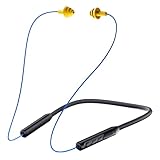
- Neckband Earbuds: These earbuds are connected by a wire that rests around your neck. They still connect to your device wirelessly via Bluetooth but have a physical connection between the earbuds.
- Over-Ear Wireless Headphones: While not earbuds, over-ear headphones also use wireless technology (primarily Bluetooth) and are often considered in the same context. They offer a different listening experience and may have different safety considerations.
Potential Health Concerns: A Deep Dive
Now, let’s address the specific health concerns associated with wireless earbuds. We’ll look at the evidence, the uncertainties, and what you can do to mitigate any potential risks.
1. Radiofrequency (rf) Radiation Exposure
As mentioned earlier, RF radiation is the primary concern. While the levels emitted by wireless earbuds are generally considered low, the proximity to the brain and the potential for prolonged exposure warrant consideration. The long-term effects of low-level RF radiation exposure are still being researched.
What the Research Says: There’s no definitive consensus on the long-term health effects of RF radiation from wireless earbuds. Some studies have suggested a possible link between RF radiation and certain health issues, such as increased risk of brain tumors or other cancers, but the evidence is often inconclusive or conflicting. Many studies haven’t found a strong correlation. It’s important to keep in mind that research is ongoing.
How to Mitigate the Risk:
- Choose earbuds with lower SAR values: Manufacturers are required to provide SAR information, usually in the product specifications. While it’s not the only factor, it’s a good starting point.
- Limit your usage time: The longer you use your earbuds, the more exposure you have to RF radiation. Take breaks and avoid using them for extended periods.
- Keep your device away from your head: If possible, keep your phone or other device further away from your head while using wireless earbuds.
2. Hearing Damage
Hearing damage is a significant risk associated with any type of earphone, including wireless earbuds. Loud sounds can damage the delicate hair cells in your inner ear, leading to hearing loss. This damage can be gradual and painless, making it difficult to detect until it’s too late.
The Problem of Loud Volume: Wireless earbuds, due to their portability and ability to block out external noise, can tempt you to turn up the volume. The closer the sound source to your eardrum, the more dangerous it is at high volumes. Exposure to sounds over 85 decibels (dB) for extended periods can cause hearing loss. Many wireless earbuds can reach volumes well above this level.
How to Protect Your Hearing:
- Control the volume: Always listen at a safe volume. A good rule of thumb is to keep the volume at a level where you can still hear conversations around you.
- Use the 60/60 rule: Listen at 60% of the maximum volume for no more than 60 minutes at a time.
- Take breaks: Give your ears a rest. If you’re listening for a long time, take breaks every hour.
- Consider noise-canceling features carefully: While noise-canceling can improve sound quality, it can also make you more likely to increase the volume to overcome external noise.
- Get regular hearing checkups: Especially if you use earbuds frequently, regular checkups can help detect any early signs of hearing loss.
3. Ear Infections
Wireless earbuds, particularly those that fit snugly in the ear canal, can potentially increase the risk of ear infections. The warm, moist environment of the ear canal is a breeding ground for bacteria and fungi. Earbuds can trap moisture and wax, creating an ideal environment for these microorganisms to thrive.
Hygiene Matters: Poor hygiene practices can exacerbate the risk. Sharing earbuds with others, not cleaning your earbuds regularly, and using them when you have an ear infection can all increase the chances of developing a problem.
Preventing Ear Infections:
- Clean your earbuds regularly: Wipe them down with a soft, dry cloth after each use. You can also use a mild disinfectant.
- Clean your ears: Gently clean your ears with a soft cloth or cotton swab. Avoid inserting anything too far into the ear canal.
- Don’t share earbuds: Sharing earbuds can spread bacteria and fungi.
- Don’t use earbuds if you have an ear infection: This can worsen the infection.
- Consider the material: Some people are sensitive to the materials used in earbud tips. If you experience irritation, try a different type of earbud or tip.
4. Other Potential Concerns
Beyond the primary concerns, there are a few other potential issues to consider:
- Allergic Reactions: Some people may be allergic to the materials used in wireless earbuds, such as silicone or plastic. This can lead to skin irritation, itching, or redness.
- Accidental Swallowing: Small children could potentially swallow wireless earbuds or their components. This is a choking hazard and can cause serious harm.
- Electromagnetic Interference (EMI): While rare, wireless earbuds could potentially interfere with other electronic devices, such as pacemakers or hearing aids.
Comparing Wireless Earbuds to Other Audio Devices
To put the safety of wireless earbuds in perspective, let’s compare them to other audio devices and listening habits. This comparison can help you make informed decisions about your audio choices.
Wireless Earbuds vs. Wired Earbuds
Similarities: Both wireless and wired earbuds deliver sound directly into your ear canal, making them susceptible to the same risks of hearing damage from loud volumes and ear infections from poor hygiene. Both can also trigger allergic reactions.
Differences: The primary difference is the presence of RF radiation in wireless earbuds. Wired earbuds do not emit RF radiation. However, wired earbuds have their own drawbacks, such as the potential for tangled wires and the risk of pulling on the wires and damaging the device or your ears. Both types require careful use to protect your hearing.
Wireless Earbuds vs. Over-Ear Headphones
Similarities: Both types of headphones can cause hearing damage if used at high volumes. Over-ear headphones can also trap moisture, potentially leading to ear infections. Both types come in wireless versions, exposing you to RF radiation.
Differences: Over-ear headphones generally sit outside the ear canal, so the sound source isn’t as close to the eardrum. This can make them slightly safer for your hearing at the same volume. Over-ear headphones can also offer better sound isolation, which can reduce the need to increase the volume to overcome external noise. Over-ear headphones may be less likely to cause ear infections because they don’t block the ear canal as completely. However, over-ear headphones can be less convenient for portability.
Wireless Earbuds vs. Listening to Music Through Speakers
Similarities: Both methods of listening to music can potentially lead to hearing damage if the volume is too high. Both can expose you to music you enjoy!
Differences: Listening to music through speakers, especially at a distance, is generally safer for your hearing because the sound waves have to travel further, and the intensity decreases. However, speakers can be much louder than earbuds, so it’s still important to be mindful of the volume. Speakers do not expose you to RF radiation. Speakers are less portable and private than earbuds.
How to Use Wireless Earbuds Safely: Practical Tips
Here’s a practical guide to using wireless earbuds safely. By following these tips, you can minimize potential risks and enjoy your music without unnecessary worry.
1. Volume Control Is Key
Keep it Low: This is the most crucial step. Always listen at a comfortable volume. If you can’t hear the environment around you, your music is likely too loud. Use the volume control on your device or the earbuds themselves to adjust the level.
Use a Volume Limiter: Many devices have built-in volume limiters that you can set to prevent the volume from exceeding a certain level. This is a simple but effective way to protect your hearing.
Be Mindful of Your Surroundings: If you’re in a noisy environment, you might be tempted to turn up the volume. However, try to avoid doing this. If possible, move to a quieter location or use noise-canceling features to reduce the external noise.
2. Manage Your Listening Time
Take Breaks: Prolonged exposure to any sound, even at a moderate volume, can damage your hearing. Take regular breaks from listening to music. Every hour, take a 10-15 minute break to give your ears a rest.
The 60/60 Rule: As mentioned earlier, the 60/60 rule is a good guideline: listen at 60% of the maximum volume for no more than 60 minutes at a time.
Listen Responsibly: Be mindful of how long you’re listening to music each day. If you’re a heavy user, consider alternating between earbuds and other listening methods, such as speakers.
3. Practice Good Hygiene
Clean Your Earbuds Regularly: Bacteria and fungi can thrive in the ear canal. Clean your earbuds after each use with a soft, dry cloth. Occasionally, you can use a mild disinfectant, but be sure to let them dry completely before using them again.
Clean Your Ears: Gently clean your ears with a soft cloth or cotton swab. Avoid inserting anything too far into the ear canal, as this can push wax further in and increase the risk of infection.
Avoid Sharing Earbuds: Sharing earbuds can spread bacteria and fungi. If you must share, clean them thoroughly before and after each use.
Be Careful of Water: Avoid using your earbuds in the shower or while swimming. Moisture can damage the earbuds and increase the risk of ear infections.
4. Choose Your Earbuds Wisely
Check the SAR Value: As mentioned earlier, the SAR value is a measure of the RF radiation emitted by the earbuds. While it’s not the only factor, it’s a good idea to check the SAR value before purchasing a pair of earbuds. Lower SAR values generally mean lower exposure to RF radiation.
Consider the Fit: Choose earbuds that fit comfortably in your ears. Earbuds that fit too tightly can trap moisture and increase the risk of ear infections. Earbuds that don’t fit well might fall out easily, forcing you to adjust them frequently, which can also be a hygiene issue.
Read Reviews: Read reviews from other users to get an idea of the sound quality, comfort, and potential issues with the earbuds.
5. Stay Informed
Keep Up-to-Date: The science on the safety of wireless earbuds is constantly evolving. Stay informed by reading reputable sources, such as medical journals and websites of organizations like the World Health Organization (WHO) and the National Institutes of Health (NIH). This will help you make informed decisions.
Consult with Professionals: If you have any concerns about the safety of wireless earbuds, consult with your doctor or an audiologist. They can provide personalized advice based on your individual circumstances.
The Future of Wireless Earbud Technology
Wireless earbud technology is constantly evolving. As technology advances, we can expect to see improvements in several areas.
1. Reduced Rf Radiation
Manufacturers are always working to reduce the amount of RF radiation emitted by their devices. This may involve using more efficient Bluetooth technology, improved antenna designs, and other innovations. We may see more emphasis on lower SAR values in the future.
2. Enhanced Sound Quality
Sound quality is a key selling point for wireless earbuds. We can expect to see further advancements in sound quality, with improved drivers, better noise cancellation, and other features that enhance the listening experience. This could also mean a focus on better sound isolation, reducing the need to turn up the volume.
3. Improved Battery Life
Battery life is another area where manufacturers are constantly innovating. We can expect to see wireless earbuds with longer battery life, as well as faster charging capabilities. This will make them even more convenient for everyday use.
4. Health-Conscious Design
We may see more health-conscious designs in the future. This could include features such as built-in volume limiters, better ear hygiene solutions, and materials that are less likely to cause allergic reactions.
5. Integration with Health Tracking
Some wireless earbuds are already integrated with health-tracking features, such as heart rate monitoring. We can expect to see more integration with health-tracking features in the future, allowing users to monitor their health and fitness more easily.
Are Wireless Earbuds Safe? A Balanced Perspective
The question of whether wireless earbuds are safe doesn’t have a simple yes or no answer. There are potential risks, but these risks can be mitigated through careful use and informed choices. The key is to be aware of the potential hazards and to take steps to protect your health.
Here’s a summary of the key takeaways:
- Radiofrequency (RF) Radiation: While the levels of RF radiation emitted by wireless earbuds are generally considered low, the proximity to the brain and the potential for prolonged exposure warrant consideration.
- Hearing Damage: The risk of hearing damage from loud volumes is the most significant concern. Always listen at a safe volume and take breaks.
- Ear Infections: Wireless earbuds can potentially increase the risk of ear infections. Practice good hygiene.
- Mitigation: Choose earbuds with lower SAR values, limit your usage time, control the volume, practice good hygiene, and stay informed.
- The Future: Wireless earbud technology is constantly evolving, and we can expect to see improvements in safety and health-conscious design.
By understanding the potential risks and following the safety guidelines outlined in this guide, you can enjoy the convenience and benefits of wireless earbuds while minimizing any potential harm. Remember, responsible use is the key to a safe and enjoyable listening experience.
Final Thoughts
The safety of wireless earbuds is a multifaceted issue. While concerns about RF radiation and potential health issues exist, the risks are often manageable with responsible use. The most critical factor is controlling the volume to prevent hearing damage. Maintaining good hygiene is also essential to avoid ear infections.
Ultimately, by being mindful of your listening habits, choosing your earbuds carefully, and staying informed, you can enjoy the benefits of wireless earbuds while prioritizing your health. As technology advances and more research emerges, we’ll continue to gain a better understanding of the long-term effects. For now, informed choices and cautious use are the best approach.
Recommended Products