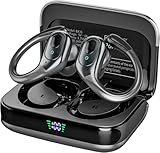
Are Wired Earbuds Better Than Bluetooth? A Detailed Comparison
Choosing the right earbuds can feel like navigating a maze. With a vast array of options, from budget-friendly wired models to premium wireless ones, it’s easy to get lost in the specifications and marketing jargon. One of the biggest debates revolves around whether wired earbuds or their Bluetooth counterparts offer a superior listening experience. We’re going to break down the pros and cons of each, helping you make an informed decision based on your needs and preferences. I’ll provide a comprehensive comparison, looking at everything from sound quality and convenience to cost and durability.
This isn’t just about listing features; it’s about understanding why certain aspects matter. We will explore the technical details behind the sound, the practical implications of each design, and the overall value proposition. Whether you’re a casual listener, a dedicated audiophile, or someone who simply needs reliable audio on the go, this guide will provide the insights you need. Get ready to explore the nuances of wired and wireless earbuds to determine which is the best fit for you.
Sound Quality: The Heart of the Matter
When it comes to audio, sound quality is paramount. It’s the core reason we invest in headphones or earbuds in the first place. Wired earbuds generally have a significant advantage here. They bypass the compression and potential interference that can affect Bluetooth audio. Let’s delve into the specifics:
Wired Earbuds: The Fidelity Advantage
Wired earbuds receive an analog signal directly from the source device (your phone, computer, etc.). This direct connection allows for the uncompressed transmission of audio. This means all the detail, nuance, and dynamic range of your music is preserved. You’re hearing the audio as the artist and sound engineer intended. High-quality wired earbuds, especially those with balanced armature drivers or advanced dynamic drivers, can deliver exceptional clarity, detail, and a wider soundstage. The absence of compression translates to a more natural and immersive listening experience. This is particularly noticeable when listening to lossless audio formats like FLAC or high-resolution audio files.
Consider the example of listening to a complex orchestral piece. With wired earbuds, you can discern individual instruments, their positions within the soundstage, and the subtle changes in their dynamics. With Bluetooth, some of these details might be lost due to compression. This difference is more noticeable with higher-end audio equipment. The better the source audio, the more apparent the benefits of a wired connection become.
Bluetooth Earbuds: The Compression Conundrum
Bluetooth audio relies on audio codecs to transmit sound wirelessly. These codecs compress the audio to reduce the amount of data that needs to be transmitted. While codecs like aptX and LDAC aim to minimize compression and improve sound quality, they still involve some level of data reduction. This can result in a loss of detail, especially in the high frequencies and complex passages. The specific codec your device and earbuds support will impact the sound quality. Older or less advanced codecs can lead to a more noticeable degradation in audio quality.
Furthermore, Bluetooth signals can be susceptible to interference from other wireless devices, such as Wi-Fi routers and microwave ovens. This interference can cause dropouts, static, or a general degradation of the audio signal. While modern Bluetooth technology has improved significantly in terms of stability and range, these issues can still occur, particularly in crowded environments. The quality of the Bluetooth receiver and the internal components of the earbuds also play a critical role in the final sound quality. Cheaper Bluetooth earbuds may compromise sound quality to achieve lower costs.
Convenience and Portability: A Balancing Act
While sound quality is crucial, convenience and portability are also significant factors. The convenience of wireless earbuds is a major selling point, but wired earbuds have some practical advantages of their own.
Wired Earbuds: The Plug-and-Play Simplicity
Wired earbuds offer a simple, plug-and-play experience. There’s no need to pair them with your device, charge them, or worry about battery life. You plug them in, and you’re ready to listen. This is particularly useful when you’re in a hurry or in situations where you want instant access to audio. There’s no waiting for them to connect or troubleshooting connectivity issues. They are also incredibly easy to use. The lack of batteries means they are also lighter, often making them more comfortable for extended use. For many, this simplicity is a major selling point.
The absence of a battery also makes them a reliable choice for travel. You don’t have to remember to charge them before a long flight or train journey. You can simply plug them into your device and enjoy your music or podcasts without interruption. They are also less prone to running out of power at inconvenient times. This reliability is a huge plus for anyone who relies on their earbuds for daily use.
Bluetooth Earbuds: The Wireless Freedom
Bluetooth earbuds offer the undeniable convenience of wireless freedom. The elimination of a physical cable gives you greater freedom of movement. You can move around without being tethered to your device. This is particularly beneficial during workouts, commutes, or any activity where a cable might get in the way. They’re also less likely to get snagged on objects, which can damage the earbuds or your device.
Bluetooth earbuds also often come with additional features, such as active noise cancellation (ANC), touch controls, and voice assistant integration. These features can enhance your listening experience and make the earbuds more versatile. However, these added features can increase the cost and complexity of the earbuds. The need to charge them regularly is a significant consideration. Battery life varies depending on the model and usage, but you’ll need to remember to charge them periodically to avoid running out of power. The process of pairing them with your device and managing the battery can be a minor inconvenience compared to the plug-and-play simplicity of wired earbuds.
Durability and Longevity: Built to Last?
The lifespan of your earbuds is an important consideration. Both wired and Bluetooth earbuds have their strengths and weaknesses in this regard.
Wired Earbuds: The Cable Conundrum
The Achilles’ heel of wired earbuds is the cable. The cable is the most vulnerable part of the earbud. It’s susceptible to wear and tear, especially if you’re constantly putting them in your pocket, bag, or wrapping them around your device. The cable can fray, break, or develop shorts, leading to audio dropouts or complete failure. The quality of the cable significantly impacts its durability. Thicker, more robust cables are more resistant to damage. However, even high-quality cables can eventually wear out with frequent use.
Fortunately, the cost of replacing wired earbuds is often lower than the cost of replacing Bluetooth earbuds. If the cable fails, you can typically find a replacement pair without breaking the bank. Many manufacturers are now using more durable materials for their cables, such as braided nylon or reinforced rubber. This can extend the lifespan of the earbuds and make them more resistant to damage. The cable’s design also plays a role. Cables with strain reliefs at the connections are less likely to break.
Bluetooth Earbuds: The Battery Factor
Bluetooth earbuds are generally more durable than they used to be, but they still have inherent vulnerabilities. The battery is often the first component to fail. Batteries degrade over time, losing their ability to hold a charge. This means that even if the earbuds themselves are in good condition, the battery life will gradually decrease. The lifespan of the battery depends on several factors, including the quality of the battery, the charging habits, and the usage patterns. Overcharging or exposing the earbuds to extreme temperatures can accelerate battery degradation.
Bluetooth earbuds also contain more electronic components than wired earbuds, which can increase the risk of failure. If the internal circuitry fails, the earbuds may become unusable. The build quality of the earbuds is a crucial factor. Higher-quality earbuds are often more durable and resistant to damage. The charging case can also be a point of failure. The case can be dropped, damaged, or its charging functionality can fail, rendering the earbuds useless. Replacing Bluetooth earbuds can be expensive, and the cost of ownership over time can be higher than wired earbuds, especially if you frequently need to replace them.
Cost: Budget Considerations
Price is a significant factor for most consumers. The cost of wired and Bluetooth earbuds varies widely, but there are some general trends.
Wired Earbuds: The Budget-Friendly Option
Wired earbuds are generally more affordable than Bluetooth earbuds. You can find a decent pair of wired earbuds for a relatively low price. This makes them an excellent option for budget-conscious consumers. The cost of manufacturing wired earbuds is typically lower, as they don’t require the complex electronics and battery components of Bluetooth earbuds. This lower cost translates to lower prices for consumers. This affordability makes them a viable choice if you lose or damage earbuds frequently.
However, the price of wired earbuds can vary depending on the quality of the components, the materials used, and the brand. High-end wired earbuds can be quite expensive, especially those with premium drivers and advanced features. The price of wired earbuds also depends on the features they offer, such as in-line controls, a built-in microphone, and noise isolation. But in general, you can get good sound quality at a lower price point. The cost of replacement is also lower.
Bluetooth Earbuds: The Premium Choice
Bluetooth earbuds are often more expensive than wired earbuds. The added cost is due to the Bluetooth technology, the battery, and the other electronic components. Bluetooth earbuds come in a wide range of prices, from budget-friendly models to premium options that cost several hundred dollars. The price of Bluetooth earbuds is influenced by several factors, including the brand, the features, the sound quality, and the design. Features like active noise cancellation, water resistance, and advanced codecs can add to the cost.
The initial investment in Bluetooth earbuds can be higher, but they can offer a better overall value if they last a long time. The cost of ownership can be higher if you need to replace them frequently. The price of Bluetooth earbuds has decreased over time, and there are many affordable options available. However, in general, you should expect to pay more for Bluetooth earbuds than for comparable wired earbuds. The value you get from Bluetooth earbuds depends on how much you value the wireless freedom and the additional features they offer.
Features and Functionality: Beyond the Basics
Both wired and Bluetooth earbuds offer a range of features. The specific features will vary depending on the model and the price point. Here’s a look at some of the key features to consider:
Wired Earbuds: Simplicity and Control
Wired earbuds often have a simpler feature set. Many include in-line controls for volume adjustment, playback control (play/pause, skip track), and answering/ending calls. The simplicity of these controls can be advantageous. There are no batteries to manage. The microphone is often integrated into the in-line remote. This provides a convenient way to make and receive calls. The quality of the microphone can vary, but generally, it’s sufficient for phone calls and voice recordings. Some wired earbuds offer noise isolation, which helps to block out external sounds and improve the listening experience. This is often achieved through the design of the ear tips, which create a seal in the ear canal.
High-end wired earbuds may offer more advanced features, such as interchangeable cables or balanced connections. These features are more common in audiophile-grade headphones, but they can also be found in some higher-end earbuds. The primary focus of wired earbuds is often on sound quality. Additional features are often kept to a minimum to keep the price down. The features, however, are usually very practical.
Bluetooth Earbuds: Wireless Versatility
Bluetooth earbuds offer a wider range of features. Active noise cancellation (ANC) is one of the most popular features, which uses microphones to detect and cancel out ambient noise. This feature is particularly useful in noisy environments. Touch controls are common, allowing you to control playback, volume, and answer calls with taps or swipes on the earbuds. Many Bluetooth earbuds offer voice assistant integration, allowing you to access Siri, Google Assistant, or other voice assistants with a simple command. This can be very convenient for controlling music, making calls, or getting information.
Other features include water resistance or water proofing, which makes them suitable for workouts and outdoor activities. Some Bluetooth earbuds offer transparency mode, which allows you to hear the ambient sounds around you while still listening to music. This is useful for staying aware of your surroundings. The features of Bluetooth earbuds are constantly evolving, with new innovations being added regularly. The features you choose will depend on your personal needs and preferences. The more features the earbuds have, the more expensive they become.
Comparison Table
Here’s a table summarizing the key differences between wired and Bluetooth earbuds:
| Feature | Wired Earbuds | Bluetooth Earbuds |
|---|---|---|
| Sound Quality | Generally superior, uncompressed audio | Can be good, but depends on codec and compression |
| Convenience | Plug-and-play, no charging required | Wireless freedom, requires charging |
| Durability | Cable is the weak point | Battery and electronics can fail |
| Cost | Generally more affordable | Generally more expensive |
| Features | Simpler, in-line controls | More features, ANC, touch controls, voice assistant |
| Portability | No battery, lightweight | Can be bulky, requires a charging case |
Choosing the Right Earbuds for You
The best choice depends on your individual needs and priorities. Here’s a breakdown to help you decide:
When to Choose Wired Earbuds:
- You prioritize sound quality and want the best possible audio experience.
- You prefer a simple, hassle-free listening experience without the need to charge.
- You’re on a budget and looking for the most affordable option.
- You want reliability and don’t want to worry about battery life.
When to Choose Bluetooth Earbuds:
- You value wireless freedom and the convenience of not being tethered to your device.
- You want advanced features such as active noise cancellation or voice assistant integration.
- You need earbuds for workouts or other activities where a cable might get in the way.
- You’re willing to manage the charging and potential for battery degradation.
The Future of Earbuds
The earbud market is continually evolving, with new technologies and features emerging regularly. We can expect to see further advancements in both wired and Bluetooth earbuds in the years to come. In wired earbuds, the focus is likely to be on improving sound quality, durability, and comfort. Manufacturers may explore new materials and driver technologies to deliver even better audio performance. The development of more robust cables and improved strain reliefs can make them more durable.
Bluetooth earbuds are likely to see continued improvements in sound quality, battery life, and wireless connectivity. New codecs and wireless standards will improve audio transmission. Improvements in battery technology will extend the battery life. Integration of advanced features, such as personalized audio profiles and health tracking, could become more common. We may also see the development of more sustainable and eco-friendly earbud designs. The line between wired and wireless is continuing to blur. The best choice ultimately comes down to your priorities and how you use your earbuds.
Final Verdict
Ultimately, the decision of whether wired or Bluetooth earbuds are better hinges on your personal requirements and preferences. Wired earbuds offer a clear advantage in sound quality and simplicity, making them a great choice for audiophiles and those who value a straightforward listening experience. Bluetooth earbuds, on the other hand, provide unmatched convenience and a wealth of features, perfect for active lifestyles and those seeking a more versatile audio solution.
Consider your listening habits, your budget, and the importance of factors such as sound quality, portability, and features when making your decision. There’s no single ‘right’ answer, as the best choice depends entirely on your individual needs. Evaluate your priorities, weigh the pros and cons, and choose the option that best enhances your listening experience.
Recommended Products