Are Headphones Safer Than Earbuds? A Comprehensive Guide
We all love our music, podcasts, and audiobooks. But how often do we stop and think about the impact our listening habits have on our hearing? The choice between headphones and earbuds is a common one, and it’s a decision that goes beyond just personal preference. It’s a question of safety, comfort, and the long-term well-being of our ears.
This article will explore the critical differences between headphones and earbuds, digging deep into the pros and cons of each. We’ll examine the science behind sound levels, the potential risks of prolonged exposure, and the practical considerations that affect your daily listening experience. Whether you’re a music enthusiast, a podcast aficionado, or simply someone who enjoys listening to audio on the go, this guide will provide you with the knowledge you need to make informed choices and protect your hearing.
So, let’s dive in and uncover the truth behind the debate: Are headphones truly safer than earbuds?
Understanding the Basics: How Sound Affects Our Hearing
Before we can compare headphones and earbuds, it’s essential to understand how sound works and how it affects our ears. Sound is essentially vibrations that travel through the air. These vibrations enter your ear canal, causing your eardrum to vibrate. These vibrations are then amplified and converted into electrical signals that your brain interprets as sound. The intensity of sound is measured in decibels (dB), and prolonged exposure to high decibel levels can cause hearing damage.
The human ear is incredibly sensitive, but also vulnerable. The inner ear contains delicate structures called hair cells, which are responsible for converting sound vibrations into electrical signals. These hair cells can be damaged or destroyed by excessive noise exposure. Once these hair cells are damaged, they do not regenerate, leading to permanent hearing loss.
The Occupational Safety and Health Administration (OSHA) and the World Health Organization (WHO) have established guidelines for safe sound levels. Generally, exposure to sounds above 85 dB for extended periods can lead to hearing damage. The louder the sound, the shorter the safe exposure time. For example, sounds at 100 dB can cause damage after just 15 minutes of exposure.
Decibel Levels and Everyday Sounds
To put this into perspective, consider the decibel levels of some common sounds:
- Normal conversation: 60 dB
- Traffic: 80 dB
- Lawnmower: 90 dB
- Concert: 110-120 dB
- Firecracker: 140 dB
As you can see, many everyday sounds can reach potentially damaging levels. When using headphones or earbuds, it’s easy to exceed these safe levels, especially in noisy environments where we might turn up the volume to compensate for external noise.
Headphones vs. Earbuds: A Detailed Comparison
Now, let’s compare headphones and earbuds, focusing on the factors that influence their safety and overall impact on your hearing.
Headphones: Over-Ear and on-Ear
Headphones come in two primary styles: over-ear and on-ear. Over-ear headphones, also known as circumaural headphones, completely enclose the ear. On-ear headphones, or supra-aural headphones, rest on the ear.
Pros of Headphones
- Less Direct Sound: Over-ear headphones generally provide a greater distance between the sound source (the speaker) and your eardrum. This reduces the immediate impact of the sound waves.
- Noise Isolation: Over-ear headphones, particularly those with a closed-back design, can effectively block out external noise. This allows you to listen at lower volumes, reducing the risk of hearing damage.
- Better Sound Quality: Over-ear headphones often offer superior sound quality, with a wider frequency range and more accurate sound reproduction. This is due to the larger drivers (the speakers inside the headphones) that can be used.
- Comfort: Over-ear headphones, especially those with plush earcups, can be more comfortable for extended listening sessions. They distribute the weight more evenly and reduce pressure on the ear canal.
Cons of Headphones
- Size and Portability: Over-ear headphones are bulky and less portable than earbuds. They take up more space and can be inconvenient to carry around.
- Heat and Sweat: Over-ear headphones can trap heat and sweat, especially in warm weather. This can be uncomfortable and may lead to skin irritation.
- Price: High-quality headphones can be expensive, often costing significantly more than earbuds.
Earbuds: In-Ear and Ear-Canal
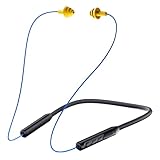
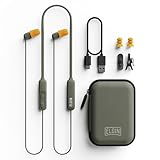
Earbuds, also known as in-ear monitors (IEMs), insert directly into the ear canal. They come in various designs, including those with silicone tips, foam tips, and custom-molded options.
Pros of Earbuds
- Portability: Earbuds are small, lightweight, and highly portable. They easily fit in your pocket or bag.
- Discreet: Earbuds are less noticeable than headphones, making them a good option for use in public settings.
- Price: Earbuds are generally more affordable than headphones.
Cons of Earbuds
- Proximity to Eardrum: The sound source is very close to your eardrum, increasing the potential for hearing damage at lower volumes.
- Noise Leakage: Many earbuds don’t seal the ear canal effectively, leading to sound leakage. This can cause you to increase the volume to compensate for external noise, putting your hearing at risk.
- Sound Quality: Sound quality can vary widely among earbuds. Generally, earbuds have smaller drivers than headphones, which can result in less-detailed sound reproduction.
- Hygiene: Earbuds can trap earwax and bacteria, potentially leading to ear infections.
Noise Isolation and Noise Cancellation: What’s the Difference?
Understanding noise isolation and noise cancellation is crucial for making an informed decision about headphones and earbuds. Both technologies aim to reduce external noise, but they work differently.
Noise Isolation
Noise isolation is a passive process. It relies on physical barriers to block external sounds. Over-ear headphones with a closed-back design and earbuds with a snug fit (using silicone or foam tips) provide noise isolation. The goal is to create a seal that prevents sound from entering the ear canal.
Noise Cancellation
Noise cancellation is an active process. It uses microphones to detect external noise and then generates an opposing sound wave to cancel it out. This technology is often found in higher-end headphones and some earbuds. Noise cancellation can be very effective at reducing low-frequency sounds, such as the rumble of an airplane engine or the hum of an air conditioner.
The key takeaway is that both noise isolation and noise cancellation can help you listen at lower volumes, reducing the risk of hearing damage. However, noise cancellation generally provides a higher level of noise reduction than noise isolation alone.
Volume Levels and Safe Listening Practices
Regardless of whether you choose headphones or earbuds, controlling the volume is the most critical factor in protecting your hearing. Here are some guidelines and best practices for safe listening:
- The 60/60 Rule: Listen at no more than 60% of your device’s maximum volume for no more than 60 minutes at a time.
- Use a Volume Limiter: Most smartphones and media players have a volume limiter feature. Set the maximum volume to a safe level to prevent accidental overexposure.
- Be Aware of Your Surroundings: If you’re listening in a noisy environment, be extra cautious about your volume levels. Consider using noise-canceling headphones to reduce the need to turn up the volume.
- Take Breaks: Give your ears a rest. Take breaks from listening every hour to allow your ears to recover.
- Listen for Warning Signs: Be aware of the signs of hearing damage, such as ringing in your ears (tinnitus) or muffled hearing. If you experience these symptoms, stop listening immediately and consult a doctor.
- Use the Volume Check Feature: Many apps and devices now offer features to track your listening volume and duration, which can help you monitor your habits.
The Impact of Environment on Safety
The environment in which you listen to audio significantly impacts the safety of your hearing. Listening in a quiet environment allows you to listen at lower volumes, whereas a noisy environment often forces you to increase the volume to hear your audio.
- Quiet Environments: In quiet environments, such as your home or a library, you can listen at lower volumes with either headphones or earbuds. Noise isolation or cancellation isn’t as critical in these settings.
- Noisy Environments: Noisy environments, such as public transportation, busy streets, or crowded offices, pose a greater risk to your hearing. In these situations, noise-canceling headphones or earbuds are highly recommended, as they allow you to listen at lower volumes.
- Exercise: When exercising, consider the safety of your surroundings. If you’re running or cycling outdoors, use earbuds that allow you to hear ambient noise, and keep the volume low.
The Role of Sound Quality in Safety
Sound quality plays an indirect role in hearing safety. High-quality audio can sometimes encourage safer listening habits because it sounds better at lower volumes. When the audio is clear and detailed, you may be less inclined to turn up the volume to compensate for poor sound reproduction.
Consider the frequency range and the clarity of the audio. Poor sound quality can also cause listening fatigue, which may lead you to turn up the volume to overcome this fatigue.
Long-Term Effects and Prevention
Hearing loss is a gradual process, and it often goes unnoticed until it becomes significant. Regular exposure to loud noises can cause noise-induced hearing loss (NIHL). NIHL can be temporary or permanent, depending on the intensity and duration of the exposure.
Prevention is key. The following steps can help you protect your hearing long-term:
- Regular Hearing Tests: Get your hearing tested regularly, especially if you listen to audio frequently or work in a noisy environment.
- Use Hearing Protection in Noisy Environments: If you work in a noisy environment, wear earplugs or earmuffs to protect your hearing.
- Educate Yourself: Learn about the risks of noise exposure and the importance of safe listening practices.
- Be Mindful of Your Habits: Pay attention to your listening habits and make adjustments as needed.
- Consult a Professional: If you have any concerns about your hearing, consult an audiologist or other healthcare professional.
Specific Considerations for Different Age Groups
Hearing safety considerations can vary based on age. Children and teenagers are particularly vulnerable to noise-induced hearing loss because their ears are still developing, and they may be less aware of the risks.
- Children: Limit children’s exposure to loud noises. Use volume-limiting headphones or earbuds designed for children. Monitor their listening habits.
- Teenagers: Educate teenagers about the risks of hearing loss. Encourage them to use safe listening practices, such as the 60/60 rule.
- Adults: Continue to practice safe listening habits. Be aware of the signs of hearing loss and take action if you experience any symptoms.
- Seniors: As we age, our hearing naturally declines. Protect your remaining hearing by continuing to use safe listening practices.
Headphones vs. Earbuds: Which Is Safer?
So, which is safer: headphones or earbuds? The answer isn’t a simple one. Both headphones and earbuds can be safe, provided you use them responsibly. However, there are some important considerations:
- Headphones: Over-ear headphones generally offer a greater distance between the sound source and your eardrum, which can reduce the impact of the sound waves. They also often provide better noise isolation, allowing you to listen at lower volumes.
- Earbuds: Earbuds place the sound source very close to your eardrum, increasing the potential for hearing damage. They also tend to leak sound, which can lead to increased volume.
In general, over-ear headphones are often considered slightly safer than earbuds, primarily because of the increased distance from the eardrum and the potential for better noise isolation. However, the most important factor is always the volume level and listening duration. Regardless of the type of device you use, always prioritize safe listening practices.
The Future of Audio and Hearing Health
As technology continues to advance, we can expect to see further developments in hearing protection and audio technology. Some of these advancements include:
- Adaptive Audio: Headphones and earbuds that automatically adjust the volume based on ambient noise levels.
- Personalized Audio: Audio systems that tailor the sound to your individual hearing profile.
- Improved Noise Cancellation: More effective noise cancellation technologies that can block a wider range of frequencies.
- Hearing Health Apps: Apps that monitor your listening habits and provide personalized recommendations for safe listening practices.
These developments will help to further protect our hearing and make it easier to enjoy audio safely. By staying informed about these advancements and continuing to prioritize hearing health, we can ensure that we can enjoy our favorite audio content for years to come.
Final Thoughts
When it comes to the question of whether headphones are safer than earbuds, the answer isn’t black and white. While headphones, especially over-ear models, often offer some advantages in terms of noise isolation and distance from the eardrum, the real key to protecting your hearing lies in your listening habits. Regardless of the device you choose, always prioritize safe listening practices, such as keeping the volume low, limiting listening time, and taking breaks. By being mindful of your listening habits, you can enjoy your favorite audio content without putting your hearing at risk. Remember, the best approach is to be informed, be proactive, and prioritize the long-term health of your ears.
Recommended Products