Are Headphones or Earbuds Safer for Your Hearing?
Choosing the right audio gear can feel overwhelming, especially when you consider your long-term hearing health. We all love our music, podcasts, and audiobooks, but it’s crucial to enjoy them responsibly. The debate often boils down to headphones versus earbuds: which option poses a lower risk to our precious ears? I’ve spent years researching and experiencing this firsthand, and I’m here to break down the facts, dispelling myths, and providing practical advice.
We’ll examine the design differences, sound delivery methods, and potential hazards associated with each type of listening device. Understanding how these factors impact your ears is the first step toward making informed choices. I want to equip you with the knowledge you need to protect your hearing while still enjoying your favorite audio content. Let’s delve into the details and find out which option reigns supreme in the realm of hearing safety.
Understanding the Basics: How Sound Affects Your Hearing
Before we jump into the comparison, let’s refresh our understanding of how our ears work. Sound travels in waves, and these waves enter your ear canal. The sound waves vibrate your eardrum, which in turn vibrates tiny bones in your middle ear. These vibrations are then transmitted to the inner ear, where they stimulate tiny hair cells called stereocilia within the cochlea. These hair cells convert the vibrations into electrical signals that are sent to your brain, which interprets them as sound.
Loud noises can damage these hair cells. Exposure to excessively loud sounds, whether from a concert, machinery, or your headphones, can cause these hair cells to bend or break. While some damage might be temporary, repeated or prolonged exposure to high sound levels can lead to permanent hearing loss. This is why understanding the risks associated with different audio devices and listening habits is so critical.
The intensity of sound is measured in decibels (dB). A whisper is around 30 dB, normal conversation is about 60 dB, and a loud rock concert can reach 120 dB or higher. Prolonged exposure to sounds above 85 dB can cause hearing damage. The louder the sound and the longer the exposure, the greater the risk. It’s not just about the volume; it’s also about how long you’re listening.
Headphones: Over-Ear and on-Ear Varieties
Headphones come in two primary styles: over-ear and on-ear. Let’s explore the pros and cons of each, focusing on their potential impact on hearing health.
Over-Ear Headphones
Over-ear headphones, also known as circumaural headphones, fully enclose your ears. The earcups surround your entire ear, creating a seal that helps to block out external noise. They typically have larger drivers (the part that produces sound) compared to on-ear headphones and earbuds.
- Pros:
- Noise Isolation: The seal created by the earcups provides excellent passive noise isolation, meaning they physically block out a significant amount of ambient noise. This allows you to listen at lower volumes to achieve the same perceived loudness, potentially reducing the risk of hearing damage.
- Sound Quality: Generally, over-ear headphones can deliver superior sound quality, with a wider soundstage and better bass response, because of the larger drivers and the way the sound interacts with the enclosed space.
- Comfort: Many users find over-ear headphones more comfortable for extended listening sessions, as the earcups distribute the weight more evenly around the ears and head.
- Cons:
- Size and Portability: Over-ear headphones are bulky and less portable compared to on-ear headphones and earbuds.
- Heat and Sweat: The enclosed design can trap heat and cause your ears to sweat, especially in warm environments.
- Cost: High-quality over-ear headphones can be more expensive than other types.
On-Ear Headphones
On-ear headphones, or supra-aural headphones, sit on your ears rather than completely enclosing them. They are generally smaller and lighter than over-ear headphones.
- Pros:
- Portability: On-ear headphones are more compact and portable than over-ear models, making them easier to carry around.
- Comfort (for some): Some users find on-ear headphones more comfortable than over-ear headphones, especially in hot weather, due to less heat buildup.
- Awareness: Since they don’t create as tight a seal as over-ear headphones, they allow you to be more aware of your surroundings.
- Cons:
- Noise Leakage: On-ear headphones tend to leak sound, meaning others can hear what you’re listening to, especially at higher volumes.
- Less Noise Isolation: They don’t block out external noise as effectively as over-ear headphones, which can lead you to increase the volume to compensate.
- Pressure: Some users find the pressure on their ears uncomfortable during prolonged use.
Earbuds: In-Ear and Ear Canal Considerations
Earbuds are designed to fit directly inside your ear or just outside the ear canal. There are two main types:
In-Ear Earbuds (canalphones)
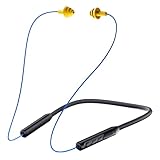
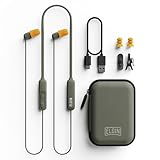
In-ear earbuds, also called canalphones, insert directly into your ear canal, creating a tighter seal. They often come with different-sized silicone or foam tips to ensure a good fit.
- Pros:
- Portability: Earbuds are extremely compact and portable, easily fitting in your pocket or bag.
- Noise Isolation: The snug fit of in-ear earbuds provides good passive noise isolation, similar to over-ear headphones.
- Sound Quality: High-quality in-ear earbuds can deliver surprisingly good sound quality, with a focused sound and detailed audio.
- Cons:
- Risk of Hearing Damage: Because they sit directly in your ear canal, earbuds can potentially deliver sound directly to the eardrum at a higher intensity than over-ear headphones.
- Hygiene: Earbuds can trap earwax and debris, increasing the risk of ear infections. Regular cleaning is essential.
- Comfort: Some users find in-ear earbuds uncomfortable, especially during extended use, because of the pressure in the ear canal.
Earbud Considerations: Sound Delivery and Proximity
The proximity of the sound source to the eardrum is a critical factor when considering the safety of earbuds. The closer the sound source, the less the sound has to disperse before reaching your eardrum. This means that a sound played at a certain volume level from an earbud might be perceived as louder than the same volume level played from over-ear headphones.
Sound Pressure Level (SPL) is an important concept here. SPL is the measure of the pressure of a sound wave. The closer the sound source to your eardrum, the higher the SPL at your eardrum. This means that even at a moderate volume setting, earbuds can expose your ears to higher SPLs than over-ear headphones. This is especially true if you are in a noisy environment and tend to increase the volume.
The ‘speaker’ size in earbuds is also smaller compared to headphones. This can sometimes affect the quality of the sound, and the smaller drivers might struggle to reproduce the full range of frequencies effectively. However, advancements in technology have led to high-quality earbuds that can deliver impressive sound despite their size.
Comparing Headphones and Earbuds: A Detailed Breakdown
Let’s compare headphones and earbuds side-by-side, focusing on safety, sound quality, and overall user experience. We’ll examine the key differences to help you make an informed decision.
| Feature | Over-Ear Headphones | On-Ear Headphones | In-Ear Earbuds |
|---|---|---|---|
| Noise Isolation | Excellent | Moderate | Good |
| Sound Quality | Generally superior, wider soundstage | Good | Good, can be excellent |
| Portability | Poor | Good | Excellent |
| Comfort (Long-Term) | Can be comfortable, depends on design | Can be comfortable, depends on design | Can be uncomfortable for some |
| Hearing Safety | Potentially safer due to noise isolation and distance from the eardrum | Potentially less safe due to less noise isolation | Potentially riskier due to proximity to eardrum |
| Hygiene | Easier to clean | Easier to clean | Requires regular cleaning to prevent ear infections |
| Cost | Can be expensive | Moderate | Can vary, from inexpensive to high-end |
| Sound Leakage | Minimal | Can be significant | Minimal |
Volume Levels and Listening Habits: The Keys to Safety
Regardless of whether you choose headphones or earbuds, your listening habits are paramount. The volume level and the duration of your listening sessions are the most significant factors that influence your hearing health. Here’s how to listen safely:
- The 60/60 Rule: This is a simple guideline: Listen at no more than 60% of your device’s maximum volume for no more than 60 minutes at a time. Take breaks between listening sessions to give your ears a rest.
- Use Volume Limiting: Most smartphones and music players have volume-limiting features. Activate these settings to prevent accidental exposure to excessively loud sounds.
- Be Mindful of Your Environment: If you’re in a noisy environment, you might be tempted to turn up the volume to overcome the ambient noise. Try to avoid listening in noisy places or use noise-canceling headphones to reduce the need to increase the volume.
- Monitor for Warning Signs: Pay attention to any signs of hearing damage, such as tinnitus (ringing in the ears), muffled hearing, or difficulty understanding speech. If you experience any of these symptoms, see an audiologist immediately.
- Take Breaks: Regularly take breaks from listening to audio. Even short breaks can help to reduce the stress on your ears. Every 30 minutes, give your ears a five-minute rest.
- Consider Noise-Canceling Technology: Noise-canceling headphones and earbuds can be a great investment. They reduce the amount of external noise, allowing you to listen at lower volumes.
Noise-Canceling Technology: A Powerful Ally
Noise-canceling technology is a game-changer when it comes to protecting your hearing. This technology uses microphones to detect ambient noise and then generates an opposite sound wave to cancel it out. This allows you to listen to your music, podcasts, or audiobooks at a lower volume, reducing the risk of hearing damage.
There are two main types of noise-canceling technology:
- Active Noise Cancellation (ANC): ANC uses microphones to capture external sounds, which are then processed by a chip to create an anti-noise signal that cancels out the ambient noise. This is the most effective type of noise cancellation.
- Passive Noise Isolation: Passive noise isolation relies on the physical design of the headphones or earbuds to block out external noise. Over-ear headphones often excel at passive noise isolation, as do in-ear earbuds with a tight seal.
Benefits of Noise-Canceling:
- Lower Volume Levels: Because noise-canceling headphones and earbuds block out external noise, you don’t have to crank up the volume to hear your audio clearly.
- Improved Sound Quality: In a quiet environment, you can better appreciate the nuances of your music.
- Reduced Stress on Your Ears: Listening at lower volumes reduces the risk of hearing damage and reduces fatigue.
Specific Scenarios: Practical Advice for Different Situations
The best choice between headphones and earbuds often depends on the specific situation and your personal preferences. Here’s some practical advice:
At Home or in a Quiet Office
Over-ear headphones are often the best choice for listening at home or in a quiet office. They offer excellent sound quality, good noise isolation, and are comfortable for long listening sessions. If you are concerned about hearing loss, over-ear headphones are often the safer option, especially if you are listening for extended periods.
Commuting and Traveling
In-ear earbuds are ideal for commuting and traveling, as they are small, portable, and provide good noise isolation. However, be mindful of the volume levels, and consider using noise-canceling earbuds to reduce the need to increase the volume.
Working Out
Sports-oriented earbuds are a good choice for working out. They are designed to stay in your ears during physical activity and often have features like sweat resistance. Make sure the fit is secure and comfortable to avoid ear infections.
For Phone Calls
Both headphones and earbuds can be used for phone calls, but choose a model with a built-in microphone. Over-ear headphones often have better microphone quality, but earbuds are more discreet.
The Importance of Professional Hearing Tests
Regular hearing tests are essential for monitoring your hearing health. An audiologist can assess your hearing and identify any signs of hearing loss early on. Early detection is critical for managing hearing loss and preventing further damage.
What to Expect During a Hearing Test:
- Case History: The audiologist will ask about your medical history, exposure to noise, and any hearing concerns.
- Otoscopy: The audiologist will examine your ear canals and eardrums using an otoscope.
- Tympanometry: This test measures the function of your middle ear.
- Audiometry: This is the primary test for assessing your hearing. You’ll listen to tones through headphones or earbuds and indicate when you hear them.
- Speech Audiometry: This test assesses your ability to understand speech.
How Often Should You Get a Hearing Test?
- Adults: Get a hearing test every 1-3 years, or more frequently if you have concerns or a history of noise exposure.
- Children: Regular hearing screenings are recommended for children, especially if they are exposed to loud noises.
Cleaning and Maintenance: Keeping Your Ears Healthy
Proper cleaning and maintenance of your headphones and earbuds are crucial for preventing ear infections and maintaining good hygiene. Here’s how to do it:
- Cleaning Headphones: Wipe down the earcups and headband with a damp cloth. Avoid using excessive water or cleaning solutions.
- Cleaning Earbuds: Regularly clean your earbuds with a soft, dry cloth. For in-ear earbuds, remove the ear tips and clean them separately. Consider using a cotton swab to clean the small openings.
- Replace Ear Tips: Replace the ear tips on your earbuds regularly, especially if they show signs of wear and tear.
- Store Properly: Store your headphones and earbuds in a clean, dry place when not in use.
- Avoid Sharing: Sharing earbuds or headphones can spread bacteria and increase the risk of ear infections.
Preventing Ear Infections:
- Dry Your Ears: After swimming or showering, dry your ears thoroughly.
- Avoid Inserting Objects: Never insert objects like cotton swabs or bobby pins into your ear canal.
- See a Doctor: If you experience any symptoms of an ear infection, such as ear pain, discharge, or hearing loss, see a doctor immediately.
Final Thoughts
So, are headphones or earbuds safer? The answer isn’t a simple one, as both have their advantages and disadvantages. Over-ear headphones often offer better protection due to their noise isolation and the distance from the eardrum. However, the true key to protecting your hearing lies in your listening habits. Always prioritize safe volume levels, limit listening time, and take regular breaks.
In-ear earbuds can be a convenient option, but they require extra caution due to their proximity to the eardrum. Consider using noise-canceling technology to reduce the need to increase the volume. Remember to prioritize your hearing health by getting regular check-ups and being mindful of your listening environment.
Ultimately, the best choice depends on your personal preferences and the situations in which you listen. By understanding the risks and following these practical tips, you can enjoy your audio content while protecting your hearing for years to come. Your ears will thank you for it!
Recommended Products