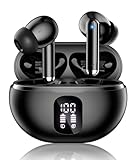
Are Headphones Better or Earbuds: Headphones vs. Earbuds:
Choosing between headphones and earbuds can feel like a tough decision. Both offer a way to enjoy your music, podcasts, and audiobooks, but they each come with their own set of advantages and disadvantages. This guide will break down everything you need to know about headphones and earbuds, helping you determine which option is the best fit for your needs.
We’ll explore the key differences in sound quality, comfort, portability, and features. We’ll also consider factors like price, battery life, and durability. Whether you’re a casual listener, a dedicated audiophile, or someone who’s always on the go, this article will provide you with the information you need to make an informed choice.
So, are headphones or earbuds better? Let’s get started and find out!
Headphones: A Deep Dive
Headphones, in their various forms, have been a staple of personal audio for decades. They offer a more immersive listening experience and often deliver superior sound quality, especially when it comes to low frequencies. But let’s look at the different types and their pros and cons.
Types of Headphones
- Over-Ear Headphones: These headphones fully enclose the ears, providing excellent noise isolation and generally the best sound quality. They are often the bulkiest option.
- On-Ear Headphones: These headphones sit on the ears rather than over them. They are more compact than over-ear headphones but may not isolate as much noise.
- Open-Back Headphones: These headphones have an open design that allows air to pass through the earcups. They offer a more natural sound but leak sound and aren’t ideal for noisy environments.
- Closed-Back Headphones: These headphones seal the earcups, providing good noise isolation and preventing sound leakage.
Pros of Headphones
- Superior Sound Quality: Generally, headphones, especially over-ear models, offer better sound quality than earbuds. They can accommodate larger drivers, resulting in a wider frequency range and more detailed sound. You’ll often experience richer bass and clearer highs.
- Noise Isolation: Over-ear headphones, in particular, provide excellent noise isolation. This means you can enjoy your music without being disturbed by external sounds.
- Comfort (for some): While some find them bulky, over-ear headphones can be more comfortable for extended listening sessions, as the weight is distributed over a larger area.
- Durability: Headphones tend to be more durable than earbuds, with sturdier construction that can withstand wear and tear.
- Battery Life: Many headphones offer impressive battery life, often lasting for 20-30 hours or even longer on a single charge.
Cons of Headphones
- Bulkiness: Headphones, especially over-ear models, are bulky and not as portable as earbuds.
- Heat and Sweat: Over-ear headphones can trap heat and cause your ears to sweat, especially during physical activity or in warm weather.
- Less Convenient for Exercise: While some headphones are designed for exercise, they can be cumbersome and may not stay in place as well as earbuds.
- Price: High-quality headphones can be expensive, sometimes costing several hundred dollars.
Earbuds: The Compact Contenders
Earbuds have become increasingly popular due to their portability and convenience. They come in various styles, including traditional earbuds that sit in the outer ear and in-ear monitors (IEMs) that insert into the ear canal.
Types of Earbuds
- Traditional Earbuds: These earbuds sit in the outer ear and don’t create a tight seal. They are generally less expensive but may not provide great sound quality or noise isolation.
- In-Ear Monitors (IEMs): These earbuds insert into the ear canal, creating a seal that improves sound quality and noise isolation. They often come with different-sized ear tips for a custom fit.
- True Wireless Earbuds: These earbuds have no wires and connect to your device via Bluetooth. They are extremely portable and convenient.
Pros of Earbuds
- Portability: Earbuds are small and lightweight, making them easy to carry around in your pocket or bag.
- Convenience: They are quick to put in and take out, and they don’t get tangled like wired headphones.
- Ideal for Exercise: Many earbuds are designed for exercise and are sweat-resistant and stay in place during workouts.
- Price: Earbuds can be relatively affordable, with many models available for under $100.
Cons of Earbuds
- Sound Quality: While improving, the sound quality of earbuds is often not as good as that of headphones, especially in the bass frequencies.
- Noise Isolation (varies): Traditional earbuds offer little noise isolation. IEMs provide better isolation, but it depends on the fit.
- Comfort (varies): Some people find earbuds uncomfortable, especially if they don’t fit well.
- Battery Life: Battery life can be shorter than headphones, especially for true wireless earbuds.
- Easy to Lose: Their small size makes them easier to misplace.
Headphones vs. Earbuds: A Detailed Comparison
Let’s break down the key factors to consider when choosing between headphones and earbuds.
Sound Quality
Headphones: Generally, headphones offer superior sound quality, particularly over-ear models. They can accommodate larger drivers, resulting in a wider frequency response and more detailed sound. This means you’ll typically experience deeper bass, clearer highs, and a more immersive listening experience. Open-back headphones often provide a more natural and spacious soundstage.
Earbuds: While the sound quality of earbuds has improved significantly, they often fall short of headphones in terms of audio fidelity. The smaller drivers and design limitations can result in less bass response and a less detailed sound. However, IEMs (In-Ear Monitors) can provide a more immersive experience than traditional earbuds due to their snug fit and ability to block out external noise.
Winner: Headphones (especially over-ear models) for sound quality.
Comfort
Headphones: Comfort varies depending on the type of headphones. Over-ear headphones can be comfortable for extended listening sessions, as the weight is distributed over a larger area. However, they can also trap heat and cause your ears to sweat. On-ear headphones may put pressure on your ears, which can become uncomfortable over time. Comfort also depends on the materials used, with models using plush earcups often being more comfortable.
Earbuds: Comfort depends greatly on the fit. Traditional earbuds that sit in the outer ear may not be as comfortable for everyone, and they don’t always stay in place. IEMs, which insert into the ear canal, can be comfortable if you find the right size ear tips, but some people find them intrusive. The weight and shape of the earbuds also play a significant role. Experimenting with different ear tips is crucial for finding the best fit.
Winner: It’s a tie. Comfort is subjective. Some may find headphones more comfortable, while others prefer the lightweight feel of earbuds. The right fit is key.
Portability
Headphones: Headphones, especially over-ear models, are bulky and not as portable as earbuds. While some headphones fold for easier storage, they still take up more space in your bag or pocket.
Earbuds: Earbuds are small and lightweight, making them extremely portable. They easily fit into your pocket, bag, or even a small case. True wireless earbuds come with a charging case that is also compact.
Winner: Earbuds for portability.
Noise Isolation
Headphones: Over-ear headphones provide excellent noise isolation, blocking out a significant amount of external noise. This is ideal for noisy environments like public transportation or busy offices. Closed-back headphones offer better isolation than open-back models.
Earbuds: Traditional earbuds offer little to no noise isolation. IEMs, however, create a seal in the ear canal that blocks out a significant amount of noise. The effectiveness of noise isolation depends on the fit and the type of ear tips used.
Winner: Headphones (over-ear and closed-back) and IEMs for noise isolation.
Durability
Headphones: Headphones tend to be more durable than earbuds, with sturdier construction that can withstand wear and tear. The headband and earcups are often made of durable materials that can withstand accidental drops and bumps.
Earbuds: Earbuds, especially true wireless earbuds, can be more fragile due to their small size and the components inside. They are also more susceptible to damage from water and sweat. The charging case can also be a point of failure.
Winner: Headphones for durability.
Battery Life
Headphones: Many headphones offer impressive battery life, often lasting for 20-30 hours or even longer on a single charge. This is ideal for long listening sessions or travel.
Earbuds: Battery life can be shorter than headphones, especially for true wireless earbuds. Most true wireless earbuds offer around 4-8 hours of playtime on a single charge, with the charging case providing additional charges. The battery life varies based on the model and usage.
Winner: Headphones for battery life.
Price
Headphones: High-quality headphones can be expensive, sometimes costing several hundred dollars. However, there are also affordable options available.
Earbuds: Earbuds can be relatively affordable, with many models available for under $100. However, premium earbuds, especially true wireless models with advanced features, can be just as expensive as high-end headphones.
Winner: Earbuds for affordability (depending on the model).
Features
Both headphones and earbuds offer various features, including:
- Active Noise Cancellation (ANC): This feature uses microphones to detect and cancel out external noise, providing a more immersive listening experience.
- Transparency Mode: This allows you to hear your surroundings without removing your headphones or earbuds.
- Bluetooth Connectivity: Wireless connectivity is standard for both headphones and earbuds.
- Multipoint Pairing: This allows you to connect to multiple devices simultaneously.
- Voice Assistant Integration: Many headphones and earbuds support voice assistants like Siri, Google Assistant, and Alexa.
- Water Resistance: Many earbuds and some headphones are water-resistant or waterproof.
The specific features available vary depending on the model and price range.
Winner: It’s a tie. Features depend on the specific model and price point.
Headphones vs. Earbuds: Comparison Table
To summarize the key differences, here’s a comparison table:
| Feature | Headphones | Earbuds |
|---|---|---|
| Sound Quality | Generally superior, especially over-ear | Can be good, but often less detailed |
| Comfort | Varies; can be comfortable for long sessions | Varies; depends on fit |
| Portability | Bulky | Highly portable |
| Noise Isolation | Excellent (over-ear and closed-back) | Varies (IEMs are good, traditional earbuds are poor) |
| Durability | Generally more durable | Can be more fragile |
| Battery Life | Longer battery life | Shorter battery life |
| Price | Can be expensive | Can be more affordable |
| Best For | Home listening, studio use, travel | Exercise, commuting, portability |
Choosing the Right Option for You
The best choice between headphones and earbuds depends on your individual needs and preferences. Consider the following factors:
- Your primary use case: Are you listening at home, commuting, exercising, or working in a noisy environment?
- Your budget: How much are you willing to spend?
- Your listening preferences: Do you prioritize sound quality, portability, or comfort?
- Your lifestyle: Are you always on the go, or do you spend most of your time at home?
Here are some scenarios to help you decide:
- For Immersive Sound and Noise Isolation: Over-ear headphones are an excellent choice.
- For Portability and Convenience: Earbuds, especially true wireless models, are ideal.
- For Exercise: Earbuds designed for exercise are a good option.
- For Budget-Conscious Buyers: Earbuds can be more affordable.
- For Commuting: Consider over-ear headphones for noise isolation or earbuds for portability.
- For Studio or Critical Listening: High-quality headphones are often preferred.
Tips for Buying Headphones or Earbuds
When shopping for headphones or earbuds, keep these tips in mind:
- Read reviews: See what other people are saying about the sound quality, comfort, and features.
- Consider the type of music you listen to: Different headphones and earbuds are better suited for different genres.
- Try them on (if possible): This will help you determine the comfort and fit.
- Check the warranty: A good warranty can protect your investment.
- Consider the features you need: Do you need noise cancellation, water resistance, or voice assistant integration?
- Set a budget: Decide how much you’re willing to spend before you start shopping.
- Research the brand: Some brands are known for their quality and customer service.
Caring for Your Headphones and Earbuds
To extend the life of your headphones and earbuds, follow these care tips:
- Clean them regularly: Use a soft, dry cloth to wipe them down.
- Store them properly: Store them in a case or pouch when not in use.
- Avoid extreme temperatures and humidity: This can damage the components.
- Protect them from water and sweat: If they are not water-resistant, avoid getting them wet.
- Adjust the volume: Listening to loud volumes for extended periods can damage your hearing.
- Handle them with care: Avoid dropping or damaging them.
Verdict
Ultimately, the choice between headphones and earbuds is a personal one. Both offer a way to enjoy your audio, but they excel in different areas. Headphones generally provide superior sound quality and noise isolation, while earbuds offer unmatched portability and convenience.
Consider your listening habits, budget, and lifestyle when making your decision. Weigh the pros and cons of each type, and read reviews to find the best option for your needs. Whether you choose headphones or earbuds, you’re sure to find a device that enhances your listening experience.
Recommended Products