Are Headphones Better for Ears Than Earbuds? A Detailed Look
Choosing between headphones and earbuds can feel like navigating a maze of audio options. We all want the best sound quality and comfort, but protecting our ears is paramount. The debate rages on: are headphones better for ears than earbuds? The answer, as you might suspect, isn’t a simple yes or no. It’s a nuanced discussion involving design, usage, and personal preference.
This article will delve into the pros and cons of both headphone and earbud designs. We’ll examine the potential risks to your hearing, discuss how to mitigate them, and guide you toward making an informed decision that prioritizes both your listening experience and your long-term ear health. Get ready to explore the world of audio, where understanding the differences can lead to a more enjoyable and safer listening journey.
Let’s dive into the details, shall we?
Headphones vs. Earbuds: A Head-to-Head Comparison
The core difference between headphones and earbuds lies in their design and how they interact with your ears. Headphones, in general, encompass the ear, while earbuds sit within the ear canal. This fundamental difference influences everything from sound quality and comfort to the potential for hearing damage.
Headphone Designs: Over-Ear, on-Ear, and Beyond
Headphones come in various styles, each with its own set of advantages and disadvantages. Understanding these variations is crucial for making the right choice.
- Over-Ear Headphones (Circumaural): These headphones completely enclose the ear, creating a seal around it. This design offers excellent sound isolation, blocking out external noise, and allowing for a more immersive listening experience. Over-ear headphones often deliver superior sound quality, with a wider soundstage and more detailed audio reproduction. The large earcups typically house larger drivers, contributing to richer bass and clearer highs. However, over-ear headphones can be bulkier and less portable. They can also cause heat buildup around the ears, which might lead to discomfort during extended use.
- On-Ear Headphones (Supra-Aural): On-ear headphones rest on the ears, applying pressure directly. They are generally more compact and portable than over-ear models, making them a popular choice for commuting and travel. They offer a balance between portability and sound quality, often being more affordable than over-ear headphones. However, the pressure on the ears can become uncomfortable over time, and the sound isolation is typically less effective than with over-ear headphones. Sound leakage can also be an issue, meaning others around you might hear what you’re listening to.
- Open-Back vs. Closed-Back Headphones: Within both over-ear and on-ear categories, you’ll find open-back and closed-back designs. Closed-back headphones seal the earcups, preventing sound leakage and offering better noise isolation. They are ideal for environments where you want to minimize distractions or avoid disturbing others. Open-back headphones, on the other hand, have vents in the earcups, allowing sound to escape. This design creates a more natural and open soundstage, but it also means that sound leaks out, and external noise enters. Open-back headphones are often preferred for critical listening in quiet environments.
Earbud Designs: In-Ear, True Wireless, and Beyond
Earbuds have become increasingly popular, especially with the rise of wireless technology. Their compact size and convenience make them attractive for everyday use.
- In-Ear Earbuds (Canalphones): These earbuds insert directly into the ear canal, creating a seal that blocks out external noise. This design offers good noise isolation and can deliver surprisingly good sound quality. In-ear earbuds are very portable and are a popular choice for workouts and active lifestyles due to their secure fit. However, they can cause discomfort if the fit isn’t right, and prolonged use can lead to ear fatigue. There is also the potential for increased risk of earwax buildup.
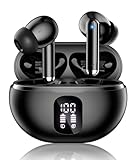
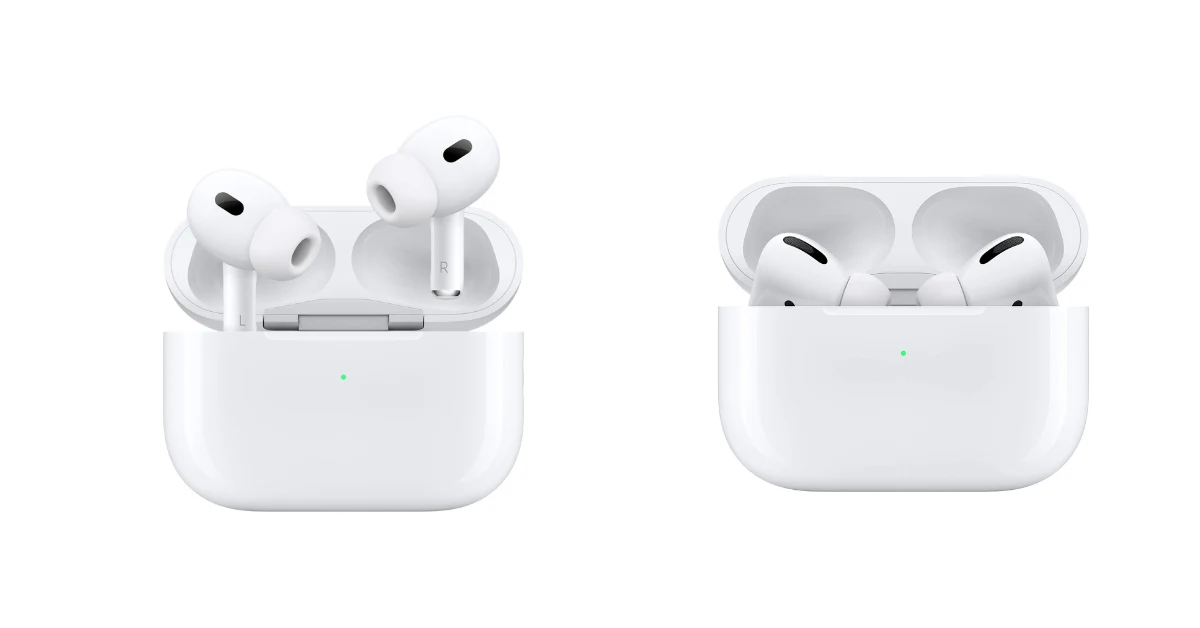
- True Wireless Earbuds: These earbuds are completely wireless, connecting to your device via Bluetooth without any connecting cables. They offer maximum convenience and portability. They come with a charging case that extends battery life. True wireless earbuds are a popular choice for those who value freedom of movement. However, sound quality can vary depending on the model, and the small size can make them easy to lose. Battery life is typically shorter than with wired options.
- Earbuds with Ear Hooks/Wings: Some earbuds incorporate ear hooks or wings to improve the fit and stability, particularly during physical activity. These features help keep the earbuds in place, preventing them from falling out during workouts or other movements.
Sound Quality: A Matter of Design and Technology
The sound quality of headphones and earbuds depends on multiple factors, including driver size, design, and the technology used. Generally, over-ear headphones often have an advantage due to their larger drivers and design that allows for better sound isolation.
- Driver Size: Larger drivers, commonly found in over-ear headphones, can produce a wider frequency response and richer bass. Smaller drivers in earbuds can still deliver excellent sound, but they might struggle to reproduce the same depth and impact.
- Sound Isolation: Headphones with excellent sound isolation, such as closed-back over-ear models and in-ear earbuds, can block out external noise, allowing you to hear the audio more clearly. This means you don’t need to crank up the volume to overcome background noise, which helps protect your hearing.
- Audio Technology: Features like active noise cancellation (ANC) can significantly enhance the listening experience by reducing background noise. Advanced audio codecs, such as aptX or LDAC, can improve the quality of audio transmitted via Bluetooth.
Comfort and Fit: Finding the Right Match
Comfort is a critical factor, especially if you plan to wear headphones or earbuds for extended periods. The right fit can make all the difference in your overall listening experience.
- Over-Ear Headphones: The comfort of over-ear headphones depends on the materials used, the weight of the headphones, and the clamping force. Look for headphones with soft earcups and an adjustable headband. Some people find over-ear headphones uncomfortable because they put pressure on their heads or ears.
- On-Ear Headphones: On-ear headphones often cause pressure on the ears, which can become uncomfortable over time. Make sure the earcups are well-padded and the headband is adjustable.
- In-Ear Earbuds: Finding the right fit is crucial for in-ear earbuds. Experiment with different ear tips to find the size that provides a secure seal without causing discomfort.
- Material Matters: Breathable materials, such as velour or mesh, can help prevent heat buildup, especially in over-ear headphones. Memory foam earcups can conform to the shape of your ears, providing a more comfortable fit.
Portability and Convenience: Making the Right Choice for Your Lifestyle
The portability and convenience of headphones and earbuds can significantly influence your choice, depending on your lifestyle and how you plan to use them.
- Over-Ear Headphones: Over-ear headphones are generally less portable due to their size. However, some models fold for easier storage.
- On-Ear Headphones: On-ear headphones offer a good balance between portability and sound quality. They are more compact than over-ear headphones.
- Earbuds: Earbuds are incredibly portable, fitting easily into your pocket or bag. True wireless earbuds come with a charging case, adding to their convenience.
Hearing Health: The Critical Consideration
Protecting your hearing is the most important factor when choosing between headphones and earbuds. Excessive exposure to loud sounds can cause permanent hearing damage, including noise-induced hearing loss (NIHL) and tinnitus (ringing in the ears).
- Volume Levels: The volume level is the most important factor in protecting your hearing. The louder the sound, the shorter the safe listening time. The 60/60 rule is a good guideline: listen at 60% of the maximum volume for no more than 60 minutes at a time.
- Noise Isolation: Headphones with good noise isolation allow you to listen at lower volumes, as they block out external noise. This reduces the risk of hearing damage.
- Earbud Risks: Earbuds are often placed directly in the ear canal, increasing the risk of hearing damage. They are also more likely to be used at high volumes. The proximity of the sound source to the eardrum can amplify the damaging effects of loud sounds.
- Headphone Risks: Over-ear headphones, if used at high volumes, can also cause hearing damage. However, the design often allows for better noise isolation, which can reduce the need to increase the volume.
- Hearing Protection: Consider using headphones with volume limiting features, which prevent you from exceeding safe listening levels. Take breaks from listening to allow your ears to recover. Get your hearing checked regularly by an audiologist.
Headphones vs. Earbuds: Which Is Better for Your Ears?
The answer to this question depends on your usage habits and preferences. Here’s a summary of the pros and cons of each type:
Headphones:
- Pros: Generally better sound quality, better noise isolation, potentially more comfortable for extended use, less likely to be used at excessively high volumes.
- Cons: Can be bulky, less portable, can cause heat buildup, some models can be expensive.
Earbuds:
- Pros: Highly portable, convenient, often more affordable, good for workouts.
- Cons: Can be more likely to be used at high volumes, sound source is very close to eardrum, potential for discomfort, increased risk of earwax buildup.
The Verdict:
While both headphones and earbuds can potentially cause hearing damage if used improperly, over-ear headphones, with their better sound isolation and generally lower volume levels, are often considered a safer choice for hearing health. However, the best approach is to be mindful of your listening habits, regardless of the type of audio device you use.
Tips for Protecting Your Hearing
Regardless of whether you choose headphones or earbuds, you can take steps to protect your hearing.
- Control the Volume: Keep the volume at a moderate level. The 60/60 rule is a good guideline.
- Limit Listening Time: Take breaks from listening to allow your ears to recover.
- Choose Noise Isolation: Select headphones or earbuds with good noise isolation to reduce the need to increase the volume.
- Use Volume Limiting Features: Many devices and apps offer volume limiting features to prevent you from exceeding safe listening levels.
- Be Mindful of Your Environment: Avoid listening to loud audio in noisy environments.
- Get Regular Hearing Checks: Have your hearing checked regularly by an audiologist.
- Listen to Your Ears: If you experience any symptoms of hearing damage, such as ringing in your ears (tinnitus) or muffled hearing, stop listening to audio immediately and consult a doctor.
The Future of Audio: Technology and Innovation
The audio industry continues to innovate, with new technologies emerging to enhance sound quality and protect hearing. Here are some trends to watch:
- Active Noise Cancellation (ANC): Improved ANC technology is becoming increasingly effective at blocking out external noise, allowing for a better listening experience at lower volumes.
- Personalized Audio: Some headphones and earbuds are now capable of personalizing the sound based on your individual hearing profile.
- Bone Conduction Technology: Bone conduction headphones transmit sound through the bones of your skull, bypassing the eardrum. This technology can be a safer alternative for those who want to listen to audio while still being aware of their surroundings.
- Health Monitoring: Some earbuds are incorporating health monitoring features, such as heart rate tracking and fitness data.
Making an Informed Choice: A Summary
Choosing between headphones and earbuds is a personal decision. Consider your lifestyle, your listening preferences, and, most importantly, your hearing health. Over-ear headphones often offer a safer listening experience due to better noise isolation and the potential to listen at lower volumes. However, earbuds can be a convenient option for portability and exercise. By understanding the pros and cons of each type and following the tips for protecting your hearing, you can make an informed choice that allows you to enjoy your audio while safeguarding your hearing for years to come.
Ultimately, the best choice depends on you. Weigh the factors, consider your priorities, and listen responsibly.
Final Thoughts
When weighing the options, consider that while both headphones and earbuds have their place, the design of over-ear headphones often lends itself to a safer listening experience. The superior noise isolation they offer can naturally lead to lower listening volumes, thus reducing the risk of hearing damage. However, the best approach involves responsible listening habits, regardless of the device you choose.
Prioritize your hearing health by controlling the volume, taking breaks, and choosing devices with noise-canceling capabilities. Be aware of the risks, and make informed choices. Remember, the goal is to enjoy your music while protecting your ability to hear it for a lifetime. Choose wisely, and listen safely.
Recommended Products