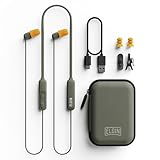
Are Earbuds Osha Approved? Safety Guidelines Explained
Ever wondered about the safety of using earbuds at work? You’re not alone! Many people rely on earbuds for communication, entertainment, and even safety, but it’s a valid concern whether they meet the standards set by the Occupational Safety and Health Administration (OSHA). The question ‘are earbuds OSHA approved’ isn’t always straightforward. It depends on several factors, including the work environment, the specific earbuds, and how they’re used.
This comprehensive guide will explore the intricacies of OSHA regulations concerning earbuds, what you need to know about workplace safety, and how to stay compliant. We’ll break down the regulations, discuss the potential hazards, and offer practical advice to help you make informed decisions. Let’s delve into the details and clarify the guidelines surrounding earbud use in the workplace, ensuring your safety and compliance.
Osha and Hearing Protection: The Basics
OSHA’s primary concern regarding hearing protection is preventing noise-induced hearing loss (NIHL). NIHL is a significant occupational hazard, and OSHA has established standards to protect workers from excessive noise exposure. These standards, primarily found in 29 CFR 1910.95 (Occupational Noise Exposure), outline the requirements for employers to safeguard their employees’ hearing. The regulations are designed to minimize the risk of hearing damage in noisy environments.
Key Osha Regulations Related to Hearing Protection
- Action Level: When employees are exposed to an eight-hour time-weighted average (TWA) sound level of 85 decibels (dB) or higher, employers must implement a hearing conservation program.
- Permissible Exposure Limit (PEL): The PEL is 90 dB TWA over an eight-hour period. Employers must reduce noise levels to or below this limit.
- Hearing Conservation Program: This program includes noise monitoring, audiometric testing, hearing protection, and training.
- Hearing Protection Devices (HPDs): When noise levels exceed the PEL, or when employees are exposed to the action level, employers must provide and ensure the use of hearing protection.
These regulations are the foundation for understanding how earbuds fit into the picture. They don’t specifically mention earbuds, but they do address the need for hearing protection in noisy environments. The critical factor is whether the earbuds provide adequate protection against hazardous noise levels.
Are Earbuds Considered Hearing Protection?
The short answer is: it depends. Standard earbuds, the kind you typically use for listening to music or making calls, are generally not considered OSHA-approved hearing protection. They are not designed to significantly reduce noise levels in the same way as specialized hearing protection devices (HPDs) such as earplugs or earmuffs.
However, some earbuds are designed with noise-canceling or noise-isolating features. These features can provide some level of noise reduction, but it’s crucial to understand their limitations and whether they meet OSHA standards for the specific work environment.
Factors Determining Earbud Suitability
- Noise Reduction Rating (NRR): This is a rating assigned to hearing protection devices that indicates how much noise they can reduce. Standard earbuds typically have a low or no NRR.
- Work Environment Noise Levels: The level of noise in the workplace is the primary factor in determining the type of hearing protection required.
- OSHA Compliance: Employers must ensure that any hearing protection used meets OSHA standards for the specific noise levels present.
It’s essential to consult with a safety professional to determine the appropriate hearing protection for your workplace. They can assess the noise levels, recommend suitable HPDs, and ensure compliance with OSHA regulations.
When Can Earbuds Be Used in the Workplace?
While standard earbuds are generally not considered hearing protection, there are situations where their use may be permissible, provided they do not interfere with safety and do not violate OSHA regulations. Here are some examples:
- Low-Noise Environments: In workplaces with low noise levels (below the OSHA action level of 85 dB TWA), the use of earbuds for communication or entertainment may be acceptable, as long as they don’t impede your ability to hear important safety warnings or instructions.
- Office Environments: In typical office settings, where noise levels are generally low, earbuds can be used for calls or listening to music without posing a significant hearing hazard. However, it’s still crucial to be aware of your surroundings and ensure you can hear important announcements or conversations.
- Specific Job Roles: Some job roles might allow for earbud use if the noise levels are controlled and the earbuds are used for specific communication purposes, such as receiving instructions. However, this is always subject to the employer’s policies and the specific OSHA regulations applicable to the work environment.
It’s crucial to remember that employer policies and specific work environments are the ultimate determinants of earbud use. Always refer to your company’s safety guidelines and consult with your supervisor or safety officer for clarification.
Types of Earbuds and Their Impact on Safety
Not all earbuds are created equal. The design and features of your earbuds can significantly impact their suitability for workplace use. Here’s a breakdown of different types and their implications for safety:
Standard Earbuds
These are the most common type, often included with smartphones or sold at low prices. They typically offer minimal noise isolation and are not designed to provide significant hearing protection. Their primary function is to deliver audio, not to block out external noise.
- Pros: Inexpensive, readily available, convenient for personal use.
- Cons: Provide little to no noise reduction, can potentially mask important sounds, not suitable for noisy environments.
- Safety Implications: Generally not suitable for workplaces with noise hazards. Can pose a safety risk if they impede your ability to hear warnings or instructions.
Noise-Canceling Earbuds
These earbuds use active noise cancellation (ANC) technology to reduce ambient noise. They can be effective at blocking out low-frequency sounds, such as engine noise or background hum. However, their noise reduction capabilities vary, and they may not provide sufficient protection in high-noise environments.
- Pros: Can reduce background noise, improve audio clarity, may be suitable for some low-noise workplaces.
- Cons: Noise reduction effectiveness varies, may not meet OSHA standards for all environments, can be expensive.
- Safety Implications: May be acceptable in specific low-noise environments, but always consider the noise levels and potential for masking important sounds.
Noise-Isolating Earbuds
These earbuds use a physical barrier, such as silicone or foam tips, to block out external noise. They create a seal in the ear canal that reduces the amount of sound that reaches your eardrums. The level of noise reduction depends on the design and materials used.
- Pros: Can provide a moderate level of noise reduction, often more effective than standard earbuds, relatively affordable.
- Cons: Noise reduction may not be sufficient for high-noise environments, can be uncomfortable for extended use, may still mask important sounds.
- Safety Implications: May be suitable for some environments, but always check the NRR and consider the noise levels.
Earbuds with Built-in Hearing Protection
Some manufacturers are starting to produce earbuds that incorporate hearing protection features, such as built-in filters or noise reduction technology that meets specific NRR requirements. These types of earbuds are designed to provide both audio delivery and hearing protection.
- Pros: Offer both audio and hearing protection, may be suitable for a wider range of workplaces, convenient.
- Cons: Can be more expensive than standard earbuds, may have limitations in high-noise environments.
- Safety Implications: Can be a good option for workplaces with moderate noise levels, but always verify the NRR and ensure they meet OSHA standards.
How to Choose Earbuds for Workplace Use
If your workplace allows earbud use, you need to choose the right ones to balance your needs with safety. Here’s what to consider:
1. Assess the Noise Level of Your Environment
The first step is to determine the noise levels in your workplace. This can be done through noise monitoring, which measures the decibel levels over time. If the noise levels exceed the OSHA action level (85 dB TWA), hearing protection is required. If you don’t know the noise levels, consult with your employer or safety officer to get this information.
2. Consider the Earbud Features
Look for features that enhance safety and usability:
- Noise Reduction Rating (NRR): Check the NRR of the earbuds. A higher NRR indicates greater noise reduction. However, remember that the actual noise reduction may be lower than the NRR.
- Awareness Mode: Some earbuds have an “awareness mode” or “transparency mode” that allows you to hear external sounds. This can be helpful for staying aware of your surroundings.
- Comfort: Choose earbuds that fit comfortably and securely in your ears. This will improve their effectiveness and reduce the risk of them falling out or causing discomfort during extended use.
- Durability: Look for earbuds that are designed to withstand the rigors of your work environment. Consider factors like water resistance, dust resistance, and overall build quality.
3. Consult with Your Employer or Safety Officer
Before purchasing or using any earbuds in the workplace, consult with your employer or safety officer. They can provide guidance on the specific requirements for your job role and work environment. They can also advise on the types of earbuds that are approved or recommended.
4. Follow Company Policies
Always adhere to your company’s policies regarding earbud use. These policies may specify the types of earbuds allowed, the situations where they are permitted, and any restrictions on their use. Ignoring these policies can lead to disciplinary action or safety violations.
Alternatives to Earbuds for Hearing Protection
If earbuds aren’t suitable or sufficient for your workplace, consider these alternatives:
1. Earplugs
Earplugs are a common and effective form of hearing protection. They come in various types, including foam, silicone, and custom-molded options. They are inserted into the ear canal to block out noise and provide a high level of noise reduction. Earplugs are generally more effective than standard earbuds for hearing protection.
- Pros: Effective noise reduction, affordable, readily available.
- Cons: Can be uncomfortable for some users, may need to be replaced regularly.
2. Earmuffs
Earmuffs are another popular option. They fit over the ears and create a seal around the earcups to block out noise. Earmuffs are generally more comfortable than earplugs for extended use. They are particularly effective for high-frequency noise.
- Pros: Comfortable, easy to put on and take off, effective for high-frequency noise.
- Cons: Can be bulky, may not be suitable for all work environments.
3. Electronic Hearing Protection
Electronic hearing protection devices combine hearing protection with advanced features. These devices often include noise cancellation, sound amplification, and the ability to connect to communication devices. They can provide both hearing protection and enhanced situational awareness.
- Pros: Advanced features, can improve communication, provide situational awareness.
- Cons: More expensive than other options, may require batteries or charging.
4. Engineering Controls
Engineering controls are changes made to the work environment to reduce noise levels at the source. Examples include:
- Enclosing noisy equipment.
- Replacing noisy equipment with quieter models.
- Installing sound-absorbing materials.
Engineering controls are the most effective way to reduce noise exposure and protect workers’ hearing.
Training and Education on Hearing Protection
OSHA requires employers to provide training and education on hearing protection for employees who are exposed to noise levels above the action level. This training should cover:
- The effects of noise on hearing.
- The purpose and proper use of hearing protection devices.
- The selection, fit, and care of hearing protection devices.
- The importance of audiometric testing.
Training should be provided annually and whenever changes in the workplace or hearing protection devices occur. Proper training helps ensure that employees understand the risks of noise exposure and know how to protect their hearing effectively.
Practical Tips for Safe Earbud Use in the Workplace
If your workplace allows earbud use, follow these tips to ensure your safety:
- Maintain Situational Awareness: Always be aware of your surroundings. Pay attention to warnings, alarms, and instructions.
- Keep the Volume at a Safe Level: Avoid listening to audio at high volumes. Prolonged exposure to loud sounds can damage your hearing.
- Take Breaks: If you’re using earbuds for extended periods, take breaks to give your ears a rest.
- Clean Your Earbuds Regularly: Clean your earbuds regularly to prevent the buildup of bacteria and wax.
- Replace Damaged Earbuds: If your earbuds are damaged, replace them immediately.
- Communicate with Others: If you need to communicate with coworkers, remove your earbuds or lower the volume.
- Follow Company Policies: Adhere to your company’s policies on earbud use.
- Report Any Concerns: If you have any concerns about noise levels or hearing protection, report them to your supervisor or safety officer.
Legal and Liability Considerations
Employers have a legal responsibility to protect their employees from noise hazards. Failure to comply with OSHA regulations can result in fines, lawsuits, and other penalties. Employers should:
- Conduct Noise Surveys: Regularly assess the noise levels in the workplace.
- Provide Hearing Protection: Supply and ensure the use of appropriate hearing protection.
- Implement a Hearing Conservation Program: Establish and maintain a comprehensive hearing conservation program, including audiometric testing and training.
- Enforce Safety Policies: Enforce safety policies related to noise exposure and hearing protection.
Employees also have a responsibility to protect their own hearing. This includes using hearing protection when required, following safety guidelines, and reporting any concerns to their employer.
Final Thoughts
So, are earbuds OSHA approved? The answer isn’t a simple yes or no. Standard earbuds typically aren’t considered OSHA-approved hearing protection. However, their use might be acceptable in low-noise environments or for specific communication purposes, provided they don’t compromise safety.
Understanding OSHA regulations, assessing your work environment’s noise levels, and choosing the right earbuds or hearing protection are critical. Always prioritize your safety and follow your employer’s policies. If in doubt, consult with a safety professional to ensure you’re compliant and your hearing is protected.
Recommended Products