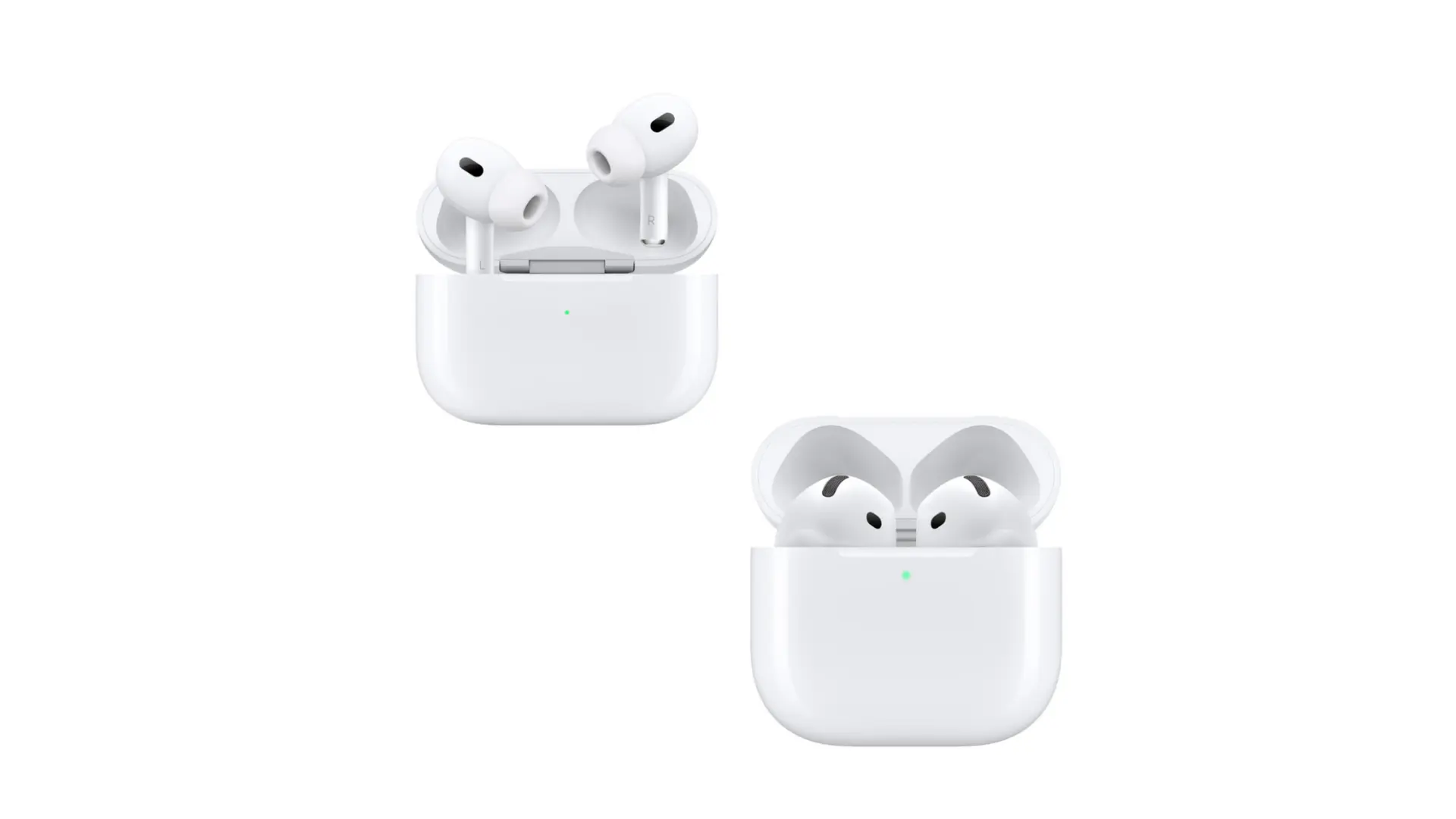
Are Earbuds Damaging My Hearing? Expert Advice
We all love our earbuds, right? They’re our constant companions – fueling workouts, commutes, and even quiet moments at home. But have you ever stopped to wonder if those tiny speakers nestled in your ears are doing more harm than good? It’s a valid concern, and one that deserves a closer look.
I’ve spent years researching and observing the effects of sound on our ears, and the truth is, prolonged exposure to loud noises, regardless of the source, can lead to hearing damage. Earbuds, due to their proximity to our eardrums and the potential for high volumes, are definitely a piece of the puzzle. This article will help you understand the risks, the science behind it, and most importantly, what you can do to protect your hearing while still enjoying your favorite tunes and podcasts.
We’ll explore the factors that contribute to hearing loss from earbuds, how to identify early warning signs, and practical strategies to listen safely. Let’s get started!
The Science of Sound and Hearing Loss
Before we dive into the specifics of earbuds, it’s essential to understand how our ears work and how they can be damaged. Our ears are incredibly complex and delicate organs, responsible for converting sound waves into electrical signals that our brains interpret as sound.
The journey of sound begins with the outer ear, which funnels sound waves towards the eardrum (tympanic membrane). The eardrum vibrates in response to these waves, and these vibrations are then transmitted to three tiny bones in the middle ear: the malleus (hammer), incus (anvil), and stapes (stirrup). These bones amplify the vibrations and pass them on to the inner ear.
The inner ear houses the cochlea, a snail-shaped structure filled with fluid and lined with thousands of tiny hair cells called stereocilia. These hair cells are the key to our hearing. When the fluid in the cochlea vibrates, it causes the stereocilia to move. This movement generates electrical signals that are sent to the brain via the auditory nerve, allowing us to perceive sound.
Hearing loss, often referred to as noise-induced hearing loss (NIHL), occurs when these delicate hair cells in the cochlea are damaged or destroyed. This damage can be caused by a single exposure to a very loud noise (acoustic trauma) or, more commonly, by prolonged exposure to moderately loud noises. The louder the sound and the longer the exposure, the greater the risk of damage. Once these hair cells are damaged, they do not regenerate, leading to permanent hearing loss.
Decibels and the Danger Zone
Sound is measured in decibels (dB). The decibel scale is logarithmic, meaning that a small increase in dB represents a significant increase in sound intensity. For example, a 10 dB increase represents a tenfold increase in sound power.
Here’s a general guide to sound levels and their potential impact on hearing:
- 0-20 dB: Very quiet (e.g., rustling leaves) – Generally safe.
- 20-60 dB: Normal conversation, background noise – Generally safe.
- 60-85 dB: Busy street, vacuum cleaner – Safe for short durations, but prolonged exposure can be risky.
- 85-100 dB: Motorcycle, lawnmower, loud music – Risk of hearing damage with prolonged exposure. This is a crucial threshold.
- 100-120 dB: Concert, jet engine – Immediate risk of hearing damage.
- 120+ dB: Fireworks, gunshot – Can cause instant and permanent hearing loss.
Earbuds can easily reach these dangerous levels, especially when used at high volumes. The closer the sound source is to your eardrum, the more intense the sound pressure is. This is why earbuds pose a higher risk than, say, listening to music through speakers across the room.
Types of Hearing Loss
Understanding the different types of hearing loss is important for recognizing the potential impact of earbuds. The most common type of hearing loss related to noise exposure is sensorineural hearing loss, which involves damage to the hair cells in the inner ear or the auditory nerve. There are other types too:
- Sensorineural Hearing Loss: This is the most common type and results from damage to the inner ear (cochlea) or the auditory nerve. It is often permanent.
- Conductive Hearing Loss: This type occurs when sound waves are unable to travel efficiently through the outer or middle ear. This can be caused by earwax buildup, infections, or damage to the eardrum or ossicles (the small bones in the middle ear). Conductive hearing loss is sometimes treatable.
- Mixed Hearing Loss: This is a combination of sensorineural and conductive hearing loss.
How Earbuds Contribute to Hearing Damage
Earbuds present a unique set of challenges when it comes to hearing health. Several factors contribute to their potential for causing hearing damage:
Proximity to the Eardrum
As mentioned earlier, the closer the sound source is to your eardrum, the greater the sound pressure. Earbuds sit directly in your ear canal, delivering sound directly to your eardrum. This means that a relatively low volume setting on your device can still translate to a high decibel level at your eardrum.
High Volume Levels
Many people listen to music or other audio content at volumes that are too loud, especially in noisy environments. To overcome background noise, we often instinctively turn up the volume. This can lead to prolonged exposure to damaging sound levels.
Long Listening Durations
The longer you listen at a high volume, the greater the risk of hearing damage. Even at moderate volumes, extended listening sessions can contribute to hearing loss. Commutes, workouts, and workdays often involve continuous earbud use, increasing the risk.
Type of Earbuds
Not all earbuds are created equal. The design and fit of your earbuds can influence the level of sound exposure. In-ear earbuds (those that go directly into your ear canal) tend to provide better sound isolation, but they can also trap sound and increase the risk of damage. Over-ear headphones provide some sound protection, but can still cause damage.
Sound Isolation vs. Sound Leakage
Earbuds that create a good seal (e.g., in-ear models with silicone tips) can provide better sound isolation, which means they block out more external noise. This can be a benefit in noisy environments, as you don’t need to crank up the volume as much to hear your audio. However, if the seal is too tight, it can also amplify the sound within the ear canal, potentially increasing the risk of damage. Conversely, earbuds that leak sound (e.g., some open-back models) may require you to turn up the volume to compensate for the lost sound, increasing your exposure to higher decibel levels.
Recognizing the Signs of Hearing Damage
Hearing loss often develops gradually, so it’s essential to be aware of the early warning signs. Recognizing these signs can allow you to take steps to protect your hearing before the damage becomes permanent.
Tinnitus
Tinnitus is the perception of a ringing, buzzing, hissing, or clicking sound in the ears. It can be constant or intermittent. Tinnitus is a common symptom of noise-induced hearing loss and can be an early indicator of damage. If you experience tinnitus after using earbuds, it’s a good idea to reduce your volume and listening time and consult with a healthcare professional.
Muffled Hearing
Do things sound muffled or distorted, as if you’re underwater? This can be a sign of hearing damage. You might find it difficult to understand conversations, especially in noisy environments.
Difficulty Understanding Speech
Hearing loss often affects the ability to understand high-frequency sounds, which are crucial for speech comprehension. You might struggle to hear consonants like “s,” “f,” “t,” and “k.” This can make it difficult to follow conversations and understand what people are saying.
Increased Volume Needed
If you find yourself constantly turning up the volume on your earbuds or other audio devices to hear clearly, this could be a sign that your hearing is already damaged. Your ears may be adapting to the sound levels you are exposing them to.
Pain or Discomfort
While not as common, some people may experience pain or discomfort in their ears after listening to loud music through earbuds. This can be a sign of acoustic trauma or temporary hearing damage.
Temporary Hearing Loss After Exposure
After listening to loud music, you might experience temporary hearing loss, where your hearing seems dull or reduced for a few hours or even a day. This is a sign that your ears have been stressed and are recovering. Frequent occurrences of this temporary hearing loss can lead to permanent damage over time.
If you experience any of these symptoms, it’s crucial to take action. Reduce your earbud volume and listening time, and consider consulting with an audiologist or healthcare professional for a hearing test.
Safe Listening Practices for Earbud Users
The good news is that you can still enjoy your earbuds while protecting your hearing. Implementing safe listening practices can significantly reduce your risk of hearing damage. Here are some key strategies:
The 60/60 Rule
The 60/60 rule is a simple guideline to follow: Listen to your audio at no more than 60% of the maximum volume for no more than 60 minutes at a time. This rule helps to limit your exposure to potentially damaging sound levels and gives your ears a break. Take breaks to let your ears recover.
Volume Control
Be mindful of the volume level. Most smartphones and music players have volume limit settings. Use these to restrict the maximum volume output. Don’t simply crank the volume up without thinking. If you can’t hear someone talking to you without removing your earbuds, the volume is likely too loud.
Choose the Right Earbuds
Consider the type of earbuds you use. In-ear earbuds with good sound isolation can be a good choice, as they help to block out external noise, allowing you to listen at lower volumes. However, ensure that the fit is comfortable and doesn’t create excessive pressure in your ear canal.
Take Breaks
Give your ears a rest. If you’re listening to audio for an extended period, take breaks every hour or so. Remove your earbuds for a few minutes and allow your ears to recover. This reduces the overall exposure to sound.
Noise Reduction
In noisy environments, use noise-canceling earbuds or headphones. These devices actively reduce external noise, allowing you to listen at lower volumes. This is a great way to protect your hearing while still enjoying your audio.
Consider Ambient Sound Mode
Some earbuds have an “ambient sound” or “transparency” mode that allows you to hear the outside world while still listening to your audio. This can be helpful for staying aware of your surroundings and reducing the need to turn up the volume to hear conversations or traffic.
Regular Hearing Checks
Schedule regular hearing tests with an audiologist, especially if you regularly use earbuds or are exposed to loud noises. Early detection of hearing loss allows for timely intervention and can help prevent further damage. Even if you think your hearing is fine, regular checks provide a baseline for comparison.
Be Aware of Your Surroundings
Pay attention to the environment you’re in. If you’re in a noisy environment, you might need to adjust your volume. Be especially cautious of using earbuds in situations where you need to be aware of your surroundings, such as while crossing the street or riding a bicycle.
Ear Protection in Loud Environments
If you work in a noisy environment or engage in activities that expose you to loud sounds (e.g., concerts, construction sites), use earplugs or earmuffs to protect your hearing. This is especially important if you are going to be exposed to loud noises for extended periods.
Monitor Your Symptoms
Pay attention to any changes in your hearing. If you experience tinnitus, muffled hearing, or difficulty understanding speech, reduce your earbud volume and listening time and see a healthcare professional.
Utilize Volume Limiting Features
Most modern devices have volume limiting features. Enable these features to restrict the maximum volume output of your device. This can be a simple but effective way to protect your hearing.
Educate Yourself
Learn about the risks of noise-induced hearing loss and the importance of safe listening practices. The more you know, the better equipped you’ll be to make informed decisions about your hearing health.
Alternatives and Accessories
Beyond the core strategies, there are additional tools and alternatives that can help you protect your hearing while using earbuds.
Noise-Canceling Earbuds and Headphones
Noise-canceling technology is a game-changer for safe listening. By actively reducing background noise, you can enjoy your audio at a lower volume, reducing the strain on your ears. High-quality noise-canceling headphones are available in both over-ear and in-ear designs, offering a variety of options to suit your preferences and needs.
Ambient Sound Mode
As mentioned earlier, earbuds with an ambient sound mode (also known as transparency mode) allow you to hear the outside world while still listening to your audio. This is particularly useful in situations where you need to be aware of your surroundings, such as when walking, cycling, or working in an office. This feature reduces the need to remove your earbuds or turn up the volume to hear external sounds.
Bone Conduction Headphones
Bone conduction headphones transmit sound through the bones of your skull, bypassing the eardrum. This can be a good option for people who want to listen to audio without putting anything directly in their ears. While bone conduction headphones can still expose you to loud sounds, they reduce the direct impact on your eardrums.
Earbud Accessories
Consider using accessories such as:
- Foam ear tips: These can provide a better seal and improve sound isolation, allowing you to listen at lower volumes.
- Earbud cases: These can help protect your earbuds from damage and keep them clean.
Software and Apps
Some apps and software programs offer features to help you monitor and manage your listening habits. These may include:
- Volume limiters: These apps can prevent you from exceeding a preset volume level.
- Listening time trackers: These apps can monitor how long you’ve been listening to audio and send you reminders to take breaks.
- Hearing protection apps: Some apps provide educational resources and tools to help you understand and protect your hearing.
Comparing Earbud Options
Here’s a quick comparison of different earbud types to help you make informed decisions:
| Earbud Type | Pros | Cons | Hearing Health Considerations |
|---|---|---|---|
| In-Ear Earbuds (with silicone tips) | Good sound isolation, portable | Can trap sound, potential for excessive volume | Ensure a good fit, use at moderate volumes, take breaks |
| Over-Ear Headphones | Better sound quality, less direct impact on eardrum | Bulky, can be hot | Monitor volume, take breaks, consider noise-canceling models |
| Open-Back Headphones | Natural sound, comfortable | Poor sound isolation, may require higher volumes | Use in quiet environments, monitor volume |
| Noise-Canceling Earbuds/Headphones | Reduces external noise, allows for lower volumes | Can be expensive, some people dislike the feel | Monitor volume, take breaks |
| Bone Conduction Headphones | Bypasses eardrum, good for awareness | Sound quality may be lower, can still be loud | Monitor volume, use in quiet environments |
Final Thoughts
Protecting your hearing while using earbuds requires awareness and proactive measures. By understanding the risks, implementing safe listening practices, and choosing the right gear, you can enjoy your favorite audio content without compromising your hearing health.
Remember the 60/60 rule, use volume limiters, and take breaks. Choose earbuds with good sound isolation or noise-canceling capabilities. And most importantly, listen to your ears. If you experience any signs of hearing damage, reduce your volume and consult with a healthcare professional.
Taking these steps will ensure that you can enjoy your music, podcasts, and audiobooks for years to come without the worry of hearing loss. Your ears will thank you!
Recommended Products