Are Earbuds and Headphones the Same Thing? A Deep Dive
Ever wondered if those tiny things you pop in your ears are the same as the big ones that go over your head? You’re not alone! The world of audio can be a bit confusing, with terms like ‘earbuds’ and ‘headphones’ often used interchangeably. But are they really the same thing? The answer, as with many things, is nuanced. We’re going to break down the differences, the similarities, and everything in between, so you can make informed decisions about your audio gear. Whether you’re a music lover, a podcast enthusiast, or someone who just wants to enjoy a good audiobook, understanding these distinctions is crucial.
Get ready to explore the fascinating world of personal audio and find out which option is best for your needs. We’ll examine the design, sound quality, portability, and even the comfort of each type. By the end of this article, you’ll be able to confidently tell the difference and choose the perfect audio companion for any situation.
The Core Differences: Design and Functionality
At their most basic, the key difference between earbuds and headphones lies in their physical design and how they interact with your ears. This design significantly impacts everything from sound quality to portability.
Earbuds: Compact and Portable
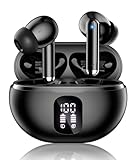
Earbuds, also known as earphones, are designed to sit just inside the ear canal or outer ear. They’re typically small, lightweight, and incredibly portable. The primary goal is convenience. They’re easy to carry around in your pocket, bag, or even just around your neck. The common types of earbuds include:
- In-Ear Earbuds: These earbuds insert directly into the ear canal, creating a seal that blocks out some external noise. They often come with different-sized silicone or foam tips to ensure a snug fit.
- Earbuds (Non-Sealing): These sit in the outer ear but don’t create a seal. They’re less intrusive but may not offer the same level of sound isolation.
- True Wireless Earbuds: These are completely wireless, with each earbud operating independently. They connect to your device via Bluetooth and often come with a charging case.
The design of earbuds makes them ideal for on-the-go listening, exercising, and situations where you need to be aware of your surroundings.
Headphones: Over-Ear and on-Ear Designs
Headphones, on the other hand, come in two main styles:
- Over-Ear Headphones (Circumaural): These headphones completely enclose the ears, creating a seal around them. This design generally provides excellent sound isolation and can deliver a richer, more immersive audio experience.
- On-Ear Headphones (Supra-aural): These headphones rest on the ears. They’re generally more compact than over-ear headphones but may not offer the same level of sound isolation or comfort.
Headphones are generally larger and less portable than earbuds. Their design focuses on delivering high-quality sound and comfort for extended listening sessions. They’re great for listening at home, in the office, or anywhere you can relax.
Sound Quality: A Comparative Analysis
Sound quality is a crucial factor when choosing between earbuds and headphones. While both can deliver excellent audio, their designs influence how sound is perceived.
Earbud Sound Quality
The sound quality of earbuds varies greatly depending on the design, the quality of the components, and the fit. Here’s a breakdown:
- In-Ear Earbuds: Because they create a seal, in-ear earbuds often provide better bass response and sound isolation than earbuds that don’t seal. However, the sound quality can be affected by the fit, and poor fit can lead to a loss of bass and a less immersive experience.
- Non-Sealing Earbuds: These earbuds tend to have less bass and can leak sound, making them less suitable for noisy environments. They often prioritize convenience and awareness of surroundings.
- True Wireless Earbuds: The sound quality of true wireless earbuds has improved significantly in recent years. Many now support advanced audio codecs like aptX and AAC, which enhance the audio quality over Bluetooth.
Key Takeaway: Earbuds, especially in-ear models, can deliver surprisingly good sound quality, but the fit is crucial for optimal performance.
Headphone Sound Quality
Headphones are generally known for their superior sound quality, largely due to their design. Here’s why:
- Larger Drivers: Headphones typically have larger drivers (the components that produce sound) than earbuds. Larger drivers can move more air, resulting in a wider frequency response and a more detailed sound.
- Better Sound Isolation: Over-ear headphones, in particular, create a seal that blocks out external noise. This allows you to hear more of the music and less of the environment.
- Enhanced Bass Response: The enclosed design of over-ear headphones often results in a more pronounced and accurate bass response.
Key Takeaway: Headphones usually offer a more immersive and detailed listening experience, particularly for music lovers and audiophiles.
Portability and Convenience: Weighing the Trade-Offs
Portability is a significant factor in choosing between earbuds and headphones. Your lifestyle and how you intend to use your audio gear will influence your decision.
Earbuds: The Champion of Portability
Earbuds win hands down in terms of portability. Their compact size makes them incredibly convenient for:
- On-the-Go Listening: Easily slips into a pocket, purse, or bag.
- Exercise: Lightweight and secure fit, suitable for running, working out, and other activities.
- Commuting: Perfect for public transport, allowing you to listen without disturbing others.
- Travel: Small enough to take anywhere, providing audio entertainment on flights, trains, and buses.
Key Takeaway: If portability is your top priority, earbuds are the clear choice.
Headphones: Less Portable, More Immersive
Headphones are less portable due to their larger size, but they offer other advantages. Consider these points:
- Home and Office Use: Ideal for listening at home, working in the office, or anywhere you can sit and relax.
- Noise Isolation: Over-ear headphones excel at blocking out external noise, making them great for noisy environments like airplanes or busy cafes.
- Comfort: While they’re larger, over-ear headphones can be more comfortable for extended listening sessions, as they distribute the weight more evenly.
Key Takeaway: Headphones are best suited for situations where portability is less critical and sound quality and comfort are more important.
Comfort: Finding the Right Fit
Comfort is a critical factor, especially if you plan to wear your audio device for extended periods. Both earbuds and headphones have their own comfort considerations.
Earbud Comfort
Earbud comfort varies based on the design and the fit. Here’s what to consider:
- In-Ear Earbuds: Finding the right size ear tips is essential for a comfortable fit. If the tips are too large, they can cause discomfort. Too small, and they won’t create a good seal.
- Non-Sealing Earbuds: These earbuds are often more comfortable for extended use, as they don’t insert deeply into the ear canal. However, they may not provide the same level of sound isolation.
- Individual Ear Shape: Ear shapes vary significantly. Some people find earbuds uncomfortable, regardless of the design.
Key Takeaway: Experiment with different ear tip sizes and earbud designs to find the most comfortable fit.
Headphone Comfort
Headphone comfort also depends on the design and the materials used. Consider these factors:
- Over-Ear Headphones: Look for headphones with soft earcups and a well-padded headband. The weight distribution is critical.
- On-Ear Headphones: These can put pressure on the ears, so it’s essential to find a pair with a comfortable fit and a light clamping force.
- Material: The material of the earcups (e.g., leather, velour) can affect comfort and heat retention.
Key Takeaway: Try on different headphones before you buy them to ensure a comfortable fit, especially if you plan to wear them for extended periods.
Noise Isolation and Noise Cancellation: Understanding the Technologies
Noise isolation and noise cancellation are essential features that can significantly enhance your listening experience, especially in noisy environments. They are often confused, but they work differently.
Noise Isolation
Noise isolation is a passive process that blocks out external noise through physical means. It relies on the design of the headphones or earbuds to create a seal that prevents sound from entering your ears. Here’s how it works:
- Earbuds: In-ear earbuds with a good seal provide excellent noise isolation.
- Over-Ear Headphones: The earcups create a seal around the ears, blocking out ambient noise.
- Benefits: Reduces external noise, allowing you to hear your audio more clearly.
- Limitations: Does not actively eliminate noise; it simply reduces it.
Key Takeaway: Noise isolation is a passive method that relies on the physical design of the audio device to block out noise.
Noise Cancellation
Noise cancellation is an active technology that uses microphones to detect external noise and then generates an opposing sound wave to cancel it out. Here’s how it works:
- Microphones: Capture ambient noise.
- Processing: A chip processes the noise and generates an anti-noise signal.
- Speakers: Play the anti-noise signal, canceling out the original noise.
- Benefits: Actively eliminates noise, creating a quieter listening environment.
- Limitations: Requires power (battery), and the effectiveness varies.
Key Takeaway: Noise cancellation is an active technology that uses microphones and processing to eliminate noise.
Durability and Build Quality: Long-Term Considerations
The durability and build quality of earbuds and headphones are essential factors to consider, as they determine how long your audio device will last. Here’s what to look for:
Earbud Durability
Earbud durability can vary greatly depending on the price and the manufacturer. Here’s what to consider:
- Materials: Look for earbuds made from durable materials like metal or high-quality plastic.
- Cable: If the earbuds have a cable, ensure it’s made from a strong, tangle-resistant material.
- Water Resistance: Consider water-resistant or waterproof earbuds if you plan to use them during exercise or in wet conditions.
Key Takeaway: Choose earbuds with durable materials, strong cables, and water resistance for longevity.
Headphone Durability
Headphone durability is often better than earbuds, but it still varies. Here’s what to consider:
- Materials: Look for headphones made from durable materials like metal or high-quality plastic.
- Build Quality: Check the headband, earcups, and hinges for sturdiness.
- Folding Design: If you plan to transport your headphones, consider a folding design for added protection.
Key Takeaway: Invest in headphones with a robust build, especially if you plan to use them frequently.
Price and Value: Finding the Right Balance
The price of earbuds and headphones varies widely. It’s essential to find a balance between price and value to ensure you get the best audio device for your budget. Here’s what to consider:
Earbud Pricing
Earbuds are available at various price points, from budget-friendly options to premium models. Here’s a breakdown:
- Budget-Friendly: Entry-level earbuds can be found for under $20.
- Mid-Range: Mid-range earbuds typically cost between $20 and $100.
- Premium: High-end earbuds can cost $100 or more.
Key Takeaway: Consider your budget and the features you need when choosing earbuds.
Headphone Pricing
Headphones also vary in price, with over-ear headphones often being more expensive than on-ear models. Here’s a breakdown:
- Budget-Friendly: Entry-level headphones can be found for under $50.
- Mid-Range: Mid-range headphones typically cost between $50 and $200.
- Premium: High-end headphones can cost $200 or more.
Key Takeaway: Set a budget and research the features and performance of different headphones within your price range.
Specific Use Cases: Matching the Right Device to Your Needs
Choosing between earbuds and headphones depends on your specific needs and how you plan to use them. Here are some scenarios:
For Exercise
Earbuds are generally better for exercise due to their compact size and secure fit. Look for:
- Sweat Resistance: Essential to protect the earbuds from moisture.
- Secure Fit: To prevent the earbuds from falling out during movement.
- Wireless Design: To avoid tangled cables.
Key Takeaway: Earbuds are generally preferred for exercise due to their portability and secure fit.
For Commuting
Both earbuds and headphones can be used for commuting. However, consider these points:
- Earbuds: Offer excellent portability and convenience.
- Over-Ear Headphones: Provide excellent noise isolation for noisy environments.
- On-Ear Headphones: A compromise between portability and sound quality.
Key Takeaway: Consider noise isolation and portability when choosing for commuting.
For Office Work
Both options work, depending on your environment. Consider:
- Earbuds: Discreet and portable for quiet offices.
- Over-Ear Headphones: Offer excellent noise isolation for focus.
- On-Ear Headphones: A good balance of sound quality and awareness.
Key Takeaway: Choose based on your preference for noise isolation and comfort.
For Gaming
Headphones are generally better for gaming due to their immersive sound and spatial audio capabilities. Look for:
- Over-Ear Headphones: For immersive sound and comfort.
- Closed-Back Design: To prevent sound leakage and distractions.
- Microphone: For communication during gameplay.
Key Takeaway: Headphones are generally preferred for gaming due to their immersive sound and comfort.
Verdict
So, are earbuds and headphones the same thing? Not quite. They’re distinct audio devices with their own strengths and weaknesses. Earbuds excel in portability and convenience, making them ideal for on-the-go use and exercise. Headphones generally provide a more immersive listening experience, often with superior sound quality and noise isolation, making them perfect for home, office, and travel. The best choice depends on your individual needs, preferences, and lifestyle. Think about what you value most: portability, sound quality, comfort, or noise isolation. Consider your budget, the environments where you’ll be using them, and the activities you’ll be doing. By weighing these factors, you can confidently choose the audio device that’s right for you and enjoy your favorite music, podcasts, and audiobooks to the fullest.
Recommended Products