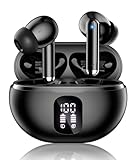
How to Connect Earbuds to Android Phone Bluetooth: A Guide
So, you’ve got a shiny new pair of earbuds, or maybe you’re just upgrading from that wired life, and you’re ready to ditch the cords and embrace the freedom of Bluetooth. But how do you actually get those little audio companions connected to your Android phone? Don’t worry, it’s a straightforward process, and I’m here to walk you through it.
We’ll cover everything from the initial pairing to troubleshooting common issues. Whether you’re a tech novice or a seasoned Android user, this guide will provide clear, concise instructions to get your earbuds up and running quickly. I’ll also share some handy tips to ensure a smooth and enjoyable listening experience. Let’s get started!
Get ready to say goodbye to tangled wires and hello to wireless audio bliss. In this guide, we’ll cover all the steps, from the very beginning to ensuring that your earbuds connect seamlessly with your Android device. Let’s get started and make sure you’re getting the best audio experience possible.
Understanding Bluetooth and Your Android Phone
Before we dive into the connection process, let’s briefly touch upon the fundamentals of Bluetooth. Bluetooth is a wireless technology that enables short-range communication between devices. It’s how your earbuds talk to your phone, allowing you to listen to music, podcasts, take calls, and more, all without the need for physical cables.
Your Android phone has a built-in Bluetooth radio, which acts as the central hub for connecting to other Bluetooth devices. The phone searches for nearby devices and establishes a connection once you give the go-ahead. Keep in mind that Bluetooth technology has evolved over the years, with newer versions offering improved range, speed, and energy efficiency. Most modern Android phones and earbuds support the latest Bluetooth versions, ensuring a stable and high-quality audio experience.
Bluetooth Versions and Compatibility
Understanding Bluetooth versions can be helpful, though not strictly necessary for the connection process. Newer versions often provide better performance, but backward compatibility is generally maintained. Here’s a quick overview:
- Bluetooth 5.0 and later: Offers improved speed, range, and energy efficiency compared to older versions.
- Bluetooth 4.0 and earlier: Still functional, but may have limitations in terms of range and battery life.
Your phone and earbuds will negotiate the best possible connection based on their respective Bluetooth versions. Don’t worry too much about the specific version numbers; the connection process remains largely the same regardless.
Step-by-Step Guide: Connecting Your Earbuds
Now, let’s get down to the nitty-gritty and connect your earbuds to your Android phone. Follow these steps, and you’ll be listening to your favorite tunes in no time.
Step 1: Charge Your Earbuds
Before you start, make sure your earbuds are adequately charged. Most earbuds come with a charging case that provides additional battery life. Place your earbuds in the charging case and ensure the case itself is charged. This will prevent any interruptions during the pairing process and allow you to enjoy your music for longer.
Step 2: Enable Bluetooth on Your Android Phone
You need to turn on Bluetooth on your Android phone. Here’s how:
- Method 1: Quick Settings: Swipe down from the top of your screen to access the Quick Settings panel. Look for the Bluetooth icon (it usually looks like a ‘B’ with a small wave or a Bluetooth logo). Tap the icon to enable Bluetooth. If the icon is grey, Bluetooth is off; if it’s blue or a similar color, it’s on.
- Method 2: Settings App: Open the Settings app on your phone. This app usually has a gear icon. Scroll down and tap on “Connections,” “Bluetooth,” or a similar option, depending on your phone’s make and model. Toggle the Bluetooth switch to the “on” position.
Once Bluetooth is enabled, your phone will start scanning for nearby devices.
Step 3: Put Your Earbuds in Pairing Mode
This is a crucial step. You need to put your earbuds into pairing mode so your phone can “see” them. The process varies slightly depending on the type of earbuds you have.
- True Wireless Earbuds (TWS): Open the charging case. The earbuds should automatically enter pairing mode. Some earbuds have a button on the case that you may need to press and hold. Refer to your earbuds’ manual for specific instructions.
- Neckband Earbuds: Turn on the earbuds by pressing the power button. Look for a button that initiates pairing mode, often labeled with a Bluetooth symbol. Press and hold this button until the LED indicator starts flashing, indicating pairing mode.
During pairing mode, the earbuds will broadcast a signal that your phone can detect.
Step 4: Pair Your Earbuds with Your Phone
Once your earbuds are in pairing mode, your phone should detect them. Here’s what to do:
- On your phone: In the Bluetooth settings, you should see a list of available devices. Your earbuds should appear in this list, usually with their model name or a generic name like “Earbuds.”
- Tap on your earbuds’ name: Tap on the name of your earbuds in the list.
- Accept any prompts: Your phone may ask you to confirm the pairing or enter a pairing code (usually “0000” or “1234”). Follow the on-screen prompts.
- Connection Established: Once the pairing is successful, your earbuds’ name will show as “Connected” or “Paired” in the Bluetooth settings.
Congratulations! Your earbuds are now connected to your Android phone.
Step 5: Test the Connection
To ensure everything is working correctly, play some audio. Start a song, a podcast, or a YouTube video. The audio should now be playing through your earbuds instead of your phone’s speakers. If you can hear audio, you’ve successfully connected your earbuds!
Troubleshooting Common Issues
Sometimes, things don’t go as smoothly as planned. Here are some common issues and how to resolve them:
1. Earbuds Not Showing Up
If your earbuds aren’t appearing in the list of available devices, try these steps:
- Ensure Earbuds are in Pairing Mode: Double-check that your earbuds are in pairing mode. Refer to the instructions in Step 3.
- Move Closer: Ensure your earbuds are within range of your phone (typically 30 feet, but this can vary).
- Restart Earbuds and Phone: Turn off your earbuds and your phone. Then, turn them back on and try pairing again.
- Check for Interference: Other Bluetooth devices or Wi-Fi routers can sometimes interfere. Try moving to a different location.
- Factory Reset Earbuds: As a last resort, you might need to factory reset your earbuds. Refer to your earbuds’ manual for instructions. This will erase all previous pairings.
2. Connection Issues
If you’re experiencing intermittent connection issues (e.g., audio cutting out), try these solutions:
- Move Closer: Ensure your earbuds are within range of your phone.
- Check for Obstructions: Walls and other objects can interfere with the Bluetooth signal.
- Restart Devices: Restart both your earbuds and your phone.
- Forget and Re-pair: In your phone’s Bluetooth settings, find your earbuds and tap on the “Forget” or “Unpair” option. Then, go through the pairing process again.
- Update Firmware: Some earbuds have firmware updates that can improve connectivity. Check your earbuds’ companion app (if available) for updates.
3. Poor Sound Quality
If the sound quality is poor, try these troubleshooting steps:
- Check Volume Levels: Ensure the volume is turned up on both your earbuds and your phone.
- Check for Interference: Other Bluetooth devices or Wi-Fi routers can interfere.
- Check Audio Source: The quality of the audio source (e.g., the music file or streaming service) can affect the sound quality. Try playing a different audio file.
- Equalizer Settings: Experiment with the equalizer settings in your phone’s audio settings or your music app.
- Clean Earbuds: Make sure your earbuds are clean and free of debris that might be blocking the sound.
4. One Earbud Not Working
If only one earbud is producing sound, try these solutions:
- Check Balance Settings: Go to your phone’s audio settings and make sure the audio balance is centered (not skewed to one side).
- Restart Earbuds: Place both earbuds back in the charging case and close the lid. Then, take them out and try again.
- Reset Earbuds: Follow the factory reset instructions for your specific earbuds.
- Check for Loose Connection: Ensure the earbud is properly seated in your ear and that the connection between the earbud and the charging case is secure.
Tips for Optimal Earbud Usage
Now that you’ve successfully connected your earbuds, here are some tips to enhance your listening experience:
1. Proper Fit
Ensuring a proper fit is critical for both sound quality and comfort. Most earbuds come with different-sized ear tips. Experiment with the various sizes to find the ones that fit snugly in your ears and create a good seal. A good seal enhances bass response and helps block out external noise.
2. Volume Levels
Be mindful of the volume levels. Prolonged exposure to high volumes can damage your hearing. It’s generally recommended to keep the volume at a moderate level, especially when listening for extended periods. Most phones have a volume limiter feature that you can enable to prevent accidental high-volume settings.
3. Battery Management
To maximize battery life, consider these tips:
- Charge Regularly: Place your earbuds in the charging case whenever you’re not using them.
- Disable Unused Features: If your earbuds have features like active noise cancellation (ANC), turn them off when you don’t need them, as they consume extra power.
- Store Properly: Store your earbuds in their charging case when not in use to protect the batteries.
4. Customization and Companion Apps
Many earbuds come with companion apps that allow you to customize various settings, such as:
- Equalizer Settings: Adjust the sound profile to your preferences.
- Touch Controls: Customize the functions of the touch controls on your earbuds.
- Firmware Updates: Keep your earbuds up-to-date with the latest firmware for improved performance and features.
- Noise Cancellation: Adjust or enable noise cancellation settings.
Download the companion app (if available) from the Google Play Store and explore the available options.
5. Cleaning and Maintenance
Regularly clean your earbuds to maintain their performance and hygiene. Use a soft, dry cloth to wipe the earbuds and charging case. Avoid using water or harsh chemicals. Clean the ear tips regularly to remove any earwax buildup. This will maintain sound quality and prevent potential ear infections.
Advanced Features and Considerations
Beyond the basic connection process, modern earbuds offer a range of advanced features that can enhance your listening experience. Here are a few to consider:
1. Active Noise Cancellation (anc)
ANC uses built-in microphones to detect and cancel out external noise, providing a more immersive listening experience, especially in noisy environments. When using this feature, remember that it consumes more battery.
2. Transparency Mode
Transparency mode allows you to hear the outside world without removing your earbuds. This is useful when you need to be aware of your surroundings, like when crossing a street or having a conversation.
3. Multipoint Pairing
Some earbuds support multipoint pairing, allowing you to connect to two devices simultaneously (e.g., your phone and your laptop). This allows you to seamlessly switch between devices without disconnecting and reconnecting.
4. Codec Support
Bluetooth audio uses codecs to compress and transmit audio data. Different codecs offer varying levels of audio quality. Some high-end earbuds support advanced codecs like aptX or LDAC, which provide higher-fidelity audio. Check your phone and earbuds’ specifications to see which codecs they support.
5. Voice Assistant Integration
Many earbuds integrate with voice assistants like Google Assistant or Siri. You can activate your voice assistant with a tap or voice command to control music playback, make calls, get information, and more.
Choosing the Right Earbuds for You
With a wide variety of earbuds available on the market, choosing the right pair can be challenging. Here are some factors to consider:
- Type: Consider the type of earbuds you prefer: true wireless (TWS), neckband, or over-ear. TWS earbuds offer the most portability and freedom, while neckband earbuds offer a more secure fit.
- Sound Quality: Read reviews and listen to samples (if possible) to assess the sound quality. Consider factors like bass response, clarity, and overall sound signature.
- Features: Determine which features are important to you, such as ANC, transparency mode, multipoint pairing, and voice assistant integration.
- Battery Life: Consider the battery life of the earbuds and charging case. If you listen to music frequently, prioritize earbuds with longer battery life.
- Comfort and Fit: Choose earbuds that fit comfortably in your ears. Experiment with different ear tips to find the best fit.
- Price: Set a budget and compare different models within your price range.
- Brand Reputation: Research different brands and read reviews to get an idea of their reliability and customer support.
By considering these factors, you can narrow down your choices and find the perfect earbuds to suit your needs and preferences.
The Future of Bluetooth Earbuds
Bluetooth technology and earbud design continue to evolve rapidly. Here are some trends to watch:
- Improved Audio Quality: Expect to see further advancements in audio codecs and drivers, leading to even higher-fidelity sound.
- Enhanced Noise Cancellation: ANC technology will continue to improve, providing even more effective noise cancellation in various environments.
- More Advanced Features: Look for features like spatial audio, personalized sound profiles, and health-tracking capabilities.
- Sustainable Designs: Manufacturers are increasingly focusing on sustainable materials and designs to reduce environmental impact.
- Integration with AI: Expect to see more integration with artificial intelligence, such as personalized recommendations and proactive noise cancellation adjustments.
The future of Bluetooth earbuds is bright, with ongoing innovation promising even more immersive, convenient, and feature-rich listening experiences.
Final Thoughts
Connecting your earbuds to your Android phone via Bluetooth is a simple process, but now you have the knowledge to troubleshoot and get back to enjoying your music. You’re now equipped to handle common connection issues and optimize your listening experience. Remember to keep your earbuds charged, ensure a good fit, and explore the advanced features your earbuds offer.
With a little practice and familiarity with your device, you’ll be enjoying your favorite audio content wirelessly in no time. Whether you’re commuting, working out, or simply relaxing at home, your earbuds will provide a convenient and enjoyable audio experience. Enjoy your music!
Recommended Products