How to Connect Earbuds in Laptop: A Simple Guide
Ever find yourself tangled in a web of wires, yearning for a cleaner, more convenient listening experience? You’re not alone! Earbuds have become a staple in our daily lives, offering portability and privacy for enjoying music, podcasts, or taking calls. Connecting them to your laptop is a straightforward process, but sometimes, a little guidance is all you need. Whether you’re a tech novice or a seasoned user, this guide will walk you through every step, ensuring a seamless connection and optimal audio quality.
We’ll cover the basics of Bluetooth and wired connections, troubleshooting common issues, and exploring some tips to enhance your experience. So, grab your earbuds, and let’s get started. By the end of this guide, you’ll be enjoying your favorite audio content with ease and confidence.
Understanding Your Earbud Connection Options
Before diving into the connection process, it’s essential to understand the two primary ways earbuds connect to your laptop: Bluetooth and wired connections. Each method has its own advantages and disadvantages, and knowing the difference will help you choose the best option for your needs.
Bluetooth Earbuds: Wireless Freedom
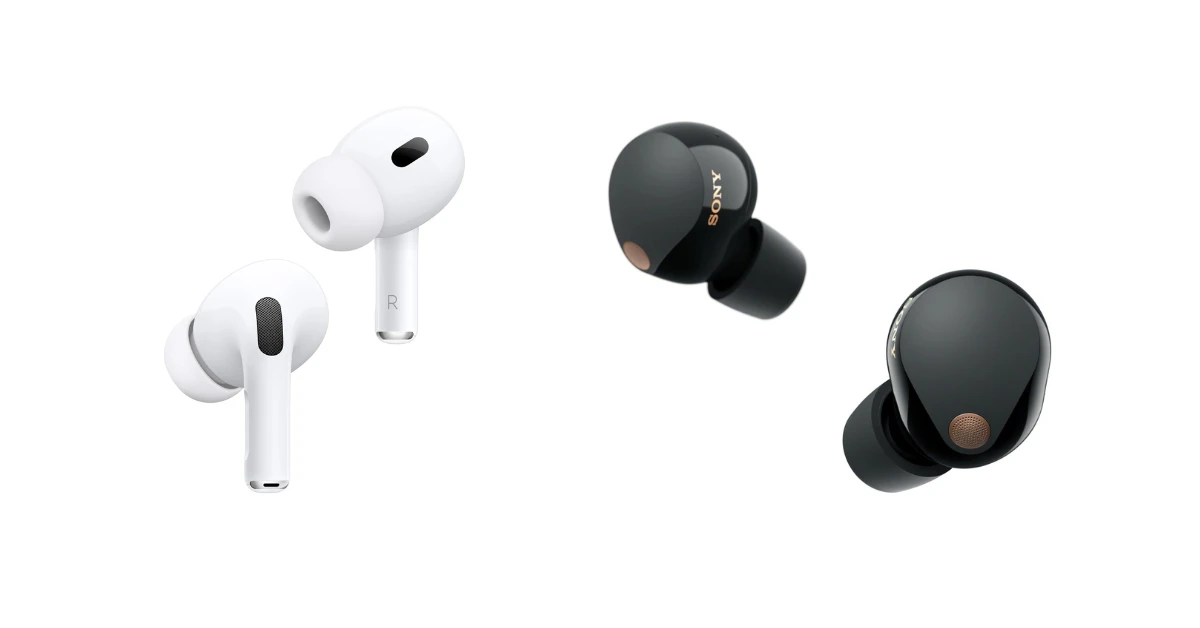
Bluetooth earbuds offer the ultimate convenience. They connect wirelessly to your laptop, eliminating the need for cables. This is perfect for those who value mobility and a clutter-free workspace. However, Bluetooth connections require a Bluetooth adapter in your laptop or a built-in Bluetooth feature. They also require charging, and the connection can sometimes be susceptible to interference.
- Pros: Wireless, portable, convenient.
- Cons: Requires charging, potential for interference, can be more complex to set up initially.
Wired Earbuds: The Classic Connection
Wired earbuds use a physical cable that plugs directly into your laptop’s audio jack. This is a simple and reliable method, offering immediate use without the need for pairing or charging. The sound quality is often very good, and there’s no risk of Bluetooth interference. The downside is the cable, which can be a nuisance for some.
- Pros: Simple, reliable, no charging required, generally good sound quality.
- Cons: Cable can be inconvenient, less portable.
Connecting Bluetooth Earbuds to Your Laptop
Connecting Bluetooth earbuds involves a few simple steps. Here’s a detailed, step-by-step guide:
Step 1: Ensure Your Laptop Has Bluetooth
Most modern laptops come with built-in Bluetooth. To check, you can do the following:
- Windows: Click the Start button, then click Settings (gear icon). Go to “Devices” and then “Bluetooth & other devices.” If Bluetooth is present, you’ll see a toggle switch to turn it on or off.
- macOS: Click the Apple menu (top-left corner) and select “System Preferences” or “System Settings.” Look for a “Bluetooth” option. If present, it indicates your laptop has Bluetooth capabilities.
If your laptop doesn’t have Bluetooth, you can purchase a Bluetooth adapter (USB dongle). These are inexpensive and easy to install. Simply plug the adapter into a USB port, and your laptop will be able to connect to Bluetooth devices.
Step 2: Put Your Earbuds in Pairing Mode
This is the most crucial step. The process varies slightly depending on your earbud model. Typically, you’ll need to:
- Consult Your Earbud Manual: This is always the best place to start. The manual will provide specific instructions for your model.
- Power On and Hold the Button: Most earbuds have a button that you must press and hold for a few seconds (usually 3-5 seconds) to enter pairing mode. You’ll often hear a sound or see a flashing light indicating pairing mode is active.
- Check the Case: Some earbuds have a button on the charging case that initiates pairing mode.
Important Note: Make sure your earbuds are fully charged or have sufficient battery life before attempting to pair them. Low battery can sometimes interfere with the pairing process.
Step 3: Pair Your Earbuds with Your Laptop (windows)
Once your earbuds are in pairing mode, follow these steps:
- Open Bluetooth Settings: Go to Settings > Devices > Bluetooth & other devices.
- Turn on Bluetooth: Make sure the Bluetooth toggle is switched to “On.”
- Add a Device: Click “Add Bluetooth or other device.”
- Select Bluetooth: In the “Add a device” window, choose “Bluetooth.”
- Select Your Earbuds: Your laptop will scan for available devices. Your earbuds should appear in the list (e.g., “[Earbud Model Name]”). Click on them.
- Pair: Follow any on-screen prompts. You may need to enter a PIN (usually 0000 or 1234) if prompted.
- Connected: Once paired, your earbuds will show as “Connected” or “Paired.”
Step 4: Pair Your Earbuds with Your Laptop (macos)
The process is similar on a Mac:
- Open Bluetooth Settings: Go to System Preferences (or System Settings) > Bluetooth.
- Turn on Bluetooth: Ensure Bluetooth is turned on.
- Select Your Earbuds: Your earbuds should appear in the list of available devices. Click “Connect” next to your earbuds.
- Connected: Once connected, the status will change to “Connected.”
Step 5: Test the Connection
Play some audio (music, video, etc.) on your laptop to verify that the sound is coming through your earbuds. Adjust the volume on both your laptop and the earbuds as needed.
Connecting Wired Earbuds to Your Laptop
Connecting wired earbuds is incredibly simple. Here’s what you need to do:
Step 1: Locate the Audio Jack
Most laptops have a 3.5mm audio jack (headphone jack). It’s usually located on the side or front of your laptop. The jack is typically marked with a headphone icon.
Step 2: Plug in Your Earbuds
Insert the 3.5mm plug of your earbuds into the audio jack. Make sure the plug is fully inserted.
Step 3: Test the Connection
Play some audio on your laptop. If you hear sound through your earbuds, the connection is successful. Adjust the volume on your laptop as needed.
Troubleshooting Common Connection Issues
Sometimes, things don’t go as planned. Here are some common issues and how to resolve them:
Bluetooth Troubleshooting
- Earbuds Not Appearing in the List:
- Make sure your earbuds are in pairing mode (refer to the instructions above).
- Ensure your earbuds are close to your laptop.
- Restart your laptop and earbuds.
- Check for Bluetooth interference from other devices (microwaves, other Bluetooth devices).
- Unable to Connect:
- Ensure your earbuds are charged.
- Try forgetting the device on your laptop (in Bluetooth settings) and re-pairing.
- Update your laptop’s Bluetooth drivers (see instructions below).
- Poor Sound Quality/Intermittent Connection:
- Move closer to your laptop.
- Reduce interference from other devices.
- Check for low battery on your earbuds.
Wired Earbud Troubleshooting
- No Sound:
- Ensure the earbuds are properly plugged in.
- Check the volume on your laptop and the earbuds.
- Test the earbuds with another device to rule out a faulty earbud.
- Check your laptop’s audio settings (see instructions below).
- Sound Only in One Earbud:
- Check the earbud connection.
- Try a different pair of earbuds.
- Check your laptop’s audio balance settings (see instructions below).
Advanced Tips and Tricks
Here are some tips to enhance your audio experience:
Updating Bluetooth Drivers (windows)
Outdated or corrupted Bluetooth drivers can cause connection problems. Here’s how to update them:
- Open Device Manager: Right-click the Start button and select “Device Manager.”
- Expand Bluetooth: Click the arrow next to “Bluetooth” to expand the section.
- Update Driver: Right-click on your Bluetooth adapter (e.g., “Intel Wireless Bluetooth”) and select “Update driver.”
- Search Automatically: Choose “Search automatically for drivers.” Windows will search for and install the latest drivers.
- Restart: Restart your laptop after the update.
Checking Audio Settings (windows)
Incorrect audio settings can prevent sound from playing through your earbuds.
- Open Sound Settings: Right-click the speaker icon in the system tray (bottom-right corner) and select “Open Sound settings.”
- Choose Output Device: Under “Output,” make sure your earbuds are selected as the output device. If you have multiple devices connected, select the correct one.
- Troubleshoot: Click “Troubleshoot” to let Windows diagnose and fix any audio issues.
Checking Audio Settings (macos)
- Open Sound Settings: Click the Apple menu > System Preferences (or System Settings) > Sound.
- Choose Output Device: Select your earbuds under the “Output” tab.
- Adjust Volume: Make sure the output volume isn’t muted or set too low.
Adjusting Audio Balance (windows)
If you’re only hearing sound from one earbud, the audio balance might be off.
- Open Sound Settings: Right-click the speaker icon in the system tray and select “Open Sound settings.”
- Device Properties: Click “Device properties” under “Output.”
- Balance: Click “Additional device properties.”
- Levels: Go to the “Levels” tab and click “Balance.”
- Adjust: Ensure the balance sliders for the left and right channels are centered.
Adjusting Audio Balance (macos)
- Open Sound Settings: Click the Apple menu > System Preferences (or System Settings) > Sound.
- Balance: In the “Output” tab, use the balance slider to adjust the audio output.
Using Sound Enhancements
Many laptops and operating systems offer sound enhancement features that can improve audio quality. These options can usually be found in your sound settings.
- Windows: In sound settings, explore options like “Spatial sound” or “Enhancements.”
- macOS: macOS doesn’t have as many built-in enhancements, but you can explore third-party audio equalizer apps.
Optimizing Battery Life for Bluetooth Earbuds
- Turn Off Bluetooth When Not in Use: This conserves battery power on both your laptop and earbuds.
- Keep Your Earbuds Charged: Regularly charge your earbuds to prevent unexpected power-offs.
- Use the Earbuds’ Case: The charging case helps extend the battery life of your earbuds.
Choosing the Right Earbuds for Your Laptop
The best earbuds for your laptop depend on your individual needs and preferences. Consider the following factors:
- Wireless vs. Wired: Do you prioritize convenience or reliability?
- Sound Quality: Do you need high-fidelity audio? Research different earbud models and read reviews.
- Battery Life: How long do you need the earbuds to last on a single charge?
- Features: Do you need noise cancellation, water resistance, or a built-in microphone?
- Comfort: Choose earbuds that fit comfortably in your ears.
- Budget: Set a budget and explore options within that range.
Considerations for Specific Uses:
- For Calls: Look for earbuds with a good microphone and noise cancellation to ensure clear communication.
- For Music: Prioritize sound quality and comfort. Consider earbuds with a wide frequency response.
- For Gaming: Look for low-latency Bluetooth (if wireless) or wired options for minimal delay. Consider earbuds with a built-in microphone for chatting.
Maintaining Your Earbuds
Proper maintenance will extend the life of your earbuds and ensure optimal performance.
- Cleaning: Regularly clean your earbuds with a soft, dry cloth. Avoid using water or harsh chemicals.
- Storage: Store your earbuds in their case or a safe place when not in use.
- Preventing Damage: Avoid dropping or exposing your earbuds to extreme temperatures or humidity.
- Charging: Use the charging cable and adapter provided with your earbuds.
Verdict
Connecting earbuds to your laptop is a straightforward process, whether you opt for the wireless convenience of Bluetooth or the simplicity of a wired connection. By following the steps outlined in this guide, you can quickly set up your earbuds and enjoy your favorite audio content. Remember to troubleshoot any issues you encounter, and don’t hesitate to consult your device’s manual for specific instructions. With a little practice, you’ll be listening in no time!
You now have the knowledge to successfully connect your earbuds to your laptop. Whether you prefer the freedom of Bluetooth or the simplicity of a wired connection, you can easily enjoy your favorite audio content. Remember to troubleshoot any connection issues, and don’t hesitate to consult your device’s manual for specific instructions.
By understanding the different connection methods, troubleshooting common problems, and following the tips provided, you can ensure a seamless and enjoyable audio experience. Now, go forth and enjoy your music, podcasts, and calls with ease and confidence. Happy listening!
Recommended Products