How to Charge Earbuds Without Charger: Your Ultimate Guide
Ever found yourself with dead earbuds and no charger in sight? It’s a common predicament, especially when you’re on the go. Whether you’re at the gym, commuting, or simply relaxing at home, having your music abruptly cut off can be incredibly frustrating. Fortunately, you’re not entirely stranded. There are several clever methods you can use to revive your earbuds and get back to enjoying your audio.
This guide will explore various ways to charge your earbuds when your dedicated charger is unavailable. We’ll cover everything from using alternative charging cables and power sources to understanding the underlying technology that makes these workarounds possible. We’ll also touch on some precautions to ensure you don’t damage your valuable devices. So, let’s dive in and learn how to keep your music flowing, even when the charger is missing!
Understanding Earbud Charging Basics
Before exploring alternative charging methods, it’s crucial to understand how earbuds typically charge. Most modern earbuds utilize a charging case that serves as both a protective storage unit and a power bank. The case itself is charged via a USB cable, usually USB-C or Micro-USB, depending on the model. The earbuds then draw power from the case when placed inside.
The charging mechanism relies on a few key components:
- Lithium-ion batteries: These are the power source within the earbuds and the charging case. They require a specific voltage and current to charge safely and efficiently.
- Charging contacts: Small metallic contacts on the earbuds and inside the charging case facilitate the transfer of power.
- Charging circuitry: This integrated circuit regulates the flow of electricity to protect the batteries from overcharging or damage.
- USB charging cable: This connects the charging case to a power source, such as a wall adapter, computer, or power bank.
Understanding these elements helps in identifying potential alternative charging solutions. For instance, if you have a USB-C charging case, you might be able to use a USB-C cable connected to a different power source. Let’s delve into these options.
Alternative Charging Methods: A Comprehensive Guide
Using a Different USB Cable
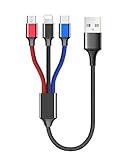
The simplest alternative is to use a different USB cable. If you have misplaced your original charging cable, check around your home or office. You likely have another cable that fits your charging case. Consider the following:
- USB-C Cables: These are becoming increasingly standard. If your earbud case uses USB-C, you can likely use any USB-C cable from a phone, tablet, or other device.
- Micro-USB Cables: Older earbud models might use Micro-USB. These are still common, so check any older devices you have.
- Cable Compatibility: Ensure the cable fits snugly into the charging case and the power source. A loose connection will not charge your earbuds.
Important Tip: While the cable might fit, ensure the power source you use provides the correct voltage and current. Using an inappropriate power source could damage your earbuds. Most modern devices regulate this, but it’s always wise to check the specifications.
Charging From a Computer or Laptop
A computer or laptop can be a convenient power source for charging your earbuds. Here’s how:
- Connect the Charging Case: Plug the USB cable (USB-C or Micro-USB) into the charging case and the USB port on your computer.
- Check the Indicator Lights: Observe the charging case’s indicator lights. They should illuminate, indicating that the charging process has begun.
- Charging Time: Charging from a computer might take longer than using a wall adapter, as the USB ports typically provide less power. Allow sufficient time for the earbuds and charging case to fully charge.
Pros: Readily available, no need for a wall outlet. Cons: Slower charging, potential for interrupted charging if the computer goes to sleep.
Using a Power Bank or Portable Charger
Power banks are excellent for charging earbuds on the go. This method is particularly useful when you’re traveling or away from a power outlet.
- Connect the Charging Case: Connect the USB cable from the charging case to the power bank’s USB port.
- Turn on the Power Bank: Some power banks have a power button that needs to be pressed to activate charging.
- Monitor the Charging Status: Check the indicator lights on the charging case and the power bank to monitor the charging progress.
Tip: Choose a power bank with sufficient capacity to charge your earbuds multiple times. This is especially helpful if you’re going on a long trip.
Utilizing a Wall Adapter From Another Device
If you don’t have the original wall adapter, you can use one from another device, such as a smartphone or tablet. The key is to ensure the adapter provides the correct voltage and current. Most modern adapters are designed to be compatible with various devices, but it’s always prudent to check the specifications printed on the adapter. Here’s what to do:
- Locate a Compatible Adapter: Find a wall adapter that uses the same USB cable type (USB-C or Micro-USB) as your earbud charging case.
- Connect the Cable: Plug the USB cable into the adapter and the charging case.
- Plug into the Wall: Insert the adapter into a wall outlet.
- Observe the Indicator Lights: The charging case’s indicator lights should illuminate, indicating that charging has started.
Caution: Avoid using adapters with significantly higher voltage or current ratings than your earbuds’ specifications, as this could damage the battery. If in doubt, err on the side of caution and use an adapter with a lower or similar rating.
Solar Chargers (if Available)
In extreme situations where other power sources are unavailable, a solar charger can be an option. However, this method has limitations:
- Sunlight Dependency: Solar chargers require direct sunlight to function effectively. Charging times can vary significantly based on weather conditions.
- Power Output: The power output of a solar charger might be lower than a wall adapter, resulting in slower charging.
- Compatibility: Ensure the solar charger has a USB port compatible with your earbud charging case.
How to Use: Connect the USB cable from your charging case to the solar charger, and place the charger in direct sunlight. Monitor the indicator lights to confirm that charging has begun. This is a less reliable method, but it can be a lifesaver in a pinch.
Troubleshooting Charging Issues
Sometimes, even when using alternative methods, your earbuds might not charge. Here’s how to troubleshoot common issues:
Check the Charging Case
The charging case is the central hub for charging earbuds. Make sure it’s functioning properly:
- Clean the Charging Contacts: Dust or debris on the charging contacts (both on the earbuds and in the case) can prevent charging. Use a dry, soft cloth or a cotton swab to clean them gently.
- Examine the Case’s Battery: If the case’s battery is depleted, it cannot charge the earbuds. Charge the case first using a reliable power source.
- Check for Physical Damage: Inspect the case for any visible damage, such as cracks or loose components.
Inspect the Earbuds
The earbuds themselves can also be the source of charging problems:
- Clean the Earbud Contacts: Similar to the charging case, clean the contacts on the earbuds to ensure a good connection.
- Check for Water Damage: If your earbuds are water-resistant, they might still be susceptible to water damage if exposed to excessive moisture.
- Inspect for Physical Damage: Check the earbuds for any signs of damage, such as broken components or loose parts.
Verify the USB Cable
A faulty USB cable can prevent charging. Try the following:
- Test with Another Cable: Use a different USB cable to see if the charging issue is resolved.
- Check for Damage: Inspect the cable for any visible damage, such as frayed wires or broken connectors.
- Ensure a Secure Connection: Make sure the cable is securely connected to both the charging case and the power source.
Test Different Power Sources
Sometimes, the power source itself might be the problem. Try these steps:
- Try a Different Wall Outlet: The outlet you’re using might be faulty. Test with a different outlet.
- Use a Different Computer Port: If charging from a computer, try a different USB port.
- Test with a Different Adapter: If using a wall adapter, try a different one to rule out adapter failure.
Software and Firmware Updates
In some cases, outdated software or firmware can cause charging issues. Check if there are any updates available for your earbuds via the manufacturer’s app or website. Regularly updating the firmware can often resolve charging problems.
Factory Reset (last Resort)
If all other troubleshooting steps fail, you can try resetting your earbuds to their factory settings. This will erase all your settings and may resolve software-related charging problems. Refer to your earbud’s user manual for instructions on how to perform a factory reset. Be aware that you will need to re-pair your earbuds with your devices after the reset.
Preventive Measures for Earbud Charging
Taking preventative measures can help you avoid charging problems in the first place:
- Store Your Earbuds Properly: Always store your earbuds in their charging case when not in use. This protects them from dust, debris, and potential damage.
- Keep the Charging Case Charged: Regularly charge the charging case, even if you’re not using the earbuds frequently. This ensures that the case is always ready to charge the earbuds when needed.
- Avoid Extreme Temperatures: Extreme temperatures (both hot and cold) can negatively affect battery performance. Avoid exposing your earbuds to direct sunlight or freezing temperatures.
- Use the Correct Cables and Adapters: Always use the appropriate cables and adapters recommended by the manufacturer.
- Clean Your Earbuds Regularly: Regularly clean your earbuds and the charging case to remove dust and debris that can interfere with charging.
- Monitor Battery Health: Pay attention to your earbuds’ battery life. If you notice a significant decrease in battery performance, it might be time to replace the batteries or the earbuds.
Safety Precautions
When charging your earbuds using alternative methods, it’s essential to prioritize safety:
- Avoid Overcharging: While most modern earbuds have overcharge protection, it’s still best to avoid leaving them plugged in for extended periods.
- Use Approved Accessories: Only use charging cables and adapters that are certified and approved by the manufacturer.
- Monitor for Overheating: If you notice the charging case or earbuds getting excessively hot during charging, disconnect them immediately.
- Protect from Moisture: Keep your earbuds and charging case away from moisture. Water damage can ruin the batteries and the charging circuitry.
- Don’t Disassemble the Earbuds or Case: Never attempt to disassemble your earbuds or charging case, as this could damage the components and void the warranty.
- Handle Damaged Equipment with Care: If any part of your charging setup (cable, adapter, or charging case) is damaged, discontinue use and replace it.
Final Thoughts
Navigating the world of earbud charging without the original charger doesn’t have to be a daunting task. By understanding the basics of how earbuds charge and exploring the various alternative methods outlined in this guide, you can confidently keep your music playing. From utilizing different USB cables and power banks to leveraging the convenience of your computer or wall adapters, several options are available. Remember to prioritize safety and follow the troubleshooting tips when encountering charging issues. With a little resourcefulness and the right approach, you can ensure your earbuds stay powered up and ready to deliver your favorite tunes, wherever you go.
While the original charger is ideal, several practical alternatives allow you to charge your earbuds when the charger is unavailable. Using a different USB cable, a computer, a power bank, or even a wall adapter from another device can successfully revive your earbuds. Remember to troubleshoot any charging issues carefully and take appropriate safety precautions. By implementing these methods, you will be well-equipped to keep your listening experience uninterrupted.
Ultimately, a little preparation and knowledge can make a big difference in ensuring that your earbuds are always ready to go. With the information provided in this article, you can confidently handle any charging scenario. Now you can enjoy your music without worry, even when away from your primary charger.
Recommended Products