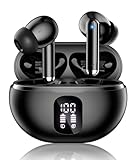
How Do I Sync My Earbuds to My Phone?
So, you’ve got a shiny new pair of earbuds, ready to jam to your favorite tunes or take calls on the go. But there’s a problem: they’re not connected to your phone! Don’t worry; it’s a common hurdle, and the solution is usually simple. This guide will walk you through the process of syncing your earbuds to your phone, covering both Android and iOS devices, and addressing common troubleshooting issues.
We’ll break down the steps, explain the technology behind the connection, and give you some helpful tips to ensure a smooth and frustration-free experience. Whether you’re a tech novice or a seasoned pro, you’ll find everything you need to get your earbuds up and running in no time. Let’s get started and get those tunes playing!
Understanding Bluetooth and Earbud Syncing
Before we jump into the steps, it’s helpful to understand the technology at play. Almost all modern earbuds use Bluetooth to connect to your phone. Bluetooth is a wireless technology that allows devices to communicate with each other over short distances. It’s the same technology used for connecting to speakers, printers, and other accessories.
The process of syncing, or pairing, your earbuds involves establishing a secure connection between your phone and the earbuds. This connection allows your phone to send audio signals to the earbuds, and in some cases, allows the earbuds to send signals back to your phone (like volume control or voice commands).
Bluetooth Versions and Compatibility
Bluetooth has evolved over the years, with each new version offering improvements in speed, range, and power efficiency. The latest versions are Bluetooth 5.0 and later, which offer enhanced performance compared to earlier versions. However, older versions are still widely used and compatible with newer devices. The good news is that Bluetooth is backward compatible, meaning your earbuds and phone should be able to connect even if they use different Bluetooth versions.
Important Note: While Bluetooth is the standard, some proprietary technologies might be used by specific brands for some of their devices, but the basic principle of syncing remains the same.
The Pairing Process Explained
The pairing process typically involves these steps:
- Putting Your Earbuds into Pairing Mode: This is usually done by pressing and holding a button on the earbuds or opening the charging case. Each brand has its own method.
- Enabling Bluetooth on Your Phone: This is usually done in your phone’s settings.
- Scanning for Devices: Your phone will scan for nearby Bluetooth devices.
- Selecting Your Earbuds: Your earbuds will appear in the list of available devices. Tap on them to connect.
- Confirmation: You might need to confirm the connection or enter a pairing code (usually 0000) if prompted.
Once paired, your earbuds should automatically connect to your phone whenever they are turned on and within range.
Syncing Earbuds to an Android Phone
Syncing earbuds to an Android phone is a straightforward process. Here’s a step-by-step guide:
- Enable Bluetooth: Swipe down from the top of your screen to access the quick settings panel. Look for the Bluetooth icon and tap it to turn it on. If you don’t see it, you might need to swipe left or right to find it, or go to Settings > Connections > Bluetooth.
- Put Your Earbuds in Pairing Mode: This step varies depending on your earbud model. Consult your earbud’s manual or the manufacturer’s website for specific instructions. Generally, this involves pressing and holding a button on the earbuds or opening the charging case. You’ll usually see an LED light blinking on the earbuds, indicating they are in pairing mode.
- Find Your Earbuds in Settings: Go to Settings > Connections > Bluetooth (or similar, depending on your Android version). Your phone will start scanning for available Bluetooth devices.
- Select Your Earbuds: Once your earbuds appear in the list of available devices (they might be listed by their model name), tap on them to connect.
- Confirm the Connection: You might be prompted to confirm the connection. If asked for a pairing code, enter 0000 or refer to your earbuds’ manual.
- Test the Connection: Play some music or make a call to ensure the earbuds are working correctly. You should hear audio through your earbuds.
Troubleshooting Tips for Android:
- Check Battery: Make sure your earbuds are charged. Low battery can sometimes prevent pairing.
- Restart Bluetooth: Turn Bluetooth off and then back on.
- Forget and Re-pair: If you’ve previously paired the earbuds but they’re not connecting, try “forgetting” the device in your Bluetooth settings and then re-pairing them.
- Restart Your Phone: Sometimes, a simple restart can resolve Bluetooth issues.
- Update Your Android: Ensure your phone’s operating system is up-to-date.
- Check for Interference: Keep your phone and earbuds away from other devices that might cause interference, such as microwaves or Wi-Fi routers.
- Factory Reset Earbuds: As a last resort, factory reset your earbuds. Consult your earbud’s manual for instructions.
Syncing Earbuds to an iPhone (ios)
The process for syncing earbuds to an iPhone is very similar to Android, with a few slight differences in the user interface. Follow these steps:
- Enable Bluetooth: Open the Settings app on your iPhone. Tap on “Bluetooth” to enter the Bluetooth settings. Toggle the Bluetooth switch to the on position (it will turn green).
- Put Your Earbuds in Pairing Mode: As with Android, this step depends on your specific earbud model. Consult your earbud’s manual. Look for a blinking light indicating pairing mode.
- Find Your Earbuds in Settings: Your iPhone will automatically start scanning for available Bluetooth devices. Your earbuds should appear in the list of “Other Devices” or “My Devices”.
- Select Your Earbuds: Tap on your earbuds’ name in the list to connect.
- Confirm the Connection: Your iPhone might ask you to confirm the connection.
- Test the Connection: Play some music or make a call to confirm the connection is working.
Troubleshooting Tips for iOS:
- Check Battery: Ensure your earbuds are charged.
- Restart Bluetooth: Toggle Bluetooth off and on.
- Forget and Re-pair: If your earbuds won’t connect, “forget” the device in your Bluetooth settings and re-pair them.
- Restart Your iPhone: A simple restart can often fix Bluetooth issues.
- Update iOS: Make sure your iPhone’s operating system is up-to-date. Go to Settings > General > Software Update.
- Check for Interference: Keep your phone and earbuds away from potential sources of interference.
- Factory Reset Earbuds: As a last resort, reset your earbuds. Consult your earbud’s manual.
Syncing Earbuds to Multiple Devices
Many modern earbuds support connecting to multiple devices. This is a convenient feature that allows you to seamlessly switch between your phone, tablet, and computer. However, there are some important considerations:
Multipoint Connectivity
Multipoint connectivity is the ability of earbuds to connect to two devices simultaneously. This means you could be listening to music on your laptop and still receive calls on your phone without manually disconnecting and reconnecting. Not all earbuds support this feature, so check the specifications before purchasing.
Switching Between Devices
Even if your earbuds don’t support multipoint, you can still switch between devices. Here’s how:
- Disconnect from the Current Device: Go to your Bluetooth settings on the device you’re currently using and disconnect from the earbuds.
- Connect to the New Device: Put your earbuds back into pairing mode (if necessary) and connect them to the new device.
Some earbuds have a feature that remembers multiple paired devices, making the switching process easier. They might automatically reconnect to the last used device or allow you to select the device from an app.
Tips for Managing Multiple Connections
- Prioritize Devices: If your earbuds support multipoint, they might prioritize audio from one device over another (e.g., phone calls over music).
- Check Your Earbud’s App: Many earbud manufacturers offer companion apps that allow you to manage connections, customize settings, and update firmware.
- Understand Bluetooth Limitations: Bluetooth has a limited range. If you move too far away from the connected device, the connection will be lost.
Advanced Features and Settings
Modern earbuds offer a range of advanced features that can enhance your listening experience. These features are often controlled through your phone or a dedicated app. Here are some of the most common:
Active Noise Cancellation (anc)
ANC uses microphones to detect ambient noise and then generates opposite sound waves to cancel it out. This feature is particularly useful for reducing background noise in noisy environments, such as on airplanes or in busy offices. The effectiveness of ANC varies depending on the earbud model and the type of noise.
Transparency Mode
Transparency mode (also called “Ambient Sound” or similar) allows you to hear the sounds around you without removing your earbuds. This is useful for staying aware of your surroundings, such as when crossing the street or having a conversation. The quality of transparency mode varies depending on the earbud’s microphones and processing capabilities.
Equalizer Settings
Many earbuds offer equalizer (EQ) settings that allow you to customize the sound profile to your preferences. You can adjust the bass, treble, and other frequencies to create a personalized listening experience. Some earbuds come with pre-set EQ profiles for different music genres.
Touch Controls and Voice Assistants
Many earbuds have touch controls that allow you to control music playback, answer calls, and activate voice assistants (like Siri or Google Assistant). The specific functions of the touch controls vary depending on the earbud model. Some earbuds also support voice commands, allowing you to control them hands-free.
Firmware Updates
Earbud manufacturers often release firmware updates to improve performance, add new features, and fix bugs. You can usually update the firmware through the earbud’s companion app. It’s important to keep your earbuds’ firmware up-to-date to ensure optimal performance.
Troubleshooting Common Earbud Issues
Even with the best earbuds, you might encounter some issues. Here are solutions to the most common problems:
Earbuds Not Connecting
- Check Bluetooth: Make sure Bluetooth is enabled on your phone and the earbuds are in pairing mode.
- Check Battery: Ensure your earbuds are charged.
- Restart Devices: Restart both your phone and your earbuds.
- Forget and Re-pair: “Forget” the earbuds in your Bluetooth settings and then re-pair them.
- Check for Interference: Move away from potential sources of interference.
- Factory Reset Earbuds: As a last resort, reset your earbuds.
One Earbud Not Working
- Check Balance Settings: Ensure the audio balance is centered in your phone’s settings.
- Clean the Earbuds: Make sure the earbud speaker and eartip are clean and free of debris.
- Check for Firmware Updates: Update the earbud’s firmware.
- Test with Another Device: Try connecting the earbuds to another device to see if the problem persists. If it does, the earbud might be faulty.
- Factory Reset Earbuds: Resetting the earbuds can sometimes fix this.
Poor Sound Quality
- Adjust Volume: Make sure the volume is turned up on both your phone and the earbuds.
- Check Eartip Fit: Ensure the eartips are properly fitted in your ears for a good seal.
- Check Equalizer Settings: Adjust the equalizer settings in your phone or the earbud’s app.
- Check for Interference: Move away from potential sources of interference.
- Clean the Earbuds: Clean the earbud speaker and eartip.
Earbuds Not Charging
- Check Charging Case: Make sure the charging case is charged and that the earbuds are properly seated in the case.
- Clean Charging Contacts: Clean the charging contacts on the earbuds and the charging case.
- Try a Different Cable and Charger: The charging cable or charger might be faulty.
- Check for Damage: Inspect the earbuds and charging case for any signs of damage.
- Contact Support: If the earbuds still won’t charge, contact the manufacturer’s support.
Choosing the Right Earbuds for You
With so many earbuds on the market, choosing the right pair can be overwhelming. Here are some factors to consider:
Type of Earbuds
There are several types of earbuds, each with its own advantages and disadvantages:
- True Wireless Earbuds: These earbuds are completely wireless and offer maximum portability. They typically come with a charging case.
- Wireless Earbuds with a Neckband: These earbuds are connected by a wire that rests around your neck. They often have longer battery life and are less likely to get lost than true wireless earbuds.
- Wired Earbuds: These earbuds connect to your phone via a cable. While less convenient than wireless earbuds, they don’t require charging and offer a reliable connection.
Sound Quality
Consider the sound quality that you are looking for. Look for reviews that mention the sound signature, bass response, and clarity. Research the codecs supported by the earbuds (e.g., SBC, AAC, aptX) as the codec used can affect sound quality. Higher-quality codecs can provide a better audio experience.
Features
Decide which features are important to you. Consider:
- Active Noise Cancellation (ANC): If you frequently listen in noisy environments, ANC is a must-have.
- Transparency Mode: If you want to stay aware of your surroundings, transparency mode is a valuable feature.
- Battery Life: Consider how long you need the earbuds to last on a single charge.
- Water Resistance: If you plan to use the earbuds for workouts, look for a model with a water-resistant rating (e.g., IPX4 or higher).
- Touch Controls: Decide whether you want touch controls or physical buttons.
- Voice Assistant Support: If you use a voice assistant, make sure the earbuds support it.
Fit and Comfort
The fit and comfort of the earbuds are crucial for a good listening experience. Try to find a pair that fits snugly and comfortably in your ears. Consider the size and shape of the earbuds and the different eartip sizes that are included. Look for reviews that mention comfort.
Price
Earbud prices range from budget-friendly to high-end. Set a budget and consider the features and sound quality you can get within that price range. Read reviews to get an idea of the value offered by different models.
Read Reviews
Read reviews from reputable sources to learn about the pros and cons of different earbud models. Pay attention to reviews that mention sound quality, comfort, battery life, and features.
Verdict
Syncing your earbuds to your phone is a straightforward process that unlocks a world of convenient and immersive audio experiences. By understanding the basics of Bluetooth, following the simple steps outlined in this guide, and troubleshooting common issues, you can quickly connect your earbuds and start enjoying your favorite music, podcasts, or audiobooks. Remember to check your earbud’s manual for specific instructions, as the pairing process may vary slightly depending on the brand and model. Whether you’re an Android or iOS user, the principles remain the same: enable Bluetooth, put your earbuds in pairing mode, select them from your phone’s Bluetooth settings, and enjoy the freedom of wireless listening. Happy listening!
Recommended Products