How Do I Get My Earbuds to Stay in? A Comprehensive Guide
Ever find yourself constantly pushing your earbuds back in while you’re trying to enjoy your music or podcast? It’s a common frustration, isn’t it? Whether you’re at the gym, commuting, or just relaxing at home, having earbuds that won’t stay put can really ruin the experience. I’ve been there, and I know how annoying it can be.
The good news is, you’re not alone, and there are plenty of solutions. This guide will walk you through everything you need to know about getting your earbuds to stay in place. We’ll explore different earbud types, the importance of a good fit, and practical tips and tricks to keep those little audio companions secure. Let’s get started!
Understanding Earbud Types and Their Fit
Before diving into solutions, it’s important to understand the different types of earbuds and how their design impacts their fit. There are primarily three main categories:
1. In-Ear Headphones (earbuds)
These are the most common type. They sit directly inside your ear canal. They often come with different sizes of silicone or foam tips to help create a snug fit and seal. This seal is crucial for both sound quality and keeping the earbuds in place. They are designed to create a seal in your ear canal, which helps to block out external noise and improve bass response.
- Pros: Generally more affordable, compact, and portable. Offer decent noise isolation.
- Cons: Can be prone to falling out if the fit isn’t perfect. Can cause discomfort if the tips are the wrong size or material.
2. Earbud (open-Ear)
These are the classic, round earbuds that rest in the outer ear, without entering the ear canal. They don’t create a seal, so they let in more ambient noise. They are also known as ‘open-ear’ earbuds. They are a less intrusive design. They’re less likely to cause pressure or discomfort. They are a good choice if you prefer to be aware of your surroundings.
- Pros: More comfortable for some people, and they allow you to hear ambient noise, which is great for safety.
- Cons: Poor noise isolation, can easily fall out, and often have weaker bass response.
3. Over-Ear Headphones
These headphones sit over your ears. They come in two main varieties: circumaural (around-the-ear) and supra-aural (on-ear). These types generally offer the best sound quality and noise isolation, but they’re not the focus of this guide, since they don’t go in your ear.
- Pros: Superior sound quality, excellent noise isolation.
- Cons: Bulky and less portable than earbuds. Can get hot and uncomfortable after extended use.
The Importance of a Proper Fit
The single most important factor in whether your earbuds stay in is the fit. A proper fit ensures a secure seal, which not only keeps the earbuds in place but also improves sound quality and noise isolation. This is especially true for in-ear headphones.
Here’s why fit matters so much:
- Security: A good fit prevents the earbuds from slipping out during movement.
- Sound Quality: A proper seal enhances bass response and overall audio clarity.
- Noise Isolation: A snug fit blocks out external noise, allowing you to immerse yourself in your audio.
- Comfort: A well-fitting earbud is more comfortable to wear for extended periods.
Choosing the Right Earbud Tips
For in-ear headphones, the ear tips are critical. Most earbuds come with multiple sizes of silicone tips, and some come with foam tips. Experimenting with different sizes and materials is key to finding the best fit for your ears.
Silicone Tips
These are the most common type. They’re usually smooth and come in various sizes (small, medium, large). Silicone tips are generally easy to clean and insert.
- Pros: Durable, easy to clean, and readily available.
- Cons: Can sometimes slip out, especially during physical activity.
Foam Tips
These tips are made from memory foam. They compress when inserted and then expand to fill your ear canal, creating a more secure seal. Foam tips can provide better noise isolation and a more comfortable fit for some people.
- Pros: Excellent noise isolation, comfortable, and often provide a more secure fit.
- Cons: Need to be replaced more frequently than silicone tips, and can be more difficult to clean.
Finding Your Perfect Fit
Here’s how to find the right earbud tip size:
- Try all the sizes: Start with the smallest size and work your way up.
- Insert carefully: Gently insert the earbud into your ear and see how it feels.
- Test the seal: Listen for a good seal. If you can hear a lot of external noise, the seal isn’t tight enough.
- Consider the material: Experiment with both silicone and foam tips to see which feels more comfortable and secure.
- Test during activity: If you plan to use your earbuds during exercise, try them out while moving around to ensure they stay in place.
Techniques to Keep Your Earbuds Secure
Even with the right tips, you might need to try a few other techniques to ensure your earbuds stay put. Here are some effective strategies:
1. The Twist-and-Lock Method
This is a simple but effective technique for in-ear headphones. Insert the earbud into your ear and then gently twist it backward until it feels secure. This can help the tip to grip the inside of your ear canal.
2. The Over-Ear Method (cable Management)
If your earbuds have a cable, try looping the cable over your ear. This can provide extra support and prevent the earbuds from being pulled out. This is particularly useful during workouts or other activities. The cable acts as an anchor.
How to do it:
- Insert the earbuds into your ears.
- Bring the cable up and over the top of your ears.
- Adjust the cable to ensure a snug fit.
3. Using Ear Hooks or Wings
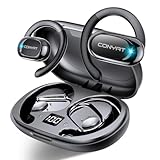
Some earbuds come with ear hooks or wings, which are small attachments that hook over the top of your ear or tuck into the folds of your ear. These are designed to provide extra security, especially during physical activity. They are a great option for people who struggle with earbuds falling out.
- Ear Hooks: These are usually made of soft silicone or rubber and loop over the top of your ear.
- Ear Wings: These are smaller attachments that fit into the concha (the bowl-shaped part of your outer ear) to provide extra grip.
4. Cable Clips or Management
Use a cable clip or cable management system to secure the cable to your clothing. This prevents the cable from snagging or pulling on the earbuds, which can cause them to fall out. Even if you have wireless earbuds, the cable clip can be used to hold the charging case.
5. Adjusting the Earbuds’ Position
Sometimes, simply adjusting the position of the earbud in your ear can improve the fit. Try wiggling the earbud slightly to find the most secure position. You might need to experiment with different angles to find what works best for your ear shape.
6. Clean Your Ears
Excessive earwax can interfere with the seal of your earbuds and cause them to slip out. Regularly cleaning your ears can help improve the fit and comfort of your earbuds. Be gentle and use a soft cloth or cotton swab designed for ear cleaning.
7. Consider Wireless Earbuds with a Secure Fit
True wireless earbuds have become increasingly popular. Many models are designed with a secure fit, often including ear hooks or wings to keep them in place. Look for models specifically designed for sports or active use. They are designed to withstand movement.
Troubleshooting Common Earbud Issues
Even with the best techniques, you might encounter some common issues. Here’s how to troubleshoot them:
1. Earbuds Keep Slipping Out
If your earbuds constantly fall out, even after trying different tips and techniques, it could be due to a few factors:
- Ear Shape: Some people have ear shapes that make it harder for earbuds to stay in.
- Sweat: Sweat can make the earbuds slippery.
- Movement: Physical activity increases the chances of earbuds falling out.
Solutions:
- Try different ear tip sizes and materials.
- Use ear hooks or wings.
- Experiment with the over-ear method.
- Use a cable clip.
- Consider earbuds designed for sports or active use.
2. Discomfort
If your earbuds cause discomfort, it could be due to:
- Wrong Tip Size: Tips that are too large can cause pressure.
- Material Sensitivity: Some people are sensitive to certain materials, such as silicone.
- Prolonged Use: Wearing earbuds for extended periods can cause discomfort.
Solutions:
- Try smaller ear tip sizes.
- Switch to foam tips.
- Choose earbuds made of hypoallergenic materials.
- Take breaks from wearing your earbuds.
3. Poor Sound Quality
If the sound quality is poor, it could be due to:
- Poor Seal: A loose seal results in a loss of bass and overall clarity.
- Earwax: Earwax can block the sound output.
Solutions:
- Ensure a tight seal by using the correct ear tip size and technique.
- Clean your ears regularly.
- Clean the earbud filters.
Maintenance and Care for Your Earbuds
Proper maintenance and care can extend the life of your earbuds and improve their performance. Here are some tips:
- Clean Regularly: Wipe down your earbuds after each use to remove sweat and debris.
- Clean the Tips: Wash your ear tips regularly with soap and water.
- Store Properly: Store your earbuds in a case or pouch when not in use.
- Avoid Extreme Temperatures: Don’t expose your earbuds to extreme heat or cold.
- Handle Cables with Care: If your earbuds have a cable, be careful not to pull or twist it excessively.
- Replace Ear Tips: Replace your ear tips regularly, especially foam tips.
Comparing Earbud Features
Choosing the right earbuds can be overwhelming. Here’s a table to help you compare the key features:
| Feature | In-Ear (Earbud) | Earbud (Open-Ear) | Over-Ear |
|---|---|---|---|
| Fit | Inside the ear canal | Outer ear | Over the ear |
| Noise Isolation | Excellent | Poor | Excellent |
| Sound Quality | Good to Excellent | Fair | Excellent |
| Comfort | Varies; can be uncomfortable for some | Generally comfortable | Varies; can be warm |
| Portability | Very portable | Very portable | Less portable |
| Best For | General use, workouts, noise isolation | Awareness of surroundings | Home listening, studio use |
| Price | Wide range | Wide range | Wide range |
Alternatives to Traditional Earbuds
If you’re still struggling to find earbuds that stay in, you might consider some alternatives:
1. Bone Conduction Headphones
These headphones transmit sound through the bones of your skull, bypassing your eardrums. They sit outside your ears, making them comfortable for many people and allowing you to hear ambient noise. They are great for runners and cyclists.
- Pros: Comfortable, safe for outdoor activities, and allow you to hear surroundings.
- Cons: Sound quality isn’t as good as traditional earbuds, and can be more expensive.
2. Neckband Headphones
These headphones have a band that rests around your neck, with earbuds that connect via a wire or wireless connection. They are less likely to fall out than traditional earbuds. They are a good choice if you want to avoid dealing with loose wires.
- Pros: Secure fit, comfortable for some, and easy to manage.
- Cons: Can be bulky, and the neckband can be uncomfortable for some.
3. Custom-Molded Earbuds
These earbuds are custom-made to fit the exact shape of your ears. They provide the most secure and comfortable fit, along with excellent sound quality and noise isolation. They are a premium option.
- Pros: Unmatched fit, excellent sound quality, and superior noise isolation.
- Cons: Expensive, require custom molding, and can take time to manufacture.
Conclusion
Keeping your earbuds in place is a common challenge, but it’s one you can overcome with the right approach. Remember, the key is finding the right fit, experimenting with different ear tips, and employing the techniques we’ve discussed. From the twist-and-lock method to using ear hooks and cable management, there are plenty of strategies to try. Don’t be afraid to experiment to find what works best for your ears and your lifestyle. With a little patience and persistence, you can enjoy your music, podcasts, and calls without the constant frustration of slipping earbuds. Good luck, and happy listening!
Recommended Products