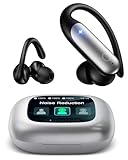
How Anc Works in Earbuds: A Simple Explanation
Ever wondered how your earbuds magically silence the world around you? It’s not magic, but rather a clever technology called Active Noise Cancellation, or ANC. This technology has become increasingly popular in recent years, making your commute, work, or gym session a much more peaceful experience. But how does it actually work? This article will break down the science behind ANC, explaining the core components and processes involved in creating a bubble of silence around your ears.
We’ll explore the sophisticated interplay of microphones, processors, and speakers that work in tandem to cancel out unwanted noise. We’ll also examine the different types of ANC and their respective strengths and weaknesses. Whether you’re a tech enthusiast or simply curious about how your earbuds work, you’ll gain a solid understanding of this fascinating technology. Get ready to learn about the science of silence!
The Basics of Active Noise Cancellation
At its core, ANC is about creating a counter-noise to eliminate the original noise. It’s like fighting fire with fire, or in this case, sound with sound. The goal is to reduce the ambient noise that reaches your eardrums, providing a more immersive and enjoyable listening experience.
The Enemy: Ambient Noise
Ambient noise is any unwanted sound in your environment. This can include the rumble of an airplane engine, the chatter in a coffee shop, or the hum of an air conditioner. These sounds are essentially sound waves that travel through the air and reach your ears. The intensity and frequency of these sound waves determine how loud the noise sounds to you.
The Weapon: Counter-Noise
ANC earbuds generate a counter-noise, also known as an anti-noise or a destructive interference signal. This counter-noise is designed to be an exact replica of the ambient noise, but with the sound waves inverted (or 180 degrees out of phase). When these two sound waves (the original noise and the counter-noise) meet, they cancel each other out. This process effectively reduces or eliminates the ambient noise that you hear.
Key Components of Anc Earbuds
ANC earbuds rely on several key components to function effectively:
- Microphones: These are crucial for detecting the ambient noise. They can be located on the outside of the earbud (feedforward), inside the earbud (feedback), or both (hybrid).
- Processing Chip: This is the brain of the operation. It analyzes the ambient noise picked up by the microphones and generates the counter-noise signal.
- Speaker Drivers: These are the components that actually produce the counter-noise, playing it alongside your audio.
- Battery: ANC consumes power, so a reliable power source is essential for sustained use.
Types of Anc: Feedforward, Feedback, and Hybrid
There are three main types of ANC used in earbuds, each with its own advantages and disadvantages. Understanding these different approaches helps you appreciate the technology’s complexity and make informed purchasing decisions.
Feedforward Anc
How it works: Feedforward ANC uses microphones positioned on the outside of the earbud to capture the ambient noise before it reaches your ear. The processing chip analyzes this external noise and generates the counter-noise, which is then played through the speaker drivers. This method is good at cancelling out high-frequency noises.
Advantages:
- Effective at cancelling a wide range of frequencies.
- Generally less susceptible to feedback issues.
Disadvantages:
- More vulnerable to wind noise, as the microphones are exposed.
- Can be less accurate if the earbud fit isn’t perfect.
Feedback Anc
How it works: Feedback ANC uses microphones located inside the earbud, near the speaker driver. These microphones listen to the sound *after* it has passed through the earbud and detect any remaining ambient noise that wasn’t cancelled out. The processing chip then adjusts the counter-noise in real-time to eliminate this residual noise. This method is typically better at canceling out low-frequency noises.
Advantages:
- Good at cancelling low-frequency noises (e.g., engine rumble).
- Less affected by wind noise.
Disadvantages:
- More susceptible to feedback issues (whistling or buzzing sounds).
- Can be less effective at cancelling a wide range of frequencies.
Hybrid Anc
How it works: Hybrid ANC combines both feedforward and feedback microphones. This approach uses microphones both inside and outside the earbud to capture ambient noise from multiple perspectives. The processing chip then uses data from both sets of microphones to generate a more accurate and comprehensive counter-noise signal. This is often the most effective type of ANC.
Advantages:
- Provides the most comprehensive noise cancellation.
- Effective across a wider range of frequencies.
- Often offers the best overall performance.
Disadvantages:
- Typically the most expensive type of ANC.
- Can consume more power.
The Anc Process: A Step-by-Step Breakdown
Let’s break down the ANC process step-by-step to understand how it all comes together.
- Noise Detection: The microphones (feedforward, feedback, or both) continuously monitor the ambient environment, picking up the noise.
- Signal Analysis: The processing chip analyzes the sound waves captured by the microphones. This analysis involves determining the frequency, amplitude, and phase of the ambient noise.
- Counter-Noise Generation: Based on the analysis, the processing chip generates a counter-noise signal. This signal is an inverted version of the original noise.
- Signal Amplification: The counter-noise signal is amplified to ensure it’s loud enough to effectively cancel out the ambient noise.
- Sound Wave Combination: The counter-noise is played through the speaker drivers, along with your music or audio. The counter-noise and the ambient noise collide, ideally cancelling each other out.
- Perception of Silence: Because the ambient noise is reduced or eliminated, you perceive a quieter environment, allowing you to focus on your audio.
Factors Affecting Anc Performance
Several factors can influence the effectiveness of ANC in your earbuds. Understanding these factors can help you choose the right earbuds and optimize their performance.
Fit and Seal
A good fit is crucial for optimal ANC performance. The earbud needs to create a tight seal in your ear canal to block out passive noise (noise that isn’t actively cancelled). This seal also helps the ANC system work more efficiently by reducing the amount of ambient noise that reaches the microphones. Consider using different sized ear tips to find the best fit for your ears.
Microphone Placement and Quality
The placement and quality of the microphones play a significant role. Microphones that are well-positioned and sensitive can capture a wider range of ambient noises. Higher-quality microphones can provide a more accurate analysis of the noise, leading to more effective cancellation.
Processing Power
The processing chip’s power determines how quickly and accurately it can analyze the noise and generate the counter-noise. More powerful chips can handle complex noise environments and provide better cancellation, particularly for dynamic noises.
Algorithm Sophistication
The algorithms used by the processing chip are critical. Sophisticated algorithms can differentiate between different types of noise, optimize the counter-noise signal, and adapt to changing environments. These algorithms are constantly being refined to improve ANC performance.
Battery Life
ANC consumes power, so battery life is a key consideration. The more efficient the ANC system, the longer your earbuds will last on a single charge. Look for earbuds with optimized power management to maximize your listening time.
Environmental Factors
The type of environment you’re in also affects ANC performance. ANC is generally most effective at cancelling consistent, low-frequency noises, such as the hum of an airplane engine or the rumble of a train. It can be less effective against sudden, unpredictable noises, like speech or a barking dog.
Comparing Anc to Passive Noise Isolation
It’s important to distinguish between ANC and passive noise isolation (PNI). While both aim to reduce the amount of ambient noise you hear, they work differently.
| Feature | Active Noise Cancellation (ANC) | Passive Noise Isolation (PNI) |
|---|---|---|
| Mechanism | Uses microphones, processing chips, and speakers to generate counter-noise. | Uses physical barriers (e.g., ear tips) to block sound waves. |
| Effectiveness | Can cancel a wider range of frequencies, including low-frequency noises. | More effective at blocking high-frequency noises. |
| Power | Requires power to operate. | Does not require power. |
| Cost | Generally more expensive. | Generally less expensive. |
| Best for | Consistent, low-frequency noises (e.g., airplane engines). | General noise reduction in various environments. |
Passive noise isolation relies on the physical design of the earbud to block sound. Ear tips made of materials like silicone or foam create a seal in your ear canal, preventing sound waves from entering. This is a simple but effective method, particularly for high-frequency noises.
ANC is a more sophisticated approach, actively cancelling noise. It’s particularly effective at reducing low-frequency noises, which are harder to block passively. Many earbuds combine both ANC and PNI for the best possible noise reduction.
The Future of Anc in Earbuds
The technology behind ANC is constantly evolving. We can expect several advancements in the coming years:
- Improved Algorithms: More sophisticated algorithms will be developed to handle complex noise environments and adapt to different listening situations.
- Miniaturization: Components will continue to shrink, leading to smaller and more comfortable earbuds.
- AI Integration: Artificial intelligence could be used to personalize ANC, learning your listening preferences and optimizing noise cancellation for your specific environment.
- Spatial Audio Integration: Combining ANC with spatial audio technology to create a more immersive and realistic listening experience.
- Transparency Mode Improvements: Better integration of transparency modes, allowing you to hear your surroundings when needed without removing your earbuds.
Verdict
Active Noise Cancellation has revolutionized the way we experience audio, offering a welcome escape from the distractions of the outside world. This technology has become increasingly accessible, allowing you to enjoy your music, podcasts, or audiobooks without the interference of ambient noise. From understanding the basics of how it works to the different types of ANC available, you now have a solid understanding of the technology behind your quiet listening experience.
As technology continues to advance, we can look forward to even more sophisticated and effective ANC systems in the future. Whether you’re a frequent traveler, a busy commuter, or simply someone who appreciates a peaceful listening experience, ANC earbuds offer a valuable tool for creating a personal oasis of sound.
Recommended Products