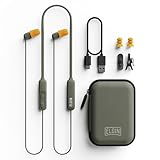
Does Osha Allow Earbuds? A Complete Guide to Workplace Safety
Hey there! Ever wondered if you can jam out to your favorite tunes while on the job? It’s a common question, especially in today’s world where earbuds are practically glued to our ears. But when it comes to the workplace, things get a little more complicated. Safety regulations, like those set by OSHA, are designed to protect you, and that often means balancing productivity with staying safe.
We’re going to break down everything you need to know about earbuds and OSHA regulations. We’ll explore the rules, the exceptions, and the potential hazards. This isn’t just about whether you can listen to music; it’s about understanding how to work safely and responsibly, no matter what your job is.
So, grab a seat, and let’s get started. By the end of this guide, you’ll have a clear understanding of where earbuds fit (or don’t fit) in the world of workplace safety, and how to stay compliant with OSHA standards. Let’s make sure you’re both productive and protected!
Osha and Workplace Safety: The Basics
OSHA, or the Occupational Safety and Health Administration, is a U.S. government agency dedicated to ensuring safe and healthy working conditions for workers. Their mission is to prevent work-related injuries, illnesses, and fatalities by setting and enforcing standards and providing training, education, and assistance. OSHA covers most private sector employers and employees, as well as some public sector employers and employees in the states that operate their own OSHA-approved state plans. Understanding OSHA’s role is crucial to grasping the regulations concerning earbuds.
OSHA’s regulations are designed to minimize workplace hazards. These hazards can range from physical dangers, like falling objects, to environmental concerns, such as noise levels. OSHA’s standards are not just suggestions; they are legally enforceable rules that employers must follow. Failure to comply can result in citations, fines, and even legal action. OSHA’s focus is on proactive safety measures, requiring employers to identify, assess, and control hazards in the workplace.
Key Osha Standards Relevant to Earbud Use
Several OSHA standards may indirectly impact the use of earbuds in the workplace. These are primarily related to noise exposure, hazard communication, and personal protective equipment (PPE).
- 29 CFR 1910.95: Occupational Noise Exposure: This standard addresses the hazards of noise in the workplace. It sets permissible exposure limits (PELs) for noise levels and requires employers to implement a hearing conservation program when noise exposure exceeds these limits. This is a crucial standard to consider when discussing earbuds, as they can contribute to exceeding safe noise levels.
- 29 CFR 1910.132: General Requirements – Personal Protective Equipment (PPE): While not directly about earbuds, this standard mandates that employers provide and require the use of appropriate PPE where hazards are present. This could include hearing protection, which might be necessary if earbuds are used in a noisy environment. The use of earbuds may interfere with other crucial PPE.
- 29 CFR 1910.1200: Hazard Communication: This standard requires employers to inform employees about the hazards of chemicals and other substances in the workplace. While not directly linked to earbuds, it emphasizes the importance of clear communication about potential risks, which can include distractions or reduced awareness caused by using earbuds.
Understanding Noise Exposure and Hearing Protection
Noise exposure is a significant concern in many workplaces, and OSHA has specific regulations to protect workers from hearing loss. The agency sets a PEL of 90 dBA (decibels, A-weighted) as an 8-hour time-weighted average (TWA). When noise levels exceed this, employers must take action. They must implement a hearing conservation program if the average noise exposure is at or above 85 dBA over an 8-hour workday. These programs often include:
- Noise monitoring: Regularly measuring noise levels in the workplace to identify areas with excessive noise exposure.
- Engineering controls: Implementing measures to reduce noise at its source, such as installing sound-dampening materials or enclosing noisy equipment.
- Administrative controls: Modifying work schedules or procedures to reduce worker exposure to noise.
- Hearing protection: Providing and requiring the use of hearing protection devices (HPDs), such as earplugs or earmuffs, when noise levels exceed the PEL or when workers are exposed to high noise levels for extended periods.
- Audiometric testing: Conducting regular hearing tests to monitor workers’ hearing and identify any hearing loss.
- Training: Educating employees about the hazards of noise exposure and the proper use of hearing protection.
The use of earbuds can impact these requirements. If earbuds are used in a noisy environment, they may not provide adequate hearing protection and could even contribute to hearing loss. Employers need to consider the combined noise level from the work environment and the volume of the audio played through the earbuds. If the combined level exceeds the PEL, additional hearing protection may be required.
Earbuds and Distraction: A Safety Concern
One of the primary concerns regarding earbud use in the workplace is distraction. Earbuds can potentially impede a worker’s ability to hear important auditory cues, such as warnings from machinery, alarms, or the voices of coworkers. This can lead to:
- Increased risk of accidents: Workers may fail to hear approaching vehicles, warning signals, or verbal instructions, leading to injuries.
- Reduced situational awareness: Earbuds can limit a worker’s awareness of their surroundings, making it more difficult to identify potential hazards.
- Impaired communication: Earbuds can interfere with communication between workers, which is crucial for coordinating tasks and responding to emergencies.
The severity of these risks depends on the specific work environment and the nature of the tasks being performed. For example, using earbuds is likely to be riskier in a construction site or a factory than in a quiet office setting.
Workplace Environments Where Earbud Use Is Generally Discouraged or Prohibited
Certain work environments pose significantly higher risks when earbuds are used. In these settings, OSHA and employers often discourage or prohibit the use of earbuds to ensure worker safety. These include:
- Construction sites: The construction industry is inherently hazardous, with numerous potential dangers, including moving machinery, falling objects, and loud noises. Earbuds can severely impair a worker’s ability to perceive these dangers.
- Manufacturing plants: Manufacturing environments often involve heavy machinery, moving parts, and high noise levels. Earbuds can interfere with the ability to hear warning signals and other critical sounds.
- Transportation and delivery services: Workers operating vehicles, such as truck drivers or delivery personnel, need to be fully aware of their surroundings. Earbuds can be distracting and impair their ability to hear traffic sounds and other important cues.
- Emergency services: Firefighters, paramedics, and other emergency responders need to be able to hear instructions, alarms, and other crucial information at all times. Earbuds are generally prohibited in these settings.
- Any environment with high noise levels: Regardless of the industry, if a workplace has high noise levels, the use of earbuds is likely to be restricted or require additional hearing protection.
Specific Examples of Osha Regulations and Earbud Use
While OSHA doesn’t have a specific regulation that explicitly bans earbuds, several regulations can be interpreted to discourage or prohibit their use in certain situations. Here are some examples:
- 29 CFR 1910.268(b)(1)(i): Telecommunications: This regulation requires employers to ensure that employees are able to hear audible warnings. Earbuds could potentially violate this rule by interfering with the ability to hear.
- 29 CFR 1910.134(b): Respiratory Protection: Although not directly about earbuds, this regulation emphasizes the importance of clear communication in workplaces where respirators are used. The same principle applies to earbuds, where clear communication and awareness of surroundings are essential.
- General Duty Clause: OSHA’s General Duty Clause (Section 5(a)(1) of the Occupational Safety and Health Act) requires employers to provide a workplace free from recognized hazards that are likely to cause death or serious physical harm. If an employer knows that earbud use creates a hazard in a particular work environment, they are obligated to take steps to mitigate that hazard, which could include restricting earbud use.
These examples illustrate how OSHA’s broader safety principles can be applied to the use of earbuds in the workplace.
Exceptions and Considerations
While earbud use is often restricted, there are situations where it might be permissible, or where specific accommodations can be made. These exceptions typically depend on the nature of the work environment, the tasks being performed, and the specific policies of the employer.
- Office environments: In quiet office settings, where noise levels are low and the risk of accidents is minimal, the use of earbuds may be allowed, particularly for listening to music or podcasts during breaks or while performing tasks that do not require constant awareness of surroundings. However, employers might still have policies in place to limit the volume or to prohibit earbud use during meetings or important communications.
- Remote work: For employees who work remotely, the use of earbuds is often less of a concern, as they are primarily responsible for their own safety. However, employers may still have expectations regarding communication and availability, which could influence earbud use during work hours.
- Jobs requiring specific accommodations: In some cases, accommodations may be necessary for employees with disabilities. For example, an employee with a hearing impairment might use earbuds to amplify certain sounds or to receive audio instructions. In these situations, the employer must assess the situation and ensure that the accommodation does not create additional safety hazards.
- Employer policies: Ultimately, the rules regarding earbud use in the workplace are often determined by the employer’s specific policies. Employers have the right to establish their own safety rules, provided they comply with OSHA standards. These policies may vary depending on the industry, the work environment, and the specific tasks being performed.
Employer Responsibilities Regarding Earbud Use
Employers have a responsibility to create a safe work environment, and this includes establishing clear policies regarding earbud use. These responsibilities include:
- Conducting a hazard assessment: Identifying potential hazards in the workplace, including those related to noise exposure, distractions, and reduced awareness.
- Developing a written safety policy: Creating a clear and concise policy on earbud use, which should be communicated to all employees. The policy should specify where earbud use is permitted, where it is prohibited, and any restrictions on volume or use.
- Providing training: Educating employees about the hazards associated with earbud use, the importance of hearing protection, and the company’s safety policies.
- Enforcing the policy: Consistently enforcing the earbud policy, including imposing consequences for violations.
- Providing appropriate PPE: Supplying and requiring the use of appropriate personal protective equipment, such as hearing protection, when necessary.
- Monitoring and reviewing the policy: Regularly reviewing the earbud policy to ensure it remains effective and up-to-date with OSHA regulations and best practices.
By fulfilling these responsibilities, employers can help create a safer and more productive work environment for all employees.
Employee Responsibilities Regarding Earbud Use
Employees also have a role to play in ensuring their safety and the safety of their coworkers. This includes:
- Following the employer’s policy: Adhering to the company’s earbud policy, including any restrictions on use, volume, or specific activities.
- Using earbuds responsibly: Using earbuds in a way that does not create hazards or distractions.
- Being aware of surroundings: Maintaining awareness of their surroundings and being able to hear important sounds, such as alarms, warnings, and the voices of coworkers.
- Using hearing protection when required: Using hearing protection devices, such as earplugs or earmuffs, when required by the employer or when working in a noisy environment.
- Reporting safety concerns: Reporting any safety concerns or violations of the earbud policy to their supervisor or safety officer.
By following these guidelines, employees can contribute to a safer and more productive workplace.
Best Practices for Safe Earbud Use in the Workplace
If earbud use is permitted in your workplace, here are some best practices to follow to minimize risks:
- Keep the volume at a safe level: Avoid listening to audio at excessively high volumes.
- Be aware of your surroundings: Pay attention to your environment and be ready to remove your earbuds if necessary.
- Avoid using earbuds in hazardous areas: Do not use earbuds in areas where there are moving machinery, loud noises, or other potential hazards.
- Use only one earbud: Consider using only one earbud to keep one ear open for external sounds.
- Take breaks: Take regular breaks from using earbuds to give your ears a rest and to stay alert.
- Communicate effectively: Be sure to communicate clearly with coworkers and supervisors, even when using earbuds.
- Follow company policies: Always adhere to your employer’s specific policies on earbud use.
- Consider noise-canceling earbuds: In some cases, noise-canceling earbuds may be a better option than traditional earbuds, as they can help reduce background noise without requiring high volumes.
These practices can help you enjoy the benefits of earbuds while minimizing the risks to your safety and the safety of those around you.
The Role of Technology in Workplace Safety
Technology plays an ever-increasing role in workplace safety. Beyond hearing protection, there are many innovative technologies and solutions for addressing the potential hazards associated with earbud use and other workplace safety concerns.
- Smart Hearing Protection: Advanced hearing protection devices can now provide situational awareness. They allow users to hear ambient sounds while still protecting against harmful noise levels.
- Communication Systems: Integrated communication systems can be integrated into helmets or other PPE, allowing workers to communicate clearly without relying on earbuds.
- Wearable Technology: Wearable technology can monitor worker’s vital signs, location, and movements, providing real-time data to improve safety.
- Mobile Apps: Many apps are available to help manage safety programs, conduct hazard assessments, and provide training.
The integration of technology is constantly evolving, offering new ways to enhance workplace safety and minimize the risks associated with earbud use. It’s important for both employers and employees to stay informed about these advancements and to take advantage of the available resources.
Legal Considerations and Potential Liability
Both employers and employees need to be aware of the legal implications of earbud use in the workplace. OSHA regulations are the primary legal framework, but there are other considerations as well.
- Workers’ compensation: If an employee is injured due to a work-related accident, workers’ compensation insurance may cover medical expenses and lost wages. If earbud use contributed to the accident, it could affect the outcome of the workers’ compensation claim.
- Negligence: Employers have a legal duty to provide a safe work environment. If an employer is negligent in enforcing safety policies, including those related to earbud use, they could be held liable for damages if an employee is injured.
- Litigation: In some cases, employees may file lawsuits against their employers if they believe they were injured due to unsafe working conditions. Earbud use could be a factor in such litigation.
- State and Local Laws: In addition to federal OSHA regulations, state and local laws may also impact earbud use in the workplace. Employers and employees should be aware of all applicable laws and regulations.
Consulting with legal counsel can help employers and employees understand their rights and responsibilities and to navigate the legal complexities of workplace safety.
Final Thoughts
So, can you use earbuds at work? The answer, as you’ve likely gathered, is: it depends. OSHA doesn’t have a specific rule banning them outright, but the agency’s focus on safety means that the use of earbuds is heavily influenced by the specific work environment and the potential hazards involved. In noisy environments, high-risk areas, or situations requiring focused attention, earbuds are often discouraged or prohibited. In quieter settings, where distractions are less of a concern, they may be permissible, provided you follow company policies and prioritize safety.
The key takeaway is this: safety always comes first. Employers must conduct hazard assessments, create clear policies, and provide training to address the potential risks associated with earbud use. Employees, in turn, must be responsible and aware of their surroundings, adhering to company policies and using earbuds in a way that doesn’t compromise their safety or the safety of others. By understanding the regulations, the risks, and the best practices, you can make informed decisions about earbud use in your workplace and contribute to a safer, more productive environment for everyone.
Recommended Products