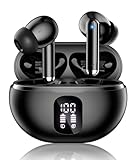
Do Headphones Last Longer Than Earbuds? A Durability Showdown
Choosing between headphones and earbuds is a classic dilemma for music lovers and audio enthusiasts. Beyond sound quality and portability, a major factor often influences the decision: longevity. How long will your investment last? Will your preferred listening device withstand the test of time, the rigors of daily use, and the occasional accidental mishap?
We’re going to delve deep into the durability of these two audio giants, comparing their construction, common failure points, and the factors influencing their lifespan. This isn’t just a simple comparison; it’s a comprehensive guide to help you make an informed decision and maximize the life of your audio gear. Prepare to discover the secrets to a long-lasting listening experience!
Get ready to uncover the real differences that impact how long your headphones or earbuds will last! Let’s get started.
Headphone Construction: Built to Last (sometimes)
Headphones, generally speaking, are built with a more robust design than earbuds. They often feature larger components and a more substantial build, making them less susceptible to damage from everyday wear and tear. However, this isn’t a universal truth; the quality of materials and construction varies dramatically between models and price points.
Materials Matter: A Breakdown
The materials used in headphone construction greatly influence their durability. Here’s a look at some common materials and their impact:
- Headband: Headbands can be made from plastic, metal (aluminum, steel), or a combination of both. Metal headbands are generally more durable than plastic ones, offering greater resistance to bending and breaking. High-quality plastic can also be quite durable, but cheaper plastics are prone to cracking.
- Earcups: Earcups typically house the drivers and are often made of plastic, metal, or a composite material. The quality of the plastic is crucial. Metal earcups are generally the most durable, but they can be heavier.
- Earpads: Earpads are usually made of leather, synthetic leather (protein leather, PU leather), or fabric. Leather and synthetic leather are prone to wear and tear, cracking, and peeling over time. Fabric earpads, while potentially more breathable, can be more susceptible to stains and damage.
- Cables: The cable is a critical weak point for many headphones. Cables can be detachable or fixed. Detachable cables allow for easy replacement if damaged, significantly extending the lifespan of the headphones. The quality of the cable material (e.g., braided nylon, TPE) also influences durability. Braided cables are generally more resistant to tangling and damage.
- Drivers: The drivers themselves are usually well-protected within the earcups and are less prone to damage from external forces. However, extreme heat, moisture, or impacts can still affect their performance.
Common Headphone Failure Points
Despite their generally robust construction, headphones are not immune to failure. Here are some common areas of weakness:
- Headband: Cracking or breaking, especially at the adjustment points.
- Earcups: Cracking or breaking, particularly if made of lower-quality plastic.
- Earpads: Wear and tear, cracking, peeling.
- Cable: Damage at the connectors or along the cable length (fraying, kinks, breaks).
- Drivers: Damage from extreme heat, moisture, or physical impact (less common).
- Hinges: Failure of the swivel mechanisms on over-ear headphones.
Factors Affecting Headphone Lifespan
Several factors can influence how long your headphones last:
- Build Quality: Higher-quality materials and construction lead to greater durability.
- Usage: How frequently you use your headphones and the environments in which you use them. Intense use and harsh environments (e.g., gym, outdoors) can accelerate wear and tear.
- Care and Maintenance: Proper storage, cleaning, and handling practices can significantly extend the lifespan of your headphones.
- Environmental Conditions: Extreme temperatures, humidity, and exposure to sunlight can damage the materials used in headphones.
- Type of Headphone: Over-ear headphones generally last longer than on-ear headphones due to the more robust construction and protection for the drivers.
Earbud Construction: Compact but Vulnerable
Earbuds, in contrast to headphones, are designed to be compact and portable. This design, while convenient, often comes at the expense of durability. The smaller components and lightweight construction make them more vulnerable to damage from impacts, moisture, and general wear and tear.
Materials and Their Impact
Earbuds utilize a different set of materials, optimized for miniaturization and weight reduction. Here’s a look at the key materials and their impact on durability:
- Housing: The housing of earbuds is typically made of plastic. The quality of the plastic varies significantly, with higher-end earbuds often using more durable and impact-resistant materials.
- Drivers: Like headphones, the drivers in earbuds are generally well-protected within the housing. However, they are still susceptible to damage from moisture or extreme impacts.
- Eartips: Eartips are usually made of silicone, foam, or a combination of both. Silicone tips are generally more durable and easier to clean. Foam tips offer better noise isolation but tend to wear out more quickly and require more frequent replacement.
- Cables: The cable is a critical weak point for wired earbuds. The thinner cables used in earbuds are more prone to tangling, kinking, and breaking than the thicker cables used in headphones. Wireless earbuds eliminate the cable issue but introduce other potential failure points.
- Batteries: The batteries in wireless earbuds have a limited lifespan, typically lasting for a few years before their capacity degrades significantly.
Common Earbud Failure Points
Earbuds are prone to several common failure points due to their compact design and the stresses of daily use:
- Cable: Breaking, fraying, or damage at the connectors (wired earbuds).
- Drivers: Failure due to moisture, impacts, or age.
- Housing: Cracking or breaking, especially if made of lower-quality plastic or subjected to impacts.
- Eartips: Wear and tear, tearing, or detachment.
- Battery: Degradation of battery capacity (wireless earbuds).
- Charging Case: Damage to the case itself or failure of the charging circuitry (wireless earbuds).
Factors Affecting Earbud Lifespan
Several factors can influence how long your earbuds last:
- Build Quality: The quality of materials and construction significantly impacts durability.
- Usage: The frequency of use and the environments in which you use your earbuds.
- Care and Maintenance: Proper storage, cleaning, and handling practices can extend their lifespan.
- Moisture Exposure: Exposure to sweat, rain, or other moisture can damage the drivers and electronics.
- Wireless vs. Wired: Wireless earbuds eliminate the cable issue but introduce battery degradation and charging case failures.
Headphones vs. Earbuds: A Direct Comparison
To better understand the differences in durability, let’s compare headphones and earbuds side-by-side.
| Feature | Headphones | Earbuds |
|---|---|---|
| Construction | Generally more robust, larger components | Compact, lightweight, smaller components |
| Materials | Plastic, metal, leather, fabric, high-quality cables | Plastic, silicone/foam eartips, thin cables (wired), batteries (wireless) |
| Common Failure Points | Headband, earcups, earpads, cable, hinges | Cable (wired), drivers, housing, eartips, battery (wireless), charging case (wireless) |
| Vulnerability | Less vulnerable to impacts, more resistant to wear and tear | More vulnerable to impacts, moisture, and wear and tear |
| Lifespan | Generally longer, can last several years with proper care | Shorter, typically 1-3 years (wired), 1-2 years (wireless) |
| Repairability | Potentially repairable (e.g., cable replacement) | Generally not repairable (especially wireless) |
| Environmental Resistance | Better resistance to moisture (depending on the model) | More susceptible to moisture damage |
| Portability | Less portable, bulkier | Highly portable, compact |
Maximizing the Lifespan of Your Audio Gear
Whether you choose headphones or earbuds, you can take steps to extend their lifespan and get the most out of your investment. Here’s how:
For Both Headphones and Earbuds:
- Proper Storage: When not in use, store your headphones or earbuds in a protective case or pouch to prevent dust, scratches, and impacts.
- Cleaning: Regularly clean your headphones or earbuds with a soft, dry cloth. Avoid using excessive moisture or harsh chemicals. For eartips, use a slightly damp cloth or a specialized earbud cleaning tool.
- Avoid Extreme Temperatures and Humidity: Store your audio gear in a cool, dry place away from direct sunlight and extreme temperatures.
- Handle with Care: Avoid dropping, stepping on, or otherwise subjecting your headphones or earbuds to physical impacts.
- Cable Management (Wired): When storing wired headphones or earbuds, avoid tightly wrapping the cable, which can cause kinks and damage. Use a cable tie or organizer to keep the cable neat and prevent tangling.
- Volume Control: Avoid listening at excessively high volumes, as this can damage the drivers over time.
Specific Tips for Headphones:
- Earpad Maintenance: Regularly clean the earpads to remove sweat and oils. Replace worn or damaged earpads to maintain comfort and hygiene.
- Cable Replacement: If your headphones have a detachable cable, consider keeping a spare cable on hand for easy replacement if the original cable is damaged.
- Hinge Lubrication: For headphones with moving parts (e.g., hinges), occasionally lubricate the hinges with a small amount of lubricant to prevent squeaking and ensure smooth operation.
Specific Tips for Earbuds:
- Eartip Replacement: Replace eartips regularly, especially foam tips, which tend to wear out faster.
- Moisture Protection: If you use your earbuds during workouts or in humid environments, consider using earbuds with a water-resistant or waterproof rating.
- Charging Case Care (Wireless): Keep the charging case clean and dry. Avoid dropping or subjecting the case to physical impacts. Charge the case regularly to maintain battery health.
The Repairability Factor
Another crucial element to consider is the potential for repair. Headphones often have a significant advantage in this regard.
Headphones, especially those with detachable cables, offer a higher degree of repairability. Replacing a damaged cable is a straightforward process that can significantly extend the life of the headphones. Other components, such as earcups or headbands, may also be replaceable, depending on the model and the availability of replacement parts.
Earbuds, on the other hand, are generally not designed to be repaired. Their compact design and the integration of small, complex electronics make repair difficult and often impractical. If a component fails, the entire earbud unit typically needs to be replaced. Wireless earbuds present an even greater challenge due to the sealed design and the integrated battery.
The repairability factor can significantly impact the long-term cost of ownership. Headphones, with their greater repair potential, can offer a more cost-effective solution in the long run, as you may be able to replace a damaged component rather than purchasing a new unit.
Verdict
So, do headphones last longer than earbuds? The answer is a resounding yes, in most cases. Headphones, with their more robust construction, higher-quality materials, and potential for repair, generally have a longer lifespan than earbuds. Earbuds, while offering unmatched portability, often sacrifice durability for convenience.
By understanding the construction, common failure points, and the factors that influence lifespan, you can make a more informed decision about which audio device is right for you. Remember that proper care and maintenance are crucial for maximizing the life of any audio gear. Whether you choose headphones or earbuds, prioritizing quality, using them with care, and practicing good maintenance habits will ensure that you enjoy your music for years to come.
Recommended Products