Are Over Ear Headphones Safer Than Earbuds?
Choosing the right audio gear can feel overwhelming, especially when considering your hearing health. We all love our music, podcasts, and audiobooks, but how we listen matters. The debate between over-ear headphones and earbuds often centers around sound quality and convenience, but a crucial aspect is often overlooked: safety. Are you unknowingly damaging your hearing with your daily listening habits?
This is where the question of which is safer comes in. Are over-ear headphones, with their larger design, inherently better for your ears than earbuds, which sit directly inside your ear canal? Or does it depend on other factors? We’ll explore the nuances of this comparison, breaking down the potential risks and benefits of each type. We’ll examine volume levels, listening habits, and overall design to provide you with a clear understanding of how to protect your hearing. Let’s get started!
Understanding Sound and Hearing Damage
Before diving into the specifics of headphones and earbuds, it’s crucial to understand how sound affects our hearing. Sound is measured in decibels (dB), and prolonged exposure to high decibel levels can lead to permanent hearing damage. This damage typically occurs to the tiny hair cells in your inner ear, which are responsible for converting sound vibrations into electrical signals that your brain interprets as sound. Once these hair cells are damaged, they don’t regenerate, resulting in hearing loss.
The Occupational Safety and Health Administration (OSHA) sets guidelines for safe noise exposure in the workplace. For instance, OSHA states that exposure to 85 dB for eight hours is the limit before hearing protection is required. As the sound level increases, the permissible exposure time decreases. For example, exposure to 100 dB is limited to 15 minutes. This highlights the importance of being mindful of both the volume and duration of your listening sessions.
The Anatomy of the Ear and Sound Transmission
Understanding the structure of the ear is fundamental to grasping the impact of different headphone types. The ear is divided into three main parts: the outer ear, the middle ear, and the inner ear.
- Outer Ear: This includes the pinna (the visible part of the ear) and the ear canal, which funnels sound waves towards the eardrum.
- Middle Ear: This contains the eardrum and three tiny bones (ossicles) that amplify the sound vibrations.
- Inner Ear: This houses the cochlea, a fluid-filled, snail-shaped structure containing the hair cells that convert sound vibrations into electrical signals.
When you listen to audio, sound waves travel through the air, enter your ear canal, and cause your eardrum to vibrate. These vibrations are amplified by the ossicles in the middle ear and then transmitted to the cochlea in the inner ear. The hair cells within the cochlea move in response to these vibrations, triggering the electrical signals that your brain interprets as sound. The intensity of the sound (loudness) is determined by the amplitude of the sound waves, measured in decibels (dB).
The proximity of the sound source to the eardrum plays a significant role in the potential for hearing damage. The closer the sound source, the less the sound has to dissipate before it reaches the eardrum, increasing the risk of damage, particularly at high volumes. This is a critical point when comparing headphones and earbuds.
Decibel Levels and Safe Listening Practices
Controlling the volume is paramount for protecting your hearing. The World Health Organization (WHO) recommends that you limit your exposure to sounds above 85 dB for no more than one hour per day. Many smartphones and audio players have built-in volume limiters that you can activate to help manage your listening levels. Here’s a general guide to understanding decibel levels:
- 0 dB: The threshold of hearing.
- 30 dB: A whisper or the sound of rustling leaves.
- 60 dB: Normal conversation.
- 85 dB: The level at which hearing damage can occur with prolonged exposure. This is about the sound of heavy traffic.
- 100 dB: A chainsaw or a loud concert. Exposure at this level, even for a short time, can cause damage.
- 120 dB: A jet engine. This level can cause immediate pain and hearing damage.
Using the 60/60 rule is a good practice: listen at no more than 60% of your device’s maximum volume for no more than 60 minutes at a time. Taking breaks is also essential. Give your ears a rest after listening to music or audio for an extended period. This allows the hair cells in your inner ear to recover from sound exposure.
Over-Ear Headphones: Advantages and Disadvantages
Over-ear headphones, also known as circumaural headphones, fully enclose the ear. They often have a larger size and a design that sits around the ear, creating a seal that can help block out external noise. Let’s delve into the pros and cons of over-ear headphones concerning hearing safety.
Advantages of Over-Ear Headphones
Reduced Sound Leakage: One of the primary advantages of over-ear headphones is their ability to minimize sound leakage. Because they create a seal around your ears, less sound escapes into the environment. This means you are less likely to need to crank up the volume to hear your audio clearly, which can protect your hearing.
Better Noise Isolation: The design of over-ear headphones allows for superior noise isolation. This means they can effectively block out ambient sounds, such as traffic noise or background conversations. By reducing the need to compete with external noise, you are less likely to increase the volume to hear your audio, thus promoting safer listening habits. They achieve this through both passive and, in many cases, active noise cancellation (ANC) technology.
Even Sound Distribution: Over-ear headphones often provide a more balanced and even sound distribution across the frequency spectrum. This can lead to a more pleasant listening experience, which can make you less likely to listen at excessively high volumes.
Comfort and Extended Use: Many over-ear headphones are designed for comfort, with padded earcups and headbands. This can make them suitable for extended listening sessions, reducing the likelihood of ear fatigue, which could indirectly lead to safer listening practices.
Potentially Lower Volume Levels: Because of their sound isolation capabilities, you might naturally listen at lower volumes with over-ear headphones. You don’t need to compete with external noise as much, so your typical listening volume may be lower than it would be with earbuds in a noisy environment.
Disadvantages of Over-Ear Headphones
Potential for Higher Volume: While over-ear headphones can help reduce external noise, some users may still be tempted to increase the volume to fully immerse themselves in their audio. This is a risk, especially with models that don’t have effective passive noise isolation or active noise cancellation.
Size and Portability: Over-ear headphones are bulky and less portable than earbuds. This can make them less convenient for certain activities, such as working out or commuting, potentially leading people to choose earbuds instead.
Heat Build-up: The enclosed design of some over-ear headphones can cause heat to build up around the ears, which can be uncomfortable, especially in warm environments. This can lead to you removing the headphones and potentially exposing yourself to louder ambient noise.
Cost: High-quality over-ear headphones can be more expensive than earbuds. This can be a barrier for some consumers, leading them to choose less expensive options that may not offer the same level of hearing protection.
Earbuds: Advantages and Disadvantages
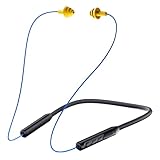
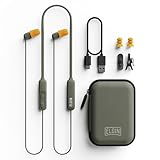
Earbuds, also known as in-ear headphones, are designed to fit directly into the ear canal. Their compact size and portability make them a popular choice for many, but they also come with specific considerations regarding hearing safety.
Advantages of Earbuds
Portability and Convenience: Earbuds are small, lightweight, and easy to carry, making them ideal for on-the-go listening. They fit easily in pockets, bags, and purses, making them a convenient option for commuting, exercising, or traveling.
Variety of Designs: Earbuds come in a variety of styles, including wired and wireless options, with features like noise cancellation and different ear tip sizes to ensure a comfortable fit.
Cost-Effectiveness: Earbuds are generally more affordable than over-ear headphones, with many budget-friendly options available. This can make them an accessible option for people who want to listen to audio without spending a lot of money.
Fit: Many earbuds come with different sized ear tips (silicone or foam) to help ensure a more snug fit, improving both sound quality and noise isolation.
Disadvantages of Earbuds
Proximity to the Eardrum: The primary concern with earbuds is their close proximity to the eardrum. Because the sound source is so close to the eardrum, the sound pressure level can be higher, increasing the risk of hearing damage. This is a significant factor when considering hearing safety.
Lack of Noise Isolation: While some earbuds offer noise isolation, many models don’t block out external sounds effectively. This can lead users to increase the volume to overcome background noise, potentially exposing their ears to damaging decibel levels.
Sound Leakage: Earbuds can leak sound, especially at higher volumes. This means that others around you can hear your audio, potentially prompting you to increase the volume to maintain privacy, further endangering your hearing.
Fit and Comfort: Finding the right fit with earbuds can be tricky. Poorly fitting earbuds can lead to discomfort, which can encourage you to remove the earbuds and possibly expose yourself to louder ambient noise or to use the earbuds at higher volumes to compensate for the poor fit.
Earwax Buildup: Earbuds can contribute to earwax buildup, potentially leading to discomfort, temporary hearing loss, and the need for medical intervention.
Headphone vs. Earbud Comparison Table
Here’s a table summarizing the key differences between over-ear headphones and earbuds, with a focus on hearing safety:
| Feature | Over-Ear Headphones | Earbuds |
|---|---|---|
| Proximity to Eardrum | Further from eardrum | Closer to eardrum |
| Noise Isolation | Generally better (passive and active) | Can be good with a proper fit, but often less effective |
| Sound Leakage | Less sound leakage | More sound leakage |
| Volume Control | May listen at lower volumes due to better noise isolation | May increase volume to overcome background noise |
| Portability | Less portable | Highly portable |
| Comfort | Can be comfortable, but may cause heat build-up | Comfort varies depending on fit |
| Cost | Can be more expensive | Generally more affordable |
Factors Affecting Hearing Safety: Beyond Headphone Type
While the type of headphones you choose plays a role in hearing safety, other factors are equally important. These include your listening habits, the environment you’re in, and the features of your audio devices.
Volume Control and Listening Habits
Volume Levels: As mentioned earlier, keeping the volume at a safe level is the most critical factor. Use the volume control on your device to ensure you’re not listening at dangerously high levels. Pay attention to any warning signs, such as the sound being too loud to hold a normal conversation or experiencing ringing in your ears after listening.
Listening Duration: Prolonged exposure to any sound level, even moderate ones, can damage your hearing. Take breaks during your listening sessions. The 60/60 rule (listening at 60% volume for 60 minutes) is a good guideline.
Listening Environment: The environment can significantly impact how loud you listen. In noisy environments, you may instinctively turn up the volume to overcome background noise. If possible, avoid listening in extremely noisy places, or use headphones with good noise isolation.
Features of Headphones and Earbuds
Noise Cancellation: Noise cancellation technology, available in both over-ear headphones and some earbuds, can significantly reduce the amount of external noise you hear. This allows you to listen at lower volumes while still enjoying your audio.
Volume Limiting: Many devices have built-in volume limiters. Activate these settings to prevent you from accidentally exceeding safe listening levels.
Fit and Comfort: A comfortable fit is important. For earbuds, ensure you have the right size ear tips. For over-ear headphones, make sure the earcups fit snugly but don’t cause excessive pressure. A proper fit enhances noise isolation and minimizes the need for high volumes.
Environmental Considerations
Ambient Noise: Be mindful of your listening environment. If you’re in a noisy place, you may need to increase the volume to hear your audio. If possible, choose a quieter environment or use headphones with effective noise isolation.
Situational Awareness: When listening outdoors or in public, be aware of your surroundings. Avoid listening at high volumes when you need to hear traffic, announcements, or other important sounds.
Regular Hearing Checkups: Consider having your hearing checked regularly by an audiologist. This can help you identify any early signs of hearing damage and take preventative measures.
Which Is Safer: A Balanced Perspective
Ultimately, the question of whether over-ear headphones or earbuds are safer isn’t a simple one. Both have advantages and disadvantages. The safety of each depends on how they are used. Over-ear headphones generally offer better noise isolation and may lead to lower listening volumes. Earbuds, due to their proximity to the eardrum, present a greater risk if used at high volumes. However, with responsible use, both can be safe.
If you prioritize hearing safety, over-ear headphones with good noise isolation and the ability to control volume are often the better option. However, if portability and convenience are essential, earbuds can be safe if you pay close attention to volume levels, use noise-canceling features, and take regular breaks.
The key takeaway is that your listening habits are more important than the type of headphones you choose. Regardless of the style, always keep the volume at a safe level, limit your listening time, and be mindful of your environment. Consider the following best practices for safer listening:
- Use the 60/60 rule: Listen at no more than 60% of your device’s maximum volume for no more than 60 minutes at a time.
- Take breaks: Give your ears a rest after listening to audio for an extended period.
- Use noise cancellation: Utilize noise-canceling features on your headphones to reduce the need to increase the volume.
- Choose the right fit: Ensure your earbuds or headphones fit properly to maximize noise isolation and comfort.
- Be mindful of your environment: Avoid listening in extremely noisy places.
- Monitor your hearing: Pay attention to any signs of hearing damage, such as ringing in your ears or difficulty hearing.
- Get regular checkups: Consider having your hearing checked regularly by an audiologist.
Verdict
So, are over-ear headphones safer than earbuds? The answer isn’t a straightforward yes or no. Both can be safe with mindful use. Over-ear headphones often provide better noise isolation, which helps reduce the need to crank up the volume. Earbuds, because they sit directly in your ear canal, pose a higher risk if the volume is too loud. The most crucial factor is your listening habits: controlling volume, limiting listening time, and being aware of your environment. Prioritize safe listening practices, and you can enjoy your audio without putting your hearing at risk.
Recommended Products