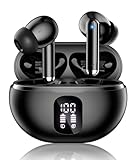
Are Headphones Better for You Than Earbuds? A Detailed Look
Choosing between headphones and earbuds can feel like a big decision. You want great sound, comfort, and something that fits your lifestyle. But which is really the better choice for you? It’s a question I get asked a lot, and the answer, as with most things, isn’t always straightforward.
We’ll explore the pros and cons of each type, looking at sound quality, comfort, health considerations, and everyday practicality. I’ll break down the key differences to help you make an informed choice that suits your needs. Whether you’re a music lover, a podcast enthusiast, or someone who just needs to take calls on the go, this guide will help you understand the strengths and weaknesses of both options.
So, let’s get started and find out which audio companion is the perfect fit for you. By the end, you’ll have a clear understanding of the advantages and disadvantages of each, so you can make the best decision for your needs.
Headphones vs. Earbuds: A Head-to-Head Comparison
The world of personal audio has exploded in recent years, with headphones and earbuds leading the charge. Both offer a way to enjoy music, podcasts, and calls, but they differ significantly in design, features, and overall experience. Let’s delve into a detailed comparison to help you understand the nuances of each.
Sound Quality: The Heart of the Matter
Headphones often deliver superior sound quality due to their larger drivers and ability to create a more immersive listening experience. The larger size allows for more sophisticated acoustic engineering, resulting in a wider frequency range and better bass response. This means you can often hear more detail in your music, from the subtle nuances of a guitar solo to the deep rumble of a bass drum. Headphones also tend to provide better sound isolation, reducing external noise and allowing you to focus on the audio.
Earbuds, on the other hand, have come a long way in terms of sound quality. Modern earbuds, especially those with advanced features like active noise cancellation (ANC), can deliver surprisingly good sound. However, their smaller size limits the size of the drivers and the complexity of the acoustic design. This can result in a less expansive soundstage and a less pronounced bass. While many earbuds offer impressive audio, they generally don’t match the level of sound quality you can get with a good pair of headphones.
Comfort and Fit: A Personal Preference
Comfort is highly subjective and depends on individual preferences and ear shapes. Headphones, particularly over-ear models, can be very comfortable for extended listening sessions. They distribute weight more evenly, reducing pressure on the ear. However, some people find them bulky or hot, especially in warm weather. On-ear headphones are a lighter alternative but can still cause discomfort after prolonged use.
Earbuds are often more portable and discreet. They fit directly in the ear canal or sit just outside, making them less noticeable. However, finding the right fit is crucial for comfort and sound quality. Poorly fitting earbuds can be uncomfortable, cause ear fatigue, and reduce sound quality. Many earbuds come with different-sized ear tips to help you find the best fit, and some even offer custom-molded options for a perfect seal.
Portability and Convenience: On-the-Go Audio
Earbuds win hands down when it comes to portability. Their small size makes them easy to carry in a pocket, bag, or even a tiny case. They’re ideal for commuting, exercising, and travel. Most modern earbuds also come with a charging case that provides additional battery life and protection.
Headphones, while not as portable, can still be convenient. On-ear and over-ear headphones often fold for easier storage. However, they take up more space and may not be ideal for situations where you need to move quickly or pack light. Consider the size and weight of the headphones if you plan to use them on the go.
Noise Isolation and Noise Cancellation: Blocking Out the World
Both headphones and earbuds offer varying levels of noise isolation. Noise isolation refers to the ability of the device to physically block out external sounds. Over-ear headphones generally provide the best passive noise isolation because they create a seal around the ear, effectively blocking out a significant amount of ambient noise.
Many earbuds, especially those with silicone or foam ear tips, also offer good noise isolation. The ear tips create a seal within the ear canal, preventing sound from entering. However, the level of noise isolation can vary depending on the fit and the quality of the ear tips.
Active noise cancellation (ANC) is a more advanced technology that uses microphones to detect external noise and then generates opposing sound waves to cancel it out. ANC is available in both headphones and earbuds, and it can significantly reduce background noise, such as the hum of an airplane engine or the chatter in a busy office. ANC performance varies depending on the quality of the device, with higher-end models typically offering better noise cancellation.
Battery Life: Staying Powered Up
Battery life is an important consideration, especially for wireless devices. Headphones, particularly over-ear models, often have larger batteries and provide longer listening times. Many headphones can last for 20-30 hours or more on a single charge.
Earbuds generally have shorter battery lives due to their smaller size. However, the charging case extends the overall listening time. Most earbuds offer around 5-8 hours of playtime on a single charge, with the charging case providing an additional 15-25 hours. Some high-end earbuds offer even longer battery life.
Durability and Build Quality: Designed to Last
The durability of headphones and earbuds can vary widely depending on the brand and price. Higher-end headphones are often built with premium materials and designed to withstand wear and tear. They may feature durable headbands, earcups, and cables.
Earbuds, being smaller and more exposed, can be more susceptible to damage. However, many earbuds are now water-resistant and sweat-proof, making them suitable for exercise and outdoor activities. Consider the build quality and materials used when choosing between headphones and earbuds.
Price: Budget Considerations
The price range for both headphones and earbuds is vast. You can find budget-friendly options for both, as well as high-end models that cost hundreds of dollars. Generally, you can get a good pair of headphones for a lower price than a comparable pair of earbuds, as the manufacturing costs of earbuds can be higher due to their complex internal components.
When considering price, think about your budget and the features that are most important to you. Do you need active noise cancellation? Are you willing to spend more for superior sound quality or a longer battery life? Research different models and read reviews to find the best value for your money.
Health Considerations: Protecting Your Ears
Prolonged exposure to loud sounds can damage your hearing. Both headphones and earbuds can potentially cause hearing loss if used at high volumes for extended periods. The close proximity of earbuds to the eardrum can be a particular concern.
To protect your hearing, it’s essential to:
- Keep the volume at a moderate level. The 60/60 rule is a good guideline: listen at no more than 60% of the maximum volume for no more than 60 minutes per day.
- Take breaks. Give your ears a rest by taking breaks from listening to audio.
- Consider ambient sound settings. Some headphones and earbuds offer ambient sound modes that allow you to hear external sounds while still listening to audio.
- Get your hearing checked. If you’re concerned about your hearing, consult an audiologist.
Specific Use Cases: Tailoring Your Choice
Different situations call for different audio solutions. Consider how you plan to use your headphones or earbuds to determine which type is best for you.
For Music Lovers:
Headphones often provide a better listening experience for dedicated music enthusiasts. They typically offer superior sound quality, a wider soundstage, and a more immersive experience. Over-ear headphones are a particularly good choice for critical listening.
For Commuters and Travelers:
Earbuds are generally more practical for commuting and travel. Their small size makes them easy to carry, and they’re less likely to get in the way. Look for earbuds with good noise cancellation to block out the noise of trains, planes, and buses.
For Fitness and Exercise:
Earbuds are often preferred for fitness and exercise due to their secure fit and portability. Look for earbuds that are sweat-proof and water-resistant. Some headphones are also designed for sports, with features like secure fit and moisture resistance.
For Office Use:
The best choice for office use depends on your specific needs. Headphones can provide better noise isolation, helping you focus on your work. However, they can also be bulky and may not be ideal for frequent interactions with colleagues. Earbuds are more discreet and can be a good option if you need to take calls or listen to audio without disturbing others.
For Phone Calls:
Both headphones and earbuds can be used for phone calls. Many models feature built-in microphones for clear voice communication. Earbuds are often preferred for their portability and discretion, while headphones can offer better microphone quality and noise cancellation, especially in noisy environments.
Detailed Feature Comparison Table
| Feature | Headphones | Earbuds |
|---|---|---|
| Sound Quality | Generally superior, wider soundstage, better bass | Good, but may not match headphones; smaller drivers |
| Comfort | Can be very comfortable, over-ear models distribute weight | Comfort varies; finding the right fit is crucial |
| Portability | Less portable, can be bulky | Highly portable, easy to carry |
| Noise Isolation | Generally better passive noise isolation, especially over-ear | Good noise isolation, depends on fit and ear tips |
| Noise Cancellation | Available, performance varies | Available, performance varies |
| Battery Life | Often longer battery life | Shorter battery life, but charging case extends use |
| Durability | Varies, higher-end models are often durable | Can be susceptible to damage, water-resistant models available |
| Price | Wide range, budget options available | Wide range, can be more expensive |
| Best For | Critical listening, home use, office work (with caveats) | Commuting, travel, fitness, calls, portability |
Choosing the Right Option for You
The best choice between headphones and earbuds depends on your individual needs and preferences. Consider the following factors:
- Sound quality: If sound quality is your top priority, consider headphones, especially over-ear models.
- Comfort: Think about how long you’ll be wearing them and choose the style that feels most comfortable for you. Try different models to find the right fit.
- Portability: If you need something compact and easy to carry, earbuds are the clear winner.
- Noise isolation: If you need to block out external noise, look for headphones or earbuds with good passive noise isolation or active noise cancellation.
- Battery life: Consider how long you need the device to last on a single charge.
- Price: Set a budget and research different models to find the best value for your money.
- Use case: Consider how you plan to use the device, such as for music, calls, exercise, or travel.
By carefully considering these factors, you can make an informed decision and choose the audio device that’s the perfect fit for your lifestyle.
Exploring Specific Features in Detail
Beyond the basic differences, both headphones and earbuds offer a range of features that can enhance your listening experience. Let’s explore some of these in more detail:
Active Noise Cancellation (anc):
Active Noise Cancellation (ANC) is a game-changer for anyone who wants to block out distractions. ANC uses microphones to detect external noise and then generates opposing sound waves to cancel it out. This technology can significantly reduce background noise, such as the hum of an airplane engine, the chatter in a busy office, or the rumble of traffic. High-quality ANC can create a truly immersive listening experience, allowing you to focus on your audio without distractions.
ANC performance varies depending on the quality of the device. High-end headphones and earbuds often feature advanced ANC algorithms that provide superior noise cancellation. When choosing a device with ANC, consider the level of noise cancellation you need and read reviews to assess the effectiveness of the feature.
Transparency Mode:
Transparency mode is a valuable feature that allows you to hear external sounds while still listening to audio. This is particularly useful in situations where you need to be aware of your surroundings, such as when crossing the street or working in an office. Transparency mode uses microphones to capture external sounds and then plays them through the headphones or earbuds, allowing you to hear both your audio and the environment around you.
Some devices offer different levels of transparency, allowing you to adjust how much external sound you want to hear. This feature can be a great compromise between enjoying your audio and staying aware of your surroundings.
Water Resistance and Sweat Resistance:
For fitness enthusiasts and outdoor adventurers, water resistance and sweat resistance are essential features. These features protect the headphones or earbuds from damage caused by moisture. Look for devices with an IP (Ingress Protection) rating, which indicates their level of water and dust resistance. An IPX4 rating, for example, means the device is splash-proof, while an IPX7 rating means it can withstand submersion in water for a short period.
If you plan to use your headphones or earbuds during workouts or outdoor activities, choose a model with a suitable IP rating to ensure they can withstand the rigors of your activities.
Wireless Connectivity: Bluetooth and Beyond:
Wireless connectivity has become the standard for both headphones and earbuds. Bluetooth is the most common wireless technology, allowing you to connect your device to your smartphone, tablet, or other audio sources. Bluetooth technology has improved significantly in recent years, with newer versions offering better sound quality, longer range, and improved battery efficiency.
Some headphones and earbuds also support other wireless technologies, such as aptX and LDAC, which can provide even higher-quality audio streaming. When choosing a wireless device, consider the supported codecs and the quality of the Bluetooth connection.
Voice Assistant Integration:
Many headphones and earbuds now offer voice assistant integration, such as Siri, Google Assistant, or Alexa. This allows you to control your audio, make calls, get information, and more, using voice commands. Voice assistant integration can be a convenient feature, especially when you’re on the go or have your hands full.
When choosing a device with voice assistant integration, consider the compatibility with your preferred voice assistant and the accuracy of the voice recognition.
Multipoint Pairing:
Multipoint pairing allows you to connect your headphones or earbuds to multiple devices simultaneously. This is a convenient feature for users who switch between devices frequently, such as a laptop and a smartphone. With multipoint pairing, you can seamlessly switch between listening to music on your laptop and taking calls on your phone.
Customization and Eq Settings:
Many headphones and earbuds offer customization options, such as equalizer (EQ) settings, that allow you to adjust the sound to your preferences. EQ settings allow you to boost or cut specific frequencies, such as bass, treble, or mids. Some devices also offer pre-set EQ profiles for different genres of music or listening scenarios.
If you’re particular about sound quality, look for a device that offers EQ settings or other customization options. Experiment with different settings to find the sound profile that best suits your taste.
The Future of Headphones and Earbuds
The audio industry is constantly evolving, with new technologies and features emerging regularly. We can expect to see further advancements in areas such as:
- Improved Sound Quality: Manufacturers are constantly working to improve sound quality, with a focus on higher resolution audio, more accurate sound reproduction, and better bass response.
- Enhanced Noise Cancellation: Active noise cancellation technology will continue to improve, with better performance in a wider range of environments.
- More Advanced Features: We can expect to see more innovative features, such as personalized sound profiles, spatial audio, and even biometric sensors that can monitor your health and fitness.
- Sustainable Designs: There is a growing trend towards sustainable designs, with manufacturers using recycled materials and focusing on energy efficiency.
As technology advances, both headphones and earbuds will continue to evolve, offering improved sound quality, more features, and a more personalized listening experience. The future of personal audio is bright, with exciting innovations on the horizon.
Verdict
Ultimately, the choice between headphones and earbuds comes down to your personal needs and preferences. Headphones often provide superior sound quality and better noise isolation, making them ideal for critical listening and use in noisy environments. Earbuds offer unparalleled portability and convenience, making them perfect for on-the-go listening and exercise.
Consider your priorities: Are you a music aficionado who values the best possible sound? Or do you prioritize convenience and portability above all else? Think about the environments where you’ll be using your audio device the most. Will you be commuting, working in an office, or hitting the gym? The answers to these questions will guide you to the perfect audio companion.
Both headphones and earbuds offer a wide range of options, with varying features, designs, and price points. Take the time to research different models, read reviews, and consider your budget. Whether you choose headphones or earbuds, selecting the right device can significantly enhance your listening experience and make your daily life more enjoyable.
Recommended Products