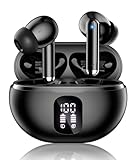
Are Headphones and Earbuds the Same Thing? A Deep Dive
Ever wondered if those sleek earbuds you pop in on your commute are the same as the over-ear headphones you use at home? It’s a common question, and the answer isn’t as simple as a yes or no. The world of personal audio is vast, filled with different designs, technologies, and features. Both headphones and earbuds serve the same core function – delivering sound directly to your ears – but their form factors and capabilities diverge in significant ways.
Think of it like cars and motorcycles; both get you from point A to B, but the experience and the environments they’re best suited for are vastly different. In this comprehensive guide, we’ll break down the nuances, advantages, and disadvantages of headphones and earbuds. We’ll explore the various types, technologies, and factors to consider when choosing the right audio companion for your needs. Get ready to have all your burning questions answered!
Headphones: The Over-Ear Experience
Headphones, typically characterized by their over-ear or on-ear designs, offer a unique listening experience. Their larger size allows for a more immersive and often more powerful sound, making them a popular choice for audiophiles and anyone seeking a superior audio experience. Let’s delve into the different types and their respective strengths.
Types of Headphones
Headphones come in various styles, each with its own set of pros and cons. Understanding these different types is crucial for making an informed decision.
- Over-Ear Headphones: These headphones completely enclose the ear, creating a seal that helps isolate external noise. They are known for their comfort, especially during extended listening sessions, and their ability to deliver rich, detailed sound. Over-ear headphones are a great choice for home listening, studio work, or travel where noise isolation is paramount.
- On-Ear Headphones: These headphones rest on the ears rather than completely surrounding them. They are generally more compact and portable than over-ear headphones, making them a good option for those who want a balance between sound quality and portability. However, they may not offer as much noise isolation as over-ear headphones.
- Open-Back Headphones: Both over-ear and on-ear headphones can be open-back. These headphones have a design that allows sound to escape from the earcups, resulting in a more natural and spacious soundstage. They are favored by audiophiles for their accurate sound reproduction. However, they leak sound, making them unsuitable for use in public spaces.
- Closed-Back Headphones: As the name suggests, these headphones have a closed design, which contains the sound within the earcups. They provide better noise isolation and are ideal for use in noisy environments. They are also less likely to leak sound, making them a good choice for public transport or shared spaces.
Advantages of Headphones
Headphones offer several advantages that make them a preferred choice for many users.
- Superior Sound Quality: The larger drivers and enclosed design of many headphones allow for richer, more detailed sound reproduction. This is especially true for over-ear headphones, which can deliver a more immersive listening experience.
- Noise Isolation: Over-ear headphones, particularly closed-back models, excel at blocking out external noise. This makes them ideal for use in noisy environments, such as on airplanes or in busy offices.
- Comfort: Over-ear headphones are often designed with comfort in mind, featuring plush earcups and padded headbands. This makes them suitable for extended listening sessions.
- Durability: Headphones are generally more durable than earbuds, thanks to their robust construction. They are less likely to be damaged by accidental drops or rough handling.
- Longer Battery Life (for Wireless Models): While this varies, over-ear wireless headphones often have larger batteries, resulting in longer playback times compared to earbuds.
Disadvantages of Headphones
Despite their many advantages, headphones also have some drawbacks.
- Portability: Over-ear headphones are bulky and less portable than earbuds, making them less convenient for on-the-go use.
- Heat: Over-ear headphones can trap heat, which can make your ears feel warm or sweaty during extended use, particularly in warmer climates.
- Price: High-quality headphones can be expensive, especially those with advanced features like noise cancellation.
- Pressure: Some people find that the pressure exerted by over-ear headphones on their ears can be uncomfortable.
Earbuds: The Compact Companion
Earbuds, also known as in-ear headphones, are designed to fit directly into the ear canal. They are prized for their portability and convenience, making them a popular choice for active lifestyles and on-the-go listening. Let’s explore the different types and their respective strengths.
Types of Earbuds
Earbuds also come in a variety of styles, each catering to different preferences and needs.
- In-Ear Earbuds (Canalphones): These earbuds are designed to fit snugly inside the ear canal, creating a seal that helps isolate external noise. They typically come with different sized ear tips to ensure a proper fit.
- True Wireless Earbuds: These are completely wireless earbuds that connect to your device via Bluetooth. They are incredibly convenient and portable, and they often come with a charging case.
- Sports Earbuds: Designed for active use, these earbuds are typically sweat-resistant and feature a secure fit to prevent them from falling out during workouts.
- Earbuds with Ear Hooks: These earbuds have hooks that wrap around the ear, providing a more secure fit, especially during physical activities.
Advantages of Earbuds
Earbuds offer several advantages that make them a compelling choice.
- Portability: Earbuds are small and lightweight, making them easy to carry around in your pocket or bag.
- Convenience: They are quick and easy to put in and take out, making them ideal for commuting or running errands.
- Discreetness: Earbuds are less noticeable than headphones, which can be an advantage in certain situations.
- Price: Entry-level earbuds are often more affordable than headphones.
Disadvantages of Earbuds
Earbuds also have some drawbacks to consider.
- Sound Quality: While the sound quality of earbuds has improved significantly in recent years, they generally don’t match the sound quality of high-end headphones.
- Noise Isolation: Even with a good seal, earbuds often don’t provide as much noise isolation as over-ear headphones.
- Comfort: Some people find earbuds uncomfortable, especially during extended use.
- Fit: Finding the right fit can be challenging, and a poor fit can affect sound quality and noise isolation.
- Battery Life (for Wireless Models): Earbuds often have smaller batteries, resulting in shorter playback times compared to over-ear headphones.
- Risk of Loss: Because of their small size, earbuds are more easily lost than headphones.
Key Differences: A Comparative Overview
Let’s break down the key differences between headphones and earbuds in a table format for easy comparison.
| Feature | Headphones | Earbuds |
|---|---|---|
| Size and Portability | Large, less portable | Small, highly portable |
| Sound Quality | Generally superior, especially for over-ear models | Can be good, but often less detailed than headphones |
| Noise Isolation | Excellent, especially with closed-back models | Can be good, but varies depending on the fit |
| Comfort | Can be very comfortable, especially over-ear models | Can be uncomfortable for some, especially during extended use |
| Price | Can be more expensive | Generally more affordable |
| Durability | Generally more durable | Can be less durable |
| Battery Life (Wireless) | Often longer | Often shorter |
| Best Use Cases | Home listening, studio work, travel (with noise cancellation) | Commuting, workouts, on-the-go listening |
Technology and Features
Both headphones and earbuds incorporate various technologies to enhance the listening experience.
- Noise Cancellation: This technology uses microphones to detect and cancel out external noise, providing a more immersive listening experience. It’s available in both headphones and earbuds, but it tends to be more effective in over-ear headphones due to their better passive noise isolation.
- Bluetooth: Wireless connectivity is a common feature in both headphones and earbuds, allowing you to connect to your devices without the need for a cable.
- Transparency Mode: This feature allows you to hear your surroundings while still listening to music. It’s particularly useful for staying aware of your environment while walking or running.
- EQ Customization: Many headphones and earbuds offer EQ (equalizer) settings, allowing you to customize the sound profile to your liking.
- Water Resistance: Many sports earbuds are water-resistant, making them suitable for workouts and outdoor activities.
- Voice Assistant Integration: Both headphones and earbuds often feature voice assistant integration, allowing you to control your music, make calls, and access other features using voice commands.
Fit and Comfort: The Personal Touch
The fit and comfort of both headphones and earbuds are critical factors. A proper fit ensures optimal sound quality and noise isolation and prevents discomfort during extended use.
- For Headphones: Look for adjustable headbands and earcups that provide a comfortable and secure fit. Consider the weight of the headphones and the materials used in the earcups, as these can affect comfort.
- For Earbuds: Experiment with different ear tips to find the best fit. A good seal is essential for optimal sound quality and noise isolation. Some earbuds come with multiple sizes of silicone or foam tips. Foam tips often provide a better seal and more noise isolation than silicone tips.
Sound Quality: What to Listen For
Sound quality is a primary consideration. Factors to keep in mind:
- Driver Size: Larger drivers generally produce a fuller and more detailed sound. Over-ear headphones typically have larger drivers than earbuds.
- Frequency Response: This indicates the range of frequencies the headphones or earbuds can reproduce. A wider frequency response is generally desirable.
- Impedance: This affects how well the headphones or earbuds work with different devices. Lower impedance headphones and earbuds are generally easier to drive, meaning they can be powered by devices like smartphones.
- Soundstage: This refers to the perceived width and depth of the sound. Open-back headphones often provide a wider soundstage than closed-back headphones or earbuds.
Choosing the Right Option for You
The best choice depends on your individual needs and preferences. Consider these questions:
- What will you primarily use them for? (e.g., listening at home, commuting, working out).
- What is your budget?
- How important is portability?
- How important is noise isolation?
- Do you prefer a comfortable fit?
- Do you prioritize sound quality?
- Do you need any special features? (e.g., noise cancellation, water resistance).
By considering these factors, you can narrow down your options and choose the headphones or earbuds that are right for you.
The Future of Personal Audio
The personal audio industry is constantly evolving, with new technologies and features emerging all the time. We can expect to see further advancements in noise cancellation, battery life, and sound quality. The trend toward true wireless earbuds is likely to continue, with manufacturers focusing on improving their performance and features. Personalized audio experiences, such as those that tailor sound to your individual hearing profile, are also gaining traction.
As technology progresses, the lines between headphones and earbuds may blur further. We may see more hybrid designs that combine the best features of both, offering a versatile and high-quality listening experience. The focus will continue to be on providing users with an immersive, convenient, and personalized audio experience.
Final Thoughts
So, are headphones and earbuds the same thing? Not exactly. While both serve the same fundamental purpose – delivering audio to your ears – they differ significantly in design, features, and intended use. Headphones typically offer superior sound quality, noise isolation, and comfort, making them ideal for home listening and critical listening sessions. Earbuds excel in portability and convenience, making them perfect for on-the-go use and active lifestyles.
Ultimately, the best choice between headphones and earbuds depends on your individual needs, preferences, and listening habits. Consider your priorities, weigh the pros and cons of each type, and choose the option that best suits your lifestyle and budget. Whether you opt for over-ear headphones or compact earbuds, you’re sure to find a personal audio companion that enhances your listening experience.
Recommended Products