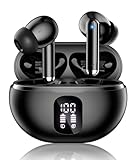
Are Earbuds Worse Than Headphones? A Detailed Comparison
Choosing between earbuds and headphones can feel like a big decision. Both offer a way to enjoy music, podcasts, and calls, but they come with distinct advantages and disadvantages. You’ve probably wondered, are earbuds worse than headphones? The answer isn’t simple, as it depends on your individual needs and preferences. I’m here to break down everything you need to know, from sound quality and comfort to portability and price.
We’ll explore the pros and cons of each type, helping you understand which option is the best fit for your lifestyle. Whether you’re a casual listener, a fitness enthusiast, or an audiophile, this guide will provide you with the insights you need to make an informed choice. I will cover the critical aspects, so you can confidently decide which audio companion deserves a spot in your ears (or on your head!).
Sound Quality: The Heart of the Experience
The most important factor for many is sound quality. Headphones, particularly over-ear models, often have a significant advantage here. They typically house larger drivers, which are the components that produce sound. These larger drivers can move more air, resulting in a richer, more detailed sound with a wider frequency response.
Headphones: The Audiophile’s Choice
Headphones generally offer superior sound quality due to their larger drivers and better acoustic design. Over-ear headphones, in particular, create a seal around your ears, which helps to block out external noise and enhance bass response. This isolation allows you to hear more detail in your music, even at lower volumes. The larger earcups also provide more space for acoustic engineering, allowing manufacturers to fine-tune the sound profile. Some high-end headphones use open-back designs, which provide a more natural and spacious soundstage, but they leak sound and aren’t ideal for noisy environments.
Benefits of Headphones for Sound:
- Superior Bass Response: Larger drivers deliver deeper and more impactful bass.
- Wider Soundstage: The design allows for a more immersive listening experience.
- Better Noise Isolation: Over-ear models effectively block out external noise.
- Detailed Sound: More nuanced audio across the frequency spectrum.
Earbuds: Compact but Capable
Earbuds have improved significantly in recent years. Many now offer impressive sound quality, especially those with features like active noise cancellation (ANC). However, they still face limitations due to their smaller size. The smaller drivers struggle to reproduce the same level of bass and overall detail as larger headphones. The fit can also affect sound quality; a poor seal can lead to a loss of bass and a more tinny sound.
Benefits of Earbuds for Sound:
- Improved Sound Quality: Advances in technology have boosted the quality of earbuds.
- ANC Capabilities: Many earbuds offer effective noise cancellation.
- Portability: Compact design allows for easy carrying.
Key Takeaway: If sound quality is your top priority, especially deep bass and a wide soundstage, headphones often have the edge. However, high-quality earbuds can still provide a satisfying listening experience, particularly for those on the go.
Comfort and Fit: A Personal Preference
Comfort and fit are highly subjective. What feels comfortable for one person might be unbearable for another. Both earbuds and headphones have their own set of comfort considerations.
Headphones: Comfort Over Time
Headphones, especially over-ear models, can be comfortable for extended listening sessions. However, they can also cause fatigue, particularly in warm environments. The pressure on your ears and head can become noticeable after a few hours. The weight of the headphones can also be a factor, especially for those with neck sensitivities. On-ear headphones, which rest on your ears, are generally lighter but can also cause discomfort.
Factors Affecting Headphone Comfort:
- Earcup Material: Plush materials like velour or memory foam can increase comfort.
- Headband Design: Adjustable headbands and even weight distribution are crucial.
- Weight: Lighter headphones are generally more comfortable for extended use.
- Clamp Force: The pressure the headphones exert on your head affects comfort.
Tips for Maximizing Headphone Comfort:
- Choose the right size: Ensure the headband and earcups fit your head properly.
- Take breaks: Remove your headphones every hour to give your ears and head a rest.
- Consider the material: Opt for breathable materials to reduce sweating.
Earbuds: The Freedom of Movement
Earbuds are often more comfortable for short listening sessions and for activities that involve movement. Their lightweight and compact design means they don’t get in the way during exercise or while commuting. However, the fit can be a challenge. Finding the right ear tips is crucial for comfort and sound quality. Poorly fitting earbuds can cause pain or discomfort, and they may fall out easily.
Factors Affecting Earbud Comfort:
- Ear Tip Selection: Choosing the right size and type of ear tips is essential.
- Ear Canal Shape: The shape of your ear canal affects the fit and comfort.
- Weight: Lighter earbuds are generally more comfortable.
Tips for Maximizing Earbud Comfort:
- Experiment with different ear tips: Try various sizes and materials (foam, silicone).
- Insert properly: Ensure a secure fit to prevent them from falling out.
- Take breaks: Remove earbuds periodically to prevent ear fatigue.
Key Takeaway: Comfort is very personal. Headphones might be better for long listening sessions at home, while earbuds are often preferred for portability and activities. Try different models and ear tips to find what works best for you.
Portability and Convenience: On the Go
Portability and convenience are key considerations for many people. How easily can you carry and use your audio device? This is where earbuds often shine.
Headphones: A Bulkier Companion
Headphones, especially over-ear models, are bulkier than earbuds. They take up more space in your bag and are less convenient to carry around. While many headphones fold up for easier storage, they still require more space. They are less ideal for situations where you need to be discreet or move quickly.
Headphone Portability Considerations:
- Size and Weight: Over-ear headphones are larger and heavier than earbuds.
- Storage: Require more space in a bag or case.
- Ease of Use: Can be cumbersome to wear and remove quickly.
Earbuds: The Ultimate in Portability
Earbuds are incredibly portable. They fit easily in your pocket, bag, or even your ear. They are ideal for travel, commuting, and any situation where you need a compact audio solution. Wireless earbuds, in particular, are very convenient as they eliminate the need for cables. Pairing and using earbuds is generally quick and easy.
Earbud Portability Considerations:
- Size and Weight: Extremely compact and lightweight.
- Storage: Easily fits in pockets or small bags.
- Ease of Use: Quick to put in, take out, and start listening.
Key Takeaway: If portability and convenience are high priorities, earbuds are the clear winner. They are much easier to carry and use on the go.
Noise Isolation and Noise Cancellation: Blocking Out the World
The ability to block out external noise is crucial for many listeners. Whether you’re commuting, working in a noisy office, or simply trying to focus, effective noise isolation or noise cancellation can significantly enhance your listening experience.
Headphones: Natural Isolation and Active Cancellation
Over-ear headphones provide excellent passive noise isolation. The earcups create a physical barrier that blocks out a significant amount of external noise. Many headphones also feature active noise cancellation (ANC), which uses microphones to detect ambient noise and then produces opposing sound waves to cancel it out. This combination of passive and active noise cancellation can create a very quiet listening environment.
Headphone Noise Isolation/Cancellation Benefits:
- Passive Noise Isolation: Earcups block out a significant amount of external noise.
- Active Noise Cancellation (ANC): Reduces ambient noise for a more immersive experience.
- Ideal for Noisy Environments: Great for commuting, travel, and working in busy places.
Earbuds: Varying Performance
The noise isolation performance of earbuds varies significantly. In-ear earbuds, which fit directly into your ear canal, offer better passive noise isolation than earbuds that sit outside the ear. Many earbuds also feature ANC, but the effectiveness can vary. The smaller size of earbuds makes it more challenging to implement effective ANC compared to headphones. The fit also plays a critical role: a poor seal will diminish the noise isolation capabilities.
Earbud Noise Isolation/Cancellation Considerations:
- Passive Noise Isolation: Depends on the fit and design of the ear tips.
- Active Noise Cancellation (ANC): Performance varies depending on the model.
- Fit is Crucial: A good seal enhances noise isolation.
Key Takeaway: Headphones, especially over-ear models with ANC, generally provide better noise isolation and cancellation. However, many high-quality earbuds with ANC still offer effective noise reduction, especially in situations where portability is essential.
Features and Technology: Beyond Sound
Beyond sound quality, comfort, and portability, other features and technological advancements can influence your choice between earbuds and headphones.
Headphones: Packed with Features
Headphones often come with a range of advanced features. These can include:
- Active Noise Cancellation (ANC): Reduces ambient noise.
- Transparency Mode: Allows you to hear your surroundings without removing the headphones.
- Bluetooth 5.0 or Higher: Provides a stable and efficient wireless connection.
- Multipoint Pairing: Connects to multiple devices simultaneously.
- Built-in Microphones: For phone calls and voice assistants.
- Touch Controls: For easy control of music and calls.
- EQ Customization: Allows you to adjust the sound profile to your preferences.
- Long Battery Life: Extended listening time on a single charge.
Earbuds: Feature-Rich and Compact
Earbuds are also packed with features, despite their small size. These can include:
- Active Noise Cancellation (ANC): Reduces ambient noise.
- Transparency Mode: Allows you to hear your surroundings.
- Bluetooth 5.0 or Higher: Provides a stable and efficient wireless connection.
- Multipoint Pairing: Connects to multiple devices simultaneously.
- Built-in Microphones: For phone calls and voice assistants.
- Touch Controls: For easy control of music and calls.
- EQ Customization: Allows you to adjust the sound profile.
- Wireless Charging: Convenient charging options.
- Water Resistance: Protection against sweat and rain.
Key Takeaway: Both headphones and earbuds offer a wide array of features. The specific features you need will depend on your individual preferences and usage scenarios. Consider what features are most important to you, like ANC, transparency mode, or battery life.
Price and Value: Budget Considerations
Price is a significant factor for many consumers. The cost of earbuds and headphones can vary widely, from budget-friendly options to high-end models.
Headphones: A Wide Price Range
Headphones range in price from budget-friendly models to very expensive audiophile-grade options. The price typically reflects the build quality, sound quality, and feature set. Over-ear headphones often cost more than on-ear models due to the increased material and engineering complexity. High-end headphones can cost hundreds or even thousands of dollars.
Headphone Price Factors:
- Brand: Established brands often command higher prices.
- Build Quality: Premium materials and construction increase the cost.
- Sound Quality: Advanced drivers and acoustic engineering add to the price.
- Features: ANC, wireless connectivity, and other features increase the cost.
Value Proposition: There are excellent value headphones available, offering great sound quality and features at reasonable prices.
Earbuds: Increasing Affordability
Earbuds also have a wide price range. Budget-friendly earbuds offer basic functionality, while premium models boast advanced features like ANC and high-fidelity audio. The price of earbuds has generally decreased over time as technology has become more accessible. You can often find excellent value in the mid-range price points.
Earbud Price Factors:
- Brand: Popular brands often cost more.
- Features: ANC, water resistance, and wireless charging influence the price.
- Sound Quality: Driver technology and tuning affect the price.
Value Proposition: There are many affordable earbuds that offer excellent performance for the price. The value proposition is often very strong, especially in the mid-range price points.
Key Takeaway: Both headphones and earbuds offer options to fit various budgets. Consider your budget and the features you need when making your decision. Compare different models within your price range to find the best value.
Durability and Maintenance: Keeping Your Audio Gear in Shape
The durability and ease of maintenance are essential factors to consider to ensure your audio device lasts for a long time.
Headphones: Robust and Resilient
Headphones are generally more durable than earbuds. Over-ear headphones, in particular, are built with more robust materials and are less likely to be lost or damaged. The larger size makes them easier to handle and store. However, the headband and earcups can be susceptible to wear and tear over time.
Headphone Durability Considerations:
- Build Quality: Materials like metal and high-quality plastic enhance durability.
- Storage: Proper storage in a case protects the headphones from damage.
- Care: Regular cleaning and maintenance extend the lifespan.
Earbuds: Delicate and Compact
Earbuds are more susceptible to damage due to their smaller size. They are easier to lose and more vulnerable to being stepped on or crushed. The small components can also be more prone to failure. However, many earbuds are now water-resistant or waterproof, which protects them from sweat and rain.
Earbud Durability Considerations:
- Build Quality: Some earbuds are more robust than others.
- Storage: Use the charging case to protect them.
- Care: Clean regularly and avoid exposing them to extreme conditions.
Key Takeaway: Headphones are generally more durable, but both can last a long time with proper care. Earbuds require more careful handling due to their smaller size.
Environmental Impact: Sustainability Considerations
As consumers become more environmentally conscious, the environmental impact of their purchases is increasingly important.
Headphones: Materials and Manufacturing
Headphones can have a significant environmental impact due to the materials used in their construction and the manufacturing processes. Many headphones use plastics, metals, and electronic components. The disposal of headphones can contribute to electronic waste.
Headphone Environmental Impact:
- Materials: Plastics, metals, and electronic components.
- Manufacturing: Energy consumption and waste generation.
- Disposal: Contributes to electronic waste.
Tips for Reducing Environmental Impact:
- Choose durable models: They last longer and reduce the need for replacements.
- Recycle old headphones: Dispose of them properly at an electronics recycling center.
- Consider sustainable brands: Look for brands that use recycled materials or have sustainable practices.
Earbuds: Smaller Footprint, Similar Concerns
Earbuds have a smaller environmental footprint than headphones, but they still pose similar concerns. The materials used in their construction and the manufacturing processes contribute to environmental impact. The small size makes them more likely to be lost, which increases the likelihood of replacement.
Earbud Environmental Impact:
- Materials: Plastics, metals, and electronic components.
- Manufacturing: Energy consumption and waste generation.
- Disposal: Contributes to electronic waste.
Tips for Reducing Environmental Impact:
- Choose durable models: They last longer and reduce the need for replacements.
- Recycle old earbuds: Dispose of them properly at an electronics recycling center.
- Consider sustainable brands: Look for brands that use recycled materials or have sustainable practices.
Key Takeaway: Both headphones and earbuds have an environmental impact. Choose durable models, recycle old devices, and consider brands that prioritize sustainability.
Which Is Right for You? Making the Final Decision
Choosing between earbuds and headphones depends on your individual needs and priorities. Consider these key factors:
- Sound Quality: If high-fidelity audio is crucial, headphones often offer the superior experience.
- Comfort: Think about how long you’ll be listening and in what environments.
- Portability: If you’re always on the go, earbuds are the clear winner.
- Noise Isolation/Cancellation: If you need to block out external noise, consider headphones with ANC or high-performing earbuds.
- Features: Consider features like ANC, transparency mode, and battery life.
- Price: Set a budget and compare options within your price range.
- Durability: Consider how you’ll use and store your audio device.
Ultimately, the best choice depends on your personal preferences. There is no single answer to the question, “are earbuds worse than headphones?” Both types of audio devices have their strengths and weaknesses. Evaluate your needs, consider the factors discussed above, and choose the option that best suits your lifestyle. It might even be that you need both!
Final Verdict
Deciding between earbuds and headphones truly boils down to your personal priorities and listening habits. Headphones generally excel in sound quality and noise isolation, making them ideal for serious listening sessions at home or in the office. They’re often more comfortable for extended use. Earbuds, on the other hand, prioritize portability and convenience, perfect for workouts, commutes, and quick listening on the go. Advances in technology have made earbuds increasingly competitive in sound quality and feature sets, especially with the rise of active noise cancellation.
Consider your typical listening environment, the importance of sound quality to you, and how much you value portability. If you value immersive audio and don’t mind a larger form factor, headphones are likely the better choice. If you prioritize convenience and on-the-go listening, then earbuds are the way to go. Ultimately, the best audio device is the one that you’ll use and enjoy the most. Taking the time to consider your needs will help you choose the perfect audio companion for your lifestyle.
Recommended Products