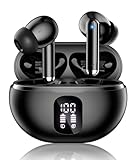
Are Earbuds or Over Ear Headphones Better: A Detailed Guide
Choosing the right audio gear can feel like navigating a maze. With so many options, from sleek earbuds to plush over-ear headphones, it’s easy to get lost. The question of whether earbuds or over-ear headphones are ‘better’ doesn’t have a simple answer. It depends entirely on your needs, your lifestyle, and what you value most in your listening experience.
In this guide, we’ll break down the key differences between these two popular audio formats. We’ll explore the pros and cons of each, considering factors like sound quality, comfort, portability, and price. Whether you’re a music enthusiast, a podcast listener, or someone who just enjoys a good audiobook, understanding these distinctions will help you make the best choice for your ears. Get ready to find out which style reigns supreme for your specific needs!
Understanding the Core Differences
Before we delve into the specifics, let’s establish the fundamental differences. Earbuds, also known as in-ear headphones, are designed to fit directly into your ear canal. Over-ear headphones, on the other hand, sit over your ears, creating a seal around them.
Earbuds come in various designs, including:
- Standard Earbuds: These typically rest just inside the outer ear.
- In-Ear Monitors (IEMs): These fit snugly into the ear canal, often with silicone or foam tips for a better seal.
- True Wireless Earbuds (TWS): These are completely wireless, connecting to your device via Bluetooth.
Over-ear headphones also come in different types:
- Closed-Back Headphones: These completely enclose the earcups, providing excellent sound isolation.
- Open-Back Headphones: These have vents on the earcups, allowing for a more natural sound but also letting sound leak out.
- On-Ear Headphones: These rest on the ears instead of completely covering them, a middle ground between earbuds and over-ear headphones.
Sound Quality: A Deep Dive
Sound quality is often the first consideration for audio enthusiasts. Both earbuds and over-ear headphones have their strengths and weaknesses in this area.
Over-ear headphones generally offer a superior sound experience. The larger drivers (the speaker components) in over-ear headphones can produce a wider frequency range, allowing for richer bass, clearer mids, and more detailed highs. The larger earcups also provide more space for acoustic engineering, leading to better soundstage (the perceived space of the music) and imaging (the ability to pinpoint the location of sounds within the music).
Earbuds have made significant strides in sound quality, especially in recent years. High-end earbuds can deliver impressive audio performance, often rivaling entry-level over-ear headphones. However, they are often limited by the size constraints of their drivers. This can result in a less pronounced bass response and a less expansive soundstage compared to over-ear headphones.
Factors influencing sound quality:
- Driver Size: Larger drivers generally produce better sound, particularly in bass frequencies. Over-ear headphones typically have larger drivers than earbuds.
- Driver Type: Different driver types (dynamic, balanced armature, planar magnetic) offer varying sound signatures and levels of detail.
- Acoustic Design: The design of the earcups (for over-ear headphones) and the earbud housing significantly impacts sound quality.
- Materials: High-quality materials like copper voice coils and neodymium magnets contribute to better sound reproduction.
The Verdict: Over-ear headphones typically win in sound quality, especially for critical listening. However, premium earbuds can offer an excellent listening experience for on-the-go use.
Comfort and Fit: Finding the Right Feel
Comfort is a crucial factor, especially if you plan to wear your headphones for extended periods. The fit and feel of both earbuds and over-ear headphones can vary significantly.
Over-ear headphones, when properly designed, can offer excellent comfort. The earcups typically cradle your ears, distributing weight evenly. However, some over-ear headphones can feel heavy or cause pressure on your ears, especially if the earcups are too tight or the headband isn’t adjustable. The materials used (e.g., memory foam earcups) play a big role in comfort.
Earbuds, being smaller and lighter, are generally more comfortable for many people. However, finding the right fit is essential. Earbuds that don’t fit properly can cause discomfort, especially if they put pressure on your ear canals. Additionally, some people find that earbuds cause fatigue after prolonged use.
Tips for maximizing comfort:
- Over-ear headphones: Choose models with adjustable headbands and soft earcups. Consider the weight of the headphones.
- Earbuds: Experiment with different ear tips (silicone, foam) to find the best fit. Ensure the earbuds create a good seal for optimal sound and comfort.
The Verdict: Comfort is subjective. Some people find over-ear headphones more comfortable, while others prefer the lightness of earbuds. Try both types to see what works best for you.
Portability and Convenience: On the Go
If you’re constantly on the move, portability and convenience become paramount. Both earbuds and over-ear headphones offer different advantages in this regard.
Earbuds are the clear winners in portability. They are small, lightweight, and easy to carry in your pocket or bag. True wireless earbuds, with their charging cases, offer even more convenience, allowing you to charge them on the go.
Over-ear headphones are less portable. While some models fold up for easier storage, they still take up more space than earbuds. They also require more storage space.
Convenience factors:
- Wireless Technology: Bluetooth connectivity is a must-have for both earbuds and over-ear headphones.
- Battery Life: Longer battery life is crucial for wireless models.
- Controls: On-ear controls (for volume, playback, and calls) add convenience.
- Noise Cancellation: Active noise cancellation (ANC) can significantly enhance your listening experience in noisy environments.
The Verdict: Earbuds are far more portable and convenient for everyday use, especially when traveling or working out. Over-ear headphones are less convenient but can be suitable if you’re willing to carry a larger bag.
Noise Isolation and Noise Cancellation: Blocking Out the World
The ability to block out external noise is a significant benefit for both listening enjoyment and overall well-being. Both earbuds and over-ear headphones offer different approaches to this.
Over-ear headphones typically provide excellent passive noise isolation. The earcups create a physical barrier that blocks out a significant amount of ambient noise. Many over-ear headphones also feature active noise cancellation (ANC), which uses microphones to detect external sounds and generate opposing sound waves to cancel them out.
Earbuds also offer noise isolation, especially those with a good seal. The ear tips create a physical barrier that blocks out some noise. Many earbuds also feature ANC, though the effectiveness can vary. The smaller size of earbuds makes it more difficult to incorporate the necessary technology compared to over-ear headphones.
Key differences:
- Passive Noise Isolation: The physical barrier created by the headphones or earbuds.
- Active Noise Cancellation (ANC): Technology that uses microphones and sound processing to reduce noise.
- Effectiveness: Over-ear headphones with ANC generally offer better noise cancellation than earbuds.
The Verdict: Over-ear headphones with ANC typically provide the best noise cancellation. Earbuds with a good seal and ANC can still provide a decent level of noise reduction, making them suitable for travel and commuting.
Microphone Quality: Making and Taking Calls
If you use your headphones for phone calls or video conferences, microphone quality is an important consideration.
Over-ear headphones often have better microphone quality, as they can accommodate larger, higher-quality microphones. The microphone placement is typically closer to your mouth, resulting in clearer voice capture.
Earbuds have improved their microphone quality significantly in recent years. However, the smaller size often means the microphones are less sensitive and can pick up more background noise. In windy conditions, earbuds’ microphones can sometimes struggle.
Factors affecting microphone quality:
- Microphone Type: Different microphone types (e.g., MEMS) offer varying levels of clarity and noise reduction.
- Microphone Placement: Closer proximity to your mouth generally results in better voice capture.
- Noise Cancellation: Some headphones and earbuds include noise cancellation for the microphone, which helps to reduce background noise during calls.
The Verdict: Over-ear headphones generally offer better microphone quality. However, many earbuds provide acceptable call quality for everyday use.
Price: Budget Considerations
Price is a significant factor in any purchasing decision. The cost of both earbuds and over-ear headphones varies widely.
Earbuds are available at a wide range of price points. Basic earbuds can be very affordable, while high-end models with advanced features can be quite expensive. The price of true wireless earbuds often reflects the added technology.
Over-ear headphones also span a broad price range. Entry-level models are relatively affordable, but premium models with advanced features like ANC and high-fidelity audio can cost significantly more.
Price breakdown:
- Entry-Level: Affordable options for basic listening.
- Mid-Range: Offers a balance of features and performance.
- Premium: High-end models with advanced features and superior sound quality.
The Verdict: Both earbuds and over-ear headphones are available at various price points. Your budget will influence the features and sound quality you can expect. Consider what features are important to you and how much you’re willing to spend.
Durability: Long-Term Performance
Durability is another crucial aspect. You want your headphones to last, especially if you use them frequently.
Over-ear headphones are generally more durable than earbuds. The larger build allows for sturdier construction. However, the headband and hinges can be points of weakness.
Earbuds are more prone to damage. The smaller components and the potential for losing one earbud make them less durable. Sweat and moisture can also affect their longevity.
Factors affecting durability:
- Build Quality: The materials used and the construction methods affect durability.
- Water Resistance: Water-resistant or waterproof ratings are essential for workouts and outdoor use.
- Care and Maintenance: Proper care, such as cleaning and storing your headphones, can extend their lifespan.
The Verdict: Over-ear headphones tend to be more durable due to their construction. However, proper care and maintenance are essential for both types of headphones.
Features: Beyond the Basics
Beyond sound quality and comfort, various features can enhance your listening experience. These features can significantly impact your choice.
Common features:
- Active Noise Cancellation (ANC): Reduces ambient noise for a more immersive experience.
- Transparency Mode: Allows you to hear your surroundings without removing your headphones.
- Water Resistance: Protects against sweat and moisture.
- Bluetooth Version: Newer Bluetooth versions offer improved connectivity and battery life.
- Codec Support: Support for high-quality audio codecs (e.g., aptX, LDAC) can improve sound quality.
- Voice Assistant Integration: Integration with voice assistants like Siri or Google Assistant.
The Verdict: Consider the features you need based on your listening habits and environment. ANC, water resistance, and long battery life are popular features.
Specific Use Cases: Matching Headphones to Your Activities
The best choice between earbuds and over-ear headphones often depends on how you plan to use them.
For working out: Earbuds are generally preferred due to their portability and secure fit. Look for water-resistant models.
For commuting: Over-ear headphones with ANC are ideal for blocking out noise on trains and planes. Earbuds with good noise isolation are also a good option.
For gaming: Over-ear headphones with a good soundstage and microphone are often preferred for immersive gaming. Earbuds can also be used, but the microphone quality might be a limitation.
For critical listening: Over-ear headphones generally provide a superior sound experience. Open-back headphones can provide a more natural sound.
For everyday use: Both earbuds and over-ear headphones are suitable for everyday listening. Consider portability and convenience.
Comparing Earbuds and Over-Ear Headphones: A Table
| Feature | Earbuds | Over-Ear Headphones |
|---|---|---|
| Sound Quality | Good (high-end models) | Excellent |
| Comfort | Varies (fit is crucial) | Varies (weight and fit matter) |
| Portability | Excellent | Good (less portable) |
| Noise Isolation | Good (with a good seal) | Excellent (with ANC) |
| Microphone Quality | Good (improved in recent models) | Excellent |
| Price | Wide range | Wide range |
| Durability | Less durable | More durable |
| Features | Varies | Varies |
| Best For | Working out, portability | Critical listening, noise cancellation |
Final Verdict
Ultimately, the choice between earbuds and over-ear headphones comes down to your priorities. If portability, convenience, and a secure fit for workouts are your primary concerns, earbuds are the clear winner. They are easy to carry and often offer a good balance of features and affordability.
However, if sound quality, noise cancellation, and all-day comfort are more important, over-ear headphones are likely the better choice. They provide a more immersive listening experience and often offer superior audio performance. Consider your budget, your listening environment, and your personal preferences when making your decision. Both types of headphones have their place, and the ‘better’ option is the one that best suits your individual needs.
Recommended Products