Are Earbuds Better or Headphones? A Detailed Comparison
Choosing the right audio gear can feel like navigating a maze. Should you opt for the sleek convenience of earbuds, or the immersive experience offered by headphones? The answer isn’t a simple one; it truly depends on your individual needs and preferences. Both earbuds and headphones have evolved significantly over the years, boasting impressive features and catering to a wide range of users.
In this guide, we’ll break down the pros and cons of each, comparing factors like sound quality, comfort, portability, and price. We’ll examine how different types of earbuds and headphones stack up against each other, helping you make an informed decision. So, whether you’re a music enthusiast, a podcast aficionado, or a frequent traveler, this article is designed to help you find the perfect audio companion. Let’s explore the world of sound and find the perfect fit for you!
We will cover everything from the nuanced differences in sound profiles to the practical considerations of daily use.
Earbuds: The Compact Champions
Earbuds have become ubiquitous, and for good reason. Their small size and portability make them ideal for on-the-go listening. They fit snugly in your pocket or bag, and they’re often more affordable than their over-ear counterparts. But what makes earbuds tick, and what are their strengths and weaknesses?
Types of Earbuds
- In-Ear Earbuds: These earbuds, also known as canal phones, insert directly into your ear canal, creating a seal that can enhance sound isolation. They often come with different-sized ear tips to ensure a comfortable fit.
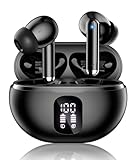
- True Wireless Earbuds (TWS): These are the ultimate in convenience. They have no wires connecting the two earbuds or to your device, offering maximum freedom of movement. They connect to your device via Bluetooth and usually come with a charging case.
- Earbuds with a Stem: Often with a stem that extends downwards, these earbuds sit in the ear but don’t go as deep as in-ear models. They may offer a more open sound and are sometimes preferred by people who find in-ear models uncomfortable.
- Open-Ear Earbuds: These earbuds rest just outside the ear canal, allowing you to hear ambient sounds. This design is often used for sports, as it allows you to remain aware of your surroundings.
Advantages of Earbuds
- Portability: This is arguably the biggest advantage. Earbuds are incredibly easy to carry around.
- Convenience: They’re quick to put in and take out, and they’re great for situations where you need to listen briefly.
- Price: Generally, entry-level earbuds are more budget-friendly than headphones.
- Suitable for Exercise: Many earbuds are designed to stay in place during workouts.
- Discreet: Earbuds are less noticeable than headphones, making them a good choice for public transport or the office.
Disadvantages of Earbuds
- Sound Quality: While improving, earbuds often can’t match the sound quality of high-end headphones, particularly in bass response and soundstage.
- Comfort: Finding the right fit can be tricky, and some people find earbuds uncomfortable after extended use.
- Sound Isolation: In-ear earbuds offer good isolation, but others may let in external noise, which can be distracting.
- Battery Life: TWS earbuds have limited battery life, although charging cases help.
- Loss: They can easily get lost, especially the smaller, wireless models.
Headphones: The Immersive Experience
Headphones, with their larger drivers and encompassing design, are often favored by audiophiles and those who prioritize sound quality. They come in various styles, each with its own set of advantages and disadvantages. Let’s delve into the world of headphones.
Types of Headphones
- Over-Ear Headphones: These headphones encompass the entire ear, providing excellent sound isolation and often superior sound quality. They are often the best choice for a truly immersive listening experience.
- On-Ear Headphones: These sit on the ears rather than around them. They’re typically more portable than over-ear headphones, but they may not offer as much sound isolation.
- Open-Back Headphones: These headphones have an open design that allows sound to escape, creating a more natural soundstage. They are often preferred for critical listening at home, but they leak sound and are not suitable for noisy environments.
- Closed-Back Headphones: These headphones have a closed design that isolates sound, preventing leakage and blocking out external noise. They are suitable for use in public places.
- Wireless Headphones: These headphones connect to your device via Bluetooth. They offer freedom of movement, but they need to be charged.
Advantages of Headphones
- Superior Sound Quality: Headphones, especially over-ear models, can deliver a richer, more detailed sound experience with a wider soundstage.
- Comfort: Over-ear headphones often provide better comfort for extended listening sessions.
- Noise Isolation: Closed-back headphones excel at blocking out external noise, creating a more immersive experience.
- Battery Life: Wireless headphones often have longer battery life than TWS earbuds.
- Durability: Headphones are generally more durable than earbuds.
Disadvantages of Headphones
- Portability: Headphones are bulkier and less portable than earbuds.
- Price: High-quality headphones can be expensive.
- Heat: Over-ear headphones can make your ears feel hot, particularly in warm environments.
- Inconvenience: They’re not as convenient to put on and take off as earbuds.
- Weight: They can be heavy, which can cause fatigue.
Comparing Earbuds and Headphones: A Detailed Analysis
To help you make an informed decision, let’s compare earbuds and headphones across several key factors.
Sound Quality: A Deep Dive
Headphones: Generally, headphones offer superior sound quality. Over-ear headphones, in particular, often have larger drivers, which can reproduce a wider range of frequencies and deliver a more dynamic sound. They often provide a more expansive soundstage, making it easier to pinpoint the location of instruments in a song. Closed-back headphones excel at bass response, while open-back headphones provide a more natural and balanced sound.
Earbuds: While the sound quality of earbuds has improved dramatically, they often fall short of headphones in terms of bass response and soundstage. The smaller drivers in earbuds have limitations. However, high-end earbuds can provide excellent sound quality, especially those with features like active noise cancellation (ANC).
Comfort: Finding Your Fit
Headphones: Over-ear headphones can be very comfortable, especially those with soft earcups and a well-padded headband. They distribute weight more evenly, reducing pressure on the ears. However, they can feel warm, especially in hot weather. On-ear headphones may cause discomfort for some users due to pressure on the ears.
Earbuds: Comfort varies greatly depending on the design. In-ear earbuds can be uncomfortable if the fit isn’t right. Finding the correct ear tip size is crucial. Some people find the pressure from in-ear models irritating. Earbuds with a stem may be more comfortable for some, while others prefer the more open feel of open-ear designs.
Portability: On the Go
Headphones: Headphones are bulkier, which makes them less portable. Over-ear headphones take up a lot of space in a bag. While some headphones fold for easier storage, they are still not as convenient as earbuds.
Earbuds: Earbuds are highly portable. They fit easily in a pocket, purse, or small bag. True wireless earbuds come with a compact charging case, making them even more convenient.
Noise Isolation and Noise Cancellation: Blocking Out the World
Headphones: Closed-back headphones provide excellent noise isolation, creating a more immersive listening experience. Many headphones also feature active noise cancellation (ANC), which actively cancels out external noise. This is great for travel or noisy environments.
Earbuds: In-ear earbuds can provide good noise isolation due to the seal they create in the ear canal. Many earbuds also offer ANC, which can effectively reduce background noise. However, the noise isolation may not be as effective as that of high-end headphones.
Battery Life: Staying Powered Up
Headphones: Wireless headphones often have impressive battery life, sometimes offering 20-30 hours of playback on a single charge. This makes them suitable for long trips or extended use.
Earbuds: TWS earbuds have a shorter battery life, typically 4-8 hours on a single charge. The charging case extends the battery life, providing multiple charges. The battery life of earbuds is generally shorter than that of headphones, but the charging case adds convenience.
Price: Budget Considerations
Headphones: The price of headphones varies significantly. High-end headphones can be very expensive, but you can find good quality headphones at a reasonable price. The price often reflects the build quality, sound quality, and features like ANC.
Earbuds: Entry-level earbuds are typically more affordable than headphones. However, high-end earbuds with advanced features can cost a significant amount. The price of earbuds ranges from very affordable to quite expensive, depending on the features and brand.
Features: Extras to Consider
Both earbuds and headphones offer a range of features. These can include:
- Active Noise Cancellation (ANC): This feature uses microphones to detect and cancel out external noise, creating a more immersive listening experience.
- Transparency Mode: This allows you to hear ambient sounds, which is useful when you need to be aware of your surroundings.
- Water Resistance: Many earbuds and headphones are water-resistant, making them suitable for exercise.
- Voice Assistant Integration: Many models support voice assistants like Siri or Google Assistant.
- Multipoint Pairing: This allows you to connect to multiple devices simultaneously.
Use Cases: Finding the Right Tool for the Job
For Commuting and Travel: Earbuds are often the better choice for commuting and travel due to their portability and discreetness. However, headphones with ANC can provide a superior listening experience in noisy environments.
For Working Out: Earbuds, especially those designed for sports, are a good choice for workouts. They are lightweight, stay in place, and are often water-resistant. Some users prefer headphones for workouts for their stability and sound quality, though.
For Office Use: The best choice depends on the office environment. Earbuds are discreet and suitable if you need to be aware of your surroundings. Headphones with ANC can be ideal if you need to block out noise and focus.
For Audiophiles: Audiophiles often prefer headphones, particularly over-ear models, for their superior sound quality and immersive experience. Open-back headphones are often favored for critical listening at home.
For Gaming: Headphones are often preferred for gaming due to their immersive sound and ability to pinpoint the location of sounds. Gaming headsets often have features like a built-in microphone and surround sound. Earbuds can be used for gaming, especially if portability is important.
Making Your Choice: A Step-by-Step Guide
Choosing between earbuds and headphones involves considering your needs and priorities. Here’s a step-by-step guide to help you decide:
- Assess Your Needs: Consider how you’ll primarily use your audio device. Will you be commuting, working out, or listening at home?
- Prioritize Your Factors: Decide which factors are most important to you: sound quality, comfort, portability, noise isolation, or price.
- Consider Your Budget: Determine how much you’re willing to spend.
- Read Reviews: Research different models and read reviews from other users.
- Try Before You Buy: If possible, try out different models to see which ones feel most comfortable and sound best to you.
The Future of Audio: Trends to Watch
The audio industry is constantly evolving, with new technologies and features emerging regularly. Some trends to watch include:
- Spatial Audio: This technology creates a more immersive sound experience by simulating a three-dimensional soundstage.
- Bone Conduction Technology: This technology transmits sound through the bones of the skull, allowing you to hear audio without blocking your ear canals.
- Improved ANC: Active noise cancellation is constantly improving, with more effective and sophisticated algorithms.
- Integration with AI: Artificial intelligence is being integrated into audio devices to personalize the listening experience and provide features like automatic EQ adjustments.
- Sustainable Design: There’s a growing focus on sustainable design, with manufacturers using recycled materials and reducing their environmental impact.
Final Thoughts
Ultimately, the choice between earbuds and headphones depends on your individual needs and preferences. If portability, convenience, and affordability are your top priorities, earbuds are an excellent choice. If sound quality, comfort, and noise isolation are more important, headphones may be the better option. Consider your budget, your typical use cases, and the features that matter most to you.
The best approach is to carefully evaluate your needs and priorities, and then research the models that best fit your criteria. Both earbuds and headphones offer a wide range of options, so you’re sure to find a pair that suits you perfectly. By considering the factors we’ve discussed, you can make an informed decision and enjoy your favorite music, podcasts, and audio content in the best possible way.
Recommended Products