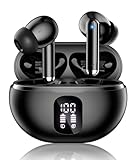
Are Earbuds as Good as Headphones? A Detailed Comparison
Choosing between earbuds and headphones can feel like a major decision. Both offer a way to enjoy your favorite music, podcasts, and audiobooks, but they come with distinct advantages and disadvantages. We’ve all been there, standing in an electronics store, staring at a wall of options, wondering which one is the right fit. Are earbuds truly catching up to the quality of over-ear headphones, or do headphones still reign supreme?
This isn’t just about sound quality; it’s about comfort, portability, and the overall listening experience. The best choice depends on your personal preferences, lifestyle, and how you plan to use them. I’ll break down everything you need to know, from the technical specs to the practical considerations, so you can make an informed decision. Let’s explore the pros and cons of each and find out if earbuds can truly compete with the traditional headphone experience.
Understanding the Core Differences: Earbuds vs. Headphones
Before diving into a detailed comparison, it’s essential to understand the fundamental differences between earbuds and headphones. These differences influence everything from sound quality and comfort to portability and price. The primary distinction lies in their physical design and how they interact with your ears.
Earbud Basics
Earbuds, also known as in-ear headphones, are small, compact devices that fit directly into your ear canal or sit just outside the entrance. They come in various styles, including:
- Standard Earbuds: These are the classic, often hard-plastic designs that simply rest in the outer ear.
- In-Ear Monitors (IEMs): These earbuds feature a silicone or foam tip that creates a seal within the ear canal, providing better noise isolation and improved sound quality.
- True Wireless Earbuds: These are completely wireless, with no cables connecting the two buds. They rely on Bluetooth technology.
Pros of Earbuds:
- Portability: Their small size makes them incredibly easy to carry around.
- Discreetness: They are less noticeable, making them ideal for public transport or the office.
- Convenience: Easy to put in and take out.
- Price: Often cheaper than high-end headphones.
Cons of Earbuds:
- Sound Quality Limitations: Smaller drivers generally mean less detailed sound.
- Comfort Issues: Can cause discomfort for some users, especially with prolonged use.
- Noise Isolation: Standard earbuds offer minimal noise isolation.
- Battery Life: True wireless earbuds need to be charged frequently.
Headphone Fundamentals
Headphones, on the other hand, come in several styles, including:
- Over-Ear Headphones: These headphones encompass the entire ear, creating a seal around it.
- On-Ear Headphones: These headphones sit on top of the ears, pressing against them.
Pros of Headphones:
- Superior Sound Quality: Larger drivers and better acoustic design often lead to richer sound.
- Comfort: Over-ear headphones can be more comfortable for extended listening sessions.
- Noise Isolation: Over-ear designs provide excellent noise isolation.
- Battery Life: Many headphones offer extended battery life.
Cons of Headphones:
- Portability: Bulky and less convenient to carry.
- Size: Can be cumbersome in public.
- Heat: Over-ear headphones can cause ears to get warm.
- Price: High-quality headphones can be expensive.
Sound Quality Showdown: Earbuds vs. Headphones
Sound quality is often the primary consideration for audio enthusiasts. The way each device handles audio depends on several factors, including the driver size, design, and materials used. Let’s break down the key aspects of sound quality for both earbuds and headphones.
Driver Size and Design
Headphones: Generally, headphones have larger drivers than earbuds. Larger drivers can move more air, resulting in a more expansive and detailed soundstage. Over-ear headphones have the advantage here, as they have more space for bigger drivers and better acoustic engineering. This design allows for a richer and more balanced sound, with deeper bass, clearer mids, and crisp highs.
Earbuds: Earbuds, especially standard ones, have smaller drivers. This can limit their ability to reproduce the full range of frequencies, particularly in the bass department. However, advancements in earbud technology have led to improvements. IEMs, with their seal within the ear canal, can offer a more defined bass response. True wireless earbuds are also catching up, with some models incorporating advanced audio technologies.
Frequency Response
Headphones: High-quality headphones often have a wider frequency response range, meaning they can reproduce a broader spectrum of sounds. This results in a more natural and accurate sound reproduction.
Earbuds: Earbuds, due to their size constraints, sometimes struggle to achieve the same frequency response. The bass can be less prominent, and the highs might lack some detail. However, this varies significantly between models. Some high-end earbuds are designed to deliver a more balanced and detailed sound.
Noise Isolation and Sound Leakage
Headphones: Over-ear headphones excel in noise isolation. The earcups create a physical barrier that blocks out external noise, allowing you to immerse yourself in your music. They also tend to leak less sound, minimizing disruption to those around you.
Earbuds: Standard earbuds offer minimal noise isolation, allowing external sounds to interfere with your listening experience. IEMs, because of their ear canal seal, provide much better noise isolation, similar to some noise-canceling headphones. Sound leakage can be an issue with some earbuds, especially at higher volumes.
Audio Processing Technologies
Both earbuds and headphones incorporate various audio processing technologies to enhance sound quality.
Headphones: Many headphones feature active noise cancellation (ANC), which uses microphones to detect and neutralize ambient noise. They also often include digital signal processing (DSP) to optimize the sound profile. Some headphones support spatial audio technologies for a more immersive experience.
Earbuds: Earbuds also leverage ANC and DSP. The advancements in these technologies have helped earbuds close the gap with headphones in terms of sound quality. Some earbuds also support spatial audio, and adaptive EQ can adjust the sound based on your environment.
A Table Comparing Sound Quality Aspects
| Feature | Headphones | Earbuds |
|---|---|---|
| Driver Size | Larger | Smaller |
| Frequency Response | Wider | Can be limited |
| Noise Isolation | Excellent (Over-Ear) | Variable (IEMs best) |
| Sound Leakage | Less | More (Standard) |
| Audio Technologies | ANC, DSP, Spatial Audio | ANC, DSP, Spatial Audio |
Comfort and Fit: A Personal Experience
Comfort and fit are highly subjective and depend on individual ear shapes and preferences. What feels comfortable for one person might be painful for another. Here’s a look at the comfort and fit factors for both earbuds and headphones.
Headphone Comfort
Over-Ear Headphones: Over-ear headphones typically offer the best comfort for extended listening sessions. The earcups distribute the weight evenly around the ears, reducing pressure points. The plush padding on the earcups and headband further enhances comfort. However, they can cause your ears to get warm, especially in warmer climates.
On-Ear Headphones: On-ear headphones press directly against the ears, which can cause discomfort after a while. The clamping force can vary depending on the model, but it’s generally more noticeable than with over-ear headphones. They are usually more compact than over-ear headphones, which can make them more portable.
Earbud Comfort
Standard Earbuds: Standard earbuds often rest in the outer ear, which can be uncomfortable for some people. They might not fit securely and can easily fall out. They may cause ear fatigue with prolonged use.
In-Ear Monitors (IEMs): IEMs offer a more secure and comfortable fit, thanks to the silicone or foam tips that create a seal within the ear canal. This seal helps to block out external noise and enhances sound quality. However, some users might find the feeling of something inside their ear canal to be intrusive.
True Wireless Earbuds: True wireless earbuds come with various tip sizes, allowing you to find the best fit. The fit is crucial for both comfort and sound quality. If the fit isn’t right, the sound quality suffers and the earbuds can become uncomfortable. They’re generally more comfortable than standard earbuds due to their design.
Key Considerations for Comfort
- Material: The materials used in earcups and ear tips play a significant role. Memory foam earcups or silicone tips can often provide a more comfortable experience.
- Weight: Lighter headphones and earbuds are generally more comfortable.
- Adjustability: Adjustable headbands and ear tips allow you to customize the fit.
- Ventilation: Over-ear headphones with good ventilation can help prevent your ears from getting too warm.
A Table Comparing Comfort and Fit
| Feature | Headphones | Earbuds |
|---|---|---|
| Fit | Over-Ear/On-Ear | In-Ear/Resting |
| Pressure | Evenly Distributed | Can cause pressure |
| Material | Padding, Foam | Silicone, Foam |
| Ventilation | Can trap heat (over-ear) | Generally more ventilation |
Portability and Convenience: The on-the-Go Lifestyle
Portability and convenience are significant factors for anyone who listens to audio on the move. Both earbuds and headphones have their advantages and disadvantages in this area.
Headphone Portability
Over-Ear Headphones: Over-ear headphones are bulky and take up more space. While some models fold for easier storage, they still require a bag or case for transport. They are less convenient for activities like running or exercising.
On-Ear Headphones: On-ear headphones are more compact than over-ear models, making them more portable. They can be worn around the neck when not in use, which is easier than carrying around over-ear headphones. However, they are still larger than earbuds.
Earbud Portability
Standard Earbuds: Standard earbuds are incredibly portable. Their small size makes them easy to slip into a pocket or bag. They’re ideal for travel, commuting, and exercising.
True Wireless Earbuds: True wireless earbuds are even more portable. The charging case is usually small and easily fits in a pocket. The absence of wires makes them perfect for active lifestyles. The downside is that you need to remember to charge the case.
Convenience Factors
- Storage: Earbuds are easier to store.
- Weight: Earbuds are significantly lighter.
- Ease of Use: Earbuds are quicker to put in and take out.
- Activities: Earbuds are better for exercise and other active pursuits.
A Table Comparing Portability and Convenience
| Feature | Headphones | Earbuds |
|---|---|---|
| Size | Larger | Smaller |
| Storage | Requires more space | Easy to store |
| Weight | Heavier | Lighter |
| Best for | Relaxing, stationary activities | Active lifestyles, travel |
Features and Functionality: Beyond Basic Audio
Both earbuds and headphones have evolved to offer a wide range of features beyond just playing audio. These features can significantly enhance your listening experience.
Active Noise Cancellation (anc)
Headphones: ANC is a common feature on many headphones, especially over-ear models. It uses microphones to detect and neutralize ambient noise, creating a quiet listening environment. ANC is very effective on headphones.
Earbuds: ANC is increasingly common in earbuds, especially in the true wireless category. The effectiveness of ANC in earbuds can vary, but it can still provide a noticeable reduction in ambient noise.
Transparency Mode
Headphones: Many headphones have a transparency mode that allows you to hear your surroundings without removing the headphones. This is useful for conversations or when you need to be aware of your environment.
Earbuds: Transparency mode is a common feature in earbuds, providing a similar function. It’s often easier to switch between listening modes with earbuds.
Controls and Connectivity
Headphones: Headphones typically have physical buttons or touch controls for adjusting volume, skipping tracks, and answering calls. They usually connect via Bluetooth or a wired connection.
Earbuds: Earbuds often use touch controls for similar functions. True wireless earbuds connect via Bluetooth, while some wired earbuds have an inline remote.
Microphones and Voice Assistants
Headphones: Most headphones have built-in microphones for making calls and using voice assistants like Siri or Google Assistant.
Earbuds: Earbuds also have built-in microphones, often providing excellent call quality. They work seamlessly with voice assistants.
Battery Life and Charging
Headphones: Battery life varies depending on the model, but many headphones offer long battery life, often exceeding 20 hours with ANC enabled. Charging is usually done via USB.
Earbuds: Battery life varies. True wireless earbuds have a shorter battery life, typically 4-8 hours, but the charging case provides additional charge cycles. Charging is also done via USB.
Water and Sweat Resistance
Headphones: Some headphones are water-resistant or sweat-resistant, making them suitable for exercise. However, it’s less common than in earbuds.
Earbuds: Many earbuds are water-resistant or sweat-resistant, making them ideal for workouts and outdoor activities.
A Table Comparing Features and Functionality
| Feature | Headphones | Earbuds |
|---|---|---|
| ANC | Common and effective | Common and effective |
| Transparency Mode | Yes | Yes |
| Controls | Physical/Touch | Touch |
| Microphones | Built-in | Built-in |
| Battery Life | Long | Shorter (with case) |
| Water Resistance | Some models | Many models |
Price Considerations: Finding the Right Value
Price is a significant factor in any purchasing decision. Both earbuds and headphones are available at a wide range of price points, from budget-friendly options to premium models. The price often reflects the quality of the components, the features included, and the brand reputation.
Headphone Pricing
Budget Headphones: You can find decent headphones for under $50. These models often offer basic sound quality and features.
Mid-Range Headphones: The $50-$200 range offers a better balance of sound quality, features, and build quality. You’ll find models with ANC and improved comfort.
Premium Headphones: High-end headphones can cost $200 or more. They offer exceptional sound quality, premium materials, and advanced features.
Earbud Pricing
Budget Earbuds: You can find basic earbuds for under $30. These are often wired earbuds with limited features.
Mid-Range Earbuds: The $30-$150 range offers a better sound quality, features like ANC, and wireless connectivity.
Premium Earbuds: High-end earbuds can cost $150 or more. They offer top-tier sound quality, advanced features, and premium designs.
Cost vs. Value
Consider the features that are most important to you. If you prioritize sound quality and noise isolation, you might be willing to spend more. If portability and convenience are key, a more affordable option might be sufficient. Research and read reviews to assess the value offered by each model.
A Table Comparing Pricing
| Category | Price Range | Features |
|---|---|---|
| Budget Headphones | Under $50 | Basic |
| Mid-Range Headphones | $50-$200 | ANC, improved sound |
| Premium Headphones | $200+ | Exceptional sound, premium |
| Budget Earbuds | Under $30 | Basic |
| Mid-Range Earbuds | $30-$150 | ANC, wireless |
| Premium Earbuds | $150+ | Top-tier sound, advanced |
Which One Is Right for You? Making the Final Decision
The best choice between earbuds and headphones depends on your individual needs and preferences. There isn’t a one-size-fits-all answer. Consider the following factors when making your decision.
Factors to Consider
- Sound Quality: If you prioritize the best possible sound quality, headphones, especially over-ear models, are usually the better choice. However, high-end earbuds are getting closer.
- Comfort: If you plan to listen for extended periods, over-ear headphones often offer the most comfortable experience.
- Portability: If you need something compact and easy to carry, earbuds are the clear winner.
- Lifestyle: If you are active and workout often, earbuds are a good choice due to their water resistance and portability.
- Noise Isolation: If you need to block out external noise, over-ear headphones or IEMs are the best options.
- Budget: Set a budget and research the best options within that range.
- Features: Consider features like ANC, transparency mode, and water resistance.
Making the Right Choice
Choose Headphones if:
- You prioritize top-tier sound quality.
- You value comfort for long listening sessions.
- You need excellent noise isolation.
- You listen at home or in a quiet environment.
Choose Earbuds if:
- You need something portable and convenient.
- You want something for exercise or travel.
- You prefer a discreet design.
- You need water resistance.
Consider a Hybrid Approach:
Some people own both earbuds and headphones, using each for different situations. Earbuds for commuting and working out, and headphones for focused listening at home. This provides the best of both worlds.
Final Thoughts
Ultimately, the debate over whether earbuds are as good as headphones boils down to individual needs and priorities. While headphones often offer superior sound quality and comfort, earbuds provide unmatched portability and convenience. The advancements in earbud technology have significantly narrowed the gap, with many models offering excellent sound and impressive features. The ‘best’ choice isn’t about which is inherently superior; it’s about finding the audio solution that best fits your lifestyle and listening habits. Consider your priorities, research your options, and choose the device that will bring you the most enjoyment.
Recommended Products