Are Earbuds and Earphones the Same Thing? A Deep Dive
Ever wondered if those tiny things you stick in your ears have a secret identity? Are earbuds and earphones the same thing, or are we dealing with a case of mistaken audio-dentity?
We’ve all been there: scrolling through online stores, comparing specifications, and trying to decipher the jargon. The terms ‘earbuds’ and ‘earphones’ are often used interchangeably, leading to confusion. Is it just semantics, or are there genuine differences that impact your listening experience?
In this guide, we’ll clear up the confusion, exploring the nuances that separate these two audio devices. We’ll examine their designs, how they fit, the sound quality they offer, and which might be the best fit for you. Get ready to have your ears—and your understanding of audio—opened!
What Are Earbuds?
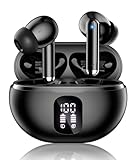
Earbuds are typically small, portable audio devices that sit *inside* the outer ear. They don’t go deep into the ear canal like some earphones do. The classic design involves a small, rounded or slightly oblong shape that rests in the concha (the bowl-shaped part of your outer ear).
The defining characteristic of earbuds is their minimalist design. They’re designed for convenience and ease of use. You can quickly pop them in and out without much fuss, making them ideal for casual listening, commuting, or quick phone calls.
Key Features of Earbuds:
- Placement: Sit in the outer ear.
- Fit: Generally more loose-fitting than earphones, relying on the shape of your ear for stability.
- Portability: Highly portable due to their small size and lightweight construction.
- Comfort: Often considered more comfortable for extended use because they don’t exert pressure inside the ear canal.
Earbuds have evolved over time, with advancements in technology leading to better sound quality, improved designs, and added features like active noise cancellation (ANC) and touch controls. However, their fundamental design remains the same: a compact, external fit.
What Are Earphones?
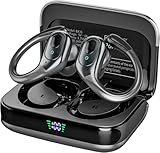
Earphones, in contrast to earbuds, encompass a broader category of in-ear audio devices. The key difference lies in their insertion point and how they fit in your ear. Earphones typically have a cylindrical or angled design that inserts directly into the ear canal, creating a more secure seal.
This seal is crucial for several reasons. Firstly, it helps to block out external noise, allowing you to focus on your music or audio content. Secondly, it can enhance the bass response and overall sound quality by directing the sound waves more effectively towards your eardrum. Finally, the snug fit can improve stability, making earphones a good choice for active use, such as during exercise.
Key Features of Earphones:
- Placement: Inserted into the ear canal.
- Fit: Creates a more secure fit, often with the help of silicone or foam ear tips.
- Noise Isolation: Generally provide better noise isolation compared to earbuds.
- Sound Quality: Often deliver a richer, more detailed sound experience, especially in the bass frequencies.
Earphones come in various styles, including those with different types of ear tips (e.g., silicone, memory foam) to cater to different ear shapes and preferences. They may also include features like inline microphones, remote controls for volume and playback, and advanced technologies like balanced armature drivers for superior sound.
Earbuds vs. Earphones: A Detailed Comparison
To fully grasp the differences, let’s break down the key aspects side-by-side:
| Feature | Earbuds | Earphones |
|---|---|---|
| Placement | Sits in the outer ear (concha). | Inserts into the ear canal. |
| Fit | Loose-fitting, relying on the ear shape. | Snug, secure fit with ear tips. |
| Noise Isolation | Minimal; allows some external noise. | Good; blocks out external noise. |
| Sound Quality | Can vary; may lack bass response. | Generally better; richer bass and detail. |
| Comfort | Potentially more comfortable for extended use. | Can feel pressure in the ear canal. |
| Portability | Highly portable and easy to carry. | Also portable but may require a case for protection. |
| Best Use Cases | Casual listening, calls, quick use. | Active use, commuting, detailed listening. |
| Price Range | Wide range, often more affordable. | Wide range, can be more expensive. |
Fit and Comfort:
Earbuds: The fit of earbuds is generally more relaxed. They rest in the outer ear and don’t create a tight seal. This can make them more comfortable for some people, especially during long listening sessions. However, the loose fit also means they can fall out more easily, particularly during physical activities.
Earphones: Earphones offer a more secure fit due to their insertion into the ear canal. The included ear tips (typically made of silicone or memory foam) create a seal that helps to keep them in place. While this secure fit is excellent for activities like running or working out, it can sometimes lead to a feeling of pressure or discomfort for those with smaller or more sensitive ear canals.
Tip: If you find earphones uncomfortable, experiment with different ear tip sizes and materials to find the best fit. Some earphones come with a range of ear tips to help with this.
Sound Quality:
Earbuds: The sound quality of earbuds can vary significantly depending on the design and the quality of the drivers (the components that produce sound). Because they don’t create a seal, earbuds tend to leak sound, and they often struggle to produce deep bass frequencies. However, many modern earbuds use advanced technologies to improve sound quality, and some models offer surprisingly good audio performance.
Earphones: Earphones generally provide better sound quality than earbuds, thanks to the seal they create in the ear canal. This seal helps to isolate external noise and allows for better bass response. The sound is directed more efficiently to the eardrum, resulting in a more detailed and immersive listening experience. High-end earphones often incorporate advanced driver technologies to deliver exceptional audio clarity.
Tip: If sound quality is a priority, consider earphones with a good frequency response and a balanced sound signature. Reading reviews and comparing specifications can help you find the best-sounding option for your needs.
Noise Isolation:
Earbuds: Earbuds offer minimal noise isolation. They don’t block out much external noise, which can be a disadvantage in noisy environments. This can be problematic if you’re trying to listen to music on a crowded train or in a busy office.
Earphones: Earphones excel at noise isolation. The ear tips create a physical barrier that blocks out a significant amount of external noise. This is particularly helpful in noisy environments, allowing you to focus on your music or audio content without distractions. Some earphones also feature active noise cancellation (ANC), which uses microphones and signal processing to further reduce background noise.
Tip: If you need to block out noise, earphones with good noise isolation or ANC are the better choice. Look for models that are specifically designed for noise cancellation.
Portability and Convenience:
Earbuds: Earbuds are incredibly portable and convenient. Their small size makes them easy to carry in a pocket, bag, or even a small case. They’re quick to put in and take out, making them ideal for quick listening sessions or phone calls.
Earphones: Earphones are also portable, but they may require a case for protection. The cables (if wired) can sometimes get tangled, and the ear tips may need to be cleaned periodically. However, the secure fit and noise isolation make them a practical choice for various activities.
Tip: Consider the type of activities you’ll be using your audio devices for. If you need something for quick use on the go, earbuds are a great choice. If you need something for more active use or detailed listening, earphones are a better option.
Other Considerations:
Wired vs. Wireless: Both earbuds and earphones are available in wired and wireless versions. Wireless options offer greater freedom of movement, while wired options may provide better sound quality and eliminate the need for charging.
Microphone and Controls: Many earbuds and earphones come with built-in microphones and controls for answering calls, adjusting volume, and skipping tracks. Consider these features if you frequently make calls or need to control your audio without taking out your device.
Durability: The durability of earbuds and earphones can vary. Some models are designed to withstand sweat and moisture, making them suitable for workouts. Others may be more delicate and require careful handling. Consider your usage habits when choosing a model.
Price: The price range for earbuds and earphones is vast. You can find affordable options, as well as high-end models that offer premium features and exceptional sound quality. Consider your budget and your needs when making your purchase.
Are Earbuds and Earphones Interchangeable?
While the terms ‘earbuds’ and ‘earphones’ are often used interchangeably in casual conversation, there are clear distinctions between the two. However, the lines can sometimes blur, especially as technology evolves. Some manufacturers may use the terms loosely. But understanding the core differences will help you make a more informed choice.
The key takeaway is this: Earphones are a broader category that includes earbuds. All earbuds are earphones, but not all earphones are earbuds. If a device sits in your outer ear, it’s an earbud. If it inserts into your ear canal, it’s an earphone.
Choosing the Right Option for You
Ultimately, the best choice depends on your individual needs and preferences. Here’s a quick guide to help you decide:
- Choose Earbuds if:
- You prioritize comfort for long listening sessions.
- You want something easy to put in and take out.
- You don’t need significant noise isolation.
- You prefer a more open sound.
- Choose Earphones if:
- You want better noise isolation.
- You prioritize sound quality and bass response.
- You need a secure fit for active use.
- You are okay with a potential for pressure in your ears.
Consider Your Lifestyle: Think about how you’ll be using your audio devices. If you’re a commuter, noise isolation might be crucial. If you’re a runner, a secure fit is essential. If you primarily listen at home, comfort might be your top priority.
Read Reviews: Before making a purchase, read reviews from other users. This can give you insights into the sound quality, fit, and overall performance of different models.
Try Before You Buy (If Possible): If you can, try out different models before purchasing. This will allow you to assess the comfort and fit, and to determine which type of device is the best match for your ears.
Experiment: Don’t be afraid to experiment with different types of audio devices until you find the perfect fit for your needs. The audio world is vast, and there’s something out there for everyone.
Verdict
So, are earbuds and earphones the same thing? In essence, no. Earbuds are a subset of earphones, distinguished by their placement in the outer ear. Earphones, on the other hand, insert into the ear canal.
Understanding the differences in design, fit, and sound quality is crucial for making an informed decision. Consider your listening habits, the environments you’ll be in, and your personal preferences to determine which type of device is right for you. Whether you choose earbuds or earphones, the goal is always the same: to enjoy your favorite audio content.
Ultimately, the best choice depends on your unique needs. By understanding the key differences, you can confidently navigate the world of audio and find the perfect listening experience.
Recommended Products