Which Is Better Earbuds or Headphones: Earbuds vs Headphones:…
Choosing between earbuds and headphones can feel like a tough decision. Both offer a way to enjoy your music, podcasts, and audiobooks, but they cater to different needs and preferences. I’ve spent countless hours testing and researching both, and I’m here to help you navigate this choice. Whether you’re a commuter, a gym enthusiast, or a homebody who loves to chill with some tunes, understanding the pros and cons of each will ensure you get the best audio experience.
This guide breaks down everything from sound quality and comfort to portability and price. We’ll explore the key differences, helping you determine which type of audio device aligns perfectly with your lifestyle and listening habits. I’ll provide you with the information you need to make an informed decision, so you can confidently invest in the perfect audio companion.
Understanding the Basics: Earbuds vs. Headphones
Let’s start with the fundamental differences. Earbuds, as the name suggests, sit inside your ear. They come in various styles, including true wireless earbuds (TWS) that have no wires, and wired earbuds that connect to your device via a cable. Headphones, on the other hand, cover or sit on your ears. They are typically divided into over-ear (circumaural) headphones, which enclose the entire ear, and on-ear (supra-aural) headphones, which rest on the ears.
Earbud Types
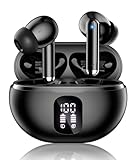
- True Wireless Earbuds (TWS): These are completely wireless and connect via Bluetooth. They usually come with a charging case for portability and extended battery life.
- Wired Earbuds: These are connected to your device via a cable, often with a 3.5mm jack or a Lightning/USB-C connector.
- Sports Earbuds: Designed for workouts, these earbuds often feature a secure fit and are sweat-resistant.
Headphone Types
- Over-Ear Headphones: These headphones fully enclose your ears, providing excellent sound isolation and often superior sound quality.
- On-Ear Headphones: These headphones sit on your ears, offering a balance between portability and sound quality.
- Open-Back Headphones: These headphones have an open design, allowing air to pass through the earcups. They offer a more natural sound but leak sound and aren’t ideal for noisy environments.
- Closed-Back Headphones: These headphones have a closed design, providing better sound isolation and preventing sound leakage.
Sound Quality: A Deep Dive
Sound quality is often the primary factor people consider. Both earbuds and headphones can deliver excellent sound, but their strengths differ. Headphones generally offer a more immersive and detailed listening experience, especially over-ear models.
Headphone Sound Quality
Over-ear headphones, in particular, often feature larger drivers (the component that produces sound), which can reproduce a wider range of frequencies. This results in deeper bass, clearer mids, and more detailed highs. The enclosed design also helps to isolate external noise, preventing it from interfering with your listening experience. This means you can hear more of the music and less of the world around you.
On-ear headphones also provide good sound quality, though they may not offer the same level of bass as over-ear models. The soundstage (the perceived space where the sound is coming from) is generally wider with over-ear and some on-ear headphones, making the music feel more expansive.
Earbud Sound Quality
Earbuds have improved significantly in recent years. High-end earbuds can now deliver impressive sound quality, with clear highs and decent bass. However, they often struggle to match the bass response of over-ear headphones, due to the smaller drivers and the fit within the ear. The fit is crucial; a good seal in your ear canal is essential for optimal bass performance.
True wireless earbuds often compress audio to conserve battery life, which can impact sound quality. However, many models now support high-quality codecs like aptX or AAC, which improve audio transmission over Bluetooth. Wired earbuds typically offer better sound quality than their wireless counterparts at the same price point, as they don’t have to deal with the limitations of Bluetooth compression.
Factors Affecting Sound Quality
Several factors influence the sound quality of both earbuds and headphones:
- Driver Size: Larger drivers generally produce better bass and a wider frequency range.
- Frequency Response: This indicates the range of frequencies the device can reproduce. A wider range is generally better.
- Impedance: This affects how much power is needed to drive the device. Higher impedance headphones often require an amplifier.
- Codec Support: For wireless devices, the codec used for audio transmission affects sound quality (e.g., SBC, AAC, aptX).
- Fit: Proper fit is critical for earbuds to achieve a good seal and for headphones to sit correctly on your ears.
Comfort: A Matter of Personal Preference
Comfort is a highly subjective aspect. What one person finds comfortable, another may not. The best choice depends on your personal preferences and how you intend to use the device.
Headphone Comfort
Over-ear headphones can be very comfortable, especially models with soft earcups and a well-padded headband. However, they can also cause your ears to get warm, especially in warmer environments. Some people find the clamping force (how tightly the headphones grip your head) to be uncomfortable, especially during prolonged use.
On-ear headphones are generally lighter than over-ear models but can put pressure on your ears, which can be uncomfortable after extended periods. The pressure can be more noticeable if you wear glasses.
Key Considerations for Headphone Comfort:
- Earcup Material: Look for soft materials like memory foam or velour.
- Headband Padding: Adequate padding is essential for comfort.
- Weight: Lighter headphones are generally more comfortable.
- Clamping Force: Choose a model with a comfortable clamping force, not too tight or too loose.
Earbud Comfort
Earbuds are generally more portable and less bulky than headphones. Many people find them comfortable for short listening sessions. However, some people find that earbuds can cause ear fatigue or discomfort, especially if they don’t fit properly.
True wireless earbuds often come with different-sized ear tips to ensure a good fit. Finding the right size is crucial for comfort and sound quality. Some people find that earbuds tend to fall out during exercise, making them less suitable for workouts.
Key Considerations for Earbud Comfort:
- Ear Tip Size and Material: Try different sizes and materials (e.g., silicone, foam) to find the best fit.
- Design: Consider the shape and design of the earbud, some are more ergonomic than others.
- Weight: Lighter earbuds are often more comfortable.
Portability and Convenience: On the Go
Portability and convenience are crucial if you’re frequently on the move. Here, earbuds often have an advantage due to their compact size.
Headphone Portability
Over-ear headphones are generally less portable than earbuds. While many models fold for easier storage, they still take up more space. They’re not ideal for stashing in a small pocket, but they’re manageable in a backpack or bag.
On-ear headphones are typically more portable than over-ear models, but still more bulky than earbuds. They can be easier to store, but you may still need a case to protect them.
Earbud Portability
Earbuds excel in portability. True wireless earbuds come with a charging case that easily fits in your pocket, making them perfect for commuting, travel, and everyday use. Wired earbuds are also highly portable, though you have to deal with the cable.
Considerations for Portability:
- Size and Weight: Smaller and lighter devices are easier to carry.
- Storage: Consider whether a case is included and how easy it is to store the device.
- Charging: For wireless devices, check the battery life and charging options.
Features and Functionality: Beyond Sound
Both earbuds and headphones offer a range of features that enhance their functionality. These features can significantly impact your listening experience.
Noise Cancellation
Noise cancellation is a popular feature that reduces background noise, allowing you to focus on your audio. Over-ear headphones often offer excellent noise cancellation due to their design. Many high-end models use active noise cancellation (ANC), which uses microphones to detect and cancel out external noise.
Earbuds, especially true wireless models, also offer ANC, though the performance may not be as effective as in over-ear headphones. Noise isolation is achieved through a tight seal, blocking out external sounds.
Microphone Quality
Microphone quality is important if you plan to use your device for calls or voice assistants. Many headphones and earbuds have built-in microphones. Higher-end models often offer better microphone performance, with features like noise cancellation to improve call clarity.
Water Resistance
Water resistance is an essential feature if you plan to use your device during workouts or in wet conditions. Look for an IPX rating (e.g., IPX4, IPX7) which indicates the level of water resistance. Most sports earbuds are water-resistant, while many headphones are not.
Battery Life (wireless Devices)
For wireless devices, battery life is a critical consideration. Over-ear headphones often have longer battery life than earbuds, but this varies depending on the model and usage. True wireless earbuds typically offer shorter battery life, but the charging case extends the total listening time. Check the battery life of the device and the charging case before purchasing.
Other Features
Other features to consider include:
- Touch Controls: Many devices have touch controls for adjusting volume, skipping tracks, and answering calls.
- Voice Assistant Integration: Many devices are compatible with voice assistants like Siri or Google Assistant.
- Multipoint Pairing: Some headphones can connect to multiple devices simultaneously.
Price: Budget Considerations
Price is a significant factor in your decision. Both earbuds and headphones are available at a wide range of price points, from budget-friendly options to premium models.
Headphone Pricing
Over-ear headphones can range from affordable to very expensive. You can find decent over-ear headphones for under $100, while high-end models can cost several hundred dollars or more. The price often reflects the sound quality, features, and build materials.
On-ear headphones are generally less expensive than over-ear models, but prices still vary depending on the features and brand.
Earbud Pricing
Earbuds are also available at various price points. You can find basic wired earbuds for under $20. True wireless earbuds range in price, with budget-friendly options starting around $30-$50. High-end true wireless earbuds can cost over $200. The features, sound quality, and brand influence the price.
Tips for Budgeting:
- Set a Budget: Determine how much you’re willing to spend.
- Prioritize Features: Decide which features are most important to you (e.g., noise cancellation, water resistance).
- Read Reviews: Research different models and read reviews before making a purchase.
- Look for Sales: Consider buying during sales events (e.g., Black Friday, Cyber Monday).
Durability and Build Quality: Longevity Matters
The durability of your audio device affects its lifespan. Both earbuds and headphones are subject to wear and tear, but their build quality varies.
Headphone Durability
Over-ear headphones are generally more durable than earbuds, thanks to their larger size and more robust construction. However, the durability of headphones varies depending on the materials used. Look for models with a sturdy headband and quality earcups.
On-ear headphones are generally less durable than over-ear models but still more durable than many earbuds.
Earbud Durability
Earbuds, especially true wireless models, are more prone to damage due to their small size and the potential for dropping them. The build quality varies significantly. Wired earbuds often have a weak point at the connection between the cable and the earbud. Ensure that the materials and construction are of good quality.
Considerations for Durability:
- Materials: Look for durable materials like metal or high-quality plastics.
- Build Quality: Check reviews for feedback on build quality.
- Water Resistance: Water resistance can protect your device from damage.
- Storage: Use a case to protect your device when not in use.
Comparison Table: Earbuds vs Headphones
Here’s a quick comparison to help you summarize the key differences:
| Feature | Earbuds | Headphones |
|---|---|---|
| Sound Quality | Good, but can lack bass. Sound quality has improved. | Generally superior, wider soundstage, deeper bass. |
| Comfort | Varies, often comfortable for short periods. Fit is crucial. | Can be very comfortable, but some may find them warm or too tight. |
| Portability | Highly portable, especially true wireless models. | Less portable, more bulky. |
| Noise Isolation/Cancellation | Good noise isolation. Some offer ANC. | Excellent noise isolation/ANC, especially over-ear models. |
| Features | Often include touch controls, voice assistant integration. | Similar features. |
| Price | Wide range, from budget-friendly to premium. | Wide range, from budget-friendly to premium. |
| Durability | Can be less durable due to small size. | Generally more durable. |
| Best For | Commuting, workouts, portability, quick listening. | Home listening, immersive audio, noise isolation. |
Making the Right Choice: Which Is Better for You?
The “better” choice depends entirely on your needs and preferences. There is no one-size-fits-all answer.
Choose Earbuds If:
- You prioritize portability: Earbuds are ideal for commuting, travel, and everyday use.
- You enjoy workouts: Many earbuds are designed for sports and are sweat-resistant.
- You want convenience: True wireless earbuds offer a hassle-free listening experience.
- You listen for short periods: Earbuds are often comfortable for short listening sessions.
Choose Headphones If:
- Sound quality is your top priority: Over-ear headphones often offer superior sound quality.
- You want immersive audio: Headphones create a more immersive listening experience.
- You need noise isolation: Over-ear headphones offer excellent noise isolation.
- You listen at home or in quiet environments: Headphones are perfect for focused listening sessions.
Ultimately, the best way to choose is to consider your lifestyle and audio needs. If possible, try out different models to see what feels and sounds best to you. By understanding the advantages of both options, you can make an informed decision and enjoy your music to the fullest.
Final Verdict
In the end, the decision of which is better, earbuds or headphones, boils down to your personal priorities. Both offer excellent ways to enjoy your audio content, but they cater to different needs. Earbuds excel in portability and convenience, making them ideal for active lifestyles and on-the-go listening. Headphones, on the other hand, provide a more immersive and detailed audio experience, perfect for focused listening sessions and noise isolation.
Consider your daily routine, your listening habits, and your budget when making your choice. Do you value portability above all else, or is sound quality your primary concern? Perhaps you need a device for both scenarios, in which case you might consider owning both types. By carefully weighing the pros and cons, you can select the audio device that perfectly complements your lifestyle and enhances your listening pleasure.
Recommended Products