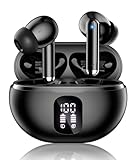
What Is Better for Your Ears Headphones or Earbuds?
Choosing between headphones and earbuds can feel like a tough decision. Both offer a way to enjoy your favorite music, podcasts, and audiobooks, but they do so in very different ways. The best choice depends on a variety of factors, from your listening habits to your lifestyle and, crucially, your ear health. It’s not just about sound quality or portability; it’s about what provides the best experience while minimizing potential risks to your hearing.
We’re going to explore the pros and cons of both headphone and earbud designs. We’ll look at the differences in sound quality, comfort, and, most importantly, the impact each type has on your ears. This will help you make an informed decision and protect your hearing for years to come. Let’s get started!
Headphones vs. Earbuds: A Detailed Comparison
Let’s break down the key differences between headphones and earbuds, focusing on aspects that affect your listening experience and, critically, your ear health.
Sound Quality: The Acoustics of Listening
Sound quality is often the first thing people consider. While both headphones and earbuds can deliver excellent audio, their designs inherently influence how sound is produced and perceived. The type of driver, the size of the chamber, and the seal they create all play a role.
Headphones: A Superior Soundstage
Headphones typically offer a wider soundstage. This means the audio feels more spacious and allows you to better distinguish individual instruments and sounds. This is largely due to their larger drivers and the distance between the driver and your ear. Over-ear headphones, in particular, create a more immersive experience, as they encapsulate your ears and isolate you from external noise.
The larger drivers in headphones often lead to better bass response and overall clarity. They can handle a wider frequency range, meaning they can reproduce both high and low frequencies more accurately. This results in a richer and more detailed sound.
Earbuds: Compact, but Can Be Compressed
Earbuds, on the other hand, often face challenges in delivering the same level of sound quality. The smaller drivers and close proximity to your eardrum can sometimes lead to a more compressed sound. This is not always the case, however, as advancements in technology have allowed for significant improvements in earbud sound quality.
Many earbuds struggle with bass reproduction. The small size limits the physical movement of the driver, making it difficult to generate deep, resonant bass frequencies. However, some high-end earbuds now incorporate features like balanced armature drivers or multiple drivers to improve bass performance and overall sound quality.
Comfort and Fit: Finding the Right Fit
Comfort is a crucial factor, especially if you plan to wear your audio devices for extended periods. The fit can significantly impact not only your comfort but also the sound quality and, indirectly, your ear health.
Headphones: Over-Ear vs. On-Ear
Headphones come in two main types: over-ear and on-ear. Over-ear headphones generally provide the most comfortable experience, especially for long listening sessions. They completely enclose your ears, distributing the weight evenly and reducing pressure points. The earcups often use soft materials like memory foam, further enhancing comfort.
On-ear headphones sit on your ears, which can be less comfortable than over-ear models, particularly if the clamping force is too strong. However, they are generally more portable and less bulky than over-ear headphones.
Earbuds: Variety of Designs
Earbuds come in various designs, including in-ear and open-ear styles. In-ear earbuds, which insert directly into your ear canal, can provide a more secure fit and better sound isolation. However, they can also cause discomfort if the ear tips don’t fit properly or if they put too much pressure on the ear canal.
Open-ear earbuds, which sit just outside the ear canal, offer a more comfortable experience for some, as they don’t create a seal. However, this design often results in reduced sound quality and more sound leakage, allowing others to hear your audio.
Portability and Convenience: The on-the-Go Lifestyle
Portability and convenience are essential considerations for many users. The ease with which you can carry and use your audio device can significantly influence your daily listening experience.
Headphones: Bulkier, but Still Portable
Headphones, particularly over-ear models, are generally bulkier than earbuds. This can make them less convenient for carrying around, especially if you’re traveling light or engaging in physical activities. However, headphones often fold or come with carrying cases, making them more portable than you might think.
On-ear headphones offer a better balance of portability and sound quality, making them a good choice for those who want a more compact option.
Earbuds: Ultimate Portability
Earbuds excel in portability. Their small size and lightweight design make them easy to carry in your pocket, bag, or even around your neck. This makes them ideal for commuting, exercising, or any situation where you need a discreet listening option.
True wireless earbuds, which connect to your device via Bluetooth and have no wires, offer the ultimate in convenience. They’re easy to use and store, and they provide freedom of movement.
Noise Isolation and Noise Cancellation: Blocking Out the World
Noise isolation and noise cancellation are critical features for improving your listening experience and protecting your hearing in noisy environments.
Headphones: Natural and Active Noise Cancellation
Headphones, especially over-ear models, provide excellent natural noise isolation. The earcups create a physical barrier that blocks out a significant amount of external noise. This allows you to listen to your audio at lower volumes, reducing the risk of hearing damage.
Many headphones also feature active noise cancellation (ANC), which uses microphones to detect external noise and then generates opposing sound waves to cancel it out. ANC is particularly effective at reducing low-frequency sounds like engine noise or air conditioning hum.
Earbuds: Varies by Design
In-ear earbuds often provide good noise isolation, as they create a seal in your ear canal. This helps to block out external noise, similar to the natural noise isolation of headphones.
Some earbuds also offer active noise cancellation, but the effectiveness can vary depending on the design and technology used. ANC in earbuds can be less effective than in headphones, as the smaller size limits the space for the necessary components.
Ear Health and Hearing Protection: The Crucial Consideration
The most important factor to consider when choosing between headphones and earbuds is the impact on your ear health. Both types of devices can potentially damage your hearing if used improperly, but some designs pose a greater risk than others.
Headphones: Generally Safer, If Used Correctly
Headphones, particularly over-ear models, are generally considered safer for your ears, provided you use them responsibly. The larger drivers and design often allow for better sound quality at lower volumes. The natural noise isolation also helps reduce the need to crank up the volume in noisy environments.
However, it’s essential to be mindful of the volume level. Prolonged exposure to loud sounds, regardless of the source, can lead to hearing damage. The 60/60 rule is a good guideline: listen at no more than 60% of the maximum volume for no more than 60 minutes at a time.
Earbuds: Higher Risk Due to Proximity
Earbuds can pose a higher risk to your hearing. Their proximity to your eardrums means that the sound waves are delivered directly to your inner ear, which can increase the risk of damage, especially at higher volumes. The small size also means that the sound can be more easily amplified, leading to louder listening levels.
In-ear earbuds, which insert directly into the ear canal, can also trap earwax and moisture, which can increase the risk of ear infections. It’s crucial to clean your earbuds regularly and avoid sharing them with others to prevent the spread of bacteria.
Volume Levels: The Silent Killer
Regardless of whether you choose headphones or earbuds, the volume level is the single most important factor in protecting your hearing. Prolonged exposure to loud sounds can cause permanent hearing damage, including noise-induced hearing loss (NIHL).
Understanding Decibels (db)
Decibels are the units used to measure sound intensity. The higher the decibel level, the louder the sound. Sounds above 85 dB can cause hearing damage over time. Here’s a general guideline:
- 0-20 dB: Barely audible (e.g., rustling leaves)
- 20-40 dB: Quiet (e.g., a whisper)
- 40-60 dB: Moderate (e.g., normal conversation)
- 60-85 dB: Potentially harmful with prolonged exposure (e.g., busy traffic)
- 85-100 dB: Harmful (e.g., a lawnmower)
- 100+ dB: Immediately dangerous (e.g., a jet engine)
Most headphones and earbuds can reach sound levels well above 100 dB. Therefore, it’s essential to be mindful of the volume level and avoid listening at excessively loud volumes.
Tips for Safe Listening
- Use the 60/60 rule: Listen at no more than 60% of the maximum volume for no more than 60 minutes at a time.
- Use noise cancellation: Noise cancellation can help you hear your audio more clearly at lower volumes.
- Take breaks: Give your ears a rest by taking breaks from listening to audio.
- Monitor your hearing: If you experience any symptoms of hearing loss, such as ringing in your ears (tinnitus) or muffled hearing, see a doctor immediately.
- Consider ear protection: In noisy environments, consider using earplugs or earmuffs to protect your hearing.
Features and Technology: Beyond the Basics
Both headphones and earbuds offer a wide range of features and technologies that enhance the listening experience. These features can influence your choice depending on your needs and preferences.
Headphones: More Features, More Options
Headphones often come with advanced features, such as active noise cancellation (ANC), built-in microphones for calls, and intuitive touch controls. Wireless headphones also offer features like Bluetooth connectivity, which allows you to connect to your device wirelessly.
Some high-end headphones also offer features such as spatial audio, which creates a more immersive listening experience by simulating the sound of a room or concert hall.
Earbuds: Packed with Tech
Earbuds have also become increasingly feature-rich. Many earbuds now offer active noise cancellation, water resistance, and long battery life. True wireless earbuds come with a charging case, which extends the battery life and makes them easy to store.
Some earbuds also offer features such as transparency mode, which allows you to hear external sounds while still listening to your audio. This is useful for staying aware of your surroundings.
Price and Value: Finding the Right Balance
The price of headphones and earbuds can vary significantly, depending on the brand, features, and sound quality. It’s essential to consider your budget and the value you’re getting for your money.
Headphones: Wide Price Range
Headphones range in price from budget-friendly options to high-end models. You can find good-quality headphones for under $100, while premium models can cost several hundred dollars or more.
Consider the features you need and the sound quality you’re looking for when determining your budget. Don’t feel you need to spend a fortune to get a good listening experience.
Earbuds: Competitive Pricing
Earbuds are available at a wide range of prices, from budget-friendly options to premium models. You can find affordable earbuds for under $50, while high-end models can cost upwards of $200 or more.
The price of earbuds often reflects the features, sound quality, and brand reputation. Consider your needs and budget when making your choice.
Comparison Table
| Feature | Headphones | Earbuds |
|---|---|---|
| Sound Quality | Generally wider soundstage, better bass | Can be more compressed, bass can suffer |
| Comfort | Over-ear: Very comfortable. On-ear: Can be less comfortable | Varies: In-ear can cause pressure, open-ear can be more comfortable |
| Portability | Less portable, but often foldable | Highly portable |
| Noise Isolation | Excellent natural isolation, ANC available | In-ear: Good isolation. ANC available, but can vary |
| Ear Health | Generally safer at lower volumes | Higher risk due to proximity, potential for ear infections |
| Features | Wide range of features, often more advanced | Increasingly feature-rich, ANC, transparency mode |
| Price | Wide range, from budget to premium | Wide range, from budget to premium |
Recommendations Based on Your Needs
The best choice between headphones and earbuds depends on your individual needs and preferences. Here’s a breakdown to guide your decision:
Choose Headphones If:
- You prioritize sound quality and a wide soundstage.
- You want the most comfortable listening experience, especially for long periods.
- You need excellent noise isolation.
- You are primarily listening at home or in a quiet environment.
Choose Earbuds If:
- You need maximum portability and convenience.
- You listen on the go, such as during commutes or workouts.
- You want a discreet listening option.
- You prioritize active noise cancellation and are willing to pay extra for it.
Additional Considerations
Beyond the core differences, consider the following:
- Your environment: Do you need to be aware of your surroundings? If so, open-ear earbuds or headphones with transparency modes might be a good choice.
- Your activities: Are you exercising or engaging in other physical activities? If so, consider earbuds with a secure fit and sweat resistance.
- Your budget: Determine how much you’re willing to spend.
- Your personal preference: Ultimately, the best choice is the one you enjoy using the most.
The Future of Audio
The audio industry is constantly evolving, with new technologies and innovations emerging all the time. As technology advances, we can expect to see even better sound quality, more features, and more comfortable designs in both headphones and earbuds.
One trend is the increasing popularity of spatial audio. This technology creates a more immersive listening experience by simulating the sound of a room or concert hall. We can also expect to see further advancements in active noise cancellation, improved battery life, and more personalized audio experiences.
It’s important to stay informed about the latest developments and choose the audio devices that best meet your needs. By understanding the pros and cons of both headphones and earbuds, you can make an informed decision and protect your hearing for years to come.
Final Verdict
Ultimately, deciding between headphones and earbuds is a personal choice. Consider your priorities: sound quality, comfort, portability, and, most importantly, ear health. Headphones often deliver a superior audio experience and are generally safer for your ears when used responsibly. Earbuds offer unmatched portability and convenience, making them ideal for active lifestyles. However, be mindful of the potential risks associated with prolonged use at high volumes.
Prioritize your hearing health by listening at moderate volumes and taking breaks. If you’re unsure, consult an audiologist for personalized recommendations. By making informed choices, you can enjoy your favorite audio content while protecting your hearing for a lifetime. The key takeaway is to listen responsibly and choose the device that best fits your lifestyle and protects your ears.
Recommended Products