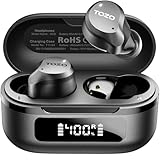
What Earbuds Fit the Best? A Comprehensive Guide
Finding the perfect pair of earbuds can feel like searching for a needle in a haystack. With countless options flooding the market, from budget-friendly models to premium noise-canceling wonders, the quest for the best fit often gets lost in the noise. But, let’s face it, if your earbuds don’t stay in, sound quality and features become secondary concerns.
The ideal earbuds should feel secure, comfortable, and deliver great audio without constant adjustments. This guide will walk you through everything you need to know about finding earbuds that fit you like a glove. We’ll explore different earbud styles, materials, and features that impact fit, and offer practical tips to ensure a snug and enjoyable listening experience. Prepare to say goodbye to constantly fiddling with your earbuds and hello to immersive audio!
We’ll cover a wide range of topics, from understanding your ear shape to experimenting with different ear tips, and even discuss the importance of proper insertion techniques. Whether you’re a seasoned audiophile or a casual listener, this guide will equip you with the knowledge to make an informed decision and find the perfect earbuds for your ears.
Understanding Earbud Styles and Their Fit
Before diving into the specifics of fit, let’s explore the primary earbud styles available. Each style offers a different approach to how it sits in your ear, and understanding these differences is crucial for finding the right fit for you. The fit also often influences the sound quality.
In-Ear Earbuds (canalphones)
In-ear earbuds, also known as canalphones, are designed to sit directly inside your ear canal. This style typically features a silicone or foam ear tip that creates a seal, blocking out external noise and enhancing bass response. This type of fit is often favored by those looking for a more immersive listening experience. The seal is key to the sound quality.
Pros:
- Excellent noise isolation.
- Enhanced bass response.
- Secure fit for most users.
- Often come with multiple ear tip sizes for a customized fit.
Cons:
- Can feel intrusive or uncomfortable for some users.
- Potential for earwax buildup.
- Can cause a feeling of pressure in the ear canal.
True Wireless Earbuds
True wireless earbuds are a subset of in-ear earbuds, but they offer the added convenience of being completely wireless, with no connecting wires between the earbuds or to a device. This style typically relies on a similar in-ear fit, with silicone or foam tips. The fit of true wireless earbuds is as important as the sound quality. These are extremely popular.
Pros:
- Complete freedom of movement.
- Compact and portable.
- Often come with charging cases for extended battery life.
Cons:
- Fit can vary depending on the earbud design and your ear shape.
- Can be easily lost.
- Battery life can be a concern.
Over-Ear Earbuds
Over-ear earbuds, also called earphones, or sometimes headphones, rest on the outer ear (the pinna) and do not insert into the ear canal. This style can be a great option for those who find in-ear earbuds uncomfortable. Over-ear earbuds come in many shapes and sizes.
Pros:
- More comfortable for some users.
- Reduced pressure in the ear canal.
- Often have a more open sound profile.
Cons:
- Less effective at noise isolation.
- Can be less secure, especially during physical activity.
- May not provide a strong bass response compared to in-ear options.
Earbuds with Wing Tips or Stabilizers
Some earbuds incorporate wing tips or stabilizers to enhance the fit and security, especially during exercise. These features help to anchor the earbuds in your ear, preventing them from falling out during movement. These are a great option for active users.
Pros:
- Improved fit and stability.
- Ideal for workouts and other activities.
- Often available in different sizes for a customized fit.
Cons:
- May not be compatible with all ear shapes.
- Can feel bulky or uncomfortable for some users.
Factors Affecting Earbud Fit
Several factors influence how well earbuds fit. Understanding these factors will help you make an informed decision when choosing a pair.
Ear Shape and Size
Everyone’s ears are unique! The size and shape of your ears play a significant role in determining which earbuds will fit best. Some people have smaller ear canals, while others have larger ones. Some people have more prominent ridges and folds. Consider this when choosing a pair.
- Ear Canal Size: The diameter of your ear canal will determine the size of ear tips you need.
- Concha Bowl: The shape of the concha (the bowl-shaped area of your outer ear) can affect how well earbuds sit.
- Antihelix and Tragus: The ridges and folds of your ear can influence the stability of the earbuds.
Ear Tip Materials
The material of the ear tips significantly impacts the fit, comfort, and noise isolation. Here’s a breakdown:
- Silicone: The most common material, offering a good balance of comfort, durability, and noise isolation. Available in various sizes. Silicone tips are usually easily cleaned.
- Memory Foam: Provides a more customized fit by expanding to conform to your ear canal. Offers excellent noise isolation and comfort, especially for long listening sessions. Memory foam tips often require more frequent replacement.
- Hybrid Tips: Combine different materials, such as silicone and foam, to offer a balance of comfort and performance.
Earbud Design
The overall design of the earbuds, including the shape and size of the housing, the angle of the nozzle, and the presence of any wings or stabilizers, also impacts the fit. Some designs are better suited for certain ear shapes than others.
- Nozzle Angle: The angle at which the sound tube enters your ear canal can affect comfort and fit.
- Housing Shape: The shape of the earbud housing can influence how well it sits in your ear.
- Wing Tips/Stabilizers: These features are designed to improve the fit and security, particularly during physical activity.
Insertion Technique
How you insert earbuds can significantly impact the fit and sound quality. Proper insertion is crucial.
- Gently Insert: Avoid forcing the earbud into your ear canal.
- Adjust for Seal: Ensure the ear tips create a good seal for optimal noise isolation and bass response.
- Experiment with Angles: Try rotating or adjusting the earbuds slightly to find the most comfortable and secure position.
Choosing the Right Earbuds for Your Ears
With these factors in mind, let’s look at how to choose the right earbuds for you.
Assess Your Ear Shape
Take a moment to examine your ears. Do you have small or large ear canals? Are your ears more round or angular? Knowing this will help you choose the right style.
- Small Ears: Consider smaller in-ear earbuds or over-ear options.
- Large Ears: You may be able to use a wider range of earbud styles.
- Unique Shapes: Wing tips or stabilizers can often provide a more secure fit.
Consider Your Lifestyle
Your daily activities will influence your choice. For example:
- For Exercise: Look for earbuds with wing tips or stabilizers to ensure a secure fit during workouts.
- For Commuting: Noise-canceling earbuds with a good seal can help block out distracting sounds.
- For Relaxing: Consider comfortable in-ear earbuds or over-ear options for long listening sessions.
Experiment with Ear Tip Sizes and Materials
Most in-ear earbuds come with multiple ear tip sizes. Experiment to find the best fit. Consider trying different materials, such as silicone and memory foam, to see which provides the most comfortable and secure fit for your ears.
- Start with the Medium Size: This is typically the default size.
- Try Different Sizes: If the medium size feels loose or uncomfortable, try a smaller or larger size.
- Test the Seal: Ensure a good seal for optimal sound quality.
Test the Fit
Before making a purchase, test the fit of the earbuds. If possible, try them on in a store or borrow a pair from a friend. This will help you determine whether the earbuds are comfortable and secure in your ears.
- Walk Around: See if the earbuds stay in place during normal activities.
- Shake Your Head: Mimic the movements you make during exercise or other activities to test the fit.
- Listen to Music: Ensure the sound quality is good with the earbuds in place.
Tips for a Better Earbud Fit
Here are some additional tips to help you achieve the best possible fit:
Proper Insertion Technique
Insert your earbuds carefully. Don’t force them in. Gently twist and adjust until you find the most comfortable and secure position. This also helps with the sound quality.
- Gently Insert: Avoid pushing the earbuds too far into your ear canal.
- Rotate and Adjust: Experiment with different angles and positions to find the best fit.
- Check for Seal: Make sure the ear tips create a good seal for optimal noise isolation and bass response.
Using the Right Ear Tips
Choose the right size and type of ear tips. Experiment with different sizes and materials to find the ones that fit your ears best. Memory foam ear tips often provide a more customized fit and better noise isolation.
- Try Different Sizes: Use the ear tips that fit securely without causing discomfort.
- Consider Material: Silicone is a good all-around option, while memory foam can provide a more customized fit.
- Replace Ear Tips Regularly: Replace worn or damaged ear tips to maintain optimal hygiene and performance.
Cleaning Your Earbuds
Keep your earbuds clean. Regular cleaning removes earwax and debris, which can affect the fit and sound quality. Use a soft, dry cloth to wipe down the earbuds after each use. Avoid using excessive moisture or harsh chemicals.
- Wipe Down Regularly: Clean your earbuds after each use.
- Use a Soft Cloth: Avoid using abrasive materials that could damage the earbuds.
- Replace Ear Tips: Replace ear tips when they become excessively dirty or damaged.
Troubleshooting Common Fit Issues
Here’s how to troubleshoot some common problems:
- Loose Fit: Try a larger ear tip size. Adjust the position of the earbuds in your ears. Consider earbuds with wing tips or stabilizers.
- Uncomfortable Fit: Try a smaller ear tip size. Experiment with different materials, such as memory foam. Adjust the angle of the earbuds in your ears.
- Poor Noise Isolation: Ensure the ear tips create a good seal. Try different ear tip sizes or materials. Make sure the earbuds are properly inserted.
- Earbud Keeps Falling Out: Try earbuds with wing tips or stabilizers. Experiment with different ear tip sizes. Ensure the earbuds are properly inserted.
Comparing Earbud Features and Fit
Different features can influence the fit and overall listening experience. Here’s a quick comparison:
| Feature | Impact on Fit | Considerations |
|---|---|---|
| Ear Tip Material | Directly impacts comfort and seal. | Silicone is common, memory foam molds to the ear. |
| Ear Tip Size | Critical for a secure fit. | Experiment with different sizes. |
| Wing Tips/Stabilizers | Enhance stability, especially during exercise. | May not fit all ear shapes. |
| Earbud Design | Affects how the earbud sits in the ear. | Consider the angle of the nozzle and housing shape. |
| Noise Cancellation | Requires a good seal for optimal performance. | Consider the fit as part of the noise cancellation experience. |
| Water Resistance | Does not directly affect fit, but is important during exercise. | Look for IPX ratings for water and sweat resistance. |
Top Earbud Recommendations for Different Needs
Here are some recommendations based on different needs and preferences:
Best Overall Fit and Sound
Consider: Jabra Elite 7 Pro. Known for their comfortable fit and excellent sound quality, Jabra Elite 7 Pro earbuds come with multiple sizes of ear tips and a unique design that conforms to the shape of your ear. The MySound+ feature personalizes the audio based on your hearing.
Best for Small Ears
Consider: Sony LinkBuds S. These are compact and lightweight, with a comfortable fit that is suitable for smaller ears. They are also known for good noise cancellation and sound quality.
Best for Exercise
Consider: Jaybird Vista 2. These are designed for sports and fitness, with wing tips and a secure fit. They are also sweatproof and waterproof.
Best Budget-Friendly Option
Consider: SoundPEATS TrueAir2. These offer a comfortable fit and good sound quality at an affordable price. They often come with different ear tips.
Best Noise Cancellation
Consider: Bose QuietComfort Earbuds II. Known for their exceptional noise cancellation and comfortable fit. These also come with multiple sizes of ear tips.
Conclusion
Finding the perfect earbuds is a personal journey, but by understanding the factors that influence fit, experimenting with different styles and tips, and considering your lifestyle, you can significantly improve your chances of success. Taking the time to assess your needs and try out various options is key. With the right pair, you’ll enjoy a comfortable and immersive listening experience for years to come.
Finding the right fit is crucial for a great listening experience. By considering your ear shape, lifestyle, and experimenting with different ear tips, you can find earbuds that fit comfortably and securely. Proper insertion techniques and regular cleaning will further enhance your enjoyment. Remember, the best earbuds are the ones that feel great and sound amazing in your ears.
Don’t be afraid to try different options and explore various brands and styles. The perfect pair is out there, waiting to deliver an unparalleled audio experience. Embrace the process, and you’ll soon be enjoying your favorite music, podcasts, and audiobooks with comfort and clarity.
Recommended Products