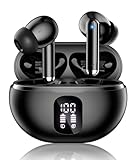
Is Headphones or Earbuds Better for Your Ears?
Choosing between headphones and earbuds can feel like a tough decision. We all want the best audio experience, but it’s also crucial to protect our hearing. Both headphones and earbuds offer unique benefits and drawbacks, making the choice dependent on your individual needs and listening habits. I’m here to help you navigate this decision, providing insights into the pros and cons of each type. We’ll explore sound quality, comfort, portability, and, most importantly, the impact on your ear health.
Understanding the differences will allow you to make an informed choice. It’s not just about which sounds better; it’s about what’s safer and more practical for your lifestyle. Whether you’re a music enthusiast, a podcast listener, or someone who takes calls frequently, this guide will provide you with the information you need to make the right decision.
Understanding the Basics: Headphones vs. Earbuds
Before diving into the specifics, let’s clarify the key differences between headphones and earbuds. Headphones typically encompass your entire ear or sit on top of it, creating a seal or simply resting on the ear. Earbuds, on the other hand, fit directly into your ear canal. This fundamental difference influences everything from sound quality and comfort to the potential for hearing damage.
Headphones: Over-Ear, on-Ear, and Open-Back
Headphones come in various styles. Over-ear headphones (circumaural) completely enclose your ears, providing excellent sound isolation and often better sound quality. On-ear headphones (supra-aural) sit on your ears, offering a more portable option but potentially less sound isolation. Additionally, you have open-back headphones, which allow air to flow through the earcups, resulting in a more natural sound but less isolation from external noise.
Earbuds: In-Ear and True Wireless
Earbuds are typically smaller and more portable. In-ear earbuds (canalphones) fit directly into your ear canal, creating a seal that can block out external noise. True wireless earbuds are completely wire-free, connecting to your device via Bluetooth. This category includes popular options like Apple AirPods and Samsung Galaxy Buds.
Sound Quality: A Comparative Analysis
Sound quality is often a primary concern. The design of both headphones and earbuds significantly impacts audio performance. Let’s compare their strengths and weaknesses:
Headphone Sound Quality
Generally, over-ear headphones tend to offer superior sound quality. The larger drivers (the components that produce sound) and the enclosed design allow for a wider frequency range, deeper bass, and more detailed sound reproduction. The larger space also provides the opportunity for better acoustic engineering, resulting in a more immersive listening experience. However, sound quality can vary significantly based on the quality of the headphones.
Open-back headphones, in particular, can deliver a very natural and spacious sound, as the open design allows sound waves to escape and interact with the environment. This creates a less “boxed-in” feeling. However, this also means that they don’t block out external noise, making them unsuitable for noisy environments.
Earbud Sound Quality
Earbud sound quality has improved significantly in recent years, but they often struggle to match the performance of high-end headphones. The smaller drivers in earbuds can limit the bass response and overall dynamic range. However, in-ear earbuds, which create a seal within the ear canal, can offer better bass response compared to some on-ear or open-back headphones because of the seal and the proximity of the driver to the eardrum. True wireless earbuds are getting better, but the size constraints still limit the potential for high-fidelity audio.
Noise cancellation is another factor. Some earbuds and headphones feature active noise cancellation (ANC), which uses microphones to detect and neutralize external noise. ANC can significantly improve the listening experience, especially in noisy environments, by allowing you to focus on the audio. Quality varies, but both headphones and earbuds can offer effective ANC.
Comfort and Ergonomics: Finding the Right Fit
Comfort is a critical factor, especially if you plan to wear your audio device for extended periods. Both headphones and earbuds have their pros and cons in this area:
Headphone Comfort
Over-ear headphones can be very comfortable, especially models with soft earcups and adjustable headbands. However, they can also cause heat and pressure around the ears, potentially leading to discomfort during long listening sessions. The weight of the headphones can also be a factor, with heavier models potentially causing neck strain.
On-ear headphones are generally lighter, but they can exert pressure on the ears, which can become uncomfortable over time. The fit is crucial; a too-tight fit can cause headaches, while a loose fit may compromise sound quality.
Earbud Comfort
Earbuds are generally more portable and less bulky. However, finding the right fit is crucial. Poorly fitting earbuds can cause discomfort, especially in-ear models, and can lead to ear fatigue. Many earbuds come with different-sized ear tips to help you find the perfect fit. Some people find the sensation of having something in their ear canal uncomfortable, regardless of the fit.
True wireless earbuds offer the advantage of being completely wire-free, enhancing comfort and freedom of movement. However, the battery life can be a limiting factor, and you need to ensure they fit securely to avoid losing them.
Portability and Convenience: Lifestyle Considerations
Your lifestyle and daily routines significantly influence your choice. Portability and convenience are essential factors:
Headphone Portability
Headphones can be less portable, especially over-ear models. They take up more space and may not be ideal for travel or workouts. Some headphones fold up for easier storage, but they still require more space than earbuds.
On-ear headphones offer a good compromise between portability and sound quality. They are smaller than over-ear models and can often be folded for easier storage.
Earbud Portability
Earbuds excel in portability. They are compact and easy to carry in a pocket, bag, or even a small case. This makes them ideal for travel, commuting, and workouts. True wireless earbuds further enhance portability by eliminating wires.
Earbud convenience extends to features like touch controls, voice assistants, and quick pairing capabilities. These features can enhance the overall user experience and streamline interactions with your devices.
Hearing Health: The Critical Considerations
Protecting your hearing is paramount. Both headphones and earbuds can potentially damage your hearing if used at high volumes for extended periods. Understanding the risks and taking precautions is essential.
The Risks of Loud Listening
Prolonged exposure to loud sounds can lead to noise-induced hearing loss (NIHL). This can occur gradually over time, making it difficult to detect until the damage is significant. The World Health Organization (WHO) recommends that you listen at no more than 60% of the maximum volume for 60 minutes a day. This is a general guideline, and individual tolerance can vary.
The intensity of sound is measured in decibels (dB). Exposure to sounds above 85 dB for extended periods can damage your hearing. Many devices can produce sounds well above this level. The closer the sound source is to your eardrum, the greater the risk of damage. Earbuds, fitting directly into the ear canal, pose a higher risk than headphones, as they are closer to the eardrum.
Headphone and Earbud Volume Levels
Headphones and earbuds can both produce dangerously loud volumes. However, the design of headphones often allows for a more controlled listening experience. The larger drivers and the distance from the eardrum can mitigate some of the risk. Earbuds, especially in-ear models, pose a greater risk because they sit directly in the ear canal. This means that the sound pressure is concentrated in a smaller space, increasing the potential for hearing damage.
Volume control is essential. Most devices have volume limits, but it’s crucial to be mindful of the volume level and avoid listening at maximum volume. It’s also important to consider the ambient noise. In noisy environments, you might be tempted to increase the volume to overcome the external noise, but this increases the risk of hearing damage.
Strategies for Protecting Your Hearing
Here are some practical strategies to protect your hearing:
- Limit Listening Time: Take breaks and avoid continuous listening for extended periods.
- Use the 60/60 Rule: Listen at no more than 60% of the maximum volume for 60 minutes a day.
- Be Mindful of Volume: Pay attention to the volume level and avoid listening at maximum volume.
- Use Noise Cancellation Wisely: ANC can help reduce the need to increase the volume in noisy environments.
- Choose the Right Fit: Ensure that your earbuds fit snugly but comfortably.
- Get Regular Hearing Checks: Consult an audiologist if you have concerns about your hearing.
Comparing Headphones and Earbuds: A Detailed Table
To help you summarize the key differences, I’ve created a table:
| Feature | Headphones | Earbuds |
|---|---|---|
| Sound Quality | Generally superior, especially over-ear models | Sound quality has improved, but often limited by size |
| Comfort | Varies; over-ear models can cause heat/pressure; on-ear models can cause pressure | Fit is crucial; in-ear models can cause discomfort |
| Portability | Less portable, especially over-ear models | Highly portable |
| Hearing Health | Lower risk if used responsibly | Higher risk due to proximity to eardrum |
| Noise Isolation | Generally good, especially over-ear models | Good, particularly in-ear models |
| Price | Varies widely, from budget-friendly to high-end | Varies widely, from budget-friendly to high-end |
| Best For | Home listening, studio use, immersive experience | Commuting, workouts, portability |
Other Factors to Consider
Beyond the core factors, several other elements might influence your decision.
Battery Life
Wireless headphones and earbuds rely on batteries. Consider the battery life and charging time. Some models offer longer battery life than others. Check how long the device will play on a single charge and how long it takes to recharge.
Charging cases are a standard feature for true wireless earbuds, allowing you to recharge your earbuds on the go. The case’s battery capacity can significantly extend the overall listening time.
Durability
Durability is essential, especially if you plan to use your audio device in demanding environments. Look for models made from durable materials. Consider features like water resistance or sweat resistance if you plan to use them during workouts.
Features
Additional features can enhance the user experience. Active noise cancellation (ANC), touch controls, voice assistant integration (like Siri or Google Assistant), and the inclusion of a built-in microphone for calls can all be beneficial. Think about which features are most important to you and prioritize those.
Budget
Price is a crucial consideration. Headphones and earbuds range in price from budget-friendly options to high-end models. Set a budget before you start shopping and look for models that offer the best value within your price range.
Making the Right Choice: Tips and Recommendations
Choosing the right audio device involves evaluating your needs and preferences. Here are some tips to help you make the best decision:
Assess Your Listening Habits
Consider how you listen to audio. Do you listen primarily at home, during your commute, or while working out? Your listening habits will influence the best type of audio device for your needs. For instance, if you listen at home, over-ear headphones may be the better choice, but if you’re frequently on the move, earbuds will likely be more practical.
Prioritize Your Needs
Identify your priorities. Is sound quality the most important factor? Or is portability and convenience more critical? If sound quality is paramount, over-ear headphones might be the best option. If you value portability, earbuds are the clear choice.
Try Before You Buy
If possible, try out different models before purchasing. Visit an electronics store and try on various headphones and earbuds. This will help you determine which models are most comfortable and provide the sound quality you prefer.
Read Reviews
Read reviews from other users and experts to learn about the pros and cons of different models. Reviews can provide valuable insights into the performance, comfort, and durability of various devices.
Consider Your Hearing Health
Prioritize your hearing health. Be mindful of the volume level and listening time, regardless of whether you choose headphones or earbuds. Always err on the side of caution. If you have any concerns about your hearing, consult with an audiologist.
Final Thoughts
Deciding between headphones and earbuds involves balancing sound quality, comfort, portability, and hearing health. Headphones generally offer superior sound quality and are more comfortable for extended use, but they are less portable. Earbuds excel in portability and convenience, but they can pose a greater risk to hearing health if used improperly. The best choice ultimately depends on your lifestyle, listening habits, and priorities.
Remember to prioritize your hearing health by controlling the volume, limiting listening time, and taking breaks. By understanding the advantages and disadvantages of each type and considering your personal needs, you can choose the audio device that provides the best listening experience while protecting your ears. Choose the option that best suits your lifestyle and enjoy your music responsibly.
Recommended Products