Are Bluetooth Earbuds Safe? Examining the Risks & Benefits
We’re all about convenience these days, right? Bluetooth earbuds have become a staple, from our commutes to our workouts. They offer freedom from wires, making life a little easier. But with any technology that gets so close to our bodies, questions arise. Are those tiny devices pumping sound directly into our ears truly safe?
That’s the million-dollar question we’re tackling today. We’ll explore the potential risks associated with Bluetooth earbuds, from radiation exposure to hearing damage. We’ll look at the science, the studies, and the expert opinions. We’ll also consider the benefits, the convenience, and how to use them safely. Get ready to have all your questions answered.
We’ll break down the potential health impacts, the technology behind them, and give you practical advice on how to use your earbuds responsibly. This guide is designed to empower you with the knowledge you need to make informed choices about your hearing health.
Understanding Bluetooth Earbuds: A Quick Overview
Before diving into the safety aspects, let’s quickly understand what Bluetooth earbuds are and how they work. These small devices connect wirelessly to your phone, tablet, or other devices using Bluetooth technology. They receive audio signals via radio waves, which are then converted into sound waves that you hear. The core components include a speaker, a battery, a Bluetooth receiver, and a microphone (in most models).
How Bluetooth Works
Bluetooth operates on a short-range radio frequency (RF) spectrum, specifically the 2.4 GHz band. This is the same frequency band used by Wi-Fi routers, microwave ovens, and other common devices. When your earbuds connect to your phone, they exchange data using these radio waves. The signal strength and range depend on the Bluetooth version and the environment.
Types of Bluetooth Earbuds
There are several types of Bluetooth earbuds, each with its own design and features:
- True Wireless Earbuds: These are completely wire-free, with each earbud operating independently. They come with a charging case for portability and power.
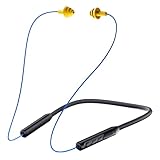
- Neckband Earbuds: These have a band that rests around your neck, with earbuds connected by wires. The band usually houses the battery and controls.
- Sport Earbuds: Designed for workouts, these earbuds often have a secure fit, are sweat-resistant, and may include features like heart rate monitoring.
- Over-Ear Headphones (with Bluetooth): While not earbuds, these larger headphones also use Bluetooth technology. They offer a different listening experience and may have different safety considerations.
Potential Risks: What You Need to Know
Now, let’s address the elephant in the room: the potential risks associated with Bluetooth earbuds. There are several areas of concern that have been raised by experts and consumers alike.
Radiation Exposure: Is It Harmful?
One of the primary concerns is exposure to radiofrequency (RF) radiation. Bluetooth devices, like all wireless devices, emit RF radiation. This radiation is a form of electromagnetic radiation, and prolonged exposure is the main worry.
The Science: The scientific community has been studying the effects of RF radiation for decades. The primary concern is whether it can cause cancer. The International Agency for Research on Cancer (IARC) has classified RF radiation as a possible human carcinogen, meaning there is some evidence suggesting a link to cancer, but the evidence is not conclusive. The specific type of radiation emitted by Bluetooth devices is non-ionizing, meaning it doesn’t have enough energy to directly damage DNA. Ionizing radiation, like X-rays, is known to be harmful.
Specific Absorption Rate (SAR): When it comes to RF radiation, the Specific Absorption Rate (SAR) is a key metric. SAR measures the rate at which the human body absorbs RF energy. Regulatory bodies like the FCC (in the United States) and the CE (in Europe) set limits on SAR levels for electronic devices, including Bluetooth earbuds. The limits are set to ensure that exposure stays within safe levels.
The Debate: There is an ongoing debate about whether the SAR limits are stringent enough. Some scientists argue that the current limits are based on outdated research and that more studies are needed, especially regarding long-term exposure and the effects on children. The close proximity of earbuds to the brain is another point of concern. Some researchers worry about the potential for localized heating and other effects.
The Verdict: While the risks are considered low based on current research and safety standards, it’s important to be aware of the potential for RF radiation exposure. You can take steps to minimize exposure, which we will discuss later.
Hearing Damage: The Loudness Factor
Perhaps the most immediate and well-documented risk associated with Bluetooth earbuds is hearing damage. This is a risk that applies to any device that delivers sound directly into your ears, not just Bluetooth earbuds.
How it Happens: Loud sounds can damage the delicate hair cells in your inner ear, which are responsible for converting sound waves into electrical signals that your brain interprets as sound. This damage can lead to temporary or permanent hearing loss, known as noise-induced hearing loss (NIHL).
Decibel Levels: The loudness of sound is measured in decibels (dB). Prolonged exposure to sounds above 85 dB can cause hearing damage. The louder the sound, the shorter the time it takes to cause damage. For example, sounds at 100 dB can cause damage in just a few minutes. Bluetooth earbuds can easily reach levels exceeding 100 dB.
The Risks with Earbuds: Earbuds, especially those that fit directly in the ear canal, can create a sealed environment that amplifies the sound. This can make it easier to reach dangerous decibel levels. Furthermore, the small size of earbuds often encourages users to turn up the volume to compensate for background noise.
Symptoms of Hearing Damage: Signs of hearing damage include:
- Tinnitus: Ringing or buzzing in the ears.
- Temporary Hearing Loss: Muffled hearing that improves over time.
- Difficulty Understanding Speech: Trouble following conversations, especially in noisy environments.
- Permanent Hearing Loss: Irreversible damage to the hair cells in the inner ear.
The Verdict: Hearing damage is a significant risk with Bluetooth earbuds, but it’s a risk you can control. By managing the volume and listening time, you can protect your hearing.
Ear Infections and Hygiene
Another potential risk, though not as serious as radiation or hearing loss, is the risk of ear infections and hygiene issues. Earbuds, particularly those that fit directly into the ear canal, can trap bacteria and moisture, creating a breeding ground for infections.
How it Happens:
- Bacteria Buildup: Earbuds can accumulate earwax, dirt, and bacteria. When inserted into the ear, these contaminants can be pushed further in, increasing the risk of infection.
- Moisture Trapping: The ear canal is naturally moist. When you wear earbuds, particularly during exercise or in humid environments, the moisture can get trapped, creating an ideal environment for bacteria and fungi to grow.
- Irritation: The physical presence of earbuds in the ear canal can cause irritation, making the ear more susceptible to infection.
Symptoms of Ear Infections:
- Ear Pain: Aching or throbbing in the ear.
- Itching: Persistent itching in the ear canal.
- Discharge: Fluid draining from the ear.
- Hearing Loss: Temporary hearing loss due to swelling or fluid buildup.
The Verdict: Ear infections are a manageable risk. Regular cleaning of your earbuds and practicing good ear hygiene can significantly reduce your risk.
Other Potential Concerns
While radiation, hearing loss, and ear infections are the most discussed risks, there are other potential concerns to be aware of:
- Choking Hazard: Small earbuds can be a choking hazard, especially for young children.
- Battery Issues: Lithium-ion batteries in earbuds can pose a fire hazard if they overheat or are damaged.
- Allergic Reactions: Some people may be allergic to the materials used in earbuds, such as silicone or plastic.
- Distraction: Using earbuds while driving or cycling can be a distraction and increase the risk of accidents.
The Benefits of Bluetooth Earbuds: Convenience vs. Risk
Bluetooth earbuds offer numerous benefits that have contributed to their widespread popularity. Understanding these benefits helps us weigh the risks and make informed decisions.
Convenience and Portability
One of the biggest advantages is the convenience and portability they offer. The absence of wires allows for freedom of movement, making them ideal for:
- Exercise: You can work out without the hassle of tangled cords.
- Commuting: Listen to music, podcasts, or audiobooks while on the go.
- Hands-Free Calls: Make and receive calls without holding your phone.
- Travel: Enjoy entertainment on flights or train journeys without disturbing others.
Improved Sound Quality
Modern Bluetooth earbuds have significantly improved sound quality compared to earlier models. Many high-end earbuds now offer:
- Noise Cancellation: Blocks out background noise for a more immersive listening experience.
- High-Fidelity Audio: Deliver clear and detailed sound.
- Customization: Many apps offer equalizer settings to personalize the sound.
Advanced Features
Bluetooth earbuds are packed with features that enhance the user experience:
- Voice Assistants: Integrate with Siri, Google Assistant, and other voice assistants.
- Touch Controls: Allow you to control music playback and calls with simple taps.
- Water Resistance: Many are sweat-resistant or waterproof, making them suitable for workouts.
- Long Battery Life: Offer hours of listening time on a single charge, with charging cases providing additional power.
The Trade-Off
The benefits are clear, but it’s important to remember that convenience comes with potential risks. The key is to find a balance between enjoying the benefits and minimizing the risks. This requires awareness, responsible usage, and making informed choices.
How to Use Bluetooth Earbuds Safely: Practical Tips
Fortunately, you can significantly reduce the risks associated with Bluetooth earbuds by following some simple guidelines. Here’s what you can do:
Managing Volume Levels
The 60/60 Rule: This is a simple guideline to protect your hearing. Listen to music or audio at no more than 60% of the maximum volume for no more than 60 minutes at a time. Take breaks between listening sessions to give your ears a rest.
Use Volume Limiting Features: Most smartphones and music players have volume limiting features. Activate these settings to prevent the volume from exceeding a safe level. This is especially important for children.
Pay Attention to Your Ears: If you hear ringing in your ears (tinnitus), or if your hearing feels muffled after listening, turn down the volume immediately. These are signs of potential hearing damage.
Limiting Listening Time
Take Breaks: Even at safe volume levels, prolonged listening can still put a strain on your ears. Take regular breaks throughout the day. Remove your earbuds for at least 5-10 minutes every hour.
Vary Your Listening: Alternate between using earbuds and using speakers. This gives your ears a break from direct exposure to sound.
Consider Noise-Canceling Earbuds: Noise-canceling earbuds can help reduce the need to turn up the volume to overcome background noise. This can help you listen at lower, safer levels.
Choosing the Right Earbuds
Fit Matters: Choose earbuds that fit comfortably and create a good seal in your ear canal. A good fit can improve sound quality and reduce the need to turn up the volume.
Consider Open-Ear or Bone Conduction Headphones: These types of headphones don’t go directly into your ear canal. They transmit sound through the bones of your skull, potentially reducing the risk of hearing damage. However, they may not offer the same level of sound quality or noise isolation.
Check SAR Ratings: While the risks are considered low, if you’re concerned about RF radiation, check the SAR ratings of the earbuds you are considering. Lower SAR values indicate lower exposure.
Cleaning and Hygiene
Clean Your Earbuds Regularly: Use a soft, dry cloth to wipe down your earbuds after each use. Avoid using water or harsh chemicals.
Clean Your Ears: Clean your ears gently with a cotton swab or by using a washcloth. Don’t insert anything deep into your ear canal.
Avoid Sharing Earbuds: Sharing earbuds can spread bacteria and increase the risk of ear infections. If you must share, clean the earbuds thoroughly before and after use.
Other Safety Considerations
Be Aware of Your Surroundings: When using earbuds, be mindful of your surroundings. Avoid using them in situations where you need to hear traffic or other important sounds, such as while driving, cycling, or crossing the street.
Store Earbuds Safely: Store your earbuds in a clean, dry place when not in use. Keep them out of reach of children and pets.
Monitor Your Hearing: Get your hearing tested regularly, especially if you use earbuds frequently. Early detection of hearing loss can help prevent further damage.
Expert Opinions and Research Findings
Let’s take a look at what the experts and research say about Bluetooth earbuds and their safety.
The Scientific Community
The scientific community continues to study the effects of RF radiation and the long-term impacts of Bluetooth earbud use. Research is ongoing, and findings are often debated.
Key Findings:
- The World Health Organization (WHO) and the Food and Drug Administration (FDA) have stated that the current scientific evidence does not confirm any adverse health effects from exposure to low-level RF radiation.
- However, some researchers are calling for more long-term studies, particularly regarding the effects on children and adolescents, who may be more susceptible to the effects of radiation.
- Studies on hearing loss consistently show a correlation between loud sounds and damage to the inner ear.
Hearing Health Professionals
Audiologists and other hearing health professionals emphasize the importance of safe listening habits.
Recommendations:
- Volume Control: Limit the volume to a safe level (under 85dB) and follow the 60/60 rule.
- Regular Hearing Tests: Get your hearing tested regularly, especially if you use earbuds frequently or experience any hearing problems.
- Education and Awareness: Educate yourself about the risks of noise-induced hearing loss and the importance of protecting your hearing.
Consumer Reports and Safety Organizations
Consumer Reports and other safety organizations provide valuable information and recommendations.
Recommendations:
- Review SAR Ratings: Check the SAR ratings of earbuds before purchasing them.
- Choose Reputable Brands: Select earbuds from reputable brands that adhere to safety standards.
- Follow Safety Guidelines: Always follow the manufacturer’s safety guidelines and recommendations.
The Bottom Line: Are Bluetooth Earbuds Safe?
The answer to the question “Are Bluetooth earbuds safe?” isn’t a simple yes or no. The safety of Bluetooth earbuds depends on how you use them. While there are potential risks, particularly concerning hearing damage and, to a lesser extent, radiation exposure, these risks can be mitigated through responsible usage.
By managing the volume, limiting listening time, choosing the right earbuds, and practicing good hygiene, you can enjoy the benefits of Bluetooth earbuds while minimizing the potential risks. It’s about finding a balance between convenience and safety.
Ultimately, the choice is yours. By staying informed and following the guidelines provided in this guide, you can make informed decisions about your health and enjoy your Bluetooth earbuds with confidence.
Future Trends and Innovations
The technology behind Bluetooth earbuds is constantly evolving. Here are some trends and innovations to watch out for:
- Improved Sound Quality: Expect to see continued advancements in sound quality, including better noise cancellation, higher-fidelity audio, and personalized sound profiles.
- Health Tracking Features: Some earbuds are incorporating health-tracking features, such as heart rate monitoring and activity tracking.
- Advanced Battery Technology: Expect longer battery life and faster charging capabilities.
- Bone Conduction Technology: Bone conduction headphones are gaining popularity as a safer alternative to traditional earbuds.
- AI-Powered Features: Artificial intelligence is being integrated into earbuds to provide features like real-time language translation and personalized audio experiences.
Verdict
So, are Bluetooth earbuds safe? The short answer is: they can be, but it depends on how you use them. The main takeaway is that you are in control. By being mindful of volume levels, limiting listening time, and practicing good hygiene, you can mitigate the risks and enjoy the convenience of wireless audio. Always prioritize your hearing health and make informed choices. If you have any concerns, consult with an audiologist or hearing health professional. They can provide personalized advice and help you protect your hearing for years to come.
Recommended Products