Are Headphones or Earbuds Better for Your Ears?
Choosing between headphones and earbuds can feel like a tough call, especially when you’re thinking about your hearing health. We all love our music, podcasts, and audiobooks, but we also want to protect our ears from damage. Both headphones and earbuds have their pros and cons, and the ‘better’ choice really depends on your specific needs and listening habits. I’ll walk you through the key differences, helping you make an informed decision and enjoy your audio without compromising your hearing.
We’ll examine factors like sound quality, comfort, portability, and, of course, the potential impact on your ears. Understanding these aspects is crucial for making the right choice. Consider this your complete guide to navigating the world of personal audio and keeping your ears happy and healthy.
Ready to find out which option is best for you? Let’s get started!
Understanding the Basics: Headphones vs. Earbuds
Before we get into the nitty-gritty, let’s clarify the fundamental differences between headphones and earbuds. This will set the stage for a more detailed comparison.
Headphones: The Over-Ear and on-Ear Options
Headphones typically come in two main styles: over-ear and on-ear. Over-ear headphones, also known as circumaural headphones, completely enclose your ears, creating a seal around them. On-ear headphones, or supra-aural headphones, rest on your ears, pressing against them.
Over-ear headphones are generally larger and bulkier, but they often offer superior sound quality and noise isolation. The larger earcups allow for bigger drivers (the part that produces sound), resulting in a richer, more detailed audio experience. The seal they create helps to block out external noise, allowing you to listen at lower volumes, which is better for your hearing. However, over-ear headphones can get hot and uncomfortable during extended use, especially in warm weather.
On-ear headphones are smaller and lighter than over-ear models, making them more portable. They sit directly on your ears, which can be less comfortable for some people, as they can cause pressure and fatigue over time. While they offer some noise isolation, it’s not as effective as over-ear headphones. The sound quality is usually better than earbuds, but can vary greatly depending on the model.
Earbuds: The in-Ear Alternative
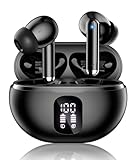
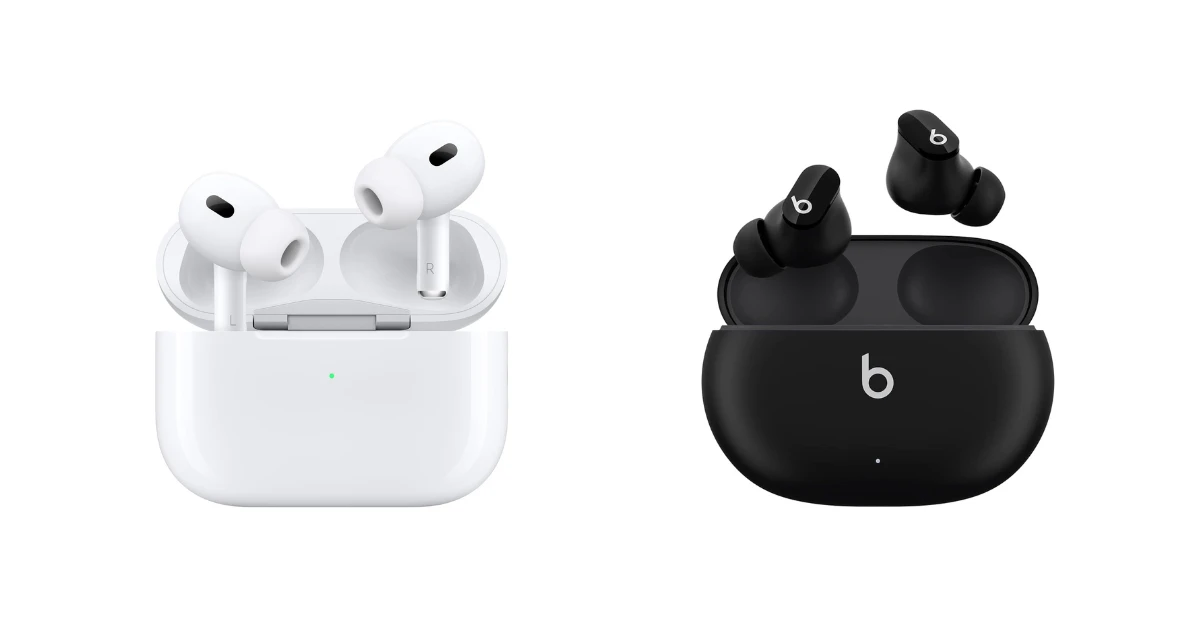
Earbuds, also known as in-ear headphones or canalphones, fit directly inside your ear canal. They come in various designs, including those with silicone or foam tips that create a seal, and those that simply rest in the outer ear. Earbuds are incredibly compact and portable, making them ideal for on-the-go listening. However, because they are inserted directly into the ear canal, they can potentially pose a greater risk to your hearing if used at high volumes.
Earbuds with a good seal can offer decent noise isolation, but often not as effective as over-ear headphones. Sound quality in earbuds can vary widely, with higher-end models offering impressive audio performance. The fit and comfort of earbuds are crucial, as poorly fitting earbuds can be uncomfortable and may not provide optimal sound quality.
Sound Quality: The Listening Experience
Sound quality is a primary concern for most audio enthusiasts. The type of headphones or earbuds you choose significantly impacts the audio experience.
Headphones: Generally Superior Sound
Over-ear headphones usually deliver the best sound quality. Their larger drivers can produce a wider frequency range and more detailed sound, including deeper bass and clearer highs. The design of over-ear headphones also contributes to a more immersive listening experience, often with a better soundstage (the perceived spatial location of sounds).
On-ear headphones offer good sound quality, but can be slightly less refined than over-ear models. The sound can sometimes feel a bit compressed, and the bass response might not be as pronounced. However, the sound quality is still generally better than most earbuds.
Earbuds: Compact Sound, Varying Performance
The sound quality of earbuds can vary widely depending on the brand, model, and price. Higher-end earbuds can offer excellent sound, rivaling some on-ear and even over-ear headphones. However, many earbuds, especially those at the lower end of the price spectrum, may have a less balanced sound profile, with weaker bass or less detailed highs.
Factors influencing sound quality include the size and quality of the drivers, the design of the earbud, and the presence of any noise-canceling technology. The seal created by the earbud tips is also crucial for sound quality, as it helps to isolate external noise and improve bass response.
Comfort and Fit: A Personal Matter
Comfort is a critical factor, especially if you plan to wear your headphones or earbuds for extended periods. Your choice should consider how the device feels in and around your ears.
Headphones: Comfort Considerations
Over-ear headphones can be very comfortable, especially models with soft earcups and a well-padded headband. However, they can also get hot and cause sweating around the ears, which can be uncomfortable, particularly in warm environments. The weight of over-ear headphones can also be a factor, leading to fatigue during prolonged use.
On-ear headphones are generally lighter than over-ear models, but they can put pressure on your ears, which can become uncomfortable over time. The fit is crucial; too much pressure can lead to earaches, while too little pressure can compromise sound quality. Finding the right balance is key.
Earbuds: Fit and Feel
Earbuds are known for their portability, but their comfort can vary greatly. The fit is crucial. If the earbuds don’t fit properly, they can be uncomfortable and may not stay in your ears securely. The type of ear tips (silicone, foam, etc.) and the overall design of the earbuds play a significant role in comfort. Some people find earbuds to be very comfortable, while others experience discomfort or ear fatigue after prolonged use.
Proper fit is essential for both comfort and sound quality. Earbuds that fit well create a good seal, which enhances bass response and helps to block out external noise. Experimenting with different ear tip sizes and types is often necessary to find the best fit for your ears.
Portability and Convenience: On-the-Go Audio
Portability and convenience are essential for many people. Your lifestyle and how you plan to use your audio devices will greatly influence your choice.
Headphones: Bulkier, but Still Portable
Over-ear headphones are the least portable option. While some models fold for easier storage, they still take up more space than earbuds or on-ear headphones. They are less convenient for activities like running or working out, where a compact design is more practical. The bulkiness can be a disadvantage if you frequently travel or commute.
On-ear headphones offer a good balance of portability and sound quality. They are generally smaller and lighter than over-ear models, making them easier to carry around. They are a good choice if you want decent sound without the bulk of over-ear headphones.
Earbuds: The Ultimate in Portability
Earbuds are the most portable option. Their small size makes them easy to carry in your pocket, bag, or even your ear. They are ideal for activities like running, working out, and commuting. The convenience of earbuds is a major selling point for many users. The small size makes them less likely to get in the way during physical activities.
Noise Isolation and Noise Cancellation: Blocking Out the World
Noise isolation and noise cancellation are essential features, particularly for those who listen in noisy environments.
Headphones: Excellent Noise Isolation
Over-ear headphones typically offer the best noise isolation. The earcups create a physical barrier that blocks out a significant amount of external noise. This allows you to listen at lower volumes, which is better for your hearing. The passive noise isolation of over-ear headphones can be very effective.
On-ear headphones also provide some noise isolation, but it’s generally less effective than over-ear models. The seal around the ears is not as tight, allowing more external noise to seep in. However, they are still better at blocking noise than many earbuds.
Earbuds: Varying Levels of Noise Isolation
Earbuds can offer good noise isolation, especially those with a proper seal. The tips of the earbuds create a physical barrier that blocks out external noise. The effectiveness of the noise isolation depends on the fit of the earbuds and the type of tips used. Earbuds with silicone or foam tips generally provide better noise isolation than those that simply rest in the outer ear.
Noise cancellation is a more advanced feature that actively cancels out external noise. Many headphones and some higher-end earbuds feature active noise cancellation (ANC). ANC uses microphones to detect external noise and then produces sound waves that cancel it out. ANC can be very effective at reducing background noise, allowing you to listen at lower volumes and improve your listening experience.
Hearing Health: The Critical Considerations
Protecting your hearing is paramount. The volume and duration of your listening sessions are the primary factors affecting your hearing health.
Headphones: Potential for Safer Listening
Over-ear headphones can be beneficial for hearing health. They often provide better noise isolation, which means you can listen at lower volumes to hear your audio clearly. The larger drivers can also deliver a better sound experience at lower volumes. The overall design of over-ear headphones often encourages a more mindful listening experience.
On-ear headphones can also be used safely, but you should be mindful of the volume levels. The on-ear design is less likely to cause pressure on the ear canal directly, which can be an advantage. Make sure to take breaks and avoid listening at excessively high volumes.
Earbuds: Higher Risk of Hearing Damage
Earbuds can pose a higher risk to your hearing. Because they sit directly in the ear canal, they can deliver sound directly to the eardrum. This can make it easier to listen at high volumes, which can damage your hearing. The proximity of the drivers to the eardrum means that high volumes can be particularly damaging.
Hearing damage can result from prolonged exposure to loud sounds. Symptoms of hearing damage can include tinnitus (ringing in the ears), hearing loss, and difficulty understanding speech. It’s crucial to be mindful of the volume levels when using earbuds and to take breaks from listening. Consider the 60/60 rule: listen at no more than 60% volume for no more than 60 minutes at a time.
Volume control is essential. Most smartphones and audio players have volume limit settings that can help protect your hearing. Use these settings to ensure you are not listening at excessively high volumes. Also, be aware of your surroundings, and avoid listening at volumes that prevent you from hearing important sounds.
Comparing Headphones and Earbuds: A Summary
Here’s a quick comparison table to help you make an informed decision:
| Feature | Headphones (Over-Ear) | Earbuds |
|---|---|---|
| Sound Quality | Generally superior, wider frequency range | Can be good, varies by model |
| Comfort | Can be comfortable, but can get hot | Fit is crucial; varies greatly |
| Portability | Least portable | Most portable |
| Noise Isolation | Excellent | Good (depending on fit and model) |
| Hearing Health | Potentially safer due to better noise isolation | Higher risk due to proximity to eardrum |
| Typical Price | Mid-range to High | Low to High |
Key Considerations:
- Sound Quality: If sound quality is your top priority, over-ear headphones are usually the best choice.
- Portability: If you need something compact and easy to carry, earbuds are the clear winner.
- Comfort: Try both types to see which fits your ears best. Consider the type of material and the overall fit.
- Noise Isolation: If you listen in noisy environments, over-ear headphones with good noise isolation or active noise cancellation (ANC) are the best.
- Hearing Health: Always be mindful of the volume levels and take breaks. Lower volumes and shorter listening sessions are always best.
Conclusion
So, are headphones or earbuds better for your ears? The answer isn’t a simple one. Both have their strengths and weaknesses. Over-ear headphones often provide a superior audio experience and better noise isolation, which can help protect your hearing. However, their larger size and potential for heat buildup might not be ideal for everyone.
Earbuds offer unparalleled portability and convenience. However, because they sit directly in your ear canal, they can potentially expose your ears to higher volumes, increasing the risk of hearing damage. The key is to choose the option that best fits your lifestyle and listening habits, while always prioritizing your hearing health.
Ultimately, the best choice depends on your individual needs and preferences. By understanding the pros and cons of each type, you can make an informed decision and enjoy your music, podcasts, or audiobooks safely and comfortably for years to come. Remember to listen at moderate volumes and take breaks to protect your ears.
Recommended Products