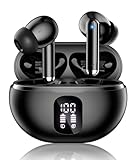
Are Headphones Better Than Earbuds? A Detailed Comparison
Choosing the right audio gear can feel like navigating a maze. Should you opt for the familiar comfort of headphones or the sleek convenience of earbuds? The answer, as with most things, isn’t a simple one. It hinges on your personal needs, listening habits, and priorities. This article will help you make an informed decision by weighing the pros and cons of each option.
We’ll explore everything from sound quality and comfort to portability and price. I’ll break down the key differences, providing insights to guide you. Whether you’re a casual listener, a dedicated audiophile, or someone who simply enjoys listening to music on the go, this comparison will help you find the perfect audio companion. Get ready to have your questions answered and discover which audio device reigns supreme for *your* specific requirements.
Sound Quality Showdown: Headphones vs. Earbuds
Sound quality is often the primary concern for most listeners. The fundamental difference between headphones and earbuds lies in their design and how they interact with your ears. This impacts how sound is produced, perceived, and ultimately, enjoyed.
Headphones: The Acoustic Champions
Headphones, especially over-ear models, generally offer a superior sound experience. The larger drivers (the speaker components) within headphones allow for a wider frequency range and more detailed sound reproduction. This translates to a richer, more immersive listening experience. Here’s what makes headphones stand out:
- Larger Drivers: Over-ear headphones often house drivers that are significantly larger than those found in earbuds. These larger drivers can move more air, leading to deeper, more impactful bass and a more balanced overall sound profile.
- Better Isolation: Over-ear headphones typically create a seal around your ears, providing excellent passive noise isolation. This means you hear less of the outside world and can focus on your music. This also means you don’t need to crank up the volume to overcome external noise, protecting your hearing.
- Reduced Distortion: Higher-quality headphones are engineered to minimize distortion, resulting in a cleaner and more accurate sound. You’ll hear the nuances in your music that you might miss with lower-quality audio devices.
- Soundstage: Some headphones, particularly open-back models, create a wider soundstage, giving the impression that the sound is coming from a space around you, rather than directly from your ears. This can make the listening experience more natural and engaging.
However, sound quality also depends on the quality of the headphones themselves. While generally superior, a cheap pair of headphones might sound worse than a good pair of earbuds. The quality of the materials, the driver technology, and the overall design all play a role.
Earbuds: The Compact Contenders
Earbuds have made significant strides in sound quality in recent years, but they still have inherent limitations due to their small size. They sit in or just outside the ear canal, which impacts how sound travels and is perceived. Here’s a closer look:
- Driver Size Limitations: The smaller drivers in earbuds struggle to produce the same level of bass and overall sound detail as larger headphone drivers.
- Fit and Seal: The fit of earbuds is crucial. A poor fit can lead to sound leakage and a loss of bass. Some earbuds, like those with silicone tips, create a better seal for improved sound isolation.
- Proximity to the Eardrum: The close proximity of the drivers to your eardrums can, in some cases, lead to perceived loudness at lower volumes, potentially affecting long-term hearing health if you are not careful.
- Variations in Quality: Earbuds, just like headphones, vary greatly in quality. Some high-end earbuds now rival some headphones in terms of audio performance, but they come with a higher price tag.
The sound quality of earbuds is constantly improving, especially with advancements in technology like active noise cancellation (ANC). However, they often still fall short of the overall sound quality of well-designed headphones, particularly in the areas of bass response and soundstage.
Comfort and Ergonomics: A Personal Preference
Comfort is a critical factor, as it directly impacts how enjoyable your listening experience is. The best audio device is useless if it’s uncomfortable to wear for extended periods. Both headphones and earbuds have their own comfort considerations.
Headphones: The Cozy Champions
Headphones, especially over-ear models, are generally considered more comfortable for extended listening sessions. They distribute the weight evenly across the head, reducing pressure on the ears. Here’s what contributes to their comfort:
- Weight Distribution: Over-ear headphones distribute weight across the head, avoiding pressure on any single point.
- Padding: The earcups and headband are usually padded with soft materials like memory foam or velour, enhancing comfort.
- Ergonomic Design: Many headphones are designed with adjustable headbands and swiveling earcups to provide a customized fit.
- Less Direct Contact: The earcups sit around the ears, which can be more comfortable than having something inserted directly into your ear canal.
However, headphones can have their downsides. They can get hot and sweaty, especially in warm environments. The clamping force of the headband can also cause discomfort for some people. The weight of some models can also cause fatigue during long listening sessions.
Earbuds: The Discreet Delights
Earbuds offer a more discreet and portable design, making them ideal for portability. Their compact nature makes them easy to carry. Here’s a look at their comfort aspects:
- Lightweight: Earbuds are generally lighter than headphones, making them less noticeable.
- Portability: Their small size makes them easy to carry in a pocket or bag.
- Variety of Fit: Many earbuds come with different-sized ear tips to ensure a snug fit and optimal comfort.
- Less Obtrusive: Earbuds are less visually prominent than headphones, which some people prefer.
However, earbuds can also be uncomfortable. The fit can be tricky, and if the earbuds don’t fit properly, they can cause pain or fatigue. Some people also find the feeling of something inserted into their ear canals uncomfortable. The lack of a secure fit can also be an issue during physical activity, as earbuds can easily fall out.
Portability and Convenience: The on-the-Go Factor
Portability and convenience are crucial considerations for anyone who listens to music on the go. This involves factors like size, weight, and ease of use.
Headphones: The Bulkier Option
Headphones, especially over-ear models, are generally less portable than earbuds. Their larger size makes them less convenient to carry around. However, advancements in folding designs and lighter materials have improved this aspect.
- Size and Weight: Headphones are larger and heavier than earbuds, which can make them less convenient to carry in a bag or pocket.
- Folding Designs: Many headphones now feature folding designs, which reduces their overall footprint for storage.
- Hard Cases: Some headphones come with hard cases for protection during travel.
- Wired vs. Wireless: Wired headphones require a cable, which can get tangled. Wireless headphones eliminate the cable, increasing portability but requiring charging.
While headphones may not be as portable as earbuds, the superior sound quality and comfort of some models often outweigh the inconvenience for dedicated listeners. The need for a carrying case can add to the bulkiness.
Earbuds: The Pocket-Sized Powerhouses
Earbuds excel in portability and convenience. Their small size makes them easy to carry around and use on the go. They are ideal for people who value convenience and a minimalist approach.
- Compact Size: Earbuds are small and lightweight, making them easy to carry in a pocket, bag, or purse.
- Charging Cases: Many earbuds come with charging cases, which provide extra battery life and protect them when not in use.
- Wireless Freedom: Wireless earbuds eliminate the need for a cable, providing maximum freedom of movement.
- Ease of Use: Simply insert the earbuds and press play. Many now include touch controls for easy control of volume, playback, and calls.
Earbuds are the clear winner for portability. Their small size and ease of use make them perfect for commuting, exercising, and travel. The charging case adds to their convenience by providing extra battery life and protection.
Noise Isolation and Noise Cancellation: Blocking Out the World
Noise isolation and noise cancellation are essential features for anyone who wants to enjoy their music in noisy environments. They determine how well your audio device blocks out external sounds. The effectiveness of these features can significantly impact your listening experience.
Headphones: The Isolation Experts
Headphones, particularly over-ear models, excel at passive noise isolation. The earcups create a physical barrier that blocks out a significant amount of external noise. Many also offer active noise cancellation (ANC) for even better performance. Here’s how headphones tackle noise:
- Passive Noise Isolation: Over-ear headphones create a seal around the ears, blocking out a lot of external noise.
- Active Noise Cancellation (ANC): Many headphones feature ANC, which uses microphones to detect external noise and then generates an opposing sound wave to cancel it out.
- Effective in Various Environments: Headphones with good ANC can effectively reduce noise in a wide range of environments, including airplanes, trains, and busy streets.
- Reduced Need for High Volumes: Effective noise isolation and cancellation allow you to listen at lower volumes, which is better for your hearing health.
The combination of passive isolation and ANC makes headphones a great choice for noisy environments. You can fully immerse yourself in your music without being distracted by external sounds. High-quality ANC can significantly improve the listening experience.
Earbuds: The Anc Challengers
Earbuds have improved in noise isolation and cancellation, but they still have limitations compared to headphones. The small size makes it more challenging to achieve effective noise isolation. However, many earbuds now include ANC to combat external noise.
- Passive Isolation Variations: The level of passive noise isolation depends on the fit of the earbuds. Earbuds with silicone tips generally provide better isolation than those with hard plastic tips.
- Active Noise Cancellation (ANC): Many earbuds now feature ANC, which can effectively reduce background noise. However, the performance of ANC in earbuds can vary.
- Smaller Form Factor: The small size of earbuds limits the effectiveness of both passive isolation and ANC compared to over-ear headphones.
- Wind Noise: Earbuds with ANC can sometimes struggle with wind noise.
While earbuds with ANC can be effective in some environments, they often fall short of the performance of high-quality headphones. The small size and fit limitations make it difficult to achieve the same level of noise reduction. The effectiveness of ANC can depend on the specific design and technology used.
Price and Value: Budget Considerations
Price is often a deciding factor in the audio device selection process. Both headphones and earbuds come in a wide range of price points, from budget-friendly options to high-end models. Considering the value you receive for your money is important.
Headphones: The Investment Option
Headphones can range from affordable to very expensive. The price often reflects the quality of materials, the technology used, and the brand reputation. Here’s a look at the price considerations:
- Price Range: Headphones can range from $20 to over $1,000.
- Material Quality: Higher-priced headphones often use premium materials, such as leather, metal, and high-quality plastics.
- Technology: Features like ANC, advanced drivers, and wireless connectivity can increase the price.
- Brand Reputation: Established audio brands often command higher prices due to their reputation for quality and performance.
While higher-end headphones can be a significant investment, they can offer exceptional sound quality and build quality. The long-term value can be high if you are a serious listener. Consider your budget and how often you will use the device.
Earbuds: The Budget-Friendly Contenders
Earbuds also come in a wide range of prices, but generally, you can find good options at more affordable prices. The market is very competitive, leading to better value for consumers. Here’s what to consider:
- Price Range: Earbuds can range from $10 to $300 or more.
- Competition: The earbuds market is very competitive, driving down prices and increasing the value proposition.
- Features: Even budget-friendly earbuds can offer features like Bluetooth connectivity, noise isolation, and water resistance.
- Value Proposition: You can often find excellent sound quality and features at a lower price point compared to headphones.
Earbuds offer great value for their price. The wide range of options means you can find a pair that fits your budget and needs. Consider the features you need and read reviews to find the best value.
Headphones vs. Earbuds: A Comparison Table
To summarize the key differences, here’s a table comparing headphones and earbuds:
| Feature | Headphones | Earbuds |
|---|---|---|
| Sound Quality | Generally superior, wider frequency range, better soundstage | Sound quality varies, smaller drivers, potential for sound leakage |
| Comfort | More comfortable for extended listening (over-ear models) | Can be comfortable, but fit is crucial, potential for discomfort |
| Portability | Less portable, larger size, may require a carrying case | Highly portable, small and lightweight, easy to carry |
| Noise Isolation | Excellent passive isolation, effective ANC | Passive isolation depends on fit, ANC performance varies |
| Price | Wide range, from affordable to expensive | Wide range, often more affordable |
| Durability | Generally more durable, can withstand more wear and tear | Can be less durable due to small size and potential for loss |
Factors to Consider When Choosing
When choosing between headphones and earbuds, consider these factors:
- Your Listening Environment: Are you listening in a quiet room, a noisy commute, or a gym?
- Your Listening Preferences: Do you prioritize sound quality, portability, or comfort?
- Your Budget: How much are you willing to spend?
- Your Activities: Will you be using them for working out, commuting, or relaxing at home?
- Your Personal Preferences: Do you prefer the feel of headphones or the discreetness of earbuds?
The Future of Headphones and Earbuds
The audio industry is constantly evolving, with new technologies and features emerging. The future of headphones and earbuds looks bright, with advancements in several areas:
- Improved Sound Quality: Expect even better sound reproduction, with more detailed audio and wider frequency ranges.
- Enhanced Noise Cancellation: Noise cancellation technology will continue to improve, providing even better noise reduction in various environments.
- Advanced Features: Look for new features like spatial audio, personalized sound profiles, and health tracking capabilities.
- Sustainable Design: More manufacturers are focusing on sustainable materials and eco-friendly designs.
- Integration of AI: Artificial intelligence will play a bigger role, with AI-powered audio enhancements and personalized listening experiences.
As technology progresses, the lines between headphones and earbuds will continue to blur. Both categories will offer improved sound quality, comfort, and features, making it even easier to find the perfect audio companion.
Verdict
Ultimately, the choice between headphones and earbuds depends on your individual needs and priorities. Headphones generally offer superior sound quality, comfort, and noise isolation, making them ideal for critical listening and use in noisy environments. However, earbuds excel in portability and convenience, making them perfect for on-the-go listening and everyday use.
Consider your listening habits, budget, and the environments where you’ll be using your audio device. If sound quality and noise isolation are paramount and you don’t mind the bulk, headphones are likely the better choice. If portability and convenience are your top priorities, or you prefer a more discreet experience, earbuds are the way to go.
Experiment with different models and try them out before purchasing. The best way to make a decision is to experience both types of devices and see which one suits your lifestyle. There’s no single ‘better’ option, just the right choice for *you*.
Recommended Products